Category: Cricket & Sport

Latest cricket news, match results, IPL, PSL, World Cup updates, football, tennis, F1, Olympics and all major sports coverage from around the world.

  • Christian Eriksen ‘doing well’ after collapsing in Denmark game, team’s doctor says

    Christian Eriksen ‘doing well’ after collapsing in Denmark game, team’s doctor says

    Christian Eriksen Collapses During Denmark vs Ukraine Friendly — Latest Update: He’s Conscious and ‘Doing Well’

    Shocking scenes unfolded during Denmark’s international friendly against Ukraine when midfield star Christian Eriksen suddenly collapsed on the pitch, sending shockwaves through the football world. Fans watching the match were left horrified as play was immediately halted and medical teams rushed onto the field.

    The Danish Football Association moved quickly to reassure supporters, releasing an official statement confirming that Eriksen is conscious and stable. The team’s doctor confirmed the 32-year-old is “doing well” — words that brought an enormous wave of relief to fans, teammates, and the global football community who feared the worst in those terrifying initial moments.

    What Happened on the Pitch?

    Eriksen went down suddenly during the friendly match, with no apparent collision or challenge involved. Medical staff from both teams, along with emergency personnel, were on the scene within seconds. The speed and professionalism of the response was widely praised across social media in the immediate aftermath.

    The match was understandably suspended as players from both sides gathered, visibly distressed. Teammates formed a protective circle around Eriksen as medics worked — a heartbreaking but familiar sight for anyone who remembers the terrifying incident at Euro 2020. The atmosphere inside the stadium shifted instantly from the excitement of international football to one of collective fear and prayer.

    Footage shared on social media showed the gravity of the situation, with broadcasters cutting away and commentators struggling to find words. Within minutes, the Danish Football Association released their first official update, urging calm while confirming that their star player was receiving medical attention.

    A Haunting Reminder of Euro 2020

    For millions of football fans around the world, this incident brought back gut-wrenching memories of June 12, 2021, when Eriksen suffered a cardiac arrest live on television during Denmark’s opening Euro 2020 match against Finland in Copenhagen. That incident was one of the most frightening moments ever broadcast in live sport.

    On that day, Eriksen collapsed and required CPR on the pitch for several agonising minutes before being stabilised and rushed to hospital. He was later fitted with an implantable cardioverter-defibrillator (ICD) — a small device designed to monitor heart rhythm and deliver a shock if a dangerous arrhythmia is detected.

    Eriksen’s recovery from that 2021 cardiac arrest was nothing short of miraculous. He returned to professional football just months later, signing with Brentford in the Premier League before eventually joining Manchester United, where he continued to perform at the highest level. His comeback story became one of the most inspiring in modern football history.

    The Football World Reacts

    As news of the latest collapse spread rapidly across social media platforms, tributes and messages of support flooded in from across the globe. Former teammates, rival players, managers, and fans from every corner of the world sent messages wishing Eriksen a speedy recovery.

    The hashtag #GetWellEriksen began trending within minutes on X (formerly Twitter), with thousands of posts expressing shock, concern, and heartfelt support. The football community, which had rallied so powerfully around Eriksen in 2021, once again showed its best side in a moment of genuine crisis.

    Several high-profile figures from the sport took to social media to share their thoughts. The universal message was clear — football matters, but nothing matters more than a human life. Eriksen is far more than a footballer to those who know him; he is widely regarded as one of the kindest and most professional individuals in the game.

    Who Is Christian Eriksen?

    For those less familiar with his career, Christian Eriksen is one of the most gifted midfielders of his generation. Born in Denmark in 1992, he rose through the ranks at Odense before joining Ajax’s famed academy, where his talent quickly became impossible to ignore.

    He went on to have a stellar career at Tottenham Hotspur, spending seven years in North London and becoming one of the Premier League’s most creative and consistent performers. His vision, passing range, and ability to score from distance made him a fan favourite at Spurs and earned him a big-money move to Inter Milan in January 2020.

    Following his cardiac arrest and recovery, his return to the Premier League with Brentford was widely celebrated. He later joined Manchester United, where he continued to demonstrate that his talent and determination were completely undimmed by the trauma he had experienced. His story resonated far beyond football — it became a story about resilience, courage, and the will to live life fully.

    Medical Staff Praised for Their Response

    In the wake of the incident, significant praise has been directed at the medical teams who responded so quickly and effectively. Rapid medical intervention is absolutely critical in situations involving cardiac or neurological events, and the professionalism shown once again highlighted why every professional sporting event must have top-tier medical support on standby at all times.

    The lessons learned from Euro 2020 appear to have been taken seriously across European football. Protocols for handling on-pitch medical emergencies have been reviewed and strengthened at many clubs and national associations since Eriksen’s first collapse. While no one wants to see these protocols put to use, tonight was a reminder of just how vital they are.

    The Danish Football Association has been commended for their transparent and timely communication with the public. Rather than leaving fans in suspense, they provided updates as quickly as possible — something that was deeply appreciated by a global fanbase desperate for reassurance.

    What Happens Next?

    With Eriksen confirmed as conscious and stable, the immediate focus will shift to ensuring he receives thorough medical assessment and care. It is far too early to speculate about what caused this latest incident or what it might mean for his playing career going forward.

    Medical professionals will no doubt conduct extensive tests to understand exactly what happened and whether any adjustments need to be made to his ongoing care. Given that Eriksen already has an ICD device fitted, questions will naturally arise about its role in tonight’s events and how his medical team will proceed.

    The football world will be watching closely, but tonight, the only thing that matters is Eriksen’s health and wellbeing. His family, friends, and teammates will need time and space as they process what has been an incredibly frightening experience. The match itself is, of course, entirely secondary.

    A Fighter Who Inspires Millions

    What makes Christian Eriksen’s story so compelling is not just the football — it’s the human spirit that he embodies. After suffering a cardiac arrest on one of sport’s biggest stages, he didn’t retreat from life. He fought back, rebuilt himself, and returned to doing what he loves at the very highest level.

    That comeback inspired countless people around the world — not just football fans, but anyone who has faced a health scare, a life-altering moment, or a seemingly insurmountable challenge. Eriksen became a symbol of hope and perseverance, and that is a legacy that goes far beyond trophies or statistics.

    Tonight’s incident is a stark reminder that life can change in an instant, and that the human beings we watch on our screens and in our stadiums are vulnerable, just like the rest of us. The hope and love pouring in from around the world right now is a testament to the impact Christian Eriksen has had on so many lives.

    We will continue to follow this story as more information becomes available. For now, the message from the Danish Football Association is clear — Christian Eriksen is conscious, he is stable, and he is doing well. And right now, that is everything.

    What do you think? Share your messages of support for Christian Eriksen in the comments below — the football world is thinking of him tonight.

    This article is for informational purposes only.
  • From dazzling winger to veteran who barely runs – the evolution of Messi

    From dazzling winger to veteran who barely runs – the evolution of Messi


    From Explosive Winger to Masterful Veteran: The Incredible Evolution of Lionel Messi Ahead of His Sixth World Cup

    There are very few athletes in the history of sport who have managed to reinvent themselves so completely — and so successfully — as Lionel Messi. The Argentine legend is preparing for what will be his sixth FIFA World Cup appearance, a staggering milestone that very few players ever reach. But what makes this moment even more fascinating is just how different the Messi of today looks compared to the electric, lightning-fast winger who first burst onto the global stage as a teenager.

    Back then, Messi was a blur. A dazzling, unstoppable force of nature who would leave defenders grasping at thin air. Now, at 37 years old, he barely breaks into a sprint — and yet he remains one of the most dangerous and decisive players on the planet. How does that even work? Let’s break it down.

    The Young Messi: A Winger Like No Other

    Cast your mind back to the mid-2000s. A scrawny kid from Rosario, Argentina — who had been treated for growth hormone deficiency as a child — was tearing through La Liga defenses at Barcelona like they simply didn’t exist. Messi’s early style was defined by raw, explosive pace, close ball control, and an almost supernatural ability to change direction at full speed.

    His famous dribbles from those years are still the stuff of legend. The 2007 Copa del Rey goal against Getafe — often compared to Diego Maradona’s iconic 1986 World Cup goal — showed a player who could single-handedly destroy an entire defensive line with nothing but his feet and his brain. He was a right winger by position, but in reality, he was a law unto himself.

    During those early years with Argentina, Messi carried the weight of a nation’s expectations. He was supposed to be the next Maradona, the man who would finally end Argentina’s long wait for World Cup glory. The pressure was immense, and for a long time, it showed. His early World Cup campaigns — Germany 2006, South Africa 2010, Brazil 2014 — were brilliant at times but ultimately fell short of the ultimate prize.

    The Physical Transformation Nobody Saw Coming

    As Messi moved through his late 20s and into his 30s, something interesting happened. His pace — never his only weapon, but certainly a critical one — began to diminish. This is completely natural for any footballer. Speed is the first thing to go, and even the greatest athletes are not immune to the effects of time and mileage on the body.

    But what happened next is what separates truly great players from merely good ones. Messi adapted. Rather than trying to play the same game he always had, he began to evolve his role. He dropped deeper. He touched the ball less frequently, but made each touch count even more. He started conserving his energy, walking through large portions of matches — and then producing moments of absolute magic when it mattered most.

    Critics who don’t watch football closely sometimes point to his reduced running stats and suggest he’s slowing down or becoming a passenger. The reality is almost the opposite. Messi has become a chess grandmaster operating on a football pitch. He reads the game so far ahead of everyone else that he doesn’t need to run — he simply needs to be in the right place at the right time.

    The Qatar 2022 Masterclass

    If there was any remaining doubt about Messi’s ability to impact major tournaments in this new, evolved form, the 2022 FIFA World Cup in Qatar completely silenced it. Messi delivered arguably the greatest individual World Cup performance in the history of the tournament, guiding Argentina to their third World Cup title and their first since 1986.

    He scored seven goals and provided three assists across seven matches. He won the Golden Ball as the tournament’s best player. He scored in the final — twice — including a penalty in the dramatic shootout that ultimately decided the trophy. It was a performance so complete, so emotionally resonant, that it settled the GOAT debate for millions of fans worldwide once and for all.

    What was striking throughout that tournament was how little Messi seemed to be working physically compared to his teammates. He walked, he jogged, he stood still. And then, in a flash, he would do something that nobody else on the planet could do. A perfectly weighted through ball. A curling finish from outside the box. A dribble that made defenders look like statues. It was masterful, calculated brilliance.

    Life at Inter Miami: Recharging for One Final Dance

    After leaving Paris Saint-Germain in 2023, Messi made the somewhat surprising decision to join Inter Miami in Major League Soccer. Many assumed this was a retirement move — a comfortable wind-down in the Florida sunshine before hanging up his boots. But Messi had other ideas.

    At Miami, he has continued to perform at an extraordinary level. He has broken MLS records, won trophies, and drawn record-breaking crowds and television audiences to a league that was previously considered a second-tier destination for ageing stars. His impact on American soccer culture has been nothing short of seismic — and it has kept him sharp, focused, and hungry.

    Crucially, the reduced physicality of MLS compared to the top European leagues has allowed Messi to manage his body more carefully. He’s playing fewer high-intensity matches, recovering better between games, and arriving at international duty fresher than he might have been had he stayed in Europe. Whether this was a deliberate strategy or a happy coincidence, it appears to be working perfectly.

    What His Sixth World Cup Could Look Like

    Argentina are among the favourites for the 2026 World Cup, which will be hosted across the United States, Canada, and Mexico. They arrive as defending champions, with a squad that blends experienced stars like Messi with a new generation of exciting young talent. The expectation is enormous — but this Argentina team has shown it can handle pressure.

    For Messi personally, this will almost certainly be his final World Cup. At 38-39 during the tournament, he will be playing on the outer edges of what is physically possible for a professional footballer at the highest level. But given everything we have seen from him in recent years, it would be a monumental mistake to write him off.

    His game no longer requires him to outrun defenders or win physical battles. It never really did — that was just the most obvious manifestation of his talent when he was young. What Messi has always possessed, and what age cannot take away, is his football intelligence, his vision, his technique, and his ability to produce moments of pure genius under the most intense pressure imaginable.

    The Legacy of an Ever-Evolving Legend

    What Messi’s career arc teaches us is something profound about the nature of sporting greatness. True legends don’t just rely on their natural gifts — they evolve, they adapt, and they find new ways to be decisive as those gifts inevitably change with time. Muhammad Ali did it. Roger Federer did it. And now Lionel Messi is doing it in real time, right before our eyes.

    The boy who used to sprint past five defenders is now a man who barely needs to move to change the course of a game. The winger who ran at pace is now the playmaker who pulls strings from deep. The nervous young player who struggled under Argentina’s weight of expectation is now the calm, assured leader who delivered his country its greatest footballing moment in 36 years.

    Whether Messi wins a second World Cup in 2026 or not, his legacy is already cemented as the greatest footballer who ever lived — and one of the most remarkable athletes in the history of human sport. But knowing Messi, he’ll still be trying to add one more chapter to an already extraordinary story.

    What do you think? Can Messi lead Argentina to back-to-back World Cup titles in 2026, or has his time finally come? Drop your thoughts in the comments below — we want to hear from you!

    This article is for informational purposes only.

  • ‘I want to thank myself’ – Andreeva’s journey to Grand Slam glory

    ‘I want to thank myself’ – Andreeva’s journey to Grand Slam glory


    ‘I Want to Thank Myself’ — Mirra Andreeva’s Emotional Journey to French Open Grand Slam Glory

    In a moment that felt like something straight out of a feel-good sports movie, 17-year-old Mirra Andreeva stood on the clay of Roland Garros and did something refreshingly honest — she thanked herself. Not in an arrogant way, not in a boastful way, but in the most genuine, raw, and emotionally powerful way imaginable. This young Russian tennis sensation has just claimed her first-ever Grand Slam title at the French Open, and the tennis world is absolutely buzzing.

    Andreeva’s win is not just a trophy — it’s a statement. A declaration that one of the most exciting young talents in women’s tennis has truly arrived on the biggest stage. And the way she celebrated? Completely and utterly unforgettable.

    The Speech That Stopped the World

    When Andreeva grabbed the microphone for her victory speech, she did what every champion does — she thanked her coach, her support team, her family. But then she paused, smiled, and said those now-iconic words: “I want to thank myself.” The crowd erupted. Social media exploded. Tennis fans across the globe couldn’t stop talking about it.

    It wasn’t cockiness. It was self-awareness. It was a young woman acknowledging the countless hours of sacrifice, the early mornings, the physical pain, the mental battles — all the things that only she truly knows she went through. In an era where athletes are often told to be humble to the point of invisibility, Andreeva’s moment of self-appreciation felt revolutionary.

    The quote immediately went viral, trending across platforms from Twitter to TikTok, with fans and fellow athletes alike praising her for the boldness and authenticity of her words. Even tennis legends chimed in, celebrating her honesty and confidence.

    Who Is Mirra Andreeva?

    If you haven’t been following women’s tennis closely, you might be asking yourself — who exactly is Mirra Andreeva? Well, buckle up, because this is one of the most fascinating young careers in modern sport. Born in Krasnoyarsk, Russia in April 2007, Andreeva turned professional at an age when most teenagers are still figuring out what they want to do with their lives.

    She burst onto the scene in 2023, making waves at Roland Garros by reaching the third round as a 16-year-old wildcard — a remarkable achievement in itself. Since then, her progression has been nothing short of meteoric. She’s got power, she’s got finesse, she’s got mental toughness, and above all, she’s got a competitive fire that burns unlike anything her opponents are prepared for.

    Coached meticulously and supported by a tight-knit team, Andreeva has been on a deliberate, focused path toward the top of the women’s game. And now, standing atop the French Open podium with clay dust on her shoes and a Grand Slam trophy in her hands, it’s clear that path has led exactly where everyone hoped it would.

    The Road to Roland Garros Glory

    Winning a Grand Slam is never easy — not even for the most gifted players. The French Open, played on the red clay of Paris, is considered one of the most physically and mentally demanding tournaments in tennis. The slow surface rewards patience, endurance, and tactical intelligence. It’s a test that has broken many brilliant careers.

    Andreeva navigated the draw with composure well beyond her years. Match after match, she showed the kind of determination and adaptability that separates champions from contenders. She faced pressure moments, she faced opponents who had more experience and more ranking points — and she came through every single time.

    Her serve was powerful, her groundstrokes relentless, and her ability to construct points on clay was frankly breathtaking for someone her age. Watching her play throughout the tournament felt like watching a masterclass in modern tennis — aggressive yet intelligent, emotional yet controlled.

    A Champion’s Mindset

    One of the things that makes Andreeva so special is her mental approach to the game. She’s spoken in interviews about the importance of self-belief, about not letting external pressure define her performance. And in Paris, that philosophy paid off in the most spectacular fashion possible.

    There were moments during the tournament where things got tough — where the crowd was against her, where the momentum shifted. But Andreeva never crumbled. She regrouped, refocused, and found a way. That’s the hallmark of a true champion, and at just 17 years old, she’s already showing those qualities in abundance.

    Her team, which she graciously credited in her speech, deserves enormous recognition too. Behind every great young athlete is a support structure of coaches, fitness trainers, psychologists and family members who pour their hearts into helping that player reach their potential. Andreeva acknowledged all of them — but she also acknowledged something equally important: that ultimately, it was her own will, her own sacrifice, and her own courage that got her across the finish line.

    What This Means for Women’s Tennis

    Andreeva’s triumph at Roland Garros is massive for the sport. Women’s tennis has been in a fascinating transition period, with the retirement of some legends and the rise of a new generation of incredibly talented players. Andreeva now plants her flag firmly at the top of that new generation.

    At just 17, she becomes one of the youngest Grand Slam champions in the Open Era — a staggering achievement. The conversation around her future is now impossible to ignore. Could she dominate the next decade of women’s tennis? Could she collect multiple Slams? The potential is absolutely there, and the tennis world is watching with breathless anticipation.

    Her victory also sends a powerful message to young girls around the world who dream of becoming professional athletes. You don’t have to wait until you’re older. You don’t have to wait for permission. You can go out there, compete with the best in the world, and win — if you’re willing to put in the work and back yourself completely.

    The Viral Moment That Defined the Day

    Beyond the trophy and the ranking points, it’s that victory speech moment that will live longest in the memory. “I want to thank myself” has already become one of the most quoted phrases in sports in 2025. It’s been turned into memes, inspirational posts, and even merchandise. People are connecting with it because it speaks to something universal — the idea that self-acknowledgment is not selfishness, it’s self-respect.

    In a world where we’re often told to downplay our achievements, to be modest, to give credit everywhere except to ourselves, Andreeva’s words hit differently. They resonated with athletes, with students, with professionals — with anyone who has ever worked incredibly hard for something and deserved to acknowledge that effort.

    The internet loved it. Fans loved it. And honestly? The sport of tennis needed a moment like this — raw, real, and completely authentic.

    What’s Next for the New Grand Slam Champion?

    With a French Open title on her resume at 17, the sky is genuinely the limit for Mirra Andreeva. Wimbledon on grass will be a different test entirely, as will the US Open on hard courts. But if this Paris triumph has shown us anything, it’s that Andreeva has the game and the mindset to compete — and win — on any surface.

    Her world ranking will skyrocket after this victory, bringing her into the top tier of women’s tennis and cementing her status as one of the sport’s most bankable stars. Sponsorship deals, media attention, and global recognition are all coming her way in a massive wave. And knowing Andreeva, she’ll handle it all with the same cool confidence she showed on that Roland Garros clay.

    The French Open has a long history of producing unforgettable champions and unforgettable moments. Andreeva’s victory — and that speech — has just written itself into that history permanently. This is a moment tennis fans will be talking about for years, maybe decades, to come.

    Final Thoughts

    Mirra Andreeva walked into Roland Garros as one of the most exciting young prospects in women’s tennis. She walked out as a Grand Slam champion, a viral sensation, and an inspiration to millions. At 17 years old, she has already achieved what most professional tennis players spend their entire careers chasing.

    And she thanked herself for it. Good for her. She earned every single bit of it.

    The future of women’s tennis just got a whole lot more exciting — and Mirra Andreeva is leading the charge.

    What do you think? Was Andreeva’s “I want to thank myself” moment the most iconic Grand Slam speech you’ve ever heard, or do you think athletes should stay humble in victory? Drop your thoughts in the comments below — we’d love to hear from you!

    This article is for informational purposes only.

  • Friendship to be forgotten with French Open on the line

    Friendship to be forgotten with French Open on the line


    Best Friends, Biggest Stage: Zverev and Cobolli Set to Put Friendship Aside in Stunning French Open Final

    It’s one of sport’s most fascinating storylines — two close friends, both passionate about the game, both hungry for glory, now standing on opposite sides of the net at Roland Garros. Alexander Zverev and Flavio Cobolli are genuinely good mates off the court, but when Sunday’s French Open final gets underway, all of that warmth and camaraderie will have to be locked away.

    This is the Grand Slam final. Friendship has no place here — at least not for the next few hours. The clay courts of Paris have seen plenty of drama over the decades, but a final between two players who actually like each other? That’s a different kind of tension entirely.

    From Practice Partners to Grand Slam Rivals

    Alexander Zverev, the big-serving German and one of the most consistent forces in men’s tennis over the past several years, has long been considered a future Grand Slam champion. At Roland Garros, he’s found his moment — and he’s not about to let a friendship get in the way of claiming it.

    Flavio Cobolli, the charismatic young Italian, has been one of the most exciting stories of this year’s tournament. Few expected him to make it this deep into the draw, but he’s been playing some of the best tennis of his life on the Parisian clay. The crowd has fallen in love with him, and for good reason.

    The two have shared plenty of laughs together in the locker room and on practice courts. But ask either of them about Sunday, and the message is the same: when the match begins, the friendship gets put on pause.

    Zverev’s Long Road to This Moment

    For Zverev, this French Open final represents years of hard work, heartbreak, and perseverance. He’s come agonizingly close to Grand Slam glory before — most memorably at the 2020 US Open, where he let a two-set lead slip against Dominic Thiem in the final. That defeat haunted him for a long time.

    Since then, Zverev has dealt with significant personal challenges, a serious ankle injury at Roland Garros in 2022, and the pressure of being one of the game’s top names without that elusive Major title. But he’s kept fighting, kept improving, and kept believing.

    This tournament has seen him at his very best. His serve has been a weapon all fortnight, his footwork on clay has been exceptional, and his mental resilience has been tested and passed multiple times. He arrives at the final as the favorite, but he knows better than anyone that favorites don’t always win.

    Cobolli’s Cinderella Run Through Paris

    If Zverev’s journey is about finally fulfilling long-held promise, Cobolli’s story is the kind of fairytale that makes tennis so compelling. The young Italian has been electric throughout the tournament, playing with the kind of freedom and flair that only comes when you feel you have nothing to lose.

    Cobolli has dispatched some serious opponents to get here, and with every victory, his confidence has visibly grown. He plays with an intensity and passion that Italian tennis fans absolutely adore, and the Roland Garros crowd — always warm to players who wear their heart on their sleeve — has embraced him wholeheartedly.

    There’s something genuinely refreshing about watching a player discover themselves at a Grand Slam. Cobolli looks like a man who has found his best tennis at exactly the right moment. Whether he can sustain it against the formidable Zverev is the big question.

    The Friendship Factor — Does It Matter?

    It’s a question that sports psychologists and tennis fans alike have been debating all week. Does playing a close friend in a high-stakes match help or hurt your performance? Does familiarity breed comfort, or does it create hesitation?

    Both players have been asked about it repeatedly in press conferences, and both have given similar answers — they respect each other enormously, they’ll share a meal or a laugh after the match, but when they step onto that court on Sunday, it’s purely business.

    In some ways, knowing your opponent so well can actually be a disadvantage. You understand their strengths, yes, but you might also unconsciously hold back, or feel a pang of guilt when you put away a winner. The mental game in a final is already brutal enough without that added layer of complexity.

    Clay Court Chess — What the Tactical Battle Looks Like

    From a purely tactical standpoint, this is a fascinating matchup. Zverev’s combination of powerful serving, heavy groundstrokes, and improved clay-court movement makes him a nightmare to play on this surface. He’s tall, he’s strong, and he can dictate rallies from the baseline with ease.

    Cobolli, meanwhile, is a livelier, more instinctive player. He moves well, he’s willing to take risks, and he plays with a tempo that can disrupt more methodical opponents. His backhand has been particularly impressive this tournament, and his ability to change the pace of rallies could prove crucial.

    The key for Cobolli will be keeping Zverev from settling into a rhythm. If the German gets comfortable and starts landing his first serve at a high percentage, it becomes very difficult for anyone to stay competitive. Cobolli will need to be aggressive, creative, and willing to take the game to his friend.

    What a Win Would Mean for Each Player

    For Zverev, winning the French Open would be a career-defining moment. It would silence the doubters who wondered whether he could ever close out a Major, and it would cement his place among the greats of his generation. At 28, he’s entering what should be the prime years of his career, and a Roland Garros title would be the perfect foundation.

    For Cobolli, even reaching the final is an extraordinary achievement — but winning it would be one of the biggest upsets in recent Grand Slam history. It would launch him into a completely different stratosphere of tennis stardom and announce him to the world in the most emphatic way possible.

    Italian tennis has been experiencing something of a golden era in recent years, and a Cobolli triumph in Paris would add another incredible chapter to that story. The tifosi would go absolutely wild.

    Roland Garros — The Perfect Stage for Drama

    There’s something about the French Open that produces unforgettable moments year after year. The clay surface rewards patience, physicality, and mental strength. Matches can turn in an instant, momentum shifts are brutal, and the crowd — passionate, knowledgeable, and loud — adds an electric atmosphere that few sporting venues can match.

    A final between two players who are genuine friends, with completely different styles and completely different stories, on the biggest clay court stage in the world? This has all the ingredients of an all-time classic.

    Whether it goes three sets or five, whether it’s dominated by Zverev’s power or lit up by Cobolli’s flair, one thing is certain — Sunday’s French Open final is must-watch television for any sports fan on the planet.

    The Moment of Truth Arrives

    When the players walk out onto Court Philippe-Chatrier on Sunday, the friendship will be real but irrelevant. Two athletes, one trophy, and a lifetime of preparation all coming down to a few hours of tennis. That’s the beauty of sport in its purest form.

    Zverev will want to finally claim the Grand Slam crown that has eluded him for so long. Cobolli will want to prove that his run wasn’t just a story — it was a statement. Only one of them can walk away with the Coupe des Mousquetaires.

    Whatever happens, when the last point is played and the net is cleared, two friends will embrace. But before that moment? It’s war on clay.

    What Do You Think?

    Who are you backing in Sunday’s French Open final — the experienced Zverev finally claiming his Grand Slam crown, or the exciting Cobolli pulling off one of tennis’s greatest upsets? Do you think their friendship will play any role in how the match unfolds? Drop your thoughts and predictions in the comments — we want to hear from you!

    This article is for informational purposes only.


  • England move closer to win on wet day at Lord’s

    England move closer to win on wet day at Lord’s


    England Edge Closer to Victory Over New Zealand in Rain-Hit Lord’s Test — Here’s What Happened on Day Three

    There’s something about cricket at Lord’s that just hits differently — even when the skies are grey, the rain is falling, and play keeps getting interrupted. Day three of the first Test between England and New Zealand was exactly that kind of day: frustrating, weather-beaten, but still absolutely gripping for anyone watching closely.

    England made the most of whatever time the weather gods allowed them, and they are now firmly in the driver’s seat heading into the final days of this crucial first Test. If you’re a cricket fan, this is the kind of match you simply cannot look away from.

    Rain, Delays, and Still England Dominated

    Day three at Lord’s was heavily disrupted by rain, which is honestly not a surprise for anyone familiar with English summers. But despite the interruptions, England’s players came out with purpose and intensity every single time the covers came off. That kind of mental discipline is exactly what Ben Stokes has been building in this team since he took over as captain.

    The limited overs that were bowled told a very clear story — England’s bowlers were sharp, their fielding was electric, and New Zealand were under serious pressure. When you’re chasing a match and the weather keeps cutting into your time, every ball counts even more. England seemed to understand that better than their opponents on this particular day.

    For context, England desperately needed a win here. Coming into this series, there was plenty of talk about whether the hosts could maintain the Bazball momentum that has made them so exciting to watch over the past couple of years. A victory at Lord’s would send a powerful statement — not just to New Zealand, but to the entire cricketing world.

    Where Does the Match Stand Now?

    Heading into day four, England have put themselves in a commanding position. The runs on the board, the wickets taken, and the momentum firmly on their side — it’s the kind of situation that Ben Stokes and Brendon McCullum have been engineering since they took charge of this team. Everything about England’s approach screams aggression and intent, even on a rain-affected day where lesser teams might have settled for playing out time.

    New Zealand, on the other hand, find themselves in a tough spot. The Black Caps are a quality side — don’t let anyone tell you otherwise — but they’ve been outplayed for large chunks of this match. Their batters will need to dig deep if they’re going to save this Test, and their bowlers will need something special if they want to somehow flip the script.

    The pitch at Lord’s has been doing a little bit, which always keeps things interesting. There’s movement for the seamers, and as the match progresses, the surface is likely to offer even more assistance. That’s not great news for whichever side is batting last under pressure.

    England’s Bowling Attack Has Been Outstanding

    One of the standout stories of this Test has been just how well England’s pace attack has performed. The combination of skill, aggression, and tactical intelligence has made life very difficult for New Zealand’s batters throughout the match. When England’s quicks are firing like this, they’re genuinely one of the most exciting bowling attacks in world cricket.

    The conditions at Lord’s — overcast skies, a bit of moisture in the pitch — were tailor-made for England’s seamers. And they absolutely exploited those conditions. Every time play resumed after a rain break, England came back with energy and purpose. That’s not easy to do when you’ve been sitting in the dressing room for hours waiting for the weather to clear.

    England’s spinners also played their part, offering control and picking up crucial moments when the match needed it. The depth in this England attack is genuinely impressive, and it’s one of the main reasons why Stokes’ side has been so successful in Test cricket recently.

    New Zealand’s Batting Woes Continue

    It’s been a tough series start for New Zealand’s batting lineup, and that’s putting it mildly. The Black Caps have struggled to put together the kind of partnerships and big scores that would have put them in a competitive position in this match. Individual batters have shown glimpses of quality, but the team effort with the bat simply hasn’t been there.

    New Zealand are a side in transition in some ways, trying to find the right combination and the right approach for Test cricket’s unique demands. This tour of England is a massive challenge — the conditions, the atmosphere at Lord’s, the quality of England’s bowling — it’s about as tough as it gets in international cricket.

    To be fair to the Black Caps, they’ve fought hard in patches. There have been moments of real resistance and some impressive individual performances. But England have simply been the better side across the three days played so far, and that’s the honest truth of where this match stands.

    The Magic of Lord’s — Even on a Rainy Day

    Let’s take a moment to appreciate the venue itself. Lord’s Cricket Ground is simply unlike anywhere else in the world. The history, the atmosphere, the famous slope on the outfield, the Long Room with its portraits of cricket legends — it all combines to create something truly special. Even on a grey, rain-soaked day, there’s nowhere quite like it.

    For the New Zealand players, many of whom are playing at Lord’s for the first time or only the second or third time in their careers, the experience must be both daunting and thrilling. For England, this is home — and they’ve been using that familiarity to their advantage throughout this match.

    The crowd at Lord’s, even reduced in number due to the weather, got behind England brilliantly. There’s a unique energy at cricket grounds when the rain stops and play resumes — a collective relief and excitement that’s hard to replicate anywhere else. That energy seemed to lift England every time they came back out onto the field.

    What Happens Next? Days Four and Five Preview

    The weather forecast for the remaining days of this Test is, apparently, slightly more cooperative — fingers crossed. If England can get full days of play, they have every opportunity to push for a victory that would put them 1-0 up in the series. That would be a brilliant start to what promises to be a fascinating Test series between two quality teams.

    For New Zealand, the challenge is clear: bat long, bat deep, and somehow take this match away from England. It’s a big ask given the current situation, but cricket has a wonderful habit of throwing up surprises. The Black Caps have the talent and the experience to make a game of it — if they can stay disciplined and find those crucial partnerships.

    England’s batting, should they need to come out again, also looks in decent shape. The depth in their lineup means they can push for quick runs if needed, or dig in and bat New Zealand out of the game. That flexibility is one of the hallmarks of Stokes’ England — they have multiple ways to win a cricket match.

    Why This Series Matters for World Cricket

    Beyond just this one match, this Test series between England and New Zealand carries significant weight in the context of the World Test Championship. Both sides have ambitions in the longer format of the game, and every result matters when it comes to points and standings. A series win here would be massive for either team’s WTC aspirations.

    Test cricket itself is in a fascinating place right now. The format has never been more exciting, with teams like England under Stokes and McCullum pushing the boundaries of what’s possible with aggressive, attacking cricket. New Zealand, traditionally one of the most respected Test sides in the world, are a worthy opponent for England in this context.

    For fans across England, New Zealand, Australia, the USA, Canada and beyond — this is exactly the kind of Test match cricket that reminds you why the five-day game is so special. Drama, weather interruptions, moments of brilliance, and a result still very much in the balance. What more could you ask for?

    Final Thoughts: Can England Close It Out?

    England are in a strong position, but they haven’t won yet. Test cricket has a way of humbling even the most dominant sides, and New Zealand won’t go down without a fight. The next two days at Lord’s promise to be absolutely compelling viewing for cricket fans everywhere.

    One thing is certain — this England side under Ben Stokes plays with a relentless hunger and intensity that makes them incredibly exciting to watch. Whatever happens in the remaining days, this has already been a brilliant advertisement for Test cricket at its finest venue.

    Stay tuned to AtlasTrending.com for all the latest updates, analysis, and coverage as this Lord’s Test reaches its thrilling conclusion.

    What do you think? Can New Zealand pull off a miraculous escape, or will England seal a dominant victory at Lord’s? Drop your prediction in the comments below — we want to hear from you!

    This article is for informational purposes only.
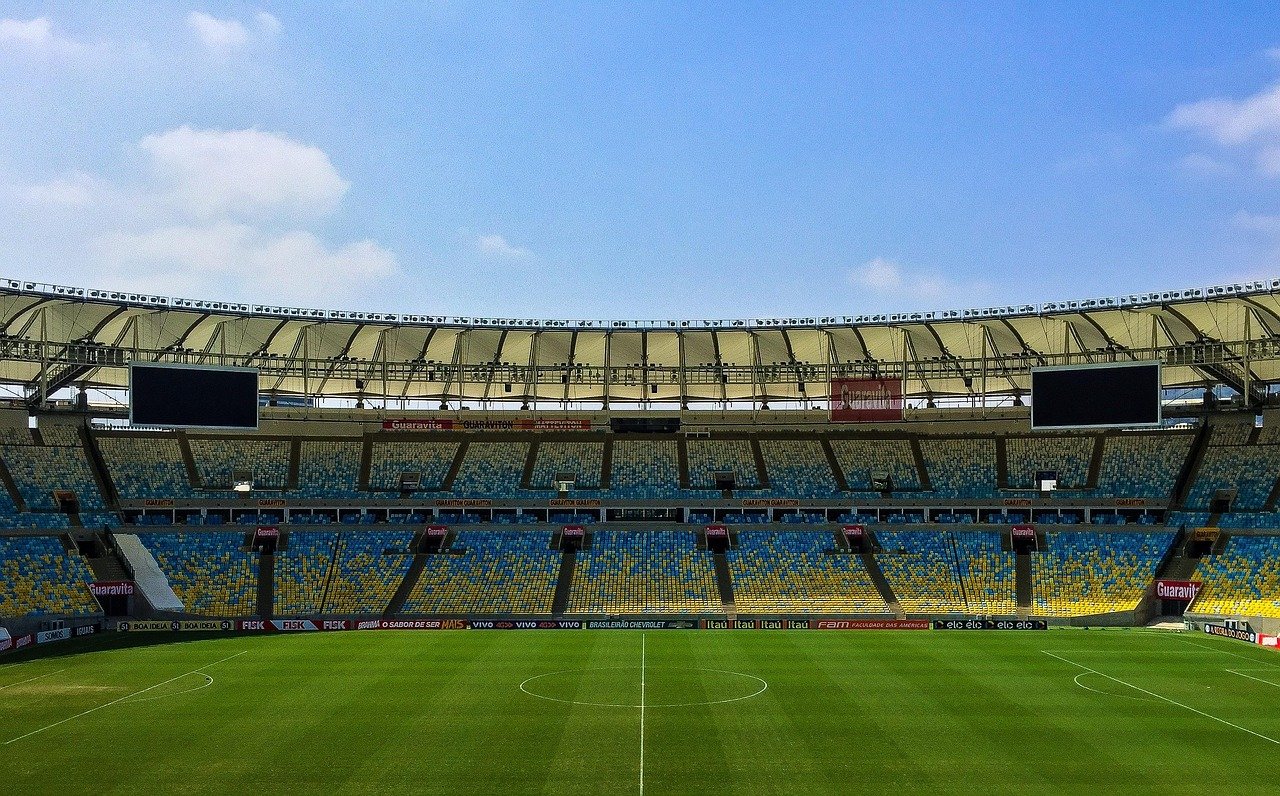

  • Late night and ‘full throttle’ – the World Cup watch parties going all out

    Late night and ‘full throttle’ – the World Cup watch parties going all out


    FIFA World Cup 2026 Watch Parties Going ‘Full Throttle’ — The Most Unexpected Places to Catch the Action

    The 2026 FIFA World Cup is nearly here, and football fever is already sweeping across the globe. Whether you’re a die-hard fan who paints your face in national colours or someone who just loves the electric atmosphere of a big match, one thing is certain — where you watch the game matters almost as much as the game itself.

    From rooftop bars in New York City to beachside setups in Sydney, watch parties for the 2026 World Cup are being planned on an extraordinary scale. And some of the locations people are choosing? Absolutely wild. Think underground caves, floating pontoons, and converted warehouses that feel more like mini stadiums than casual viewing spots.

    Why Watch Parties Have Become a Cultural Phenomenon

    Let’s be honest — watching football alone on your couch just doesn’t hit the same way. There’s something about being surrounded by hundreds of other passionate fans, all holding their breath at the same moment, that makes every goal feel ten times more euphoric. Watch parties have evolved from casual pub gatherings into full-scale events with DJs, food trucks, and giant LED screens.

    The 2022 Qatar World Cup proved just how massive this culture had become. Cities like London, Toronto, Melbourne, and Auckland saw record numbers of fans flooding public spaces and specially organised venues to watch matches together. The energy was absolutely unreal — and organisers are promising 2026 will be even bigger.

    With the 2026 World Cup being hosted across three countries — the United States, Canada, and Mexico — the tournament has an even broader reach than ever before. Fans in North America won’t even need to worry too much about time zone chaos, which means watch parties can go truly “full throttle” without people having to stay up until 3am on a Tuesday.

    The Most Surprising Watch Party Locations You Need to Know About

    Forget your standard sports bar setup. People are getting seriously creative with where they’re planning to watch the 2026 World Cup. Some venues are transforming their entire spaces specifically for the tournament, investing in cinema-quality screens, surround sound systems, and themed décor that makes you feel like you’re right there in the stadium.

    In the UK, several historic venues — including old theatres and even a few heritage buildings — are opening their doors for special screening nights. Imagine watching a nail-biting penalty shootout in a Victorian-era ballroom with hundreds of fellow fans. That’s the kind of experience that sticks with you for life.

    Over in Australia and New Zealand, outdoor watch parties are a massive deal. With the Southern Hemisphere’s winter aligning with the World Cup schedule, fans are wrapping up in scarves and gathering in parks, harbourside locations, and even on boats for some of the most scenic match-viewing experiences imaginable. Nothing beats watching a stunning free-kick goal with a view of the Sydney Harbour Bridge in the background.

    Late-Night Viewing: The Sacrifice That Brings Fans Together

    Of course, not everyone will have the luxury of convenient kick-off times. For fans in the UK, Australia, and New Zealand, some matches will still require staying up very late — or waking up at an ungodly hour. But ask any true football fan, and they’ll tell you that’s all part of the magic.

    There’s a unique camaraderie that comes from gathering with strangers at midnight, bleary-eyed but buzzing with excitement, sharing snacks and screaming at a giant screen together. Late-night watch parties have their own special vibe — a little chaotic, a little delirious, but absolutely unforgettable.

    Many venues are capitalising on this by offering overnight watch party packages. We’re talking about sleeping bag setups, breakfast served after the final whistle, and themed midnight menus that keep energy levels high through extra time and beyond. It’s football meets festival, and honestly? Sign us up.

    How Cities Are Preparing for World Cup Fever

    Major cities across the USA, Canada, UK, and Australasia are already in planning mode. Local councils are working with event organisers to set up fan zones — large public areas with big screens, food vendors, and entertainment — that can accommodate thousands of supporters simultaneously.

    New York City, one of the host cities for the 2026 World Cup, is expected to go absolutely all out. The city that never sleeps is planning enormous fan zones in iconic locations, and the buzz around it is already building. Similarly, Toronto and Los Angeles are gearing up for what could be the biggest public celebrations their cities have ever seen around a sporting event.

    Back in the UK, even though England and Scotland won’t be playing on home turf, the passion of British football fans is never in question. Pubs across the country are already booking extended licences, and major cities like Manchester, Birmingham, and Glasgow are planning outdoor fan zones that could rival anything seen during Euro 2024.

    Tips for Making Your World Cup Watch Party Legendary

    Thinking about hosting your own watch party? Here are a few things that can take it from ordinary to absolutely legendary. First, invest in a decent screen setup — whether that’s a projector in your backyard or a large TV mounted on your wall, size genuinely matters when you’re watching football with a group.

    Food is equally important. A World Cup watch party isn’t the time for a sad bowl of crisps. Think themed food from the countries playing, a proper snack spread, and maybe even a themed cocktail or mocktail menu. Get creative with it — people remember the full experience, not just the match result.

    And don’t underestimate the power of atmosphere. Flags, team colours, pre-match music playlists, and even a fantasy football mini-competition among your guests can transform a simple viewing session into something genuinely memorable. The goal is to make everyone feel like they’re part of something bigger than themselves — because with the World Cup, they truly are.

    The Global Community That Football Creates

    One of the most beautiful things about the FIFA World Cup is how it transcends borders, languages, and backgrounds. In a world that often feels deeply divided, football has this remarkable ability to bring people together around a shared passion. Watch parties are a physical manifestation of that — strangers becoming friends over 90 minutes of drama, tension, and joy.

    Whether you’re an expat watching your home country play from thousands of miles away, a casual fan swept up in the excitement, or a lifelong supporter who’s been counting down to this tournament for years — the watch party experience connects you to something much larger than yourself.

    The 2026 World Cup promises to be the biggest and most celebrated football tournament in history. With 48 teams competing, more matches than ever before, and a host nation setup spanning three countries, the scale of this event is genuinely unprecedented. And for every match played in a stadium, there will be thousands more watch parties happening simultaneously around the world, each one buzzing with its own unique energy.

    Don’t Miss Out — Start Planning Now

    If you’re serious about making the most of World Cup 2026, now is the time to start planning. Popular watch party venues and fan zones are going to fill up fast, especially for the knockout stages and the final. Keep an eye on local event listings, sign up to venue newsletters, and don’t sleep on early ticket or reservation opportunities.

    Whether you go all out with a big public fan zone experience or keep it intimate with a carefully curated home setup, the most important thing is that you’re part of the conversation. Football at this level only comes around every four years — make it count.

    The world is about to stop and watch together. Make sure you’ve got the best possible seat in the house — wherever that might be.

    What do you think? Are you planning to attend a World Cup watch party in 2026, or are you hosting one yourself? Where’s the most creative or unexpected place you’ve ever watched a big football match? Let us know in the comments below — we’d love to hear your stories!

    This article is for informational purposes only.


  • 17 wickets fall as England take control on another action-packed day

    17 wickets fall as England take control on another action-packed day


    17 Wickets Fall in One Day! England Seize Control of First Test Against New Zealand at Lord’s in Breathtaking Fashion

    If you love cricket for its drama, its chaos, and its moments of pure sporting theatre, then the second day of the first Test between England and New Zealand at Lord’s was absolutely everything you could have asked for. Seventeen wickets tumbled across a single action-packed day, leaving fans breathless and statisticians scrambling to keep up.

    England find themselves in a commanding position heading into day three, but the road there was anything but smooth. A shocking collapse of four wickets for just one run in a mere 11 balls threatened to hand New Zealand a lifeline — yet somehow, England still hold the upper hand in what is shaping up to be one of the most gripping Test matches of the year.

    A Day That Had Everything

    Lord’s Cricket Ground, often referred to as the “Home of Cricket,” lived up to every ounce of that legendary reputation on day two. The pitch played its part beautifully — offering just enough for the bowlers while still rewarding batters who had the patience and technique to survive. The result? A day of relentless, edge-of-your-seat action that saw wickets fall at a rate that had commentators barely catching their breath between deliveries.

    Seventeen wickets in a single day of Test cricket is a remarkable number. It speaks to conditions that were lively, bowlers who were switched on, and batters who — at times — were anything but. Both sides had their moments of brilliance and their moments of utter madness, and that’s exactly what makes Test cricket the most captivating format of the game.

    England’s Golden Opportunity — Despite the Chaos

    England entered the day with momentum and largely kept it, even as the wheels appeared to be coming off at one terrifying juncture. That collapse — four wickets for a single run across just 11 deliveries — was the kind of implosion that nightmares are made of. For a brief, stomach-churning moment, it looked like New Zealand’s bowlers had found a magic formula to rip through the English batting lineup.

    But cricket is a funny old game. Despite the chaos, England managed to post a total that keeps them very much in control of the contest. Their bowlers had already done significant damage to New Zealand’s batting order, and the overall run of play still favors the home side heading into the crucial middle stages of the match.

    The key for England now is simple in theory but challenging in execution — consolidate, extend their lead, and then put New Zealand under pressure in their second innings. If they can do that, a victory at the “Home of Cricket” looks well within reach.

    New Zealand Fight Back — But Is It Enough?

    Credit where it’s due — New Zealand didn’t simply roll over. The Black Caps showed genuine fight and resilience throughout the day, and their bowlers in particular deserve enormous praise for engineering that stunning collapse against England. When you take four wickets in 11 balls, you are bowling with real venom and skill, and New Zealand’s attack demonstrated exactly that.

    Their batters, however, found life much harder. England’s bowlers were relentless and precise, exploiting whatever the pitch and conditions had to offer. The New Zealand top order struggled to establish themselves, and a lack of substantial partnerships proved costly. In Test cricket, when you can’t build those crucial partnerships, runs become incredibly hard to come by.

    New Zealand will need to dig incredibly deep in their second innings if they are to turn this match around. They have the talent — nobody who follows international cricket would doubt that — but they face a significant mountain to climb.

    The Lord’s Pitch — A Bowler’s Best Friend

    Much of the conversation around this match has naturally focused on the pitch and conditions at Lord’s. The famous slope at the ground adds an extra layer of complexity that batters from both sides have to navigate, and it’s a factor that always seems to play a bigger role in the minds of visiting teams who are less familiar with its nuances.

    The surface offered decent carry and some movement, which is exactly what you want to see in Test cricket. Flat, lifeless pitches that produce boring draws are nobody’s idea of a good time. This Lord’s pitch delivered a contest, and that’s all any cricket fan can ask for.

    The weather, too, played a supporting role — classic English summer conditions that can shift in an instant, offering overhead conditions that assist swing bowling one moment and sunshine that firms up the surface the next. Both teams had to adapt constantly, and those that did so best came out ahead.

    Standout Performances on a Memorable Day

    Days like this are defined by individual brilliance, and there was no shortage of it at Lord’s. England’s bowlers were the standout performers overall, consistently hitting good lengths and asking serious questions of the New Zealand batters throughout the day. Their discipline was impressive — not giving away easy runs and always making the batters work hard for every single they scored.

    For New Zealand, the bowling unit deserves recognition for that extraordinary burst that produced the four-wicket collapse. Taking wickets in clusters is one of the most exciting and momentum-shifting things that can happen in cricket, and for those 11 balls, New Zealand were utterly irresistible.

    Individual batting contributions from both sides also caught the eye, with players on both teams showing why they belong at the highest level of the game, even if the overall team performances were mixed. Test cricket has a beautiful way of exposing both the strengths and vulnerabilities of every player, and day two at Lord’s did exactly that.

    What This Means for the Series

    This is the first Test of what promises to be a fascinating series between two sides who play the game in an entertaining and attacking manner. England under their current setup have been committed to aggressive, positive cricket — the “Bazball” philosophy that has generated enormous excitement and results over the past couple of years.

    New Zealand, meanwhile, are a side that consistently punches above their weight on the international stage. They may not always have the biggest names or the deepest squads, but they are supremely well-organized, tactically intelligent, and never, ever give up. That combination makes them dangerous opponents regardless of the situation.

    A victory for England in this first Test would set the tone for the series and keep their remarkable home record under their current coaching setup intact. For New Zealand, finding a way to survive and potentially steal a result would be one of the great Test match fightbacks and would inject massive momentum into the remainder of the series.

    Why This Match Matters Beyond the Result

    Beyond the scorecards and the standings, days like this second day at Lord’s remind us exactly why Test cricket remains the pinnacle of the sport. Five-day cricket demands everything from its participants — skill, stamina, mental strength, tactical awareness, and the ability to handle both success and failure with equal composure.

    In an era where T20 cricket dominates headlines and attracts enormous investment, the Test format continues to produce moments of drama and narrative that no other version of the game can match. Seventeen wickets in a day. A four-wicket collapse in 11 balls. England in control but not yet home. This is the stuff that cricket lovers around the world tune in for, and it’s the reason the sport continues to captivate generation after generation.

    Day three at Lord’s promises to be equally compelling, and cricket fans everywhere should make sure they’re watching. Whether you’re in the UK, Australia, New Zealand, the USA, or Canada, this is the kind of Test match that transcends borders and reminds you why cricket is truly a global sport with a very special soul.

    Looking Ahead to Day Three

    England will be eager to push on quickly and put an unassailable total on the board, while New Zealand’s bowlers will be desperate to keep taking wickets and give their batters a realistic target to chase. The toss of the coin at the start of this match will feel like ancient history by the time day three concludes — what matters now is who has the mental strength to execute their plans under pressure.

    One thing is for certain — if days one and two have been this entertaining, day three at Lord’s is absolutely not to be missed. Set your alarms, grab your snacks, and get ready for more cricket that will have you on the edge of your seat from the first ball to the last.

    What do you think? Can New Zealand pull off a stunning comeback in their second innings, or will England seal a dominant victory at Lord’s? Drop your predictions and thoughts in the comments below — we’d love to hear from cricket fans around the world!

    This article is for informational purposes only.

  • Will This Be The Donald Trump World Cup? (With Football Daily, Part 1)

    Will This Be The Donald Trump World Cup? (With Football Daily, Part 1)

    Will the 2026 FIFA World Cup Become Donald Trump’s Biggest Sporting Spectacle? Here’s What’s Really Going On

    The 2026 FIFA World Cup is coming to North America — and with Donald Trump back in the White House, one massive question is hanging over the entire tournament: just how much of this global football fiesta is going to be shaped, branded, and dominated by the 47th President of the United States?

    It’s a wild, fascinating, and genuinely important question for football fans around the world. The tournament will be hosted across the USA, Canada, and Mexico — but let’s be honest, America is the main event here. And when America is the main event, and Donald Trump is running America, things get… interesting.

    A World Cup Like No Other — For Better or Worse

    The 2026 World Cup is already shaping up to be the biggest in history. With an expanded 48-team format, matches spread across 16 cities and three countries, and an estimated audience of billions, this is football on a scale we’ve genuinely never seen before. The stakes — sporting, commercial, and cultural — are absolutely enormous.

    But hovering above all the football excitement is a very specific political and personality-driven dynamic that nobody in the sport can quite ignore. Donald Trump has made no secret of his enthusiasm for the tournament. He’s talked about it, celebrated it, and positioned himself as a key figure in making it happen on American soil. And FIFA President Gianni Infantino? Well, he seems absolutely delighted about the whole arrangement.

    The Infantino-Trump Bromance: What’s Actually Going On?

    If you’ve been paying attention to football politics over the last year or so, you’ll have noticed something eyebrow-raising: Gianni Infantino and Donald Trump appear to genuinely get along. Like, really get along. The FIFA boss has been spotted at Trump events, praised the former and now current president publicly, and the two men have exchanged the kind of warm words that would make most football purists deeply uncomfortable.

    For Infantino, the logic is fairly transparent. Having the full backing — and enthusiasm — of the US President for a World Cup being hosted in America is obviously a massive advantage from an organisational, security, and commercial standpoint. Trump’s endorsement means government cooperation, military and law enforcement support, and a whole lot of political goodwill that FIFA desperately needs to pull off a 48-team mega-tournament.

    But critics are asking a sharper question: at what cost? When a global sporting body starts cosying up to any particular world leader, alarm bells tend to ring. FIFA has a long and complicated history with political entanglements, and this one is drawing significant scrutiny from football journalists, fans, and governance experts alike.

    Trump’s Track Record With Big Sporting Events

    Here’s something worth remembering: Donald Trump genuinely loves big sporting spectacles. He’s hosted boxing matches at his properties, been involved in professional wrestling, and has an undeniable flair for the theatrical side of major events. In many ways, a tournament as enormous and globally visible as the World Cup is exactly the kind of platform that appeals to him.

    And the 2026 tournament genuinely does need American presidential support to work smoothly. Think about the logistics — visa processing for hundreds of thousands of international fans, security coordination across multiple cities, infrastructure, transportation. All of that runs much more smoothly when the person at the top of the US government is actively enthusiastic rather than indifferent or obstructive.

    So there’s a genuine, practical argument that the Infantino-Trump relationship, whatever you think of it personally, serves the tournament’s operational needs. Whether that justifies the optics is a completely different conversation.

    What Does “Trump’s World Cup” Actually Mean for Football Fans?

    Let’s get to the question that actually matters for the millions of fans who’ll be watching, travelling, and obsessing over this tournament: will the Trump factor actually affect the football itself? The short answer is probably not directly — the matches will still be played, the goals will still be scored, and Lionel Messi’s potential farewell (or Kylian Mbappé’s coronation, or whoever the next big story is) will still dominate the headlines.

    But the broader atmosphere around the tournament could absolutely be shaped by American political energy in ways that feel unusual for a World Cup. Branding, opening ceremonies, political speeches, the overall tone of how America presents this event to the world — all of that could carry a very specific flavour that divides opinion sharply along already-existing lines.

    International fans travelling to the US for the tournament will be navigating an America that feels very different to the one that hosted the 1994 World Cup. The cultural and political temperature has changed dramatically, and that will inevitably colour the experience for visitors from across the globe.

    The Bigger Picture: Football and Power Have Always Mixed

    It would be naive to pretend that the 2026 World Cup’s political entanglements are somehow unprecedented or uniquely scandalous. Football and political power have been dancing together for as long as the sport has existed at an international level. The 1978 World Cup in Argentina was hosted by a military dictatorship. The 2018 tournament in Russia was deeply controversial. Qatar 2022 generated years of debate about human rights and political influence.

    Every World Cup carries the fingerprints of the political moment it inhabits. The 2026 edition will be no different — it will simply carry the fingerprints of this particular moment, this particular set of power dynamics, and this particular cast of characters. Football fans are remarkably good at separating the sport they love from the context surrounding it, but that context always exists and always matters.

    Canada and Mexico: The Forgotten Co-Hosts?

    One of the genuinely fascinating subplots of the 2026 World Cup is the three-country hosting arrangement. Canada and Mexico are both co-hosts, both deeply invested in the tournament’s success, and both have their own complex relationships with the United States — particularly under Trump.

    Mexico, in particular, brings an extraordinary footballing passion and history to this tournament. Mexican fans are some of the most devoted and colourful in the world, and having matches played in Mexico City and Guadalajara adds a dimension that pure USA hosting would lack. The dynamic between three nations with very different relationships to each other and to football culture is one of the genuinely exciting storylines of this event.

    Canada, meanwhile, is experiencing something of a footballing awakening. The men’s national team qualified for the 2022 World Cup for the first time in decades, a new generation of talent is emerging, and hosting matches on home soil could accelerate the country’s growing football culture in genuinely significant ways.

    What Happens Next — And Why You Should Be Paying Attention

    The 2026 World Cup is still over a year away, but the stories surrounding it are already building momentum fast. The Infantino-Trump dynamic is going to be examined, debated, and dissected repeatedly between now and the opening ceremony. Questions about fan access, visa policies, security, and the overall welcome that international visitors will receive in America are going to intensify as the tournament approaches.

    And of course, the football itself will eventually take over. Once the matches start, once the drama unfolds on the pitch, once the upsets and the heroes and the heartbreaks start happening — all of this background noise tends to fade. That’s the magic of the World Cup. It has a way of overwhelming everything else with sheer sporting spectacle.

    But getting to that point — navigating the politics, the personalities, and the power dynamics that surround the tournament — is going to be one of the most compelling behind-the-scenes stories in world football. And it’s only just getting started.

    The Verdict: Buckle Up, Football World

    The 2026 FIFA World Cup is going to be enormous, chaotic, spectacular, controversial, and utterly unmissable. The Trump factor adds a layer of unpredictability that football has rarely had to deal with at this level. The Infantino bromance raises legitimate questions about FIFA’s independence and integrity. And the expanded format means more football, more nations, more stories, and more moments that will define the sport for a generation.

    Whether you love or loathe the political backdrop, one thing is certain: this World Cup is going to be talked about for decades. The football world is heading into genuinely uncharted territory — and every single one of us should be watching closely.

    What do you think? Is the Infantino-Trump relationship good for football, bad for the sport’s integrity, or just the unavoidable reality of hosting a mega-tournament in today’s political climate? Drop your thoughts and let’s get the debate going — we want to hear from fans across the USA, UK, Canada, Australia, and beyond!

    This article is for informational purposes only.

  • Gareth Southgate: We need to teach boys differently from girls to get best out of them

    Gareth Southgate: We need to teach boys differently from girls to get best out of them


    Gareth Southgate Says Boys and Girls Need to Be Taught Differently — And His New Documentary Is Sparking a Huge Conversation

    Gareth Southgate, the man who led England’s football team to back-to-back major tournament finals, is now tackling something far bigger than a penalty shootout. The former England manager has stepped away from the pitch and into a very different kind of arena — one focused on the mental health, education, and emotional wellbeing of boys and young men.

    In a bold and thought-provoking new documentary, Southgate is making the case that society needs to fundamentally rethink how it raises, educates, and communicates with boys. And his central argument? Boys and girls simply learn differently, and pretending otherwise is doing a generation of young men a serious disservice.

    From the Touchline to the Classroom

    Most people know Gareth Southgate as the waistcoat-wearing, calm-under-pressure manager who transformed England’s footballing culture. But since stepping down from the England job, Southgate has clearly been doing a lot of thinking — not just about football tactics, but about something much more personal and societal.

    The documentary sees Southgate dive deep into the world of boys’ education, mental health, and the unique challenges facing young males today. He speaks to educators, psychologists, parents, and the young men themselves to paint a picture of a generation that many feel is being left behind or misunderstood.

    His core message is simple but controversial: boys and girls are different, they develop differently, they process emotions differently, and they often respond to learning environments in completely different ways. Treating them identically, Southgate argues, isn’t equality — it’s actually holding boys back.

    What Exactly Is Southgate Saying?

    To be clear, Southgate isn’t making some outdated or regressive argument. This isn’t about saying boys are better or worse than girls. It’s about recognising genuine differences in how boys engage with education and emotional development — and designing systems that actually work for them.

    Research has long shown that boys, on average, tend to develop certain cognitive and emotional skills at different rates than girls. They often respond better to active, physical learning environments. They may struggle more with sitting still for long periods. They frequently find it harder to articulate emotions verbally, especially in early childhood and teenage years.

    Yet many school systems, particularly in the UK, USA, Australia, Canada, and New Zealand, are largely designed around a one-size-fits-all approach. Southgate’s documentary asks: what if that approach is quietly failing millions of boys every single year?

    The Crisis Facing Young Men Today

    The timing of this documentary couldn’t be more relevant. Across the English-speaking world, there is growing alarm about the state of young men’s mental health and prospects. Boys are falling behind girls academically at almost every level of education. Men account for the vast majority of suicides in countries like the UK, Australia, and the US.

    Young men are increasingly disengaged — from education, from community, and sometimes from healthy social connections altogether. Into this vacuum, figures like Andrew Tate have rushed in, offering a toxic but seductive vision of masculinity that many young men find appealing precisely because mainstream society seems to offer them so little in the way of positive male identity.

    Southgate’s documentary takes this crisis seriously without being alarmist or preachy. It’s a genuine attempt to understand what’s going wrong and what can be done about it — coming from someone who has spent decades working with young men in high-pressure environments.

    Southgate’s Unique Perspective

    What makes Gareth Southgate such a compelling voice on this issue is his lived experience. As a footballer and manager, he spent his entire career navigating the complex emotional landscape of male team sports — an environment where vulnerability is often seen as weakness, where mental health is rarely discussed openly, and where the pressure to perform can be crushing.

    Southgate himself has spoken previously about the emotional challenges of his career, including the famous penalty miss at Euro 96 that haunted him for years. Rather than letting that define him negatively, he used it as fuel — and later created a team culture with England that was notably more open, emotionally intelligent, and psychologically aware than previous squads.

    That experience gives him real credibility here. He’s not an academic theorising from an ivory tower. He’s someone who has seen firsthand what happens when young men are given the tools to understand and express their emotions — and what happens when they aren’t.

    The Education System Under the Microscope

    One of the documentary’s key focuses is the education system and whether it is genuinely set up to help boys thrive. The evidence, frankly, doesn’t look great. In the UK, boys are significantly less likely than girls to achieve top grades at GCSE and A-Level. The gap in university attendance between young men and women has been growing for years.

    Some educators and researchers featured in the documentary argue that traditional classroom settings — long periods of seated, quiet, written work — naturally suit the learning styles more commonly found in girls. Boys, who often benefit from more movement, more competition, more hands-on activity, and shorter bursts of focused attention, can find these environments deeply frustrating.

    The solution isn’t to make education worse for girls, obviously. But there is a serious question about whether schools can and should adapt their approaches to better serve boys — through different teaching styles, more physical activity integrated into learning, and a curriculum that speaks more directly to the interests and experiences of young men.

    Mental Health and the “Man Up” Culture

    Perhaps the most emotionally powerful parts of the documentary deal with mental health. Southgate is unflinching in confronting the culture that tells boys to suppress their feelings, to “man up,” to never show weakness. He argues — convincingly — that this cultural messaging is literally killing people.

    The statistics are stark. In the UK, suicide is the single biggest killer of men under 45. In Australia, men die by suicide at three times the rate of women. In the US, men account for nearly 80% of all suicides. These aren’t abstract numbers — they represent sons, brothers, fathers, and friends.

    Southgate believes that if boys were taught from an early age to identify, name, and express their emotions in healthy ways, many of these tragedies could be prevented. He’s not suggesting boys should be turned into something they’re not — he’s suggesting they should be given the emotional vocabulary and safe spaces to be fully human.

    Reaction and Controversy

    Predictably, the documentary has already generated significant debate online. Some commentators have praised Southgate for using his platform to address a genuine and often overlooked crisis. Parents, teachers, and mental health professionals have largely welcomed the conversation he’s trying to start.

    Others, however, have pushed back. Some critics argue that focusing on boys risks distracting attention from the very real challenges still facing girls and women. Others question whether emphasising differences between boys and girls risks reinforcing harmful stereotypes.

    Southgate, to his credit, seems to have anticipated this debate and addresses it head-on in the documentary. His argument isn’t that boys are more important than girls — it’s that both deserve an education and upbringing tailored to their actual needs, not a theoretical ideal of perfect equality that ignores real-world differences.

    Why This Matters Beyond Football

    It would be easy to dismiss this as a famous footballer dabbling in social commentary. But Gareth Southgate has earned the right to be taken seriously on this topic. His decade-plus managing young men at the highest levels of sport, combined with his own personal journey, makes him genuinely qualified to speak on these issues.

    More importantly, the conversation he’s trying to start is one that desperately needs to happen. The quiet crisis facing young men — in education, mental health, social connection, and sense of purpose — is real, it’s serious, and it’s not going away on its own.

    Whether you agree with every aspect of Southgate’s argument or not, the fact that someone with his profile and reach is willing to stand up and say “we need to do better for our boys” is something worth celebrating. Because the alternative — continuing to ignore the problem — clearly isn’t working.

    Final Thoughts

    Gareth Southgate has always been something of an unlikely hero. The man who missed a penalty became the man who changed English football’s culture. Now he’s taking on an even bigger challenge — trying to change how an entire society thinks about raising and educating its boys.

    It won’t be easy. The issues are complex, the debates are heated, and the solutions won’t come quickly. But the fact that we’re talking about it — really talking about it — is a start. And sometimes, a start is exactly what’s needed.

    What do you think? Do you believe boys and girls should be taught differently in schools, or do you think a single approach works best for everyone? Let us know your thoughts in the comments below — this is a conversation that affects all of us.

    This article is for informational purposes only.

  • Top players, title fights – why Iraola feels ready for Liverpool

    Top players, title fights – why Iraola feels ready for Liverpool


    Andoni Iraola Replaces Arne Slot at Liverpool: Why the Brentford Boss Feels Ready to Take on the Title Race

    It’s official. Liverpool have made one of the most surprising and exciting managerial appointments in recent Premier League history, confirming Andoni Iraola as their new head coach on a two-year contract. The Spanish tactician, who built an incredible reputation at Brentford with his high-energy, pressing-based style of football, is now stepping into one of the biggest jobs in world football.

    Arne Slot, who only took over from the legendary Jürgen Klopp last summer, has been dismissed after a turbulent run of results left Liverpool’s title aspirations in serious doubt. Now, all eyes are on Iraola — and whether the Basque coach has what it takes to restore Liverpool to the very top of English football.

    The End of the Slot Era — What Went Wrong?

    When Arne Slot was appointed to replace Jürgen Klopp, the football world was cautiously optimistic. The Dutch coach had done exceptional work at Feyenoord, winning the Eredivisie title and showing a brand of attacking football that Liverpool fans could get excited about. But the Premier League is a different beast entirely.

    A combination of inconsistent performances, a dressing room that struggled to fully buy into Slot’s methods, and a string of costly results ultimately sealed his fate. Liverpool’s hierarchy, known for being patient but ruthless when necessary, decided a change was needed — and they needed someone who could hit the ground running.

    The decision to sack Slot so quickly after his appointment will raise eyebrows across the football world. But Liverpool’s ambitions are enormous, and standing still was never an option. Enter Andoni Iraola.

    Who Is Andoni Iraola? The Man Behind the Magic

    If you haven’t been closely following the Premier League over the past couple of seasons, you might be asking yourself — who exactly is Andoni Iraola? Well, get ready to become very familiar with his name, because this man is no ordinary coach.

    Born in the Basque Country of Spain, Iraola had a solid playing career, most notably at Athletic Club Bilbao, where he was known as a tenacious, intelligent right-back. But it’s his coaching career that has truly set him apart. After impressive stints in Spain, he took over Brentford in 2023 and immediately transformed a team many predicted would struggle into one of the most exciting and hard-to-beat sides in the Premier League.

    His Brentford side was famous for its relentless pressing, disciplined structure, and ability to punch well above its weight against the league’s giants. Manchester City, Arsenal, Tottenham — none of them found it easy against Brentford under Iraola. His tactical intelligence and man-management skills quickly made him one of the most in-demand coaches in Europe.

    Why Liverpool Chose Iraola Over Other Candidates

    Liverpool reportedly considered a number of high-profile names before settling on Iraola. Several big-name coaches were linked with the role, but the club’s recruitment team was particularly drawn to Iraola’s pressing philosophy, which closely mirrors the style that made Klopp’s Liverpool so devastating during their golden years.

    Liverpool’s sporting director was reportedly blown away by Iraola’s detailed tactical presentations and his clear vision for how he wanted to develop the squad. The Spaniard didn’t just come with ideas — he came with a plan, with data, and with an infectious belief that Liverpool could compete for every major trophy available.

    There’s also the matter of personality. Everyone who has worked with Iraola speaks about his incredible ability to connect with players, to get the best out of them individually while building a collective team spirit that is hard to break. At a club like Liverpool, where the dressing room culture is everything, that matters enormously.

    The Big Question: Can Iraola Handle Liverpool’s Star Players?

    Managing a club like Brentford and managing Liverpool are two very different challenges. At Brentford, Iraola worked with a tight-knit group of players who were motivated, hungry, and had something to prove. At Liverpool, he’ll be walking into a dressing room filled with world-class internationals, big personalities, and players who have experienced the very highest levels of the game.

    Mohamed Salah, Virgil van Dijk, Trent Alexander-Arnold — these are players who have been managed by one of the greatest coaches in football history in Jürgen Klopp. Earning their respect and trust will be Iraola’s first major test. But those close to the situation believe he’s more than capable of doing exactly that.

    Iraola has spoken in his first press conference about his excitement at working with such talented players, saying he feels genuinely ready for this challenge. “When you look at the squad, when you look at the quality available, there is no reason why we cannot compete for the title,” he said. “I am here to win. That is the only thing I am thinking about.”

    Title Fight: Can Liverpool Still Win the Premier League?

    Here’s the big one. Liverpool have not been at their best this season, and a managerial change always brings a period of uncertainty and adjustment. But the talent in the squad is undeniable, and with the right coaching, there is absolutely no reason why Liverpool can’t reignite their title challenge.

    Manchester City, Arsenal, and Chelsea are all in the mix, and the Premier League title race is as wide open as it has been in years. A rejuvenated Liverpool under a new, energetic coach could be exactly the spark that changes everything. History has shown us that a managerial change can sometimes unlock a squad that was previously underperforming — and Liverpool’s squad is packed with match-winners.

    Iraola’s pressing style, if implemented quickly and effectively, could turn Liverpool into a nightmare for any opposition. His Brentford teams were known for winning the ball high up the pitch and creating chaos — imagine that intensity with the likes of Salah and Diogo Jota leading the line.

    What Anfield Can Expect From the New Era

    Liverpool fans are known for their passion, their history, and their incredibly high standards. They’ve seen the best — and they expect the best. The appointment of Iraola has been met with a mixture of excitement and cautious optimism from the Anfield faithful.

    Social media has been buzzing since the announcement broke, with Liverpool supporters sharing clips of Brentford’s most impressive performances under Iraola and debating how his tactics will translate to a squad of this quality. The general feeling seems to be one of genuine hope — this is a coach who has proven himself at Premier League level and who clearly has the tactical intelligence to compete at the top.

    The first home game under Iraola at Anfield promises to be an electric occasion. The famous atmosphere of the ground, the iconic “You’ll Never Walk Alone” anthem ringing out — it will be a moment that defines the start of a new chapter in Liverpool’s storied history.

    A New Chapter Begins at Liverpool

    Football moves fast. One moment you’re celebrating a title, the next you’re making wholesale changes to try and find your way back to the summit. Liverpool’s decision to appoint Andoni Iraola is a bold, exciting move — one that speaks to the club’s ambition and their refusal to settle for anything less than the very best.

    Iraola arrives with a clear philosophy, a proven track record at Premier League level, and an undeniable hunger to prove himself on the biggest stage. The players are talented. The fans are passionate. The stage is set for something special at Anfield.

    Whether this new era delivers the trophies Liverpool crave remains to be seen. But one thing is absolutely certain — it’s going to be fascinating to watch. Buckle up, football fans. The Iraola era at Liverpool has officially begun.

    What Do You Think?

    Is Andoni Iraola the right man to lead Liverpool back to the top of English football, or do you think the club should have gone for a bigger name? Can he win the title in his first season? Drop your thoughts in the comments — we’d love to hear from you!

    This article is for informational purposes only.