Category: Cricket & Sport

Latest cricket news, match results, IPL, PSL, World Cup updates, football, tennis, F1, Olympics and all major sports coverage from around the world.

  • Enhanced Games is finally here – causing dismay and intrigue

    Enhanced Games is finally here – causing dismay and intrigue


    The ‘Steroid Olympics’ Has Arrived: Enhanced Games Sparks Outrage, Fascination and a Debate That Won’t Go Away

    It’s the sporting event nobody asked for — and yet somehow, everyone is talking about it. The Enhanced Games, widely dubbed the “Steroid Olympics,” is officially here, and it’s already doing exactly what its founders intended: causing absolute chaos in the world of sport and beyond.

    Taking place this weekend, the Enhanced Games is a competition where athletes are openly permitted — even encouraged — to use performance-enhancing drugs (PEDs). No drug tests. No bans. No apologies. And the reaction from the sporting world, medical community, and general public has been nothing short of explosive.

    What Exactly Are the Enhanced Games?

    The Enhanced Games were conceived as a radical alternative to traditional sporting competitions. The brainchild of Australian entrepreneur Aron D’Souza, the event is backed by some serious money — including investment linked to Peter Thiel, the billionaire tech mogul. The idea is simple, if controversial: let athletes use whatever they want and see just how far the human body can go.

    Supporters argue that PED use in elite sport is already rampant and that the Enhanced Games simply removes the hypocrisy. Why pretend athletes are clean when doping scandals have plagued the Olympics, cycling, athletics, and dozens of other sports for decades? The Enhanced Games, they say, is just being honest about what’s already happening behind closed doors.

    Critics, however, are horrified. Medical professionals have raised serious concerns about the health risks to athletes who participate. Former Olympians and anti-doping organisations have condemned the event as dangerous, irresponsible, and a threat to the integrity of sport as we know it.

    The Athletes Who Signed Up — And Why

    Perhaps the most fascinating part of this whole story is who has actually agreed to compete. Several former Olympic swimmers are among those who have signed on, including some who have previously faced doping bans or controversies. Their participation has sent shockwaves through the swimming community in particular.

    For these athletes, the appeal isn’t hard to understand. The Enhanced Games is offering serious prize money — reportedly millions of dollars for world record breakers. For athletes who feel overlooked, underpaid, or who believe the current system is rigged against them, that’s a compelling offer.

    There’s also a sense of liberation for some competitors. In a world where athletes are constantly monitored, tested, and scrutinised, the Enhanced Games offers something entirely different: freedom. Whether that freedom comes at too high a cost is another question entirely.

    The Records Are Already Tumbling

    Even before the main events, the Enhanced Games has already generated headline-grabbing moments. Swimmers competing in the lead-up have reportedly clocked times that would shatter existing world records. If those performances are replicated on the main stage this weekend, the sporting world is going to have to ask itself some very uncomfortable questions.

    What does a world record even mean if it’s achieved with the full arsenal of performance-enhancing substances? Does it matter? Should we care? These are the exact conversations the Enhanced Games wants us to be having — and like it or not, we’re having them.

    The spectacle of watching human beings push their bodies to genuinely uncharted territory is undeniably compelling. Even the most vocal critics have admitted there’s something mesmerising about it, even if they find the whole concept deeply troubling.

    The Medical Community Speaks Out

    Doctors and health experts have been among the loudest voices of opposition. The concern isn’t just philosophical — it’s deeply practical. Many of the substances that enhance athletic performance carry serious long-term health risks, including cardiovascular damage, hormonal disruption, liver problems, and psychological effects.

    When athletes compete clean, the risks of sport are already significant. Add a cocktail of performance-enhancing drugs into the mix, and those risks multiply dramatically. Critics argue that the Enhanced Games is essentially asking athletes to gamble with their long-term health for short-term glory and prize money.

    The organisers push back on this, claiming that the event actually promotes safer use by bringing PED consumption out into the open, where it can be monitored and studied. It’s a bold argument — and one that hasn’t exactly won over the medical establishment.

    What Does This Mean for Traditional Sport?

    The bigger question looming over all of this is what the Enhanced Games means for the future of conventional sporting competitions. The Olympics, World Athletics, FINA, and every other major sporting body has built its entire credibility on the concept of clean competition. The Enhanced Games challenges that foundation directly.

    If athletes in the Enhanced Games are running faster, swimming faster, and jumping further than their “clean” counterparts, audiences might start to wonder what they’re actually watching in traditional events. The entertainment value of sport has always been tied to the idea of human potential — but whose version of human potential are we celebrating?

    There’s also a real risk of a talent drain. If the Enhanced Games grows and the prize money increases, could we see more elite athletes defecting from traditional competitions? It sounds far-fetched right now, but then again, so did the Enhanced Games itself just a few years ago.

    The Wider Society Question

    Beyond sport, the Enhanced Games is forcing a broader conversation about enhancement, technology, and what we value in human achievement. We already live in a world where people use supplements, nootropics, medications, and various interventions to perform better at work, in life, and in the gym. The line between “natural” and “enhanced” has never been as clear as we like to pretend.

    Is the Enhanced Games just an extreme version of something we already accept in everyday life? Or does it represent a genuinely dangerous crossing of a line that should never be crossed? Smart, thoughtful people are landing on very different sides of this debate — which is exactly why it’s so compelling.

    The event also raises questions about athlete autonomy. Should adults have the right to make their own choices about what they put in their bodies, even if those choices carry risks? The Enhanced Games says yes. Anti-doping authorities say absolutely not. And somewhere in the middle, the rest of us are trying to figure out what we actually believe.

    Love It or Hate It, You Can’t Ignore It

    Whatever your view on the Enhanced Games, one thing is undeniable: it has succeeded in capturing global attention. In an era where new sporting events struggle to break through the noise, the Enhanced Games has generated headlines, debates, and social media storms that most legitimate sporting events would kill for.

    Whether it’s a flash in the pan or the beginning of something genuinely transformative, this weekend’s competition is going to be watched very closely — by fans, by athletes, by sporting authorities, and by anyone who cares about the future of human performance and competition.

    The “Steroid Olympics” is here. The questions it raises aren’t going away. And honestly? That might be exactly the point.

    What Do You Think?

    Is the Enhanced Games a dangerous experiment that threatens the integrity of sport, or is it a brave and honest conversation about the reality of performance enhancement? Should athletes have the freedom to use PEDs if they choose, or does that undermine everything sport stands for? Drop your thoughts in the comments — we want to hear where you stand on this one.

    This article is for informational purposes only.


  • Emery eyes fifth Europa crown but denies being ‘king’ of competition

    Emery eyes fifth Europa crown but denies being ‘king’ of competition


    Unai Emery Chases Historic Fifth Europa League Title But Insists He’s No ‘King’ of the Competition

    Wednesday night in Istanbul could go down as one of the most memorable moments in Aston Villa’s modern history. After a staggering 30-year wait for silverware, Villa are on the verge of ending their trophy drought on one of European football’s biggest stages — the UEFA Europa League Final.

    Standing at the helm is manager Unai Emery, a man who has already won this exact competition four times. Four. That’s not a typo. And now he’s one game away from making it five, a feat that would be utterly unprecedented in European football history. But despite the incredible numbers stacked in his favour, Emery is keeping his feet firmly on the ground.

    The Man, The Myth, The Europa League Machine

    Unai Emery’s relationship with the Europa League is unlike anything we’ve ever seen in football management. He won it three consecutive times with Sevilla between 2014 and 2016, then added a fourth triumph with Villarreal in 2021. The Spaniard has turned this competition into something of a personal playground.

    But ask him about being the “king” of the Europa League and he’ll politely push back. In his pre-match press conference, Emery was characteristically humble, deflecting the crown and instead focusing on the collective effort of his squad, his coaching staff, and the supporters who have made this run so special. It’s that kind of grounded mentality that has made him such a respected figure in the game.

    His record in this competition is almost supernatural. Five finals, four wins — and now a chance to turn that into five wins from six appearances. The stats alone should terrify whoever lines up against Villa in Istanbul.

    30 Years of Waiting — Villa’s Incredible Trophy Drought

    For Aston Villa supporters, this final isn’t just another big game. It’s the culmination of three decades of near-misses, heartbreaks, and rebuilding. The last time Villa lifted a major trophy was back in 1996, when they claimed the League Cup. Since then, the club has experienced relegation, financial turmoil, and a long road back to relevance.

    The transformation under Emery since his arrival in October 2022 has been nothing short of remarkable. He took a club that was battling mid-table mediocrity and turned them into genuine European contenders. Last season’s Champions League qualification was already a massive achievement. Now, Villa are playing for silverware on the continent — and the entire football world is watching.

    For the fans who have waited through the lean years, a Europa League trophy wouldn’t just be a piece of silverware. It would be a statement. A declaration that Aston Villa are back among the elite, and they mean business.

    Istanbul — A Stage Built for Drama

    The venue itself adds another layer of intrigue to this already mouth-watering occasion. Istanbul has a rich history in European football, perhaps most famously remembered for that extraordinary Champions League final in 2005 when Liverpool came back from 3-0 down to beat AC Milan on penalties. Drama and Istanbul go hand in hand.

    Now it’s the Europa League’s turn to write its latest chapter in this iconic city. The atmosphere is expected to be electric, with thousands of Villa supporters making the journey to Turkey to cheer on their side. For many of them, this is a once-in-a-generation moment — and they’re not about to miss it.

    The city itself is buzzing with anticipation. Turkish fans, neutral supporters, and football romantics from across the globe have descended on Istanbul, making it a true festival of football. If the match delivers even half the drama of the occasion surrounding it, we’re in for an unforgettable night.

    Emery’s Tactical Blueprint — What Makes Villa So Dangerous

    What makes Emery’s Aston Villa so difficult to play against is their tactical flexibility. Under his guidance, Villa have developed into a team that can press aggressively high up the pitch but also absorb pressure and hit teams on the counter. They’re not one-dimensional, and that makes them genuinely unpredictable.

    Players like Ollie Watkins have flourished under Emery’s management, with the England striker becoming one of the most feared forwards in European football. The midfield engine room, led by the tireless John McGinn and the creative brilliance of players like Youri Tielemans, gives Villa a balance that is difficult to disrupt.

    Then there’s the defensive organisation. Emery’s teams are notoriously hard to break down, built on a foundation of defensive solidity and rapid transitions. When Villa are at their best, they look like a side capable of beating absolutely anyone — and their Europa League run this season has proven exactly that.

    The Pressure of History — Can Villa Handle the Moment?

    As exciting as this all sounds, let’s not pretend there isn’t enormous pressure on Aston Villa’s shoulders. This is a club that hasn’t won a trophy in 30 years, and the weight of that history can be a heavy burden in moments like these. Big finals have a habit of producing nervy, tight affairs rather than the free-flowing football we all hope for.

    Emery, however, is the ideal man to manage that pressure. He’s been here before — multiple times. He knows what a European final feels like from the dugout, knows how to prepare his players mentally, and knows how to make the tactical adjustments that can swing a game. His experience in these moments is Villa’s greatest asset.

    The players themselves have spoken about staying calm and focused, trusting the process and the manager who has transformed their careers. There’s a belief running through the Villa camp that this is their time — and belief, as any football fan knows, can be a powerful thing.

    What a Win Would Mean for English Football

    Beyond Aston Villa, a potential Europa League triumph would be another feather in the cap for English club football, which has been dominant in Europe in recent years. With Premier League clubs consistently reaching the latter stages of both the Champions League and Europa League, there’s a growing sense that English football is in a golden era.

    Villa lifting the trophy would also prove that the Premier League’s depth is real — that it’s not just the traditional “Big Six” who can compete at the highest level, but clubs with ambition, smart recruitment, and the right manager can also challenge for European glory.

    It would send a powerful message to the rest of Europe: Aston Villa are not a surprise package. They are a genuine force, built for the long term, with a manager who knows exactly how to win on nights like these.

    The Final Countdown — All Eyes on Istanbul

    As Wednesday evening approaches, the anticipation is reaching fever pitch. Emery will put the finishing touches on his tactical preparation, the players will go through their final training sessions, and thousands of Villa supporters will be making their way through Istanbul’s ancient streets, dreaming of glory.

    Win or lose, this Europa League campaign has already been a triumph for Aston Villa as a club. It has shown the world what they’re capable of, introduced a new generation of fans to European football, and reminded everyone why the beautiful game has the power to move people like nothing else.

    But make no mistake — Emery isn’t here for a participation trophy. He’s here to win. Five Europa League titles would be the crowning achievement of an already legendary managerial career, and Villa’s 30-year wait for silverware would finally, gloriously, be over.

    All roads lead to Istanbul. And Unai Emery has walked this road before.

    What Do You Think?

    Will Aston Villa end their 30-year trophy drought in Istanbul, and can Unai Emery claim an unprecedented fifth Europa League title? Drop your predictions and thoughts in the comments — we want to hear from you!

    This article is for informational purposes only.

  • Two-time winner Alcaraz out of Wimbledon with injury

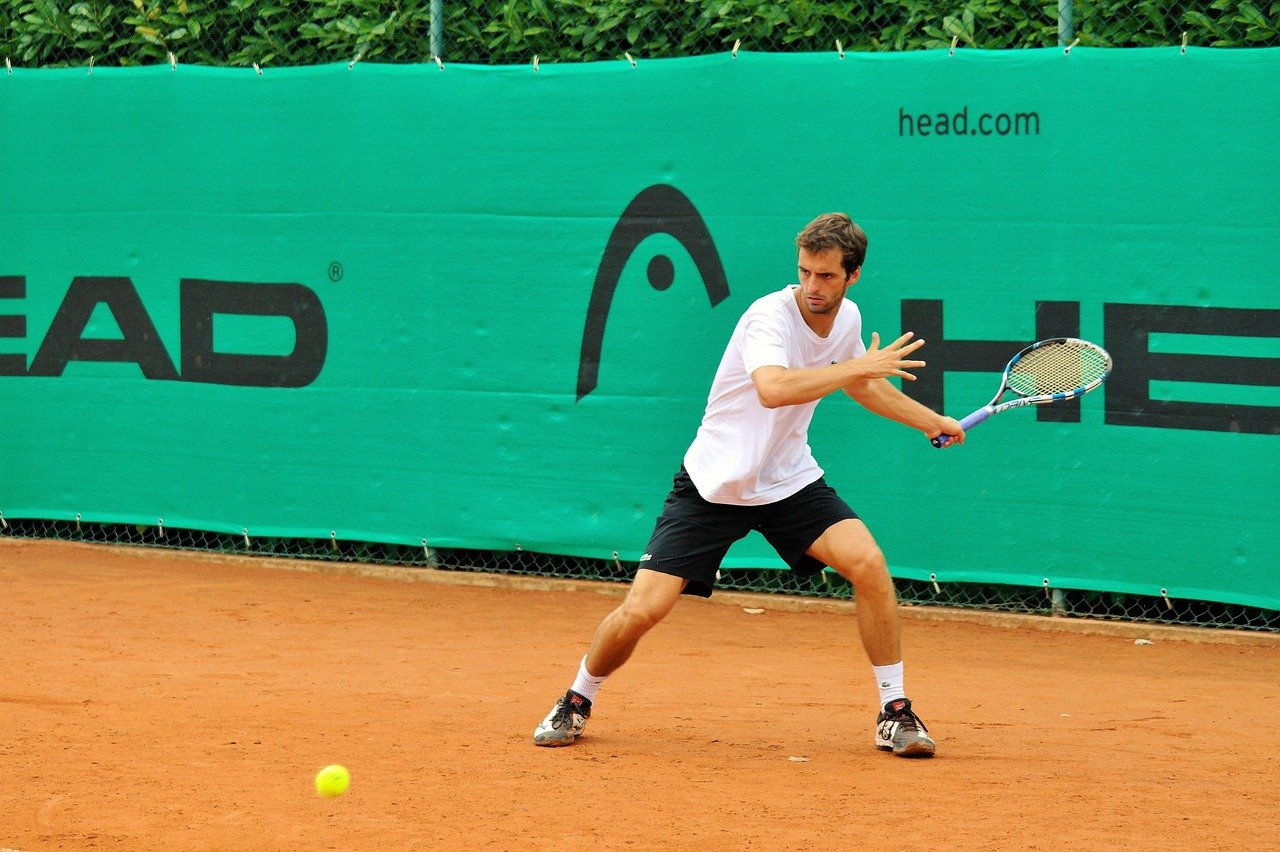
    Two-time winner Alcaraz out of Wimbledon with injury


    Heartbreak at Wimbledon: Two-Time Champion Carlos Alcaraz Forced Out With Wrist Injury Before Title Defence

    In a devastating blow to tennis fans around the world, Carlos Alcaraz — the reigning two-time Wimbledon champion — has been forced to withdraw from this year’s tournament due to a wrist injury. The news sent shockwaves through the tennis community, as fans had been eagerly anticipating another electrifying run from the young Spanish superstar on the grass courts of the All England Club.

    Alcaraz, who won back-to-back Wimbledon titles in 2023 and 2024, was widely considered the overwhelming favourite to claim a historic third consecutive crown. His absence leaves a massive void in the draw and throws the entire men’s tournament wide open. This is without question one of the biggest stories to come out of Wimbledon in years — and it’s happening before a single ball has even been struck.

    What We Know About the Injury

    The injury in question is to Alcaraz’s wrist — a notoriously tricky area for tennis players, as the wrist is central to virtually every stroke in the game. While full medical details haven’t been extensively disclosed, the confirmation from his camp makes it clear that the injury is serious enough to rule him out of the entire tournament. This isn’t a precautionary withdrawal; this is a genuine setback.

    Wrist injuries can be particularly cruel for tennis players. Unlike muscle strains or minor fatigue issues, wrist problems often require extended rest and careful rehabilitation to avoid long-term damage. For a player like Alcaraz, who relies on explosive shot-making and aggressive topspin, playing through a wrist issue simply isn’t a viable option — and his team has clearly made the right call by protecting his long-term health.

    The timing is brutal. Wimbledon is arguably the most prestigious Grand Slam on the calendar, and Alcaraz had been in sensational form leading into the grass court season. The prospect of watching him go for three in a row had generated enormous excitement among tennis enthusiasts worldwide.

    A Star Taken Too Soon From the Stage He Owned

    Let’s put this into context: Carlos Alcaraz is 22 years old, and he has already won two Wimbledon titles. The last time he walked onto Centre Court, he was the king of the castle — a breathtaking talent who made the sport look effortless. His 2024 final victory was a masterclass in grass court tennis, and his 2023 triumph was one of the most thrilling matches the tournament had seen in years.

    Alcaraz isn’t just a champion — he’s a phenomenon. He plays with a joy and intensity that is infectious, and his battles with Novak Djokovic have already produced some of the most memorable moments in modern tennis history. Wimbledon without Alcaraz defending his title feels genuinely incomplete, like a blockbuster movie missing its lead actor.

    For fans who had already booked tickets, planned watch parties, or simply cleared their schedules to see him play, this news is a real gut punch. The man who had turned Centre Court into his personal playground will be watching from the sidelines this time around.

    Who Benefits From Alcaraz’s Withdrawal?

    With Alcaraz out, the door swings wide open for a host of contenders who would have otherwise faced the daunting task of beating the defending champion. Novak Djokovic, always lurking and always dangerous, will fancy his chances of adding yet another Wimbledon title to his already staggering collection. The Serbian legend has won the tournament seven times, and on a good day, on grass, he remains one of the most formidable players on the planet.

    Jannik Sinner, the current world number one, will also be eyeing this as a golden opportunity. The Italian has been in incredible form across the tour and will be hungry to claim his first Wimbledon crown. With Alcaraz removed from the equation, Sinner’s path to the title becomes significantly clearer — though nothing in tennis is ever straightforward.

    Dark horses like Daniil Medvedev, Taylor Fritz, and a resurgent Tommy Paul could also make serious noise in the draw. Wimbledon has a wonderful history of producing unexpected champions, and this year’s open field could result in one of the most unpredictable tournaments in recent memory. For neutral fans, there’s actually a fascinating story unfolding here — even if it’s one born from misfortune.

    The Bigger Picture for Alcaraz’s Season

    This withdrawal also raises questions about Alcaraz’s broader 2025 season. Missing Wimbledon means he’ll drop the ranking points he accumulated from his 2024 title defence — a significant blow in the race to finish the year as world number one. The ATP rankings are brutally unforgiving, and absent a Grand Slam defence, the numbers simply don’t work in your favour.

    However, it’s important not to catastrophise. Alcaraz is 22 years old. He has time — enormous amounts of it. The priority right now must be full recovery, ensuring the wrist heals properly so that he returns to the court as dangerous and explosive as ever. A rushed comeback that leads to a chronic injury would be far more damaging to his career than missing one tournament, no matter how prestigious.

    His team will be working hard to ensure he’s back on court as quickly and safely as possible. The US Open later in the year will no doubt be circled as a target, and given his quality, there’s every reason to believe he’ll return to peak form before the season is out.

    Wimbledon Loses One of Its Biggest Draws

    From a tournament perspective, the All England Club will feel Alcaraz’s absence keenly. He has become one of the faces of modern Wimbledon — a player whose matches attract massive television audiences, sell out Centre Court faster than almost anyone else, and generate the kind of social media buzz that keeps the sport relevant to younger generations.

    Wimbledon organisers and broadcasters will be hoping the remaining field can fill the void. And while the quality of players remaining in the draw is undeniably high, there’s simply no replacing the spectacle that Alcaraz brings. His combination of speed, power, creativity, and charisma is unique in the current game.

    The tournament will go on, of course, and it will produce great tennis and great moments — it always does. But there will be a nagging sense of “what if” hanging over the fortnight, a feeling that we were robbed of the chance to see something truly special.

    Fans React With Shock and Support

    Social media has been flooded with messages of support for Alcaraz since the news broke. Fans from across the globe — from Spain to the United States, from Australia to the United Kingdom — have been expressing their disappointment while also wishing the young champion a speedy recovery. The outpouring of affection speaks to just how beloved he has become in such a short time.

    Fellow players have also been quick to send their well wishes. The tennis community is a tight-knit one, and seeing a player of Alcaraz’s calibre sidelined through injury is something that resonates deeply with everyone in the sport. Injuries are the great leveller in professional tennis, and no one is immune — not even the reigning Wimbledon champion.

    The hope now is that Alcaraz uses this time wisely, that the recovery goes smoothly, and that when he does return to the grass courts of SW19 next summer, he’s even hungrier and more determined than ever before. Because if there’s one thing we know about Carlos Alcaraz, it’s that he bounces back.

    The Road Ahead

    For now, all eyes will shift to the remaining contenders as Wimbledon 2025 gets underway. The draw has been blown wide open, and the tournament promises to be a fascinating and unpredictable affair. But somewhere in the back of every tennis fan’s mind, there will be a thought for the young man from El Palmar who won’t be out there defending his crown.

    Carlos Alcaraz will be back. Of that, there is absolutely no doubt. But for now, Wimbledon will have to make do without its champion — and that is a genuinely sad state of affairs for the sport.

    What do you think? Is Wimbledon 2025 less exciting without Alcaraz defending his title? Who do you think will step up and claim the crown in his absence? Let us know your thoughts in the comments below!

    This article is for informational purposes only.


  • Clarke to name Scotland World Cup squad – the key questions

    Clarke to name Scotland World Cup squad – the key questions

    Scotland’s World Cup Squad Reveal: Who Makes the Cut, Who Gets Dropped, and the Bolters Steve Clarke Can’t Ignore

    The moment Scottish football fans have been waiting for is almost here. Steve Clarke is set to announce his Scotland squad for the World Cup on Tuesday, and the anticipation is absolutely electric. After years of heartbreak and near-misses, Scotland are back on the global stage — and Clarke has some seriously tough decisions to make.

    While the core of the squad is largely settled — Clarke has built a reliable group over his tenure — there are a handful of spots up for grabs that could spark real debate. Whether you’re a die-hard Tartan Army member or a neutral football fan, this announcement is going to be worth watching closely.

    The Settled Core: Clarke’s Trusted Backbone

    Let’s start with what we know. Steve Clarke has leaned on a reliable group of players throughout qualification, and the majority of them are nailed on to be in that squad. Names like Andrew Robertson, the tireless Liverpool left-back and captain, are automatic selections. His leadership on and off the pitch is irreplaceable.

    Scott McTominay has been arguably Scotland’s most important player in recent years, and his form at Napoli — where he’s been nothing short of sensational — means he goes into the squad without question. The Manchester United-turned-Serie A star has become the heartbeat of this Scottish midfield, and Clarke will be building his World Cup game plan around him.

    In goal, Angus Gunn has cemented his place as the number one, while defenders like Grant Hanley and Kieran Tierney — when fit — give Clarke experience and quality at the back. Up front, Che Adams and Lyndon Dykes have been the go-to strikers, though their form will be scrutinised heading into the tournament.

    The Big Fitness Question Marks

    One of the most pressing issues Clarke faces is fitness. Kieran Tierney has had a frustrating relationship with injury throughout his career, and the question of whether he’ll make the final cut — and in what condition — is one that fans are nervously watching. When fit, Tierney is world-class. The problem is that “when fit” caveat has haunted Scotland for years.

    Similarly, there are concerns about the fitness and form of a few fringe players who might otherwise have pushed for inclusion. Clarke has always valued availability and reliability over potential, so any player carrying even a slight knock will be sweating on their place.

    It’s also worth noting that Clarke has to balance experience with freshness. Taking a player to a World Cup who isn’t at full fitness would be a gamble — and this is a manager who doesn’t typically gamble unless he absolutely has to.

    The Bolters: Who Could Sneak Into the Squad?

    This is where things get really interesting. A “bolter” in football terms is a player who wasn’t originally expected to make the squad but has done enough to force the manager’s hand. And Clarke has a few genuine candidates to consider this time around.

    Young players who have been impressing at club level in Scotland and across Europe are knocking on the door. The Scottish Premiership has produced some genuinely exciting talent in recent seasons, and Clarke has shown he’s not afraid to call up players based on consistent domestic form rather than just their club’s prestige.

    There’s also the question of positional cover. Clarke needs to ensure he has adequate depth in every area of the pitch. A World Cup squad isn’t just about your best eleven — it’s about having the right backup options if injuries strike during the tournament. This is where some unexpected names could get their chance to shine on the biggest stage.

    The Midfield Dilemma

    Scotland’s midfield has been one of the most debated areas heading into this squad announcement. With McTominay as the focal point, who partners him? Billy Gilmour has been a consistent performer and brings technical quality, while Ryan Jack and Callum McGregor offer different skill sets — defensive solidity versus creative vision.

    Clarke might also be tempted to look at some of the younger midfielders who have been catching the eye. The depth in Scottish midfield is actually better than many people give credit for, and this could be one of the most competitive areas of the squad selection.

    The manager will have to think carefully about balance. Does he want two holding midfielders and one creator? Or does he go with a more attack-minded setup that could leave them exposed at the back? These are the kind of tactical questions that will shape not just the squad, but Scotland’s entire approach at the World Cup.

    The Striking Situation

    Up front, Scotland have always had a slight issue with finding a consistent, world-class striker. Che Adams has been reliable but not spectacular, while Lyndon Dykes offers physicality and aerial presence. Lawrence Shankland has been in exceptional form domestically and will be pushing hard for a place — possibly even a starting role.

    The question is whether Clarke trusts Shankland’s form at Hearts to translate to the World Cup stage. It’s a big leap, but international football has seen many domestic standouts make seamless transitions when given the opportunity. Shankland’s goal record for Scotland is impressive, and ignoring him would be a brave decision.

    There’s also the possibility of Clarke using a more fluid attacking system where the “striker” role is shared between multiple players. McTominay has proven he can score crucial goals, and Scotland have options in wide areas that could contribute significantly to the goal tally.

    Wide Players and Wingers: The Competition is Real

    Scotland’s wide positions have become genuinely competitive. Ryan Christie and Stuart Armstrong have been reliable options, but there are younger players pushing them hard. The ability to stretch defences and provide width is crucial at a World Cup, where spaces can be hard to find against organised opposition.

    Clarke will also be weighing up versatility. Players who can operate in multiple positions give a manager flexibility during a tournament, and this could be the deciding factor for a few players on the fringes of the squad. A winger who can also play as a wing-back, for example, becomes doubly valuable in a 26-man squad.

    What This World Cup Means for Scotland

    Let’s not lose sight of the bigger picture here. Scotland qualifying for a World Cup is still a genuinely big deal. The Tartan Army is one of the most beloved fan groups in world football — known for their passion, their humour, and their extraordinary ability to enjoy themselves regardless of results. Seeing them back on the global stage is something the entire football world has been looking forward to.

    For the players, this is a chance to write their names into Scottish football history. A strong performance at the World Cup could define careers and inspire the next generation of Scottish footballers. The pressure is real, but so is the opportunity.

    Clarke has done a remarkable job of rebuilding Scottish football’s confidence and identity since taking over. His squad selection on Tuesday will be the culmination of years of work — and it’s going to be fascinating to see who he trusts to represent the nation on the world’s biggest stage.

    When and How to Follow the Announcement

    Steve Clarke is expected to name his squad on Tuesday, with the announcement likely to be covered live across BBC Sport Scotland and various other major sports outlets. Social media will be buzzing from the moment the news breaks, with fans debating every single inclusion and omission in real time.

    If you want to follow the reaction as it happens, keep an eye on the official Scottish FA social media channels as well as the major football news platforms. The Tartan Army forums and fan communities are also going to be absolutely on fire — for better or worse, depending on who makes the cut.

    One thing is certain: this is a squad announcement that matters. Scotland are going to a World Cup, and every single name on that list carries the weight of a nation’s hopes and dreams.

    Final Thoughts

    Steve Clarke has earned the trust of Scottish football fans through consistency, pragmatism, and a genuine ability to get the best out of his players. His squad selection on Tuesday will reflect all of those qualities — a blend of experience, form, and tactical thinking that has become his trademark.

    Whether your favourite player makes the cut or gets the dreaded phone call telling them they’re not in the squad, Tuesday is going to be a day Scottish football fans will remember. The World Cup adventure is about to begin in earnest.

    Get ready, Scotland. The world is watching.

    What do you think? Who should Steve Clarke pick for Scotland’s World Cup squad — and is there anyone you think deserves a bolter spot that might get overlooked? Let us know in the comments!

    This article is for informational purposes only.

  • Clarke to name Scotland World Cup squad – the key questions

    Clarke to name Scotland World Cup squad – the key questions


    Scotland’s World Cup Squad Announcement: The Bolters, Surprises and Big Decisions Steve Clarke Must Make

    It’s that time again — Steve Clarke is set to name his Scotland squad for the World Cup qualifiers on Tuesday, and the football world is buzzing with anticipation. The head coach has built a largely settled group over the years, but with every squad announcement comes drama, debate, and the inevitable question: who’s going to sneak in and steal a spot?

    Scotland have been on quite the journey in recent years, returning to major tournaments after decades in the wilderness. Now, with World Cup qualification firmly in their sights, Clarke faces some genuinely tough calls — and the nation is watching every move with bated breath.

    The Core Group: Clarke’s Trusted Regulars

    Let’s start with the obvious — there are players who will almost certainly be on that plane no matter what. Andrew Robertson remains the heartbeat of this Scotland side, the captain and left-back who sets the tone with his relentless energy and leadership. When Robertson is fit and firing, Scotland are a different beast entirely.

    Scott McTominay has been absolutely sensational for Napoli in Serie A, and his form makes him one of the first names on Clarke’s teamsheet. The Manchester United-turned-Napoli midfielder has elevated his game to another level in Italy, and Scotland fans will be desperate to see that translate onto the international stage during this crucial qualification period.

    Kieran Tierney, when fit, is another automatic pick — though fitness has been a persistent concern throughout his career. If he’s in good shape, Clarke will want him involved. Then there’s John McGinn, the Aston Villa dynamo who brings creativity and work rate in equal measure. These are the pillars Clarke builds everything around.

    The Goalkeeping Situation: Who Starts Between the Sticks?

    One of the more intriguing subplots heading into this squad announcement is the goalkeeping picture. Angus Gunn has been the number one for a while now, but competition for that position is never far away. Clarke takes goalkeeping selections seriously, and the depth he chooses to bring into camp will tell us a lot about his thinking.

    Craig Gordon, despite his age, still brings experience and quality that’s hard to ignore. The Heart of Midlothian keeper has seen it all and remains a valuable presence in any squad. Whether he features as first choice or a reliable backup option, his inclusion would come as no surprise to anyone who follows Scottish football closely.

    The question of who starts in goal could have significant implications for Scotland’s results. These are high-stakes qualifiers, and having a goalkeeper who is in peak form and confidence could be the difference between picking up crucial points and going home disappointed.

    The Attacking Options: Goals Are Everything

    Scotland’s biggest challenge over the years has been finding consistent goals at international level. Lyndon Dykes has often led the line with great commitment but mixed results, while Che Adams brings a different kind of threat — clever movement, technical quality, and the ability to link play beautifully.

    But here’s where it gets really interesting. There are players in the Scottish Premier League and across Europe who have been putting up numbers that are simply impossible to ignore. Any manager worth his salt will be keeping tabs on domestic form, and Clarke is no exception. The door is always open for a player who is genuinely on fire.

    Ryan Christie brings creativity from deeper positions and can unlock defenses with a moment of magic. His ability to play in multiple roles across the front line gives Clarke flexibility that’s incredibly valuable in a World Cup qualification campaign where you might need to change the game from the bench.

    Potential Bolters: Who Could Sneak Into the Squad?

    This is the section every Scotland fan has been waiting for. The “bolters” — those players who aren’t guaranteed a spot but have done enough through club form to force Clarke’s hand. These are the selections that generate the most debate, the most excitement, and sometimes the most controversy.

    Players in red-hot form at club level always have a case to be made. Scottish football has seen some genuinely impressive performances across the Premiership this season, and Clarke has shown in the past that he’s willing to reward domestic form when it’s truly exceptional. A striker who’s been banging in goals week after week is hard to leave out, regardless of the level.

    There’s also the question of young talent breaking through. Scotland has been nurturing a new generation of players who are starting to make their mark at club level, both domestically and in English football. The World Cup cycle is the perfect time to begin integrating these players into the squad, giving them experience and building depth for the future.

    The Formation Question: How Will Clarke Set Scotland Up?

    Steve Clarke has shown tactical flexibility throughout his tenure, but his preferred shape tends to be a compact, organized structure that makes Scotland difficult to beat. The squad he selects will give us clues about whether he’s planning to be more adventurous in attack or stick with the defensive solidity that has served him so well.

    If Clarke goes with a more attacking-minded squad, expect to see wider options and creative midfielders given the nod. If he prioritizes defensive organization, then the experienced heads who know their roles inside out will likely get the call. The truth is probably somewhere in the middle — Clarke is pragmatic enough to want both qualities.

    The midfield balance is crucial. Scotland need players who can protect the back line while also contributing to attacks. McGinn and McTominay can do both, but who else gets into that midfield mix? The answers Clarke gives on Tuesday will be fascinating.

    What’s at Stake: The Bigger Picture

    Let’s not forget why this all matters so much. Scotland qualifying for the 2026 World Cup — which will be hosted across the United States, Canada, and Mexico — would be a massive moment for Scottish football. After years of heartbreak and near-misses, the current generation has shown they belong on the big stage.

    The expanded 48-team format for the 2026 tournament theoretically gives more nations a shot at qualification, but the competition within UEFA remains fierce. Scotland will need to be at their very best across the entire qualification campaign, and that starts with getting the squad selection right.

    Clarke has earned enormous respect from Scottish fans for restoring belief in the national team. Whatever decisions he makes on Tuesday, you can be sure they’ll be backed by careful thought and genuine conviction. This is a manager who knows his players inside out and has a clear vision for how Scotland should play.

    Fan Reactions: The Nation Will Have Its Say

    One thing you can guarantee is that the moment the squad is announced, Scottish football Twitter, podcasts, radio phone-ins, and pub conversations will immediately explode with opinions. Every inclusion will be celebrated by some and questioned by others. Every omission will spark outrage from supporters of the left-out player.

    That’s the beauty of international football — it belongs to everyone. Every fan has an opinion, every fan has a player they think deserves a chance, and every fan will be watching those qualification matches with the same desperate hope that Scotland can make history and book their place in North America for the greatest show on earth.

    The squad announcement is just the beginning. What follows will be weeks of training, tactical preparation, and ultimately the matches themselves — where all the debate gets settled on the pitch. Scotland have the talent, the belief, and the manager. Now it’s time to deliver.

    Final Thoughts

    Tuesday’s squad announcement is more than just a list of names — it’s a statement of intent. Steve Clarke will be telling the world exactly what he believes Scotland are capable of, and which players he trusts to carry that responsibility. Whether you’re a die-hard Tartan Army member or a neutral observer, this is a genuinely exciting moment for Scottish football.

    The World Cup dream is alive, the players are ready, and the nation is watching. Let’s see who makes the cut.

    What do you think? Who should Steve Clarke include in Scotland’s World Cup squad — and is there a bolter you think deserves a chance? Let us know in the comments below!

    This article is for informational purposes only.


  • Why Rai winning his first major in Rocky’s backyard feels fitting

    Why Rai winning his first major in Rocky’s backyard feels fitting


    Aaron Rai’s Stunning US PGA Championship Win in Rocky’s Backyard: Why This Moment Feels Absolutely Meant to Be

    Golf has a way of writing stories that no screenwriter could dream up — and England’s Aaron Rai just delivered one of the most emotionally charged, jaw-dropping chapters the sport has seen in years. Winning the US PGA Championship is a career-defining moment for any golfer. But for Rai, doing it in this particular place, at this particular time, carries a weight that goes far beyond the trophy and the prize money.

    The atmosphere was electric, the pressure was immense, and the significance of the location made it all feel like destiny. This wasn’t just a major win. This was a statement. Aaron Rai has arrived at the very summit of world golf, and he did it in style.

    Who Is Aaron Rai? The Quiet Englishman Who Just Shook the Golf World

    If you’re not deeply embedded in the golf world, you might be asking yourself: who exactly is Aaron Rai? And that’s precisely what makes this story so compelling. Rai isn’t a household name like Rory McIlroy or Jon Rahm. He’s been a consistent, quietly impressive presence on the European Tour and the PGA Tour, building his game brick by brick without the fanfare that surrounds some of his peers.

    Born in Wolverhampton, England, Rai turned professional in 2015 and has steadily climbed the rankings through sheer determination and technical excellence. He’s known for his meticulous approach to the game, his ability to manage a course intelligently, and a mental fortitude that doesn’t always get the credit it deserves. Before this win, many golf fans knew he was good — but now the entire world knows he’s great.

    His journey to this point has been anything but a straight line. There were missed cuts, near-misses, and plenty of moments where lesser players might have questioned whether the top tier of the game was truly within reach. Rai kept going. And in the most dramatic fashion possible, all of that perseverance paid off in one glorious, unforgettable week.

    Rocky’s Backyard: Why the Location Makes This Win Extra Special

    Here’s where the story takes on an almost cinematic quality. The reference to “Rocky’s backyard” isn’t just a colourful turn of phrase — it’s deeply meaningful context for understanding why this particular venue carries such cultural weight. The Philadelphia region, steeped in the legacy of the iconic Rocky Balboa film franchise, is a place that celebrates underdogs, hard work, and the kind of grit that doesn’t make headlines until the very last moment.

    Rocky Balboa — the fictional South Philly boxer immortalised by Sylvester Stallone — became a global symbol of the working-class fighter who refuses to quit. The steps of the Philadelphia Museum of Art, where Rocky famously trained, are just a stone’s throw from the spirit of this entire region. And when you consider Aaron Rai’s story — the quietly determined Englishman who never gave up on his dream — the parallels are almost too perfect.

    Winning a major in this environment, surrounded by passionate American fans, in a city that breathes the underdog story, gives Rai’s victory an extra layer of meaning that will resonate for years. It’s the kind of narrative that golf — and sport in general — lives for. The right person, the right place, the right moment.

    How Did Rai Actually Win? Breaking Down a Championship Performance

    Great stories need great performances to back them up, and Rai delivered exactly that across the week. His ball-striking was consistently impressive, his short game held firm under pressure, and crucially, his decision-making on the course was exactly what you’d expect from a player who has spent years learning how to compete at the highest level.

    Major championships have a way of exposing weaknesses, and the US PGA Championship is particularly demanding in that regard. The course setup is typically brutal, the fields are stacked with the world’s best players, and the pressure of knowing that a major title could change your life forever is something that derails even experienced professionals. Rai handled all of it with a composure that was genuinely remarkable to watch.

    As the tournament entered its final stages, Rai found himself in contention and refused to wilt. There were moments of brilliance — shots that drew gasps from the crowd — and moments of steady, reliable golf that kept him in the hunt when others were falling away. When the dust settled and the final scores were counted, England had its newest major champion.

    What This Means for English Golf and European Golf More Broadly

    English golf has a proud major championship tradition, and Rai’s win adds a spectacular new chapter to that story. From Nick Faldo’s dominance in the late 1980s and early 1990s to more recent successes, England has consistently produced players capable of competing at the very highest level. Rai now joins that elite company.

    For European golf more broadly, this is another reminder that the continent continues to produce world-class talent capable of winning the sport’s most prestigious events. The Ryder Cup dynamic, the ongoing rivalry between European and American golf — all of it gets a fresh injection of energy every time a European player claims a major title on American soil.

    There will be enormous pride back home in England. From Wolverhampton to London, from golf clubs to living rooms, fans will be celebrating a win that felt both surprising and, somehow, inevitable. Rai has been building toward this. Those who have followed his career closely will tell you they always believed he had a major in him. Now it’s confirmed.

    The Reaction: Golf World Responds to a Stunning Champion

    Social media, as you’d expect, erupted the moment Rai’s victory was confirmed. Tributes poured in from fellow professionals, golf commentators, and fans around the world. There’s something about an underdog story — a player who hasn’t always been in the spotlight claiming the game’s biggest prize — that resonates deeply with people regardless of whether they follow golf closely.

    Former champions and current Tour stars were quick to acknowledge the achievement. In a sport where rivalries can be fierce, there was a genuine warmth to the congratulations directed at Rai. He’s well-liked in the locker room, respected for his work ethic and his attitude, and that goodwill was clearly on display in the immediate aftermath of his win.

    The wider sporting world took notice too. Major championship victories have a way of cutting through the noise and reaching audiences who don’t typically follow golf. Aaron Rai’s name was trending across multiple platforms, his story was being shared widely, and a whole new generation of fans was discovering who he is and why this moment matters.

    What Comes Next for Aaron Rai?

    Winning a major changes everything. The invitations multiply, the sponsorship opportunities expand, the expectations shift, and suddenly you’re no longer the hunter — you’re the hunted. How players handle that transition says a lot about their character and their longevity at the top of the game.

    Given everything we know about Aaron Rai — his methodical approach, his mental strength, his refusal to be distracted by noise — there’s every reason to believe he’ll handle the new reality of being a major champion with the same quiet confidence that got him here. He’s not a player who gets caught up in hype. He does the work and lets the results speak.

    The remaining majors of the year, plus the Ryder Cup cycle and the World Golf Championships events, now take on new significance for Rai. He’s no longer a potential contender — he’s a proven champion, and that changes how rivals, fans, and tournament organisers view him. The golf world will be watching his every move, and if his trajectory so far is anything to go by, they’re in for some thrilling viewing.

    A Win That Will Be Remembered for a Very Long Time

    Some sporting victories are significant because of what they mean on paper — the ranking points, the prize money, the career statistics. And then there are victories that transcend all of that, victories that become part of the folklore of a sport because of the story they tell and the emotion they generate.

    Aaron Rai winning the US PGA Championship in Rocky’s backyard is firmly in the second category. It’s a story about perseverance, about talent meeting its moment, and about a sport that continues to surprise and delight even the most seasoned observers. The setting gave it poetry. The player gave it substance.

    Years from now, when people talk about the great underdog stories of golf’s modern era, this win will be right there at the top of the list. Aaron Rai climbed the steps, raised his arms, and the crowd roared. Rocky would have approved.

    What do you think? Did you expect Aaron Rai to win a major, and do you think this is just the beginning of a golden era for him? Drop your thoughts in the comments below — we’d love to hear from golf fans around the world!

    This article is for informational purposes only.


  • Aaron Rai’s journey from talented child golfer to history-making PGA champion

    Aaron Rai’s journey from talented child golfer to history-making PGA champion


    From Childhood Prodigy to PGA Champion: The Incredible Rise of Aaron Rai That Nobody Saw Coming

    English golfer Aaron Rai has done something truly special — he has etched his name into the history books by claiming the US PGA Championship title, becoming one of the most unlikely and inspiring champions the sport has seen in years. It’s the kind of story that makes you stop scrolling and actually pay attention.

    Rai’s journey to the summit of world golf didn’t happen overnight. It’s been a long, winding road filled with quiet determination, relentless hard work, and the kind of belief in yourself that most people only dream about. And now, the world is finally taking notice.

    A Star in the Making — Aaron Rai’s Early Years

    Born in Wolverhampton, England, Aaron Rai showed an extraordinary talent for golf from a very young age. While other kids were kicking footballs around the park, young Aaron was out on the course, perfecting his swing and developing the kind of technical precision that would eventually carry him to the very top of the sport.

    His family recognised his gift early and supported him every step of the way. Rai was a standout junior golfer in England, winning multiple titles and earning a reputation as one of the most technically gifted young players in the country. Those who watched him as a child always knew he had something special — it was just a matter of when, not if, he would make it big.

    He went on to have a successful amateur career before turning professional, building his game methodically and with a level of patience that is rare in today’s fast-paced sporting world. Aaron Rai was never in a rush. He trusted the process, and that process has now delivered the ultimate reward.

    The Long Road Through the Professional Ranks

    Rai’s professional career took him through the European Tour — now known as the DP World Tour — where he quietly racked up wins and built a reputation as a consistent, reliable performer. He wasn’t always the flashiest name on the leaderboard, but he was always there, grinding it out and improving with every tournament.

    His breakthrough on the PGA Tour in the United States came when he won the Sanderson Farms Championship in 2022, a victory that announced him as a genuine force on the biggest stage in professional golf. That win was a glimpse of what was to come — a calm, composed performance under pressure that showed the world Aaron Rai could compete with the very best.

    What makes Rai’s game so compelling is his incredible accuracy. He is consistently one of the most precise ball-strikers on tour, hitting fairways and greens with a level of consistency that drives his competitors absolutely mad. His swing is a thing of beauty — smooth, controlled, and devastatingly effective. Golf analysts have long admired his technical ability, and now the major championship trophy proves the numbers don’t lie.

    Making History for English Golf

    Aaron Rai’s PGA Championship victory is not just a personal triumph — it is a landmark moment for English golf. England has produced some fantastic golfers over the years, but major championship winners are always a special breed, and Rai has now joined that elite company in the most emphatic fashion.

    The significance of winning a major cannot be overstated. These are the tournaments that define careers, that separate the very good from the truly great. The PGA Championship is one of golf’s four majors alongside The Masters, The Open Championship, and the US Open. To win one of these events is to secure your place in the sport’s history forever.

    For English fans watching back home, this was the moment they had been waiting for — a homegrown talent rising to the absolute pinnacle of the sport on the world’s biggest stage. The celebrations were immediate and deserved. Aaron Rai had delivered something genuinely historic.

    The Mental Strength Behind the Champion

    What separates major champions from the rest of the field is rarely just physical talent. Almost every professional golfer on tour has extraordinary skill. What separates the champions is what happens between the ears — the mental toughness, the composure, and the ability to perform when the pressure is at its most intense.

    Rai has always been known for his calm demeanor on the course. He doesn’t get rattled easily. He doesn’t throw clubs or show frustration. He simply goes about his business with a quiet confidence that can be almost unnerving for his playing partners. It’s a psychological strength that has been building throughout his career, and it was absolutely on full display during his PGA Championship victory.

    Down the stretch of a major, when every shot feels like it carries the weight of the world, Rai kept his cool. He made the putts he needed to make, avoided the big mistakes, and trusted the game he has been building since he was a child swinging a club in Wolverhampton. That’s the stuff of champions, and now everyone knows it.

    What This Means for British and European Golf

    Aaron Rai’s victory arrives at an exciting time for golf on both sides of the Atlantic. The sport has been going through a period of significant change, with new tours, new formats, and fierce debate about the future of the game. Amid all that noise, a traditional major championship win by a talented English golfer is a reminder of what golf is really all about.

    For British and European golf fans, this is a massive boost. The Ryder Cup is always a source of enormous pride for European golf, and having a PGA Champion in the ranks adds serious firepower and prestige. Rai’s victory will inspire a new generation of young British golfers to pick up a club and dream big — just as he once did.

    It also sends a clear message to the rest of the golfing world: talent doesn’t only come from one place. The global nature of the sport means that champions can emerge from anywhere, and England has just produced one of the finest major champions of recent years.

    A Moment to Savour — and a Future Full of Promise

    Winning a major at any age is an achievement that deserves to be celebrated loudly and for a long time. But what makes Aaron Rai’s story even more exciting is that this feels like the beginning, not the end. He is a golfer in his prime, playing the best golf of his life, with the confidence that only a major championship win can bring.

    The world rankings, the sponsorship deals, the invitations to the most prestigious tournaments on the planet — all of that changes the moment you win a major. Doors that were previously closed swing wide open. The expectations rise, but so does the belief. And Aaron Rai, based on everything we’ve seen throughout his career, is exactly the kind of player who thrives when the stakes are highest.

    His story is also a beautiful reminder that not every great sporting journey is loud and flashy. Some of the best champions are the ones who work quietly, improve consistently, and wait patiently for their moment. Aaron Rai waited. He worked. And when his moment came on the grandest stage in golf, he grabbed it with both hands and didn’t let go.

    The Golfing World Reacts

    Reaction to Rai’s victory has been overwhelmingly positive across the golf world. Fellow professionals, commentators, and fans have been quick to praise not just the win, but the manner in which it was achieved. A composed, clinical performance at a major championship is always respected, and Rai delivered exactly that.

    Social media lit up with tributes from across the sporting world, with many highlighting his incredible journey from junior golf prodigy in England to PGA champion on the world stage. It’s the kind of story that resonates far beyond just golf fans — it’s a universal tale of talent, dedication, and the rewards that come from never giving up on your dream.

    Aaron Rai is now a major champion. And something tells us this is just the start of a truly special chapter in his career.

    What Do You Think?

    Are you a fan of Aaron Rai’s game, and do you think this PGA Championship victory is the first of many majors for the English star? We’d love to hear your thoughts — drop your opinion in the comments and let the debate begin!

    This article is for informational purposes only.

  • ‘It’s saved my life’ – why Rousey fight means everything to Carano

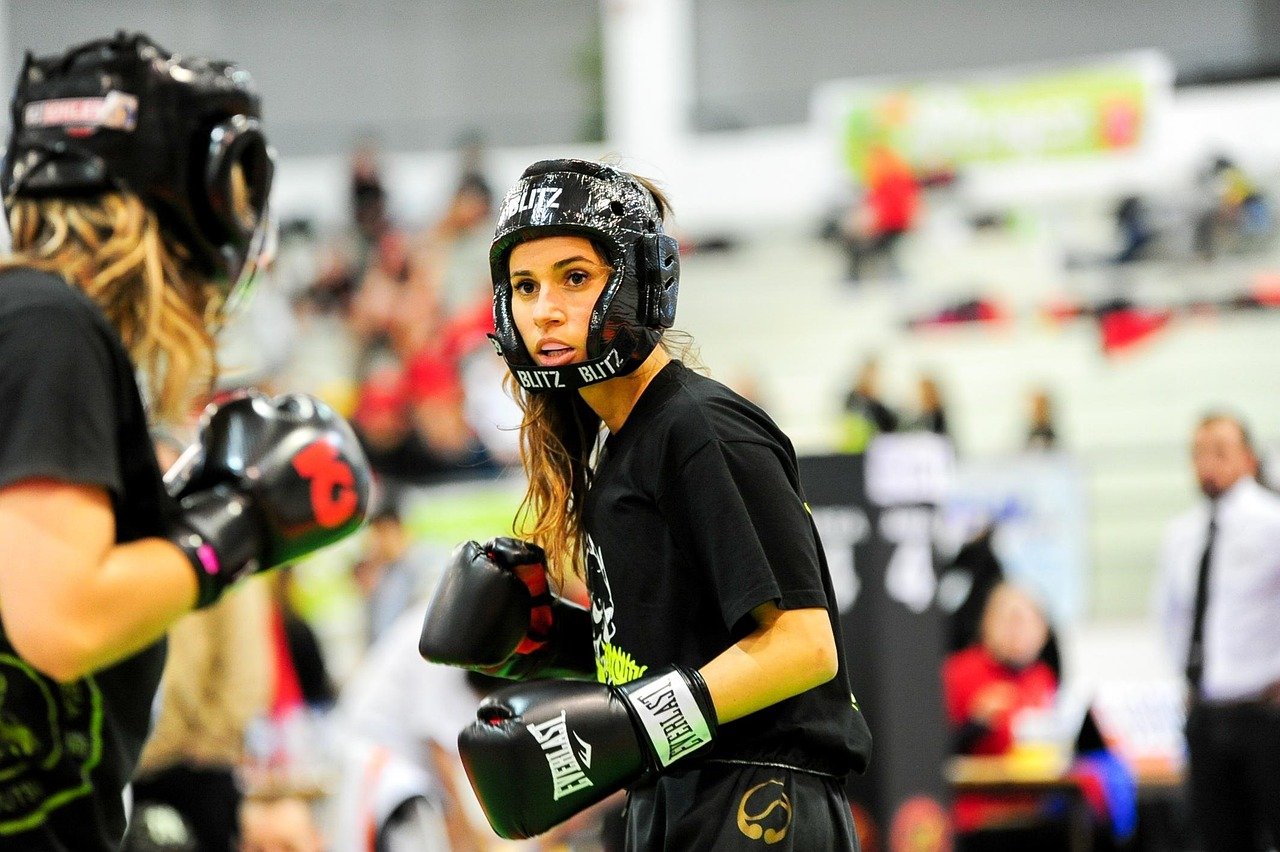
    ‘It’s saved my life’ – why Rousey fight means everything to Carano


    Gina Carano Says Her Fight Against Ronda Rousey “Saved My Life” — The Emotional Story Behind MMA’s Biggest Women’s Bout

    There are fights that make careers, and then there are fights that change lives. For Gina Carano, her featherweight showdown against Ronda Rousey is far more than just another bout in the cage — it’s a lifeline. In a raw and deeply personal admission, Carano has revealed that this fight has quite literally “saved her life” after enduring what she describes as some of the darkest and most gruelling years of her professional journey.

    When a fighter of Carano’s calibre speaks with that kind of emotional intensity about a match, you know there’s a story worth telling. And trust us — this one goes far deeper than anything you’ll see inside the octagon on Saturday night.

    The Weight of the Wilderness Years

    Before this fight was announced, Gina Carano had been going through what many in the MMA world quietly acknowledged as a rough patch. The kind of period that doesn’t always make headlines but takes a tremendous toll on an athlete’s mental and physical well-being. For someone who had once been considered the face of women’s mixed martial arts, stepping back into the spotlight wasn’t just a career move — it was a personal reckoning.

    Carano has been remarkably candid about the struggles she faced during those difficult years. Whether it was the pressure of maintaining her position at the top of the women’s MMA world, personal challenges off the mat, or the relentless scrutiny that comes with being a high-profile female fighter, the cumulative weight of it all clearly took its toll. Her honesty in speaking about it now is both refreshing and deeply human.

    What makes her story even more compelling is the fact that she didn’t quietly fade away. She fought back — literally and figuratively — and that resilience is what has brought her to this defining moment against one of the sport’s most dominant forces.

    Who Is Gina Carano? A Pioneer Who Paved the Way

    For those who might be newer to the world of MMA, Gina Carano isn’t just a fighter — she’s a trailblazer. Long before the UFC’s women’s division existed, before Ronda Rousey became a household name, it was Carano who was drawing massive crowds and mainstream attention to women’s combat sports. Her fights were events. Her presence was magnetic.

    Standing out in a sport that was still finding its footing in terms of female representation, Carano brought athleticism, charisma, and a fighting style that captivated audiences worldwide. She was, by many accounts, the original face of women’s MMA — the fighter who proved that women could headline cards and sell tickets just as effectively as their male counterparts.

    Her journey into acting and entertainment also brought her to a broader audience, but her heart has always remained in combat sports. Coming back to face Rousey is, in many ways, a full-circle moment — a return to the arena where she first made her name.

    Ronda Rousey: The Unstoppable Force She’s Walking Into

    Let’s be clear about who Gina Carano is stepping into the cage with. Ronda Rousey, at this stage of her career, is nothing short of a phenomenon. Her armbar submissions have become the stuff of legend. Her record speaks for itself. And her mental toughness is arguably just as formidable as her physical skills.

    Rousey has dismantled opponents in record time, often leaving fans barely enough time to settle into their seats before the fight is over. She is technically precise, physically explosive, and carries herself with a confidence that can be deeply unnerving for opponents even before the first bell rings. This is not a fight that anyone would enter lightly.

    And yet, Carano is walking in with a sense of purpose that goes beyond tactics and game plans. When a fighter says a bout has “saved their life,” they’re operating from a place of profound motivation — the kind that can’t be manufactured in a training camp or conjured up by a coach’s pep talk. That raw, emotional fuel is one of the most powerful forces in sport.

    What “Saved My Life” Really Means

    When Carano made her emotional statement about this fight saving her life, it’s important to understand what she’s communicating. This isn’t hyperbole for the sake of pre-fight hype. Athletes who have been through genuinely dark periods often describe the return to purpose — the return to doing what they love at the highest level — as transformative in a very real, psychological sense.

    Having a goal, a date circled on the calendar, a challenge that demands everything you have — these things give structure, meaning, and direction to a life that may have felt adrift. For Carano, the announcement of this fight appears to have rekindled something essential within her. It gave her a reason to push through the hard days, to get back in the gym, to eat right, to sleep right, to believe in herself again.

    That kind of narrative resonates far beyond the MMA community. It’s a human story about resilience, about finding your way back, about refusing to let the hardest chapters define you. And it’s one of the reasons this fight has captured so much attention and emotion ahead of Saturday’s event.

    The Build-Up: More Than Just a Fight

    The lead-up to this bout has been unlike most fight promotions. Yes, there’s the usual excitement around two elite athletes competing at the highest level. But the emotional undercurrent running through this one is palpable. Carano’s honesty has elevated the stakes beyond wins and losses, beyond records and rankings.

    Fans who have followed both fighters over the years understand they’re witnessing something genuinely significant. This is a matchup between two women who have both, in their own ways, shaped the landscape of women’s combat sports. The respect — even amid the competitive fire — is evident.

    Social media has been buzzing with reactions to Carano’s comments, with supporters from across the globe expressing admiration for her vulnerability and courage. In a sporting culture that often rewards stoicism, her willingness to be open about her struggles has struck a chord with fans, athletes, and commentators alike.

    What to Expect on Fight Night

    So what can we actually expect when these two step into the cage on Saturday? From a technical standpoint, this is a fascinating stylistic matchup. Rousey’s grappling and submission game is elite — her ability to take a fight to the ground and finish it there is well-documented. Carano, on the other hand, is a striker with genuine power and the kind of physical presence that can make even the most confident opponents think twice.

    If Carano can keep the fight standing and land her shots cleanly, she has the tools to make things very uncomfortable for Rousey. But if Rousey gets her clinch work going and manages to drag the fight to the mat, the submission threat becomes very real, very quickly. It’s the kind of matchup where the margin between winning and losing is razor-thin — and where momentum can shift in an instant.

    What’s certain is that both women will be bringing everything they have. For Rousey, this is about continuing her dominance and proving that she remains the gold standard of women’s MMA. For Carano, it’s about so much more — it’s about reclaiming her place, her purpose, and perhaps a piece of herself that she felt she had lost along the way.

    A Fight That Transcends Sport

    The greatest sporting moments are the ones that connect us to something deeper than the game itself. They remind us of human fragility and human strength. They show us what it looks like to fall and choose to get back up. They inspire not just fans of the sport, but anyone who has ever faced a difficult chapter in their own life.

    Gina Carano vs. Ronda Rousey is shaping up to be one of those moments. Win or lose on Saturday, Carano has already demonstrated something remarkable — the courage to be honest, the strength to come back, and the belief that the next chapter can be better than the last.

    That’s a story worth watching. That’s a fight worth caring about. And whatever happens inside that cage, the world will be watching.

    What Do You Think?

    Do you think Gina Carano’s emotional motivation will give her the edge against Ronda Rousey on Saturday, or is Rousey simply too dominant to be stopped? Drop your thoughts and predictions — we want to hear from you!

    This article is for informational purposes only.


  • Play-off final may be delayed by Spygate hearing

    Play-off final may be delayed by Spygate hearing


    Spygate Scandal Rocks Championship Play-Off Final: Could Southampton’s Big Day Be Postponed?

    Football drama doesn’t get much bigger than this. The EFL Championship play-off final — one of the most lucrative and exciting single matches in world football — is now under serious threat of being delayed after a bombshell Spygate investigation involving finalists Southampton has thrown the entire showpiece event into chaos.

    The clash, scheduled for Saturday 23 May at Wembley Stadium, could be pushed back as the English Football League launches a formal investigation into spying allegations surrounding the Saints. This is the kind of story that has football fans across the globe absolutely glued to their screens — and rightly so.

    What Is the Spygate Scandal All About?

    For those just catching up, the Spygate scandal refers to allegations that Southampton engaged in improper conduct related to spying on opponents — specifically gathering intelligence on rivals in ways that breach EFL rules and regulations. While the full details are still emerging, the severity of the allegations has been enough to prompt the EFL to fast-track a hearing before the play-off final takes place.

    This isn’t just a behind-closed-doors dispute. The EFL is actively considering whether to delay the Wembley showdown while the hearing concludes, which would send shockwaves through the entire football calendar. Imagine training for an entire season, fighting through the play-offs, and then having your biggest game postponed because of a controversy like this. The stakes couldn’t be higher.

    Southampton earned their place in the final after a dramatic play-off campaign, and their opponents are equally desperate to reach the Premier League. But now both clubs — and thousands of fans who’ve bought tickets and booked travel — are left in an agonising state of uncertainty.

    Why the EFL Is Taking This So Seriously

    The EFL doesn’t take rule breaches lightly, especially when they involve conduct that could have influenced results on the pitch. Spying on opponents — whether it involves training ground surveillance, intercepting tactical information, or other forms of intelligence gathering — strikes at the very heart of sporting integrity.

    If the allegations against Southampton are proven, the consequences could be severe. We’re talking potential points deductions, fines, or even disqualification — though at this stage, nothing has been determined. The hearing is meant to establish the facts before any punishment is handed down.

    What makes this situation particularly explosive is the timing. Scheduling a disciplinary hearing days before a Wembley final is virtually unprecedented in English football. It shows just how seriously the EFL views the allegations and how determined the governing body is to ensure the competition is played on a level field — literally and figuratively.

    The Impact on Fans, Clubs, and the Football Calendar

    Let’s not forget the human element here. Tens of thousands of supporters have already made arrangements for 23 May. Hotels are booked, trains are reserved, and replica shirts are pressed and ready. A postponement would be devastating for fans on both sides, many of whom have spent significant money to be at Wembley for what should be the greatest day of their footballing year.

    For the clubs themselves, the financial implications are staggering. The Championship play-off final is famously known as “the richest game in football,” with promotion to the Premier League worth an estimated £200 million or more when you factor in broadcast deals, prize money, and increased commercial revenue. Every day of delay adds to the tension and uncertainty around that life-changing prize.

    There’s also the question of player welfare and preparation. Both squads have been meticulously planning their approach to the final. Disruption to the schedule could affect training routines, tactical preparations, and the mental readiness of players who’ve been building toward this moment for months.

    Southampton’s Response and the Road Ahead

    Southampton have not yet made a detailed public statement addressing the full scope of the allegations, though the club is expected to cooperate fully with the EFL’s investigation. The Saints have had a turbulent few seasons, bouncing between the Premier League and the Championship, and this latest controversy is the last thing they needed heading into the biggest match of their campaign.

    Their opponents, meanwhile, find themselves in the unusual position of being largely spectators to a controversy that could determine whether the game they’ve worked so hard to reach even goes ahead on schedule. It’s an incredibly frustrating situation for a club that has done nothing wrong and simply wants to play football.

    The EFL is expected to move swiftly, with the hearing likely to conclude within days. The governing body is acutely aware of the logistical nightmare a postponement would cause and is clearly hoping to resolve the matter before 23 May — but they’ve also made clear that the integrity of the competition takes precedence over scheduling convenience.

    Spygate in Football — A Growing Concern

    This isn’t the first time football has been rocked by a spying scandal. The term “Spygate” gained widespread recognition in English football when Leeds United were found to have sent a member of staff to spy on Derby County’s training session ahead of a play-off clash back in 2019. That incident led to a formal investigation and a fine for Leeds, though the Whites were ultimately not disqualified from the competition.

    The current allegations involving Southampton appear to be of a similar nature, though the specific details are still being established through the EFL’s investigation process. What’s clear is that football authorities are becoming increasingly vigilant about protecting the sanctity of competitive preparation — and clubs are on notice that cutting corners will have consequences.

    In an era where tactical analysis, data science, and performance intelligence are central to modern football, the line between legitimate scouting and improper surveillance is increasingly important. The Southampton case may well set a significant precedent for how the EFL — and perhaps other leagues — handle similar situations in the future.

    What Happens If the Final Is Delayed?

    If the EFL determines that the hearing cannot be concluded before 23 May, the governing body would need to find an alternative date for the Wembley showdown. That’s an enormous logistical challenge. Wembley’s calendar is packed, broadcast schedules are set, and the end-of-season timeline is already tight with player contracts, international breaks, and pre-season preparations looming.

    A delay of even a week or two could have cascading effects across the football landscape. It would also add enormous psychological pressure to both sets of players, who would essentially have to maintain peak form and focus for an extended period while the situation is resolved off the pitch.

    The EFL will be doing everything in its power to avoid this outcome. But football fans have learned over the years that sometimes the game’s governing bodies have to make hard decisions — and this could be one of those moments.

    The Bigger Picture: Football’s Integrity Is Non-Negotiable

    Whatever happens in the coming days, this saga serves as a powerful reminder that sporting integrity cannot be compromised. The play-off final represents the culmination of an entire season’s worth of effort, sacrifice, and competition. If that competition has been tainted — even in part — by improper conduct, the authorities have an obligation to investigate and act accordingly.

    Fans deserve to know that the team they’re cheering for reached Wembley through merit alone. Players deserve to know that their opponents earned their place on the pitch fairly. And the clubs deserve the certainty that the rules apply equally to everyone.

    The coming days will be absolutely crucial. Watch this space — because the Spygate saga is far from over, and the fate of one of football’s most iconic matches hangs in the balance.

    What Do You Think?

    Should the EFL delay the Championship play-off final until the Spygate investigation is fully resolved, or should the game go ahead as planned on 23 May regardless? Drop your thoughts in the comments — we want to hear from football fans everywhere!

    This article is for informational purposes only.


  • An iron fist joining a broken team: Inside Mourinho’s Real return

    An iron fist joining a broken team: Inside Mourinho’s Real return


    Jose Mourinho Returns to Real Madrid: The Iron Fist Ready to Fix a Broken Giant

    It’s one of the most electrifying stories in world football right now — Jose Mourinho is reportedly heading back to Real Madrid, and the football world cannot stop talking about it. The Special One, returning to the club where he was once both celebrated and controversial, is set to take the reins of a team desperately searching for its identity.

    Spanish football expert Guillem Balague has weighed in on why this move makes sense — and why it could either be the salvation or the next great drama at the Santiago Bernabeu. If you thought football couldn’t get more theatrical, Mourinho just walked back into the building.

    A Reunion Nobody Saw Coming — Or Did They?

    Let’s be honest — when Mourinho was sacked by Real Madrid back in 2013, many assumed that chapter was permanently closed. The fallout was messy, the relationships fractured, and the man himself moved on to Chelsea, Manchester United, Tottenham, Roma, and Fenerbahce. But football has a funny way of bringing people back together.

    Real Madrid currently find themselves at a crossroads. After years of dominance under Carlo Ancelotti — who delivered Champions League titles and La Liga glory — the club is reportedly ready for a new direction. Whether it’s tactical stagnation, squad issues, or simply the relentless pressure of expectation at the Bernabeu, something had to give. And apparently, that something is bringing back one of the most polarizing managers in football history.

    Mourinho, now in his early 60s, hasn’t lost any of his fire. His time at Fenerbahce showed he still has the hunger, the tactical sharpness, and — let’s face it — the drama that makes him must-watch television for football fans worldwide.

    Why Mourinho? Why Now?

    Guillem Balague, one of the most respected voices on Spanish football, has explained the logic behind this decision in fascinating detail. According to Balague, Real Madrid president Florentino Perez has always had a complicated admiration for Mourinho. Despite everything that went wrong in their first stint together, Perez respects the Portuguese manager’s ability to create a winning culture — fast.

    Real Madrid don’t have time to rebuild slowly. They are expected to compete for La Liga and the Champions League every single season, no exceptions. When you need someone who can walk into a dressing room, demand respect immediately, and set clear tactical structures from day one, Mourinho’s name keeps coming up.

    There’s also the matter of squad management. Real Madrid’s current group includes a blend of aging veterans and exciting young talents who perhaps need a firmer hand. Mourinho is famous — or infamous — for creating an “us against the world” mentality that can galvanize a team quickly. Right now, that might be exactly what Real Madrid need.

    The First Mourinho Era: Brilliant, Chaotic, Unforgettable

    To understand what this second coming might look like, it’s worth revisiting what happened the first time around. Mourinho arrived at Real Madrid in 2010 with enormous fanfare. He was coming off back-to-back Champions League finals with Inter Milan, having just won the treble. The world thought he was unstoppable.

    And in many ways, he was. His Real Madrid side broke La Liga records, registering 100 points in a single season — a record that still stands. Players like Cristiano Ronaldo, Mesut Ozil, Xabi Alonso, and Karim Benzema flourished under his management. The football could be devastating, direct, and brutally effective.

    But it wasn’t all smooth sailing. Clashes with players, public spats with Guardiola’s Barcelona, and a famous altercation with his own goalkeeper Iker Casillas all added to the chaos. By the end, the dressing room was reportedly divided, and Mourinho left with his reputation at the club complicated at best.

    What’s Changed — And What Hasn’t

    Here’s the big question: Has Mourinho evolved as a manager, or is Real Madrid walking back into the same storm? The honest answer is — probably both. Mourinho has shown in recent years that he can adapt tactically. His work at Roma, where he won the UEFA Conference League, demonstrated he can build team spirit and achieve results even with limited resources.

    At Fenerbahce, he brought renewed energy to a club starved of success and once again showed his ability to make players believe in a project. The intensity, the press conferences, the mind games — they’re all still there. But there’s perhaps a slightly more measured version of Mourinho now, one who has learned from his mistakes.

    Real Madrid, meanwhile, is no longer the club of Ronaldo-era galacticos. The squad is different, the dynamics are different, and the football landscape has changed dramatically. Mourinho will need to adapt to a new generation of players who communicate differently, train differently, and expect to be managed differently.

    The Dressing Room Challenge

    This is where things get really interesting. Real Madrid’s current squad features generational talents like Vinicius Jr., Jude Bellingham, and Kylian Mbappe — players with enormous personalities, global brands, and very clear ideas about how they want to play football. Managing egos at this level is an art form, and Mourinho has always been both master and villain in that regard.

    Vinicius Jr., in particular, is one of the most expressive and emotionally driven players in world football. He needs freedom, creativity, and confidence. How Mourinho handles that relationship could define the entire tenure. Bellingham, the English midfield maestro, is used to being a central figure in any team he plays for. And Mbappe — well, Mbappe is a story unto himself, still adjusting to life in Spain after his blockbuster move from PSG.

    Getting all these stars to pull in the same direction will be Mourinho’s biggest test. But if anyone has the force of personality to do it, it’s him.

    What the Fans Are Saying

    Real Madrid’s fanbase is genuinely split on this one. Walk through the streets of Madrid right now and you’ll find passionate arguments on both sides. Some fans remember the record-breaking La Liga season and believe Mourinho is the disciplinarian the team desperately needs. Others still feel the scars of that first era — the internal conflicts, the negativity, the sense that the team was never quite playing the beautiful, dominant football the Bernabeu demands.

    On social media, the reaction has been explosive. Mourinho trends every time his name is linked to a big club, but this story has taken things to another level. Football Twitter, Instagram reels, and TikTok are absolutely flooded with reactions, memes, old clips, and bold predictions. The Special One hasn’t even officially been announced yet, and he’s already the biggest story in football.

    The Bigger Picture for European Football

    Mourinho returning to Real Madrid isn’t just a big deal for Spanish football — it sends shockwaves across the entire European game. It signals that Real Madrid are ready to prioritize winning over style, pragmatism over possession, and results over entertainment. That’s a statement that rivals like Manchester City, Arsenal, Bayern Munich, and Barcelona will be taking very seriously.

    Under Mourinho, Real Madrid will likely become harder to beat, more organized defensively, and deadly on the counter-attack. Champions League nights at the Bernabeu under his management were always electric — high stakes, tactical masterclasses, and an atmosphere unlike anything else in football. If he can recreate that, Real Madrid could become the most feared team in Europe again.

    And let’s not forget the entertainment factor. Mourinho press conferences alone are worth the price of a subscription. The man is a showman, a psychologist, and a tactical genius all rolled into one. Love him or hate him, football is always more interesting when he’s involved.

    The Verdict: Bold Move or Recipe for Disaster?

    This is either a masterstroke or a spectacular gamble — and knowing Real Madrid, it’s probably both. Mourinho brings with him an unmatched winning mentality, a proven ability to deliver trophies, and a charisma that can transform a club’s entire atmosphere overnight. But he also brings risk, controversy, and the very real possibility of another dramatic falling out.

    What’s undeniable is that this is the most exciting managerial appointment in world football right now. The stage is set, the cameras are rolling, and Jose Mourinho is walking back into the biggest theatre in football. Whatever happens next, it will not be boring.

    Buckle up, football fans. The Special One is back — and Real Madrid will never be the same again.

    What do you think? Is Mourinho returning to Real Madrid a genius move or a disaster waiting to happen? Drop your thoughts in the comments and let us know who you think will win La Liga this season!

    This article is for informational purposes only.