
Category: Lifestyle & Travel

Inspiring lifestyle stories, travel guides, food trends, health tips, and human interest stories from around the globe.

  • ‘Suddenly I could see myself’: Why breast reductions are more popular now

    ‘Suddenly I could see myself’: Why breast reductions are more popular now


    Why Breast Reductions Are Surging in Popularity — And What It Says About How We See Beauty Now

    Something quietly remarkable is happening in the world of cosmetic surgery. For the first time ever in the United Kingdom, more people are choosing to have breast reductions than breast enlargements. It’s a genuine shift — one that’s turning decades of beauty norms on their head and sparking a wider conversation about body image, self-confidence, and what it really means to feel comfortable in your own skin.

    The numbers don’t lie. According to the latest data from the British Association of Aesthetic Plastic Surgeons, breast reduction procedures have overtaken augmentations in terms of popularity. This isn’t just a blip — it’s a cultural moment. And women across the UK, and increasingly around the world, are speaking openly about why they made the choice to go smaller rather than bigger.

    From Enlargements to Reductions: A Seismic Shift in Cosmetic Surgery

    For decades, breast augmentation dominated the cosmetic surgery industry. It was consistently ranked among the top surgical procedures globally, fuelled by cultural pressures, media imagery, and a beauty standard that celebrated curves of a very specific kind. But the tide is turning — and it’s turning fast.

    Surgeons across the UK are reporting waiting lists for reduction procedures that stretch months into the future. Women in their twenties, thirties, and forties are booking consultations not to add volume, but to remove it. And the reasons they give are as varied as they are deeply personal — chronic back pain, difficulty exercising, problems finding clothes that fit, and above all, a desire to finally feel like themselves.

    One patient, speaking to the BBC, described the experience in a way that stopped many readers in their tracks: “Suddenly I could see myself,” she said. That single sentence captures something profound about what this trend really represents. It’s not just about aesthetics. It’s about identity.

    The Physical Toll That Nobody Talks About Enough

    Let’s be clear about something: for many women, large breasts are not a luxury or a source of confidence — they’re a source of daily physical pain. Chronic neck and shoulder pain, deep grooves from bra straps, skin rashes, and severe back problems are incredibly common among women with larger busts. These aren’t minor inconveniences. They can be genuinely debilitating.

    Many women who pursue reductions have been dealing with these issues for years, sometimes decades. Some have tried physiotherapy, specialist bras, and pain management — only to find that surgery was ultimately the most effective solution. For these individuals, a breast reduction isn’t a vanity procedure. It’s a quality-of-life intervention.

    The NHS does fund breast reductions in certain cases where there is clear medical need, but waiting lists can be long and criteria are strict. As a result, many women are choosing to go private — and with the cost of procedures becoming more accessible, the numbers are climbing steadily year on year.

    The Mental Health Connection Nobody Should Ignore

    Beyond the physical, there’s a powerful psychological dimension to this trend that deserves serious attention. Many women report feeling hypervisible, objectified, or defined by their chest size from a very young age. For some, large breasts attract unwanted attention that begins in adolescence — and the emotional impact of that can last a lifetime.

    Studies have consistently shown that breast reduction surgery has some of the highest patient satisfaction rates of any cosmetic procedure. Women report improvements not just in physical comfort, but in self-esteem, mental wellbeing, and their ability to participate in activities they previously avoided. Running, swimming, cycling, yoga — things that were once uncomfortable or even impossible suddenly become accessible again.

    Psychologists note that when people feel their body matches their internal sense of self, the positive effects ripple outward into every area of life. Relationships improve. Confidence at work increases. Social anxiety decreases. It’s a holistic transformation — not just a physical one.

    Social Media, Body Positivity, and Changing Beauty Standards

    It would be impossible to talk about this trend without acknowledging the role social media has played — both as a problem and, increasingly, as part of the solution. For years, platforms like Instagram promoted a very narrow vision of the ideal female body, complete with unrealistic proportions often achieved through surgery or heavy editing. That pressure drove countless women toward augmentation procedures they may not have otherwise considered.

    But something has shifted in the cultural conversation online. The body positivity movement, while imperfect and sometimes contradictory, has opened up space for a more diverse range of body types to be celebrated. Influencers and celebrities are increasingly open about the pressures they’ve faced and the choices they’ve made — including choosing to reverse previous augmentation surgeries or opting for reductions.

    There’s also been a notable “explant” trend — women choosing to have breast implants removed entirely — that has gained significant traction on social media over the past few years. Combined with the rise in reductions, it paints a picture of a generation that is actively pushing back against the beauty standards they inherited.

    ‘I Just Want to Feel Normal’: Real Stories Behind the Statistics

    The statistics are compelling, but it’s the human stories that really bring this trend to life. Across forums, social media groups, and in interviews with journalists, women are sharing experiences that are remarkably consistent in their emotional core: a lifelong feeling of being out of sync with their own body, followed by an almost overwhelming sense of relief after surgery.

    “I spent my whole twenties hunching to hide myself,” one woman wrote in a popular online forum. “After my reduction, I stood up straight for the first time in years. I didn’t realise how much of myself I’d been hiding.” Another described shopping for clothes post-surgery as “genuinely joyful for the first time.” These are not trivial things. Clothing, posture, movement — they’re all tied up with how we navigate the world and present ourselves to it.

    Surgeons are also noting a shift in the age profile of patients seeking reductions. While the procedure has always been popular among women in their forties and fifties who have had children, there’s now a growing cohort of younger women in their twenties coming forward. For many of them, the decision has been years in the making — and the growing visibility of the conversation has finally given them the confidence to act.

    What Does This Mean for the Future of Cosmetic Surgery?

    The breast reduction boom is part of a broader recalibration happening across the cosmetic surgery industry. Surgeons are reporting increased demand for procedures that prioritise natural results over dramatic transformations. The “overdone” look that dominated the 2000s and early 2010s is increasingly out of fashion. Subtlety, proportion, and above all, personal comfort are becoming the new benchmarks.

    Industry analysts predict that this shift will continue. As conversations around body autonomy, mental health, and self-acceptance become more mainstream, more people are approaching cosmetic procedures with a different mindset — asking not “what does society want me to look like?” but “what do I need to feel like myself?”

    That’s a genuinely different question. And the fact that more people are asking it — and finding their answer in reduction rather than augmentation — says something important about where we are as a culture right now.

    A Moment Worth Paying Attention To

    This isn’t just a story about surgery. It’s a story about agency, identity, and the slow, ongoing work of dismantling beauty standards that were never really designed with women’s wellbeing in mind. The fact that reductions have overtaken enlargements in the UK for the first time is a milestone worth marking — not because one choice is inherently better than another, but because it signals that more people are making choices based on how they want to feel rather than how they think they should look.

    Whether this trend spreads to other countries remains to be seen. But the UK data is a fascinating leading indicator of a cultural shift that feels real, significant, and long overdue.

    What do you think? Have attitudes toward cosmetic surgery changed in your experience? Do you think this shift reflects a genuine change in beauty standards, or is it more complicated than that? We’d love to hear your thoughts in the comments below.

    This article is for informational purposes only.


  • Sick walkers rescued after drinking river water on West Highland Way

    Sick walkers rescued after drinking river water on West Highland Way


    Walkers Rescued After Falling Seriously Ill on West Highland Way — Here’s Why Even Filtered River Water Can Be Dangerous

    It sounds like a survival skill straight out of a hiking handbook — filter the water, drink from the stream, stay hydrated on the trail. But for two walkers on Scotland’s iconic West Highland Way, that advice led to a frightening medical emergency that ended with a mountain rescue operation.

    The pair fell severely ill after drinking water from a burn — a small stream — along the route, despite using water filters they believed would make the water safe to consume. Their condition deteriorated rapidly, forcing emergency services to step in and carry out a rescue in what has become a cautionary tale for hikers everywhere.

    What Happened on the West Highland Way?

    The West Highland Way is one of Scotland’s most beloved long-distance walking routes, stretching approximately 96 miles from Milngavie, just north of Glasgow, all the way up to Fort William in the Scottish Highlands. Thousands of walkers tackle the route every year, drawn by its stunning scenery, dramatic landscapes, and the sense of achievement that comes with completing such an epic trek.

    The two walkers in question were making their way along the route when they decided to drink from a nearby burn. They weren’t being reckless — they used water filtration equipment, the kind that’s widely recommended for outdoor enthusiasts and backcountry hikers. But despite their precautions, both individuals became severely unwell, suffering symptoms serious enough to require emergency intervention.

    Mountain rescue teams were called to the scene and the walkers were safely evacuated. The incident has sparked renewed conversation about the risks of drinking from natural water sources, even when filtration methods are used.

    Why Filters Aren’t Always Enough

    Here’s the thing that might surprise a lot of hikers: water filters, while incredibly useful, are not a guaranteed safety net. Most standard hiking filters are designed to remove bacteria and protozoa — things like Giardia and Cryptosporidium — which are common waterborne threats. They do a solid job of this, and for many water sources around the world, they’re perfectly adequate.

    However, filters typically do not remove viruses, and more importantly for this case, they don’t remove chemical contaminants. If a water source has been affected by agricultural runoff, animal waste upstream, or other environmental pollutants, a standard filter won’t catch those hazards. Scotland’s burns and rivers, while often appearing crystal clear and pristine, can be exposed to all manner of contaminants depending on what’s happening upstream.

    Livestock farming is common throughout the Scottish Highlands and the areas surrounding the West Highland Way. Animal waste entering water systems can introduce pathogens that some filters simply aren’t equipped to handle. It’s a sobering reminder that looks can be deceiving when it comes to natural water sources.

    The West Highland Way’s Water Challenges

    The West Highland Way passes through some of Scotland’s most remote and rural landscapes. While this is part of its charm, it also means walkers are often far from reliable water infrastructure and rely heavily on natural sources to stay hydrated during multi-day treks.

    The route passes through farmland, moorland, and forested areas where water quality can vary significantly. A burn that looks perfectly clean and flows quickly over rocks can still carry invisible threats, especially during or after periods of heavy rainfall when contaminants are more likely to be washed into waterways.

    Experienced hikers often advise collecting water from high-altitude sources, as far upstream from human activity and livestock as possible. But even this isn’t foolproof, and the incident involving these two walkers proves that even prepared, cautious hikers can run into serious trouble.

    How Quickly Did Things Go Wrong?

    Waterborne illness can strike surprisingly fast. Depending on the pathogen or contaminant involved, symptoms can begin appearing within hours of consumption. Common signs include severe nausea, vomiting, diarrhea, stomach cramps, and in more serious cases, dizziness and dehydration — which can rapidly become life-threatening, especially in a remote outdoor environment.

    For hikers on a long-distance route like the West Highland Way, the situation is compounded by the fact that you’re already physically exerting yourself, potentially far from help, and carrying limited medical supplies. What might be an unpleasant but manageable illness at home can become a genuine emergency on a mountain trail.

    The fact that both walkers required rescue underlines just how severely they were affected. Mountain rescue teams in Scotland do an extraordinary job — often volunteering their time — but every call-out carries risks for the rescuers as well as the people being helped.

    What the Experts Say About Drinking Wild Water

    Outdoor safety organizations and wilderness medicine experts are pretty consistent in their advice: treat all wild water before drinking it, and understand the limitations of your treatment method. Water filters are a great start, but for comprehensive protection, combining filtration with chemical treatment — such as iodine tablets or chlorine dioxide — provides much stronger coverage against a wider range of threats.

    UV purification pens are another option that have grown in popularity among serious hikers. These devices use ultraviolet light to neutralize pathogens, including viruses, making them more comprehensive than standard filters. Boiling water remains one of the most reliable methods of all, though it’s not always practical on a long day hike when you’re moving fast and fuel is limited.

    The key takeaway from experts is this: no single method is 100% effective against every possible contaminant. The safest approach is to use multiple methods in combination and to be selective about where you collect water in the first place.

    A Wake-Up Call for Hikers Everywhere

    This incident on the West Highland Way isn’t an isolated case. Walkers and hikers around the world have experienced similar situations — drinking from sources that appeared safe, using equipment they trusted, and still ending up seriously ill. It’s a reminder that outdoor adventure, as rewarding as it is, comes with real risks that need to be taken seriously.

    Scotland’s mountain rescue teams have been increasingly vocal in recent years about the importance of proper preparation before tackling long-distance routes. This means not just packing the right gear, but understanding how to use it correctly — and knowing its limitations.

    For anyone planning to walk the West Highland Way or any similar long-distance route, the advice is clear: research water safety thoroughly before you go, invest in multiple forms of water treatment, and when in doubt, don’t drink it. Carrying extra water from a known safe source, even if it adds weight to your pack, is always a better option than risking a medical emergency miles from help.

    The West Highland Way Is Still Worth Walking

    It’s important to put this incident in perspective. The West Highland Way is a magnificent route that has been walked safely by hundreds of thousands of people over the years. Scotland’s landscapes are breathtaking, and the sense of accomplishment that comes with completing the route is genuinely life-changing for many walkers.

    This story isn’t meant to put anyone off the trail — it’s meant to make sure that everyone who laces up their boots and heads out onto it comes home safely. With the right preparation, the right equipment, and the right knowledge, the risks can be managed effectively.

    Mountain rescue teams, trail organizations, and outdoor safety bodies all provide excellent resources for hikers preparing for routes like the West Highland Way. Taking the time to read up on water safety, weather conditions, and emergency procedures before setting off can make all the difference.

    Stay Safe Out There

    The two walkers caught up in this frightening ordeal are hopefully on the road to recovery. Their experience, while scary, serves as a valuable lesson for the entire hiking community. Water safety in the outdoors is not something to be taken lightly, no matter how experienced you are or how reliable your equipment seems.

    Whether you’re a seasoned long-distance hiker or planning your first big walk, make water safety a non-negotiable part of your preparation. The mountains and trails will always be there — but only if you take the steps to make sure you come back from them in one piece.

    What do you think? Have you ever had a scary experience with water quality while hiking, or do you have tips for staying safe on long-distance trails? Share your thoughts and experiences in the comments below — your advice could help keep a fellow hiker safe!

    This article is for informational purposes only.

  • I survived a dangerous rip current by floating – here’s what people should know to stay alive

    I survived a dangerous rip current by floating – here’s what people should know to stay alive


    He Survived a Terrifying Rip Current by Doing Almost Nothing — And It Could Save Your Life Too

    Most people’s instinct when caught in a rip current is to panic and fight back against the water. That instinct, as terrifying as it is understandable, can get you killed. But one man’s calm, counterintuitive decision to simply float — and trust that help would arrive — is now being held up as a life-saving example by one of the world’s most respected water rescue organizations.

    Euan Gray’s story is going viral, and for very good reason. The RNLI (Royal National Lifeboat Institution) is urging swimmers, beachgoers, and water lovers everywhere to learn from what he did. Because it might just be the most important piece of information you ever read before heading to the beach this summer.

    What Actually Happened to Euan Gray?

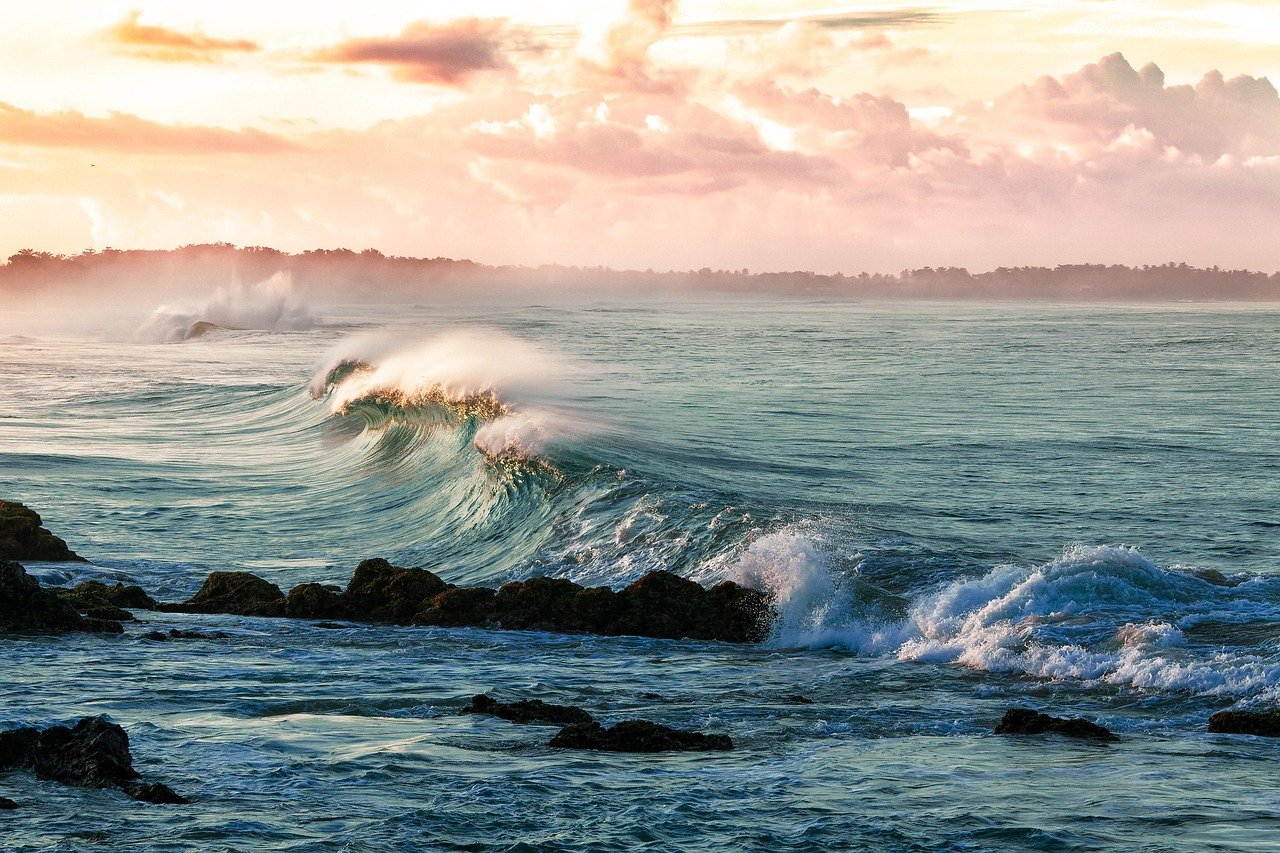
    Euan Gray was enjoying what should have been a perfectly ordinary day at the beach when the ocean had other plans. Without warning, he found himself caught in a rip current — one of the most powerful and deceptive forces in the natural world. Rip currents are fast-moving channels of water that flow away from the shore, and they can drag even strong swimmers out to sea in a matter of seconds.

    Rather than exhausting himself trying to swim back against the current, Euan made the decision to float. He stayed calm, kept himself on the surface, and waited for help. That decision — as simple as it sounds — is almost certainly what kept him alive. The RNLI has since praised his actions and is using his story to spread awareness about what to do if you ever find yourself in the same terrifying situation.

    Why Rip Currents Are So Deadly

    Rip currents are responsible for the majority of lifeguard rescues at beaches around the world. In the United States alone, they account for around 80% of all lifeguard rescues, and they kill an estimated 100 people every year. In the UK, Australia, and New Zealand — countries with long, beloved coastlines — rip currents are equally dangerous and equally misunderstood.

    The problem is that rip currents are almost invisible to the untrained eye. They don’t look like crashing waves or dramatic whirlpools. They often appear as a deceptively calm patch of water between breaking waves — which can actually make them seem like a safer, quieter spot to swim. That’s the trap. Once you’re in one, the current can move at speeds of up to 8 feet per second. That’s faster than an Olympic swimmer can sprint.

    What makes them even more dangerous is the natural human response: to swim directly back to shore. Swimming against a rip current is like trying to run up a down escalator at full speed. You’ll exhaust yourself in minutes, and once you’re exhausted in open water, the situation becomes life-threatening very quickly.

    The “Float to Live” Message That Could Change Everything

    The RNLI has been championing the “Float to Live” message for several years now, and Euan Gray’s survival story is a perfect, real-world demonstration of why it works. The concept is beautifully simple: if you get into trouble in the water, fight your instinct to thrash and panic. Instead, lean back, spread your arms and legs, and float on your back.

    Floating conserves your energy. It keeps your airways above water. And crucially, it gives rescuers — whether that’s lifeguards, RNLI crews, or fellow beachgoers — time to reach you. You don’t have to be a strong swimmer to float. In fact, floating is something almost anyone can do, even in cold or choppy water, with a little practice and a lot of calm.

    The RNLI recommends that once you’ve caught your breath and calmed down while floating, you can then try to swim parallel to the shore — not directly toward it — to escape the rip current’s pull. Once you’re out of the current’s grip, you can make your way back to the beach at an angle. But the first step is always the same: float, breathe, stay calm.

    How to Spot a Rip Current Before You’re In One

    Knowledge is power, and knowing how to identify a rip current before you step foot in the water is one of the best things you can do for your safety. Lifeguards are trained to spot them, but you can learn the basics too. Look for a channel of choppy, discolored, or foamy water extending away from the shore. The water in a rip current often looks darker than the surrounding sea because it’s deeper.

    You might also notice a line of sea foam, seaweed, or debris moving steadily out to sea — that’s the current doing its work. Sometimes the water surface looks unusually calm between two areas of breaking waves. That calm patch is a red flag, not an invitation. If you’re ever unsure, always ask a lifeguard before you swim.

    Many beaches in the UK, Australia, New Zealand, and Canada now use flag systems to warn swimmers about dangerous conditions. A red flag means do not enter the water. A yellow flag means swim with caution. Always check the flags, always swim between the red and yellow flags where lifeguards are watching, and never assume the ocean is safe just because it looks calm.

    Cold Water Shock: The Hidden Danger You Need to Know About

    Rip currents aren’t the only threat in the water. The RNLI also warns about cold water shock — a physiological response that can happen the moment you enter cold water, which covers most of the coastlines in the UK, Canada, and even parts of Australia and New Zealand. Cold water shock can cause an involuntary gasp reflex, hyperventilation, and in some cases, cardiac arrest.

    The “Float to Live” technique is also helpful here. If you fall into cold water unexpectedly — from a boat, a pier, or a sudden wave — the instinct is often to swim hard. But that burning of energy in cold water can speed up hypothermia and exhaust you dangerously fast. Floating, once again, is the answer. Keep calm, control your breathing, float on your back, and signal for help.

    Why This Story Resonates Around the World

    There’s something universally powerful about Euan Gray’s story. It’s not about being a superhero swimmer or having special training. It’s about making one smart, calm decision in a moment of genuine terror. That’s something everyone can relate to — and everyone can learn from.

    As summer approaches in the Northern Hemisphere and beach season heats up across the USA, UK, Canada, Australia, and New Zealand, millions of people will head to coastlines to enjoy the water. Many of them will have no idea what a rip current looks like, what to do if they’re caught in one, or why floating is more powerful than fighting. That’s exactly why stories like Euan’s matter so much.

    The RNLI’s campaign isn’t just about saving one person — it’s about shifting the collective understanding of water safety. Every person who reads this story and shares it with their family, their friends, or their kids before a beach trip is potentially saving a life. It really is that simple and that serious at the same time.

    What You Should Do Right Now

    Before your next beach trip, take five minutes to talk to whoever you’re going with about rip currents and the Float to Live technique. Show your kids how to float on their back in a pool. Learn how to read beach flags. Identify the lifeguard station when you arrive. Swim between the flags. And if you ever feel yourself being pulled out to sea, remember one word: float.

    You don’t need to be a strong swimmer to survive a rip current. You need to be a calm one. Euan Gray proved that. The RNLI is making sure the rest of the world knows it too.

    Water safety isn’t just for surfers or professional swimmers. It’s for everyone who loves the beach — and that’s most of us. This summer, let’s make sure more people come home safely.


    What do you think? Did you know about the Float to Live technique before reading this? Would you feel confident using it if you were ever caught in a rip current? Share your thoughts and experiences in the comments — and please share this story with anyone heading to the beach this summer. It could genuinely save a life.

    This article is for informational purposes only.

  • Why people are so excited about Swatch’s Royal Pop watch

    Why people are so excited about Swatch’s Royal Pop watch


    Why Everyone Is Losing Their Mind Over the Swatch x Audemars Piguet Royal Pop Watch — And Queuing for Days to Get One

    There’s a new watch causing absolute chaos in the world of horology and streetwear culture, and it’s not what you’d expect. Swatch — yes, the same Swiss brand famous for affordable, colorful plastic watches — has teamed up with one of the most prestigious luxury watchmakers in the world, Audemars Piguet, to release a collection that has people sleeping on pavements just to get their hands on one.

    The collaboration is called the Royal Pop, and it’s the latest drop in the ongoing MoonSwatch-style partnership between the two brands. If you thought watch hype was reserved for Rolex collectors and billionaires, think again. This is a full-blown cultural moment, and it’s happening right now.

    What Exactly Is the Royal Pop Watch?

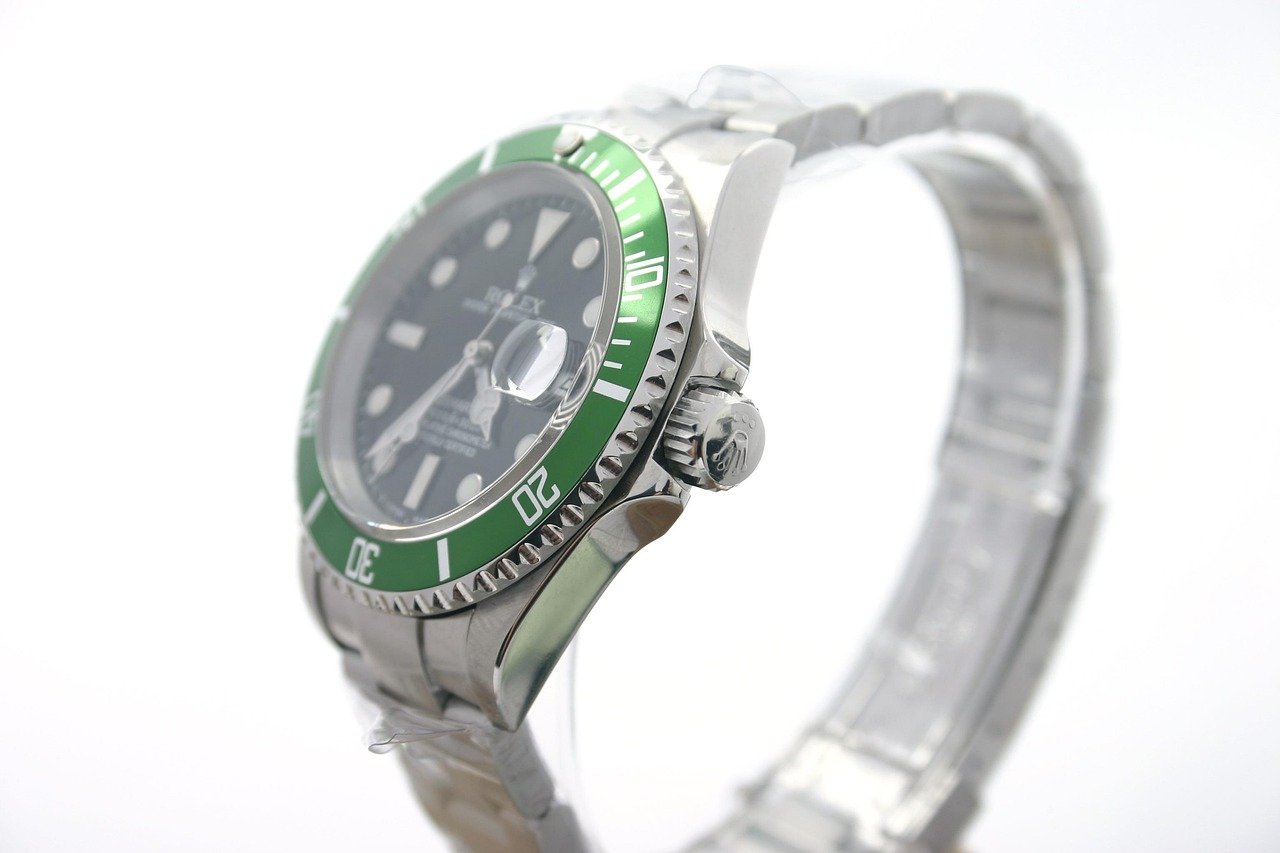
    The Royal Pop is a collaboration between Swatch and Audemars Piguet, the legendary Swiss manufacturer behind the iconic Royal Oak — one of the most coveted luxury watches ever made. The Royal Oak typically retails for tens of thousands of dollars, making it completely out of reach for most people. The Royal Pop changes that equation in a dramatic way.

    Priced at a fraction of the cost of a genuine Audemars Piguet, the Royal Pop brings the iconic octagonal bezel design and the spirit of the Royal Oak to a mass-market audience. It’s bold, it’s colorful, and it’s unmistakably inspired by one of watchmaking’s greatest icons. For watch enthusiasts who have dreamed of owning an AP but could never justify the price tag, this is the closest thing to the real deal they’ll ever get at an accessible price point.

    The watches feature the distinctive Royal Oak silhouette with Swatch’s signature playful twist — think vibrant colors, fun dials, and that unmistakable pop art energy that the name “Royal Pop” perfectly captures. It’s luxury meets street culture, and the world is absolutely obsessed.

    The Queues Are Insane — And That’s an Understatement

    If you thought people only queued overnight for sneaker drops or the latest iPhone, welcome to the new era of watch culture. Across multiple cities around the world, fans have been lining up for days — not hours, but actual days — outside Swatch stores just to secure one of these timepieces.

    Social media has been flooded with images and videos of massive lines snaking around city blocks in places like London, Paris, New York, Singapore, and Sydney. Some fans have reportedly camped out with sleeping bags, tents, and enough snacks to survive a small expedition, all in the name of getting a Royal Pop on their wrist.

    The scenes are reminiscent of the frenzy that followed the original Swatch x Omega MoonSwatch launch back in 2022, which similarly caused pandemonium at stores worldwide. It seems like Swatch has found the magic formula for generating hype, and they’re leaning into it hard.

    Why Is This Collaboration Such a Big Deal?

    To understand the excitement, you have to understand what Audemars Piguet represents in the watch world. Founded in 1875 in the Swiss Jura mountains, AP is considered one of the “Holy Trinity” of Swiss watchmaking alongside Patek Philippe and Vacheron Constantin. Their Royal Oak, designed by the legendary Gerald Genta in 1972, is widely regarded as one of the most influential watch designs in history.

    For Swatch to partner with a brand of this prestige is genuinely extraordinary. It’s the equivalent of a high-street fashion brand collaborating with Chanel or Hermès — except it’s actually happening, and people can actually buy it. The democratization of luxury design is a powerful concept, and it resonates deeply with younger consumers who love the aesthetics of high-end products but live in the real world.

    There’s also the collectibility factor. Limited availability, high demand, and the brand cachet of both Swatch and Audemars Piguet make the Royal Pop an obvious target for collectors and resellers alike. Some watches from the previous Swatch collaborations have sold on secondary markets for several times their retail price, and industry watchers expect the Royal Pop to follow a similar trajectory.

    The Resale Market Is Already Going Wild

    Within hours of the Royal Pop going on sale in select locations, watches started appearing on resale platforms like eBay, Chrono24, and Depop at significant markups. This is the unfortunate reality of hype-driven drops — a portion of the people queuing aren’t die-hard fans but savvy resellers looking to flip for profit.

    Some listings have reportedly appeared at two to three times the retail price, and given the demand, people are actually buying them. It’s a frustrating situation for genuine enthusiasts who queue for hours only to miss out, but it also speaks to just how desirable the Royal Pop has become in such a short time.

    Swatch has tried to implement measures to limit reselling in the past — including purchase limits and in-store-only sales policies — but where there’s demand, there will always be a secondary market. For now, if you’re hoping to grab a Royal Pop, your best bet is to get in line early and hope for the best.

    Watch Culture Has Never Been More Mainstream

    One of the fascinating side effects of these Swatch collaborations is how they’ve brought watch culture to a completely new audience. Traditionally, serious watch collecting was associated with older, wealthier demographics. But drops like the MoonSwatch and now the Royal Pop have made watches exciting and relevant for millennials and Gen Z in a way that hadn’t really happened before.

    Social media, particularly Instagram, TikTok, and YouTube, has played a huge role in this shift. Watch review channels on YouTube have millions of subscribers. TikTok’s #WatchTok community is thriving. And when a drop like the Royal Pop happens, it becomes content gold — unboxing videos, review comparisons, queue vlogs, and style showcases flood every platform simultaneously.

    For Swatch, this is brilliant marketing. The queues themselves generate press coverage. The social media posts are free advertising. And every person who walks away with a Royal Pop becomes a brand ambassador. It’s a masterclass in creating desire and exclusivity around a product that’s still technically accessible.

    What Does Audemars Piguet Get Out of This?

    Some luxury purists have raised eyebrows at Audemars Piguet’s willingness to associate their prestigious brand with a mass-market partner like Swatch. Isn’t there a risk of diluting the brand’s exclusivity? It’s a fair question, but the reality seems to be the opposite.

    Every time someone buys a Royal Pop and falls in love with the design language of the Royal Oak, Audemars Piguet plants a seed. That 25-year-old who can’t afford a real AP today might be a 40-year-old with disposable income in fifteen years — and there’s a good chance they’ll remember exactly which brand made them fall in love with that iconic octagonal bezel.

    It’s long-term brand building disguised as a fun collaboration, and it’s genuinely smart business. Audemars Piguet gets cultural relevance, a new generation of fans, and enormous press coverage without compromising their core luxury positioning. Everyone wins — except maybe the people who missed out on buying one.

    How to Get Your Hands on a Royal Pop

    If you’re desperate to own one, here’s the honest truth: it won’t be easy. Your best chance is to check the official Swatch website and app for availability updates, and to follow Swatch’s social media channels for announcements about new stock drops or additional store releases.

    If you’re willing to brave the queues, showing up early — and we mean very early — at a Swatch flagship store gives you a fighting chance. Bring something to sit on, a friend for company, and a lot of patience. For those who’d rather skip the queue, keep an eye on reputable resale platforms, but be prepared to pay a premium and always verify authenticity before purchasing.

    The Royal Pop is more than just a watch — it’s a cultural artifact of this particular moment in time, where luxury and accessibility collide in the most spectacular fashion. Whether you see it as a smart collaboration, a savvy marketing exercise, or just a really cool watch, there’s no denying that Swatch and Audemars Piguet have done it again.

    The Bottom Line

    The Swatch x Audemars Piguet Royal Pop is proof that the right collaboration at the right time can turn an everyday product into a genuine cultural phenomenon. People aren’t just buying a watch — they’re buying into a story, a legacy, and a moment that feels genuinely special.

    In a world where it often feels like everything has been done before, the Royal Pop reminds us that there’s still room for excitement, creativity, and yes, a little bit of madness. Just ask the people who spent three nights on a pavement to get one.

    What do you think? Is the Swatch x Audemars Piguet Royal Pop worth queuing days for, or is the hype bigger than the watch itself? Would you camp out overnight for a limited-edition timepiece? Let us know in the comments!

    This article is for informational purposes only.

  • ‘She is strong and kind’: How Italians have reacted to Catherine on her trip

    ‘She is strong and kind’: How Italians have reacted to Catherine on her trip


    Italians Are Absolutely Obsessed With Princess Catherine — Here’s How Her Italy Tour Captured Every Heart

    Princess Catherine, the Princess of Wales, has just wrapped up what can only be described as a triumphant royal tour of Italy — and the reaction from the Italian public has been nothing short of extraordinary. From the very first moment she stepped onto Italian soil, crowds gathered in their thousands, eager to catch a glimpse of the woman who has become one of the most admired royals in the world.

    The final day of her tour took her to the beautiful city of Reggio Emilia, where locals lined the streets in a show of genuine warmth and enthusiasm that left royal watchers across the globe buzzing with excitement. Catherine didn’t just visit Italy — she completely won it over.

    A Royal Welcome Like No Other

    Italy is known for its passion, its art, its food — and apparently, now its love for the Princess of Wales. The scenes in Reggio Emilia were electric, with crowds of locals and tourists alike pressing forward just to wave, snap a photo, or exchange a few precious words with Catherine. This wasn’t just polite applause — this was genuine, heartfelt adoration.

    People who were there described the atmosphere as almost festival-like. Children held handmade signs, elderly residents waved small Union Jack flags, and everyone seemed to have a smile stretched from ear to ear. It was the kind of spontaneous, joyful public reaction that no PR team could ever manufacture.

    For a princess who has faced incredibly difficult personal challenges over the past year — including her very public health battle — this reception must have felt deeply meaningful. Catherine appeared relaxed, radiant, and genuinely moved by the outpouring of affection from the Italian people.

    “She Is Strong and Kind” — Italians Speak From the Heart

    The phrase that kept echoing through the crowds and across Italian social media was simple but powerful: “She is strong and kind.” It’s a sentiment that perfectly captures how Italians — and frankly, much of the world — have come to see Catherine over the past several years.

    Local residents in Reggio Emilia were quick to share their impressions with reporters on the ground. Many spoke about how Catherine carries herself with a quiet dignity that feels both regal and completely approachable at the same time. That’s a rare combination, and Italians, who have a deep cultural appreciation for grace and style, clearly recognized it immediately.

    One local woman who managed to exchange a few words with the Princess described the encounter as unforgettable. “She looked right at me and smiled — a real smile, not a royal smile,” she reportedly said. That kind of genuine human connection is exactly what sets Catherine apart from the more formal image that royalty can sometimes project.

    Catherine’s Style Moment That Had Italy Talking

    Of course, no royal tour to Italy would be complete without a serious fashion conversation, and Catherine delivered on that front in spectacular style. The Princess was impeccably dressed throughout the tour, choosing outfits that struck the perfect balance between respectful elegance and modern flair — a nod to Italian fashion sensibilities that did not go unnoticed.

    Italian fashion commentators and lifestyle journalists were quick to praise her choices, noting how she managed to look both perfectly suited to the formal occasions and completely at ease in the more relaxed, public-facing moments of the tour. In a country where fashion is practically a religion, that kind of sartorial judgment earns serious respect.

    Social media across Italy lit up with images and videos of Catherine’s appearances, with hashtags celebrating her visit trending throughout the final day of the tour. The Princess of Wales was, without question, the most talked-about person in Italy for the duration of her visit.

    The Significance of This Tour

    This Italy trip carries a weight that goes beyond the usual diplomatic pleasantries of a royal tour. For Catherine personally, it represents a significant milestone — a return to the kind of high-profile international engagements that were put on hold during her health challenges last year. Seeing her thriving on the world stage, engaging with huge crowds and clearly energized by the experience, has been genuinely moving for royal supporters everywhere.

    For the British royal family more broadly, a successful international tour like this one is enormously valuable. It reinforces the soft power and global goodwill that the monarchy depends on, and it demonstrates that Catherine and Prince William remain compelling, relatable figures capable of forging real connections with people around the world.

    Italy was, in many ways, the perfect setting for this kind of tour. The country has a deep love of culture, history, and human connection — all things that Catherine champions in her own public work. The visit to Reggio Emilia in particular, a city known for its progressive approach to early childhood education, aligned beautifully with the Princess’s long-standing passion for early years development and child wellbeing.

    Reggio Emilia: More Than Just a Backdrop

    For those unfamiliar with Reggio Emilia, this northern Italian city is something of a global phenomenon in the world of early childhood education. The “Reggio Emilia Approach” — a philosophy of education that emphasizes creativity, exploration, and child-led learning — is studied and admired by educators in countries around the world, including the UK.

    Catherine’s decision to include Reggio Emilia on her itinerary was no accident. It sent a clear message about her priorities and her commitment to the causes she genuinely cares about. Rather than simply touring famous landmarks, she chose to engage with something deeply meaningful — a philosophy that aligns directly with her own advocacy work around early childhood development.

    The local community in Reggio Emilia clearly appreciated the gesture. There was a real sense that Catherine had come not just as a royal dignitary, but as someone genuinely curious and genuinely interested in what this city has to offer the world. That kind of authentic engagement resonates powerfully with people everywhere.

    A Global Reaction to Match the Italian One

    While the Italian public reaction stole the headlines, it’s worth noting that the response to Catherine’s Italy tour has been equally enthusiastic across the globe. Fans in the UK, USA, Canada, Australia, and New Zealand have been following every moment of the trip with the kind of intensity usually reserved for major sporting events or blockbuster movie releases.

    Royal commentators and celebrity journalists across the English-speaking world have been effusive in their praise for how Catherine handled every aspect of the tour. From her public engagements to her private meetings, from her fashion choices to her genuine interactions with members of the public, she appeared to get every single detail exactly right.

    For a woman who has navigated one of the most difficult periods in recent royal history with extraordinary grace and courage, this tour felt like a triumphant moment — a reminder of just how significant her presence is on the world stage.

    What This Means for the Future

    As Catherine returns home from Italy, the big question on everyone’s lips is: what comes next? This tour has clearly demonstrated that she is not just back — she is back stronger, more confident, and more impactful than ever. The warmth and enthusiasm of the Italian public has provided a powerful platform for the next chapter of her royal journey.

    There is a sense among royal observers that Catherine is entering a new phase of her public life — one defined by even greater purpose, clarity, and confidence. The challenges of the past year have clearly shaped her in profound ways, and what the world is seeing now is a Princess who knows exactly who she is and what she stands for.

    Italy fell in love with Catherine, and honestly? The rest of the world already knew what they were just discovering. She is, as those Reggio Emilia crowds so perfectly put it, strong and kind — and right now, that feels like exactly what the world needs to see.

    What Do You Think?

    Were you following Princess Catherine’s Italy tour? Did the reaction from Italian crowds surprise you, or did you always know she’d win them over? Drop your thoughts in the comments — we’d love to hear from you!

    This article is for informational purposes only.


  • I nearly died after buying skinny jab from friend of friend

    I nearly died after buying skinny jab from friend of friend


    She Nearly Died After Buying a Skinny Jab From a Friend of a Friend — Her Warning Could Save Your Life

    The weight loss injection craze has taken the world by storm, with millions of people seeking out semaglutide-based “skinny jabs” to shed pounds fast. But one woman’s terrifying experience is a stark reminder that not all of these products are created equal — and sourcing them outside of official medical channels can have deadly consequences.

    The woman, whose story was shared by the BBC, nearly lost her life after receiving just a single dose of a black market weight loss pen she purchased through an informal contact — a friend of a friend. What was supposed to be a shortcut to a slimmer body turned into a medical emergency that left her fighting for her life.

    What Happened? The Shocking Details

    The woman had been hearing about weight loss jabs everywhere — social media, celebrity gossip, conversations at work. Like many people, she was curious and eager to try them. But rather than going through a licensed pharmacy or a registered healthcare provider, she opted for what seemed like a more accessible and affordable route: buying from someone she loosely knew through social connections.

    After just one injection from the unregulated pen, her body reacted catastrophically. She experienced severe symptoms that required urgent medical attention, and doctors later confirmed she had come dangerously close to dying. The exact contents of the pen she used remain unclear — which is precisely the terrifying point. When you buy from unregulated sources, you have absolutely no idea what you’re injecting into your body.

    The Black Market Weight Loss Injection Boom

    The rise of GLP-1 receptor agonists like semaglutide (sold under brand names such as Ozempic and Wegovy) and tirzepatide (Mounjaro) has created an enormous demand that legitimate medical supply chains are struggling to meet. Waiting lists are long, costs can be high, and prescriptions require medical consultations — all of which push some desperate buyers toward unregulated alternatives.

    This has given rise to a booming underground market. Counterfeit or unverified weight loss pens are being sold through social media platforms, messaging apps, and word-of-mouth networks at a fraction of the official cost. Some sellers even claim their products are the “real thing” — just sourced more cheaply. But health authorities across the UK, US, Australia, and beyond have been sounding alarms for months about the very real dangers lurking in these black market products.

    The problem is staggering in scale. Regulatory agencies have seized thousands of counterfeit injectable products in recent years, many of which contained incorrect dosages, harmful substances, or were made in completely unsanitary conditions. Yet demand keeps growing, and the black market keeps supplying.

    Why These Unregulated Jabs Are So Dangerous

    When you purchase a licensed medication through a registered pharmacy or healthcare provider, you are receiving a product that has been tested, verified, and produced under strict safety standards. The dosage is correct. The ingredients are known. The storage and handling have been regulated. You also have access to medical guidance on how to use it safely.

    Black market versions offer none of these guarantees. Counterfeit pens may contain entirely different substances — some of which could be toxic. They may be dosed incorrectly, leading to dangerous overdoses or underdoses. They could be contaminated due to poor manufacturing conditions. And because they’re sold outside of any medical framework, there’s no professional guidance on what to do if something goes wrong.

    In this woman’s case, something went very wrong indeed. And she wants everyone to know: no shortcut is worth your life.

    Her Urgent Warning to Others

    “I nearly died,” she said plainly, and those three words carry enormous weight. She is now speaking out publicly because she knows she is far from alone in having been tempted by an easy, cheap, informal route to accessing these trending injections. Her message is simple: please, do not do what she did.

    She is urging people who are interested in weight loss injections to consult a real, registered medical professional. It may take longer. It may cost more. There may be a waiting list. But the alternative — ending up in a hospital emergency ward, or worse — is simply not worth it.

    Her story is a powerful reminder that the wellness industry, as exciting and transformative as it can be, also has a dark shadow side where desperate people are exploited and endangered by unscrupulous sellers who care nothing about their customers’ health.

    The Scale of the Problem Across the UK and Beyond

    In the United Kingdom, the Medicines and Healthcare products Regulatory Agency (MHRA) has repeatedly warned consumers about the dangers of buying prescription-only medications from unverified online or informal sources. The agency has documented numerous cases of people being harmed by counterfeit injectable products.

    In the United States, the FDA has similarly flagged concerns about counterfeit semaglutide products circulating in the market, including products that were found to contain insulin — a completely different drug that can be life-threatening if administered incorrectly to someone without diabetes. In Australia and Canada, health authorities have issued parallel warnings as the demand for these medications has surged globally.

    Social media platforms have come under scrutiny too. Despite policies against the sale of prescription medications, informal networks continue to thrive on Instagram, Facebook, TikTok, and messaging apps like WhatsApp and Telegram. A quick search can lead buyers to sellers within minutes — and that terrifying ease of access is part of what makes this problem so hard to contain.

    How to Access Weight Loss Injections Safely

    If you’re genuinely interested in exploring GLP-1 medications for weight management, there are safe, legitimate pathways available. In the UK, these medications can be prescribed by a GP or through registered online clinics that require a proper medical consultation. In the US, Australia, Canada, and New Zealand, similar regulated pathways exist through licensed healthcare providers.

    Yes, these routes involve more steps. You’ll need to discuss your health history, your goals, and any potential risks with a qualified professional. You may need blood tests. You might be placed on a waiting list. The cost through official channels can be higher — though many people find that the price difference between legitimate sources and black market sources is smaller than they expected once they do the research.

    The key point is this: these medications are powerful pharmaceutical drugs that affect your body’s hormonal and metabolic systems in significant ways. They are not something to experiment with casually. They require medical supervision, proper dosing guidance, and monitoring for side effects — all of which are simply impossible when you’re buying from an anonymous seller through a chain of informal contacts.

    A Wake-Up Call for the Wellness Industry

    This woman’s near-death experience is also a broader wake-up call about the culture surrounding weight loss and body image. The pressure to be thinner — fed by social media, celebrity culture, and endless advertising — pushes people to take risks they might otherwise never consider. When a medication becomes a trend, it stops being seen as a serious medical intervention and starts being treated like a lifestyle accessory.

    That’s a dangerous shift in perception. Weight loss injections are not a beauty trend. They are powerful drugs with real risks, real side effects, and a very real potential for harm when misused. The fact that celebrities talk about them casually, or that influencers promote them online, does not make them any less medically serious.

    This story deserves to go viral — not because it’s sensational, but because it could genuinely save someone’s life. Share it. Talk about it. And if you or someone you know is considering buying weight loss injections from an unofficial source, please reconsider.

    The Bottom Line

    A woman nearly died after a single dose of a black market skinny jab bought through informal social connections. She survived — and she’s using that survival to warn as many people as possible. Her message is clear, urgent, and could not be more important: if you want to explore weight loss injections, do it safely, do it legally, and do it with qualified medical support.

    Your life is worth more than a shortcut.

    What do you think? Have you or someone you know been tempted to buy weight loss injections from unofficial sources? What do you think needs to change to make safe access to these medications more accessible? Share your thoughts in the comments below.

    This article is for informational purposes only.

  • I led hikers up an Indonesian volcano – and then it erupted

    I led hikers up an Indonesian volcano – and then it erupted


    Inside the Terrifying Moment an Indonesian Volcano Erupted Mid-Hike — A Guide’s Firsthand Account

    Imagine leading a group of hikers up a majestic volcano, the air crisp and the views breathtaking — and then the mountain suddenly explodes beneath you. That’s exactly what happened to an Indonesian guide on Mount Dukono, and his story is as harrowing as it gets.

    The eruption of Mount Dukono on Friday sent shockwaves through Indonesia and captured global attention, leaving three people dead and raising urgent questions about the safety of hiking active volcanoes. The guide who was leading the group that day has now spoken out, sharing a gripping firsthand account of the chaos and terror that unfolded in mere seconds.

    The Calm Before the Storm

    Mount Dukono, located on the island of Halmahera in North Maluku province, is one of Indonesia’s most active volcanoes. It has been in a near-constant state of low-level activity for decades, but that Friday, something far more violent was brewing beneath the surface.

    The guide described the morning as seemingly normal — a group of hikers eager to experience the raw beauty of one of Indonesia’s volcanic landscapes. The trail was familiar, the weather was manageable, and spirits were high. Nobody had any reason to believe that this particular hike would turn into a fight for survival.

    According to the guide, the group had made significant progress up the mountain when the first signs of unusual activity began. There was a deep rumbling sound, almost like distant thunder, followed by a sudden change in the air quality. The smell of sulfur intensified rapidly — a warning sign that experienced guides know to take seriously.

    The Eruption Hits Without Warning

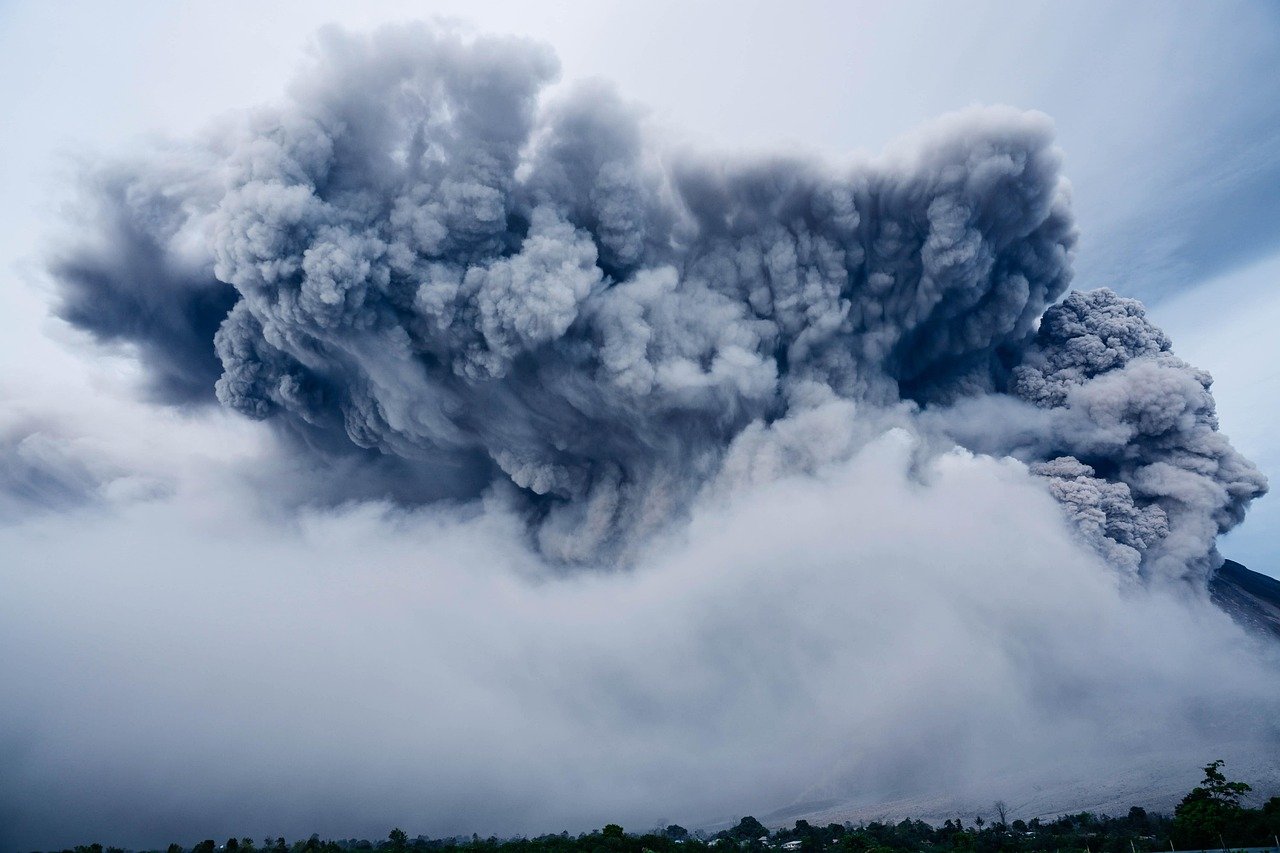
    What happened next unfolded with terrifying speed. The guide recounted how the volcano unleashed a massive eruption, sending volcanic ash, rocks, and pyroclastic material surging outward with devastating force. There was no time for a measured evacuation — it was pure instinct and survival mode.

    “We had no time,” the guide reportedly described. The eruption column shot skyward, and hot volcanic debris began raining down on the hikers and their guide. Visibility dropped almost instantly as thick ash clouds enveloped the area, making it nearly impossible to see more than a few feet ahead.

    The guide made desperate attempts to direct the group to safety, shouting instructions through the chaos. But the force and speed of the eruption made organized movement incredibly difficult. The mountain that had seemed so welcoming just minutes earlier had transformed into a deadly, unpredictable force of nature.

    Three Lives Lost on the Mountain

    Tragically, three people did not make it off the mountain alive. The deaths have sent grief through local communities and sparked an outpouring of condolences from across Indonesia and beyond. The identities of the victims have been shared with their families, and rescue teams worked tirelessly in the aftermath to account for all hikers on the mountain that day.

    Search and rescue operations faced enormous challenges given the ongoing volcanic activity and the treacherous conditions left in the eruption’s wake. Thick ash deposits, unstable terrain, and the risk of further eruptions made every step of the rescue effort dangerous for the teams involved.

    Indonesian authorities confirmed the fatalities and launched a full investigation into the circumstances surrounding the eruption and the hiking activity on the mountain at the time. Questions are now being asked about warning systems, access restrictions, and whether more could have been done to prevent hikers from being on the volcano when it erupted.

    Indonesia’s Deadly Volcanic Landscape

    Indonesia sits on the so-called “Ring of Fire” — a massive arc of volcanic and seismic activity that stretches around the Pacific Ocean. The country is home to more than 130 active volcanoes, making it one of the most volcanically active nations on Earth. It’s a landscape of extraordinary beauty, but also extraordinary danger.

    Mount Dukono has been particularly active over the years, and scientists have long monitored it closely. Eruptions at Dukono are not uncommon, but the scale of Friday’s event caught many off guard. The volcano’s activity level had apparently escalated rapidly, giving little time for authorities to issue broader warnings or for people on the mountain to react.

    This is not the first time Indonesia has faced tragedy linked to volcanic activity. In recent years, eruptions at other volcanoes across the archipelago have claimed lives and displaced thousands of residents. The country has sophisticated monitoring systems in place, but the sheer number of active volcanoes and the unpredictable nature of eruptions means that danger can never be fully eliminated.

    The Guide’s Survival and Emotional Aftermath

    For the guide who led the group up Mount Dukono that day, survival came with an enormous emotional burden. Speaking in the aftermath of the disaster, he described the overwhelming sense of helplessness that came with watching the mountain erupt around him and his group. The weight of responsibility that guides carry in these situations is immense.

    His account has resonated deeply with the hiking and adventure travel community around the world. Guides who lead groups up active volcanoes operate in a profession that demands both expertise and split-second decision-making. When nature turns against you on that scale, even the most experienced professionals can find themselves powerless.

    The guide’s willingness to speak publicly about the experience is being seen as an act of courage in itself. By sharing what happened, he is helping authorities, the hiking community, and future travelers understand the real risks involved in volcano tourism — and potentially saving lives in the process.

    Volcano Tourism: A Global Phenomenon With Real Risks

    Hiking active volcanoes has become increasingly popular in recent years, with destinations like Mount Etna in Sicily, Kilauea in Hawaii, and various peaks across Indonesia drawing thousands of adventure-seekers annually. The allure is undeniable — there is something primal and awe-inspiring about standing on the edge of a crater and witnessing the raw power of the Earth.

    But Friday’s tragedy on Mount Dukono is a stark reminder that these experiences come with very real risks. Volcanoes are inherently unpredictable, and even the most carefully monitored mountains can erupt with little warning. The question of how to balance access for tourists and the safety of both visitors and local guides is one that governments and adventure tourism operators around the world are grappling with.

    In Indonesia, the government has periodically imposed restrictions on hiking near active volcanoes, and monitoring agencies regularly update alert levels based on seismic and volcanic data. But enforcement can be challenging, and the economic importance of tourism in many of these regions creates pressure to keep trails open even when risks are elevated.

    What Happens Next?

    In the immediate aftermath of the eruption, Indonesian authorities raised the alert level for Mount Dukono and imposed a strict exclusion zone around the volcano. Residents and travelers in the surrounding area were warned to stay well clear and to wear protective masks as ash continued to fall across nearby communities.

    Volcanologists and government officials are now conducting a thorough assessment of the eruption to better understand what triggered the sudden escalation in activity and what it might mean for the volcano’s behavior in the coming weeks and months. Continuous monitoring is ongoing, and updates are being communicated to local communities regularly.

    For the families of the three people killed, no amount of investigation or policy review will bring back their loved ones. Their loss is a painful reminder of the price that can be paid when adventure meets the untamable forces of nature. The hiking community is mourning, and tributes have been pouring in from across the world.

    A Story That Will Stay With Us

    The account of the Indonesian guide who led his group up Mount Dukono — and survived one of the most terrifying natural events imaginable — is one of those stories that cuts straight through to the heart. It speaks to human courage, the power of nature, and the fragile line between an extraordinary adventure and a life-altering catastrophe.

    As the world processes this tragedy, there is an opportunity to reflect on how we approach adventure travel, how we support the guides and local workers who make these experiences possible, and how we can better protect people from the unpredictable fury of active volcanoes. The mountain will continue to rumble — it always does. The question is whether we are prepared for what comes next.

    What do you think? Should hiking on active volcanoes be more strictly regulated, or is the risk part of the adventure that travelers knowingly accept? Drop your thoughts in the comments — we want to hear from you.

    This article is for informational purposes only.

  • I led hikers up an Indonesian volcano – and then it erupted

    I led hikers up an Indonesian volcano – and then it erupted


    Volcano Guide Speaks Out: “I Led Hikers Up Mount Dukono — Then It Erupted Without Warning”

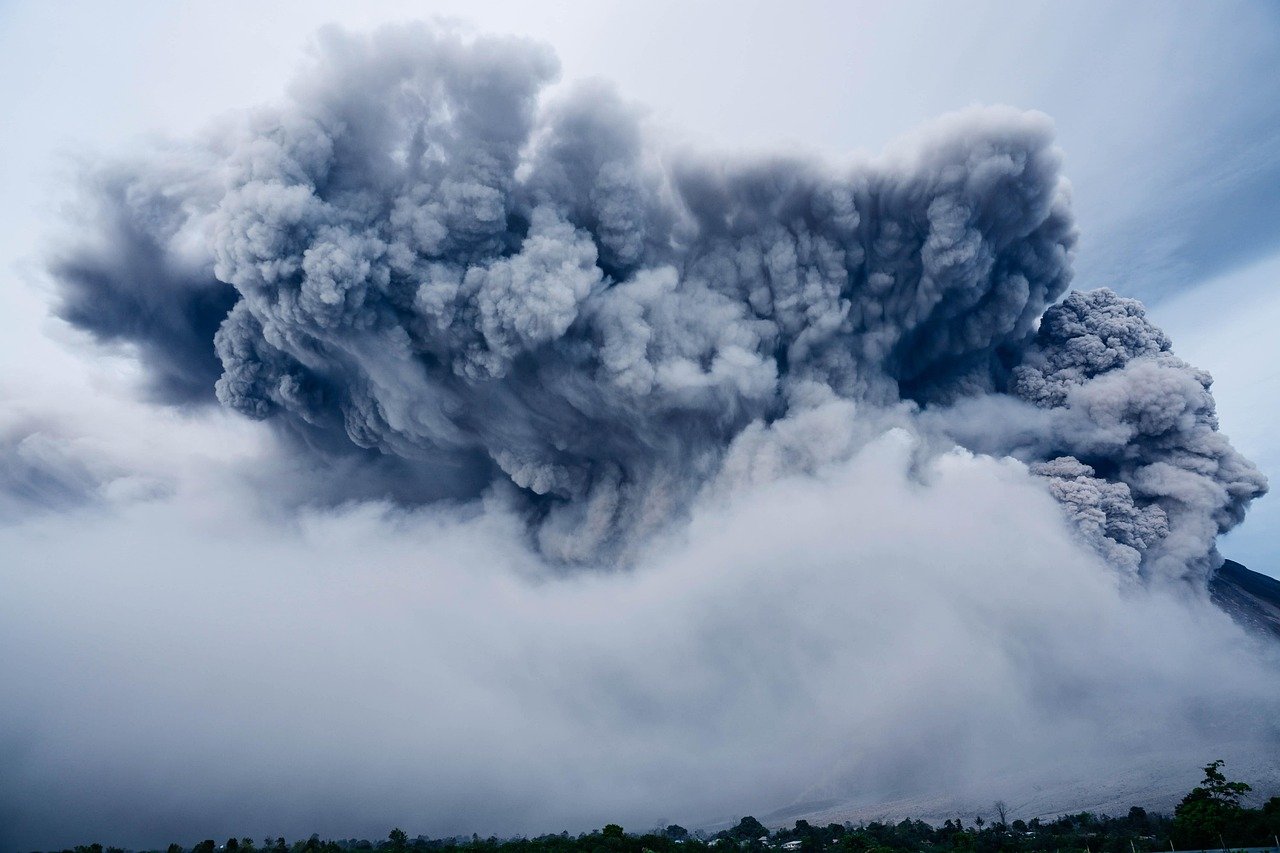
    It was supposed to be just another trek up one of Indonesia’s most active volcanoes. But on Friday, a routine hike turned into a terrifying fight for survival when Mount Dukono suddenly erupted, killing three people and leaving a trail guide shaken to his core. Now, that guide is sharing his harrowing firsthand account of the moments that changed everything.

    Mount Dukono, located on the island of Halmahera in North Maluku province, is no stranger to volcanic activity. It’s one of Indonesia’s most consistently active volcanoes, which makes it a magnet for adventurous hikers from around the world. But even the most experienced guides can’t always predict when nature will turn deadly — and Friday’s eruption proved that in the most devastating way possible.

    A Morning That Started Like Any Other

    The guide, who has been leading groups up Mount Dukono for years, described the morning as calm and seemingly normal. The group set off with excitement, the kind of energy that comes with scaling an active volcano — thrilling, a little edgy, but manageable. Nothing in the early hours suggested that disaster was just around the corner.

    Hikers were in good spirits as they made their way up the familiar trail. Mount Dukono regularly emits gases and small ash clouds, so a bit of volcanic activity isn’t unusual. Experienced guides factor this into their risk assessments before every climb. But what happened next was on a completely different scale from anything routine.

    The Moment the Mountain Woke Up

    According to the guide’s account, the eruption hit with almost no warning. One moment the group was moving along the trail, and the next, the mountain exploded into life — sending ash, rocks, and volcanic material surging outward in a terrifying blast. The sound alone was described as deafening, a roar that seemed to come from the earth itself.

    Panic set in immediately. The guide’s instincts kicked in and he began directing people away from the blast zone, urging them to run and take cover wherever possible. In situations like these, seconds count — and the chaos of an unexpected eruption makes every decision feel impossibly high-stakes.

    Three members of the hiking group did not survive the eruption. It’s a loss that weighs heavily not just on the guide, but on the entire local community and the families of those who perished. Volcanic eruptions of this suddenness are a grim reminder of just how unpredictable and powerful nature truly is.

    Indonesia’s Deadly Ring of Fire

    Indonesia sits right in the heart of the Pacific Ring of Fire, a zone of intense seismic and volcanic activity that stretches across much of the Pacific Ocean. The country is home to more than 130 active volcanoes — more than almost any other nation on Earth. It’s a geological reality that shapes daily life for millions of Indonesians.

    Mount Dukono has been erupting almost continuously since 1933, making it one of the most persistently active volcanoes in the country. Scientists and volcanologists monitor it closely, but predicting the exact timing and intensity of eruptions remains one of the greatest challenges in earth science. Even with modern technology, nature can still catch us off guard.

    Volcanic tourism is a real and thriving industry in Indonesia. Destinations like Mount Bromo, Mount Rinjani, and yes, Mount Dukono, draw thousands of adventure-seeking tourists every year. The appeal is undeniable — there’s nothing quite like standing on the edge of an active crater and staring into the raw power of the Earth. But Friday’s tragedy is a stark reminder that this kind of adventure always carries serious risk.

    Search and Rescue Efforts Launch Immediately

    Indonesian authorities and emergency services mobilized quickly after the eruption was reported. Search and rescue teams were deployed to the mountain to locate survivors, assist the injured, and recover those who had been killed. The terrain around an active volcano is notoriously difficult to navigate, especially in the aftermath of an eruption when ash and debris can make paths treacherous.

    Local officials confirmed the deaths and indicated that several other hikers were injured during the incident. The exact number of people on the mountain at the time of the eruption is still being established as authorities work to account for everyone who had registered for the hike that day.

    The guide himself, while physically unharmed, is clearly carrying the emotional weight of what happened. Leading people up a mountain and bringing them home safely is the most fundamental responsibility of any guide — and when tragedy strikes despite your best efforts, the psychological toll can be immense.

    Questions About Volcanic Tourism Safety

    In the wake of the eruption, questions are already being raised about the safety protocols surrounding volcanic tourism in Indonesia. Should stricter access controls be put in place? Are warning systems adequate? Is enough being done to educate tourists about the very real dangers they’re taking on when they choose to hike active volcanoes?

    These are not new questions. Indonesia has faced similar scrutiny after previous volcanic incidents, including the deadly 2014 eruption of Mount Ontake in neighbouring Japan, which killed 63 hikers and sparked global conversations about volcano tourism safety. Every major incident reignites the debate about where the line should be drawn between adventure tourism and reckless endangerment.

    Volcano experts point out that while monitoring technology has improved significantly, there’s still no foolproof system for predicting sudden eruptions. Phreatic eruptions — caused by water interacting with hot volcanic rock — can occur with little to no warning and are particularly difficult to forecast. Mount Dukono’s eruption on Friday may have been of this type, though investigations are ongoing.

    The Human Stories Behind the Headlines

    Beyond the statistics and the geological explanations, there are real human stories at the heart of this tragedy. Three people went up a mountain on a Friday morning full of adventure and excitement, and never came home. Their families are now grieving, and the ripple effects of that loss will be felt for a long time.

    The guide who led the group is not just a witness to this tragedy — he’s a survivor carrying the memory of what happened on that mountain. His willingness to share his story is both brave and important. It puts a human face on a disaster that could otherwise become just another news headline, and it serves as a powerful reminder of the stakes involved every time someone chooses to explore the world’s most dramatic landscapes.

    Indonesia’s volcanoes are breathtaking, awe-inspiring, and deeply culturally significant. Many local communities have lived in the shadow of these mountains for generations, building their lives and livelihoods around them. Respecting their power isn’t about fear — it’s about understanding that some forces on this planet are simply beyond our control.

    What Happens Next?

    Indonesian authorities are expected to review access restrictions to Mount Dukono in the coming days and weeks. The volcano’s alert level may be raised, and hiking permits could be suspended while investigations into the eruption are carried out. This is standard procedure following a deadly volcanic incident in the country.

    For the guide who led Friday’s hike, the road ahead will involve not just processing the trauma of what he witnessed, but also cooperating with official inquiries and, in time, deciding whether he’ll ever lead another group up a volcano. It’s a deeply personal decision that only he can make.

    What’s clear is that this story has resonated around the world — because it speaks to something universal. The desire to push boundaries, to experience the raw power of nature, to stand somewhere few others have stood. That desire is human and beautiful. But it comes with responsibilities, and sometimes, with consequences that no one could have predicted.

    Final Thoughts

    Friday’s eruption of Mount Dukono is a tragedy that has claimed three lives and left an entire community shaken. It’s a story about bravery, loss, and the humbling reality of living on a planet that operates on its own terms. The guide who led those hikers up the mountain showed courage in the aftermath, and his account is something the world needed to hear.

    As investigations continue and families mourn, the global conversation about volcanic tourism safety will intensify. And somewhere on the island of Halmahera, a mountain continues to breathe — indifferent, ancient, and impossibly powerful.

    What do you think? Should stricter regulations be put in place for hiking active volcanoes, or should adventurers have the freedom to make their own risk decisions? Drop your thoughts in the comments — we’d love to hear from you.

    This article is for informational purposes only.