Josh Kroenke Reveals How Covid Lockdowns Helped Arteta Rebuild Arsenal Into a Premier League Powerhouse
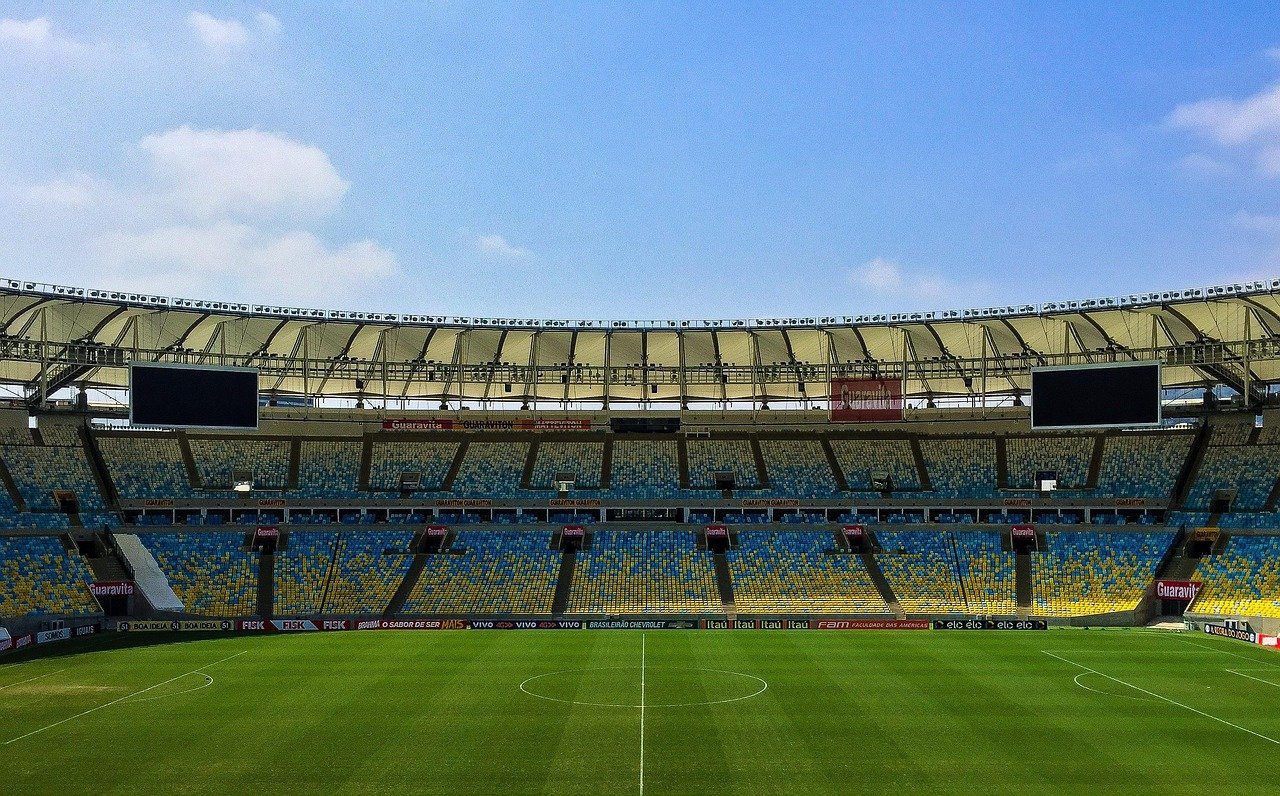
Arsenal co-chair Josh Kroenke has opened up about one of the most fascinating behind-the-scenes stories in recent Premier League history — how the silence of empty stadiums during the Covid-19 pandemic actually gave Mikel Arteta the breathing room he needed to completely transform the club from the inside out.
In a candid and revealing conversation, Kroenke explained that the absence of fans, the reduced media noise, and the bubble-like environment of pandemic football gave Arteta something rare and precious in top-flight management: time and space to build his vision without the usual chaos swirling around him. And boy, did Arteta use it well.
From “Banter Era” to Serious Contenders
Cast your mind back just a few years and Arsenal were the laughing stock of social media. The “banter era” was in full swing — a painful stretch where the Gunners were finishing fifth, sixth, even eighth in the Premier League, missing out on Champions League football, and becoming the punchline of every football meme on Twitter. It was a dark time for one of England’s most historic clubs.
Kroenke acknowledged this difficult period directly, describing Arsenal as a “sleeping giant” that needed to be woken up. And while the appointment of Arteta in December 2019 was met with some skepticism — he was, after all, a first-time manager with no head coaching experience — what followed has been nothing short of a footballing resurrection.
The Covid pandemic arrived just months into Arteta’s tenure. Stadiums went silent. Training grounds operated under strict protocols. The football world was turned upside down. But for Arteta, Kroenke suggests, it was almost a blessing in disguise — allowing the Spaniard to embed his philosophy, his culture, and his standards into the squad without the relentless external pressure that comes with managing a club like Arsenal in normal times.
The Culture Shift That Changed Everything
What Arteta did during that period wasn’t just tactical — it was cultural. Players who didn’t fit the new mentality were moved on. Young players who bought into the vision were given opportunities and trust. The training ground atmosphere was reportedly transformed, with a clear sense of identity and purpose replacing what had become a somewhat rudderless environment.
High-profile departures like Mesut Ozil, who was frozen out and eventually left in January 2021, signaled that Arteta wasn’t messing around. This was a new Arsenal — one where work ethic, pressing intensity, and collective responsibility weren’t optional. The message was clear: adapt or leave.
Meanwhile, a new generation of players began to emerge. Bukayo Saka, who had only just broken into the first team, started showing the world exactly why Arsenal had been so excited about him. Martin Odegaard arrived on loan and was so impressive that Arsenal made the deal permanent. Gabriel Magalhaes brought steel and leadership to the backline. The pieces were coming together.
Kroenke’s Vision: Strengthening Again
But Josh Kroenke isn’t content with what’s been achieved so far. Despite Arsenal finishing as Premier League runners-up in back-to-back seasons and mounting genuine title challenges that had the whole football world talking, Kroenke has made it clear that the club must continue to strengthen in the transfer market.
This is music to the ears of Arsenal supporters who have watched their side come agonizingly close to a first league title since 2004. The Gunners have shown they can compete at the very highest level — but they’ve also shown that squad depth, particularly in key positions, can be the difference between challenging and winning.
Kroenke’s comments suggest the ownership group is fully aligned with Arteta’s ambitions and that significant investment is expected in upcoming transfer windows. For a fanbase that spent years questioning whether the Kroenke family truly cared about winning, these are reassuring words backed up by increasingly bold spending in recent years.
Arteta: The Manager Who Silenced the Critics
It’s worth taking a moment to appreciate just how remarkable Arteta’s journey has been. When he was appointed, many questioned whether a man with zero managerial experience could handle the pressure of one of the world’s most scrutinized jobs. The early results were mixed, and there were moments when even the most optimistic Arsenal fan wondered if the project would click.
But Arteta stayed true to his principles. He continued to demand high standards, continued to develop young talent, and continued to build the kind of team spirit and camaraderie that’s visible every time Arsenal take to the pitch. The way players celebrate together, fight for each other, and execute a clear tactical system speaks to the work that’s been done on and off the training pitch.
The FA Cup triumph in 2020 — won during that very Covid bubble period Kroenke references — was a statement of intent. It was Arsenal’s first major trophy in years, and it gave everyone connected with the club a glimpse of what this team could become under the right leadership and with the right investment.
What Arsenal Need to Go One Better
The burning question now is: what do Arsenal actually need to finally end that two-decade wait for a league title? The squad is talented, the manager is proven, and the ownership appears committed. But football at the very top level is unforgiving, and Manchester City — even in their current transitional phase — remain formidable, while Liverpool under Arne Slot have rediscovered their best form.
Depth in attacking positions has been identified as a potential weakness. Arsenal have relied heavily on a core group of players, and when injuries or fatigue hit — as they inevitably do over a long Premier League season combined with European football — options from the bench haven’t always matched the quality of the starters.
A clinical, proven striker has also been a topic of much debate among Arsenal supporters. While various options have been tried and tested, the Gunners’ ability to convert chances at a higher rate could be the difference-maker in a title race where margins are razor-thin. Kroenke’s comments about strengthening suggest the club is well aware of these gaps and is actively working to address them.
The Sleeping Giant Is Wide Awake
What makes this Arsenal story so compelling for football fans around the world is that it’s genuinely one of the great rebuilds in modern football. From the chaos and embarrassment of the banter era, through the quiet determination of Covid-era reconstruction, to genuine title contention — it’s a journey that’s captured imaginations far beyond North London.
Kroenke’s acknowledgment that the pandemic period gave Arteta “space” is an honest and interesting insight into how football management works. In a sport where managers are often sacked after a handful of bad results, Arteta was able to lay foundations without the constant noise and pressure of a full stadium atmosphere demanding instant results.
Now those foundations are built. The culture is established. The squad is talented and hungry. And with ownership publicly committed to further strengthening, Arsenal head into the coming seasons with genuine belief that the wait for glory could finally be coming to an end. The sleeping giant isn’t just awake — it’s ready to roar.
For football fans who love a great underdog story, a brilliant managerial journey, and the prospect of a genuine title race shaking up the Premier League order, Arsenal’s ongoing story is one of the most exciting narratives in world football right now.
What Do You Think?
Do you believe Arsenal have what it takes to finally win the Premier League title under Arteta, or do they still need more pieces to complete the puzzle? Let us know your thoughts in the comments — we’d love to hear from Arsenal fans and football supporters around the world!
This article is for informational purposes only.
Leave a Reply