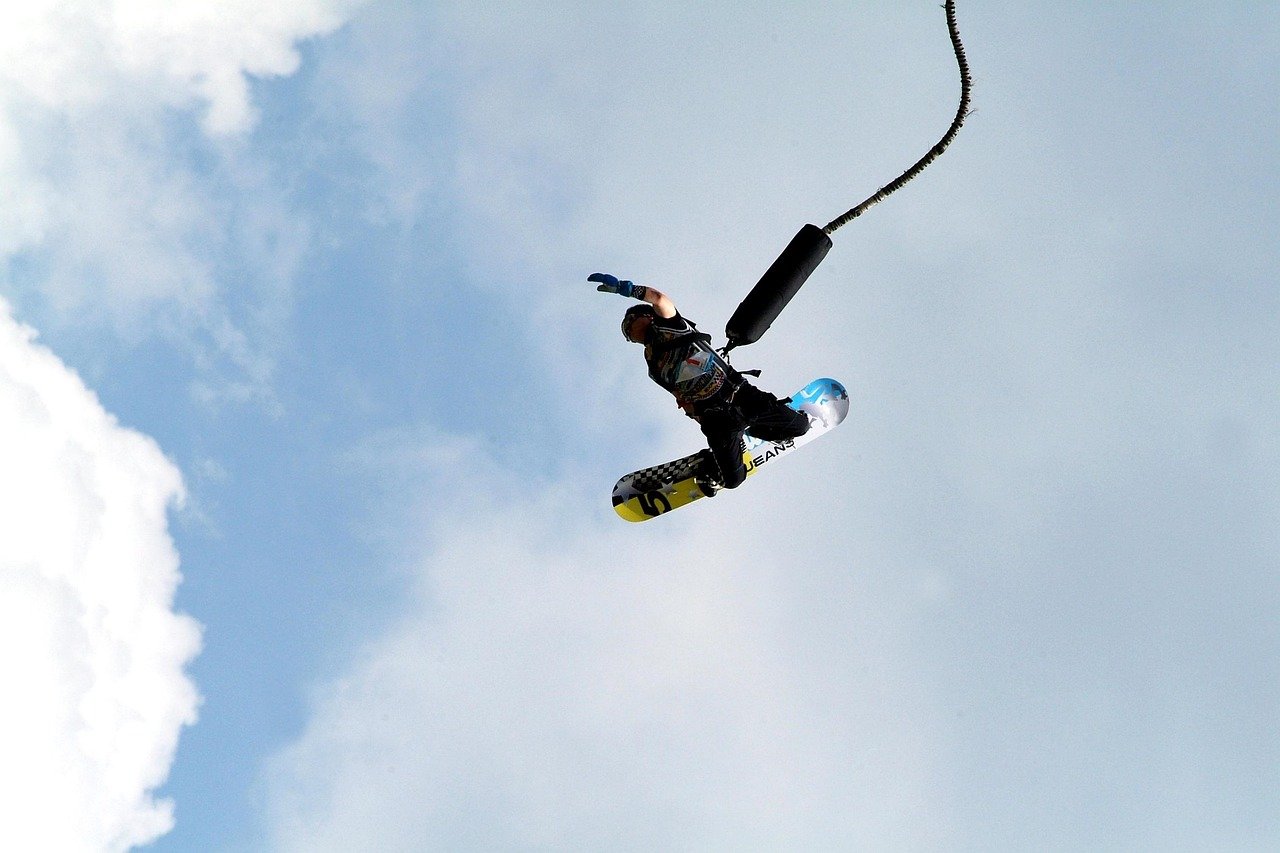
Tragic Death in Brazil: Woman Jumps from Bridge After Instructors Forget to Attach the Rope
In a devastating and completely avoidable tragedy, a Brazilian woman has lost her life after rope-jumping instructors helped her leap from a bridge — without ever attaching the safety cord to her body. The shocking incident has sent waves of horror across Brazil and around the world, raising serious questions about safety standards in extreme sports.
Three men connected to the activity have since been arrested, and authorities are now investigating how such a catastrophic oversight could have occurred. This is the kind of story that makes you stop scrolling — because it’s almost impossible to believe something so fundamental could go so terribly wrong.
What Exactly Happened?
The victim, a Brazilian woman whose identity has been reported in local media, had signed up for what should have been a thrilling rope-jumping experience from a bridge. Rope jumping — sometimes called “rope swing” or “bridge jumping” — is an extreme sport where participants are secured with a rope and leap from a high structure, experiencing a freefall before the cord catches them.
In this case, however, the instructors allegedly failed to properly attach the rope to the woman before encouraging her to jump. Without that critical connection, she fell freely, plummeting to her death. It is a moment that no amount of adrenaline-seeking should ever cost someone their life.
The incident reportedly took place on a bridge in Brazil, and witnesses were left in absolute shock. What was meant to be an exciting adventure turned into an irreversible nightmare in a matter of seconds.
Three Instructors Arrested — What Are They Facing?
Brazilian authorities moved quickly following the incident. Three men believed to be the instructors responsible for managing the jump have been taken into custody. Police are investigating the circumstances surrounding the death, with potential charges ranging from criminal negligence to manslaughter.
In Brazil, cases involving gross negligence that leads to death can carry significant prison sentences. Legal experts speaking to local outlets have suggested that the instructors could face serious consequences if it is proven that proper safety protocols were completely ignored.
The arrests have done little to comfort the victim’s family and loved ones, who are now left grieving a loss that should never have happened. No legal outcome can undo what occurred on that bridge.
A Sport That Demands Absolute Precision
Rope jumping and bungee jumping are extreme sports that, when done correctly, have well-established safety records. Professional operators around the world follow strict checklists and protocols — double-checking harnesses, cords, and attachment points before anyone goes near the edge. The entire premise of these activities depends on one thing above all else: the rope must be attached.
Safety experts in the extreme sports world have long emphasized that pre-jump checks are non-negotiable. Many reputable companies use a two-person verification system, where a second instructor independently confirms all attachments before a jump is cleared. It’s a simple but life-saving step.
In this tragedy, that essential step appears to have been skipped entirely — and the consequences were fatal. The extreme sports community worldwide is now reflecting deeply on what minimum safety standards should look like, and whether informal or unlicensed operators should face tougher regulations.
Is Rope Jumping Safe? Understanding the Risks
For those unfamiliar, rope jumping differs slightly from bungee jumping. In bungee jumping, an elastic cord provides a bouncing effect. In rope jumping, a non-elastic rope is used, creating a pendulum-like swing after the initial freefall. Both require precise equipment checks and certified operators.
When performed by licensed, experienced professionals with proper equipment, rope jumping carries relatively low risks. Fatalities and serious injuries do occur in the industry globally, but they are most commonly linked to equipment failure, incorrect harness fitting, or — as appears to be the case here — human error of the most basic kind.
This incident serves as a brutal reminder that extreme sports are only as safe as the people running them. A thrill-seeker puts enormous trust in their instructors, and that trust must be honored with absolute professionalism.
Outrage Pours In Across Social Media
As news of the tragedy spread, social media users across Brazil and internationally expressed outrage, grief, and disbelief. Many could not comprehend how trained instructors could fail to perform what is essentially the most basic safety check in the entire activity.
“How do you forget to attach the rope? That IS the whole point,” one widely shared comment read. Others expressed sympathy for the victim’s family, calling for stricter licensing laws for extreme sports operators across Brazil.
Brazilian consumer protection advocates and sports safety organizations have already begun calling on the government to introduce tighter oversight for adventure tourism and extreme sports activities. The hope is that this tragedy will not be forgotten — and that it will drive meaningful change before another life is lost.
The Broader Issue: Regulation of Extreme Sports in Brazil
Brazil has a thriving adventure tourism industry, with activities like hang gliding, paragliding, bungee jumping, and rope jumping drawing both locals and international tourists. The country’s stunning landscapes — from the Amazon to its dramatic coastal cliffs — make it a natural destination for thrill-seekers.
However, regulation of these activities has long been a concern. While some operators maintain high safety standards and international certifications, others operate informally, with little oversight or accountability. The gap between the best and worst operators can, quite literally, be the difference between life and death.
Industry insiders have repeatedly called for a national registry of certified extreme sports operators, mandatory safety audits, and clearer legal consequences for negligence. This tragedy may finally be the catalyst that pushes Brazilian lawmakers to act decisively.
A Family Left Devastated
Behind every news story is a human being, and behind this one is a family shattered by grief. The victim was someone’s daughter, perhaps someone’s sister, friend, or partner. She stepped up to the edge of that bridge seeking excitement and adventure — a feeling that millions of people around the world chase every single day.
She deserved to land safely, to laugh about the adrenaline rush afterward, to share the video with friends. Instead, her family is left with questions, grief, and an absence that will never be filled.
Our thoughts go out to everyone who loved her. This tragedy should never have happened — and the world needs to make sure lessons are learned so it never happens again.
What Needs to Change?
The conversation that follows this tragedy must be about more than punishment for the three arrested men. It needs to be about systemic change. Every extreme sports operator should be required to hold certification, carry insurance, and operate under regular independent safety inspections.
Tourists and adventure-seekers also have a role to play — always research operators before booking, look for certifications and reviews, and never be afraid to ask questions about safety procedures. If something feels off, trust your instincts.
No jump, no thrill, no social media moment is worth your life. And no operator should ever be allowed to make that choice for someone else through sheer negligence.
Final Thoughts
This is one of those stories that cuts deep, not just because of the horror of what happened, but because of how completely preventable it was. A rope. That’s all it took. One rope, properly attached, and a young woman would still be alive today.
As the investigation continues and the three suspects face the legal system, the world watches — hoping that justice is served and that this devastating loss leads to real, lasting change in how extreme sports are regulated and operated.
Rest in peace to the victim. May her story save lives.
What do you think? Should extreme sports operators face stricter government regulation and mandatory safety certifications? Drop your thoughts in the comments below — we want to hear from you.
This article is for informational purposes only.
Leave a Reply