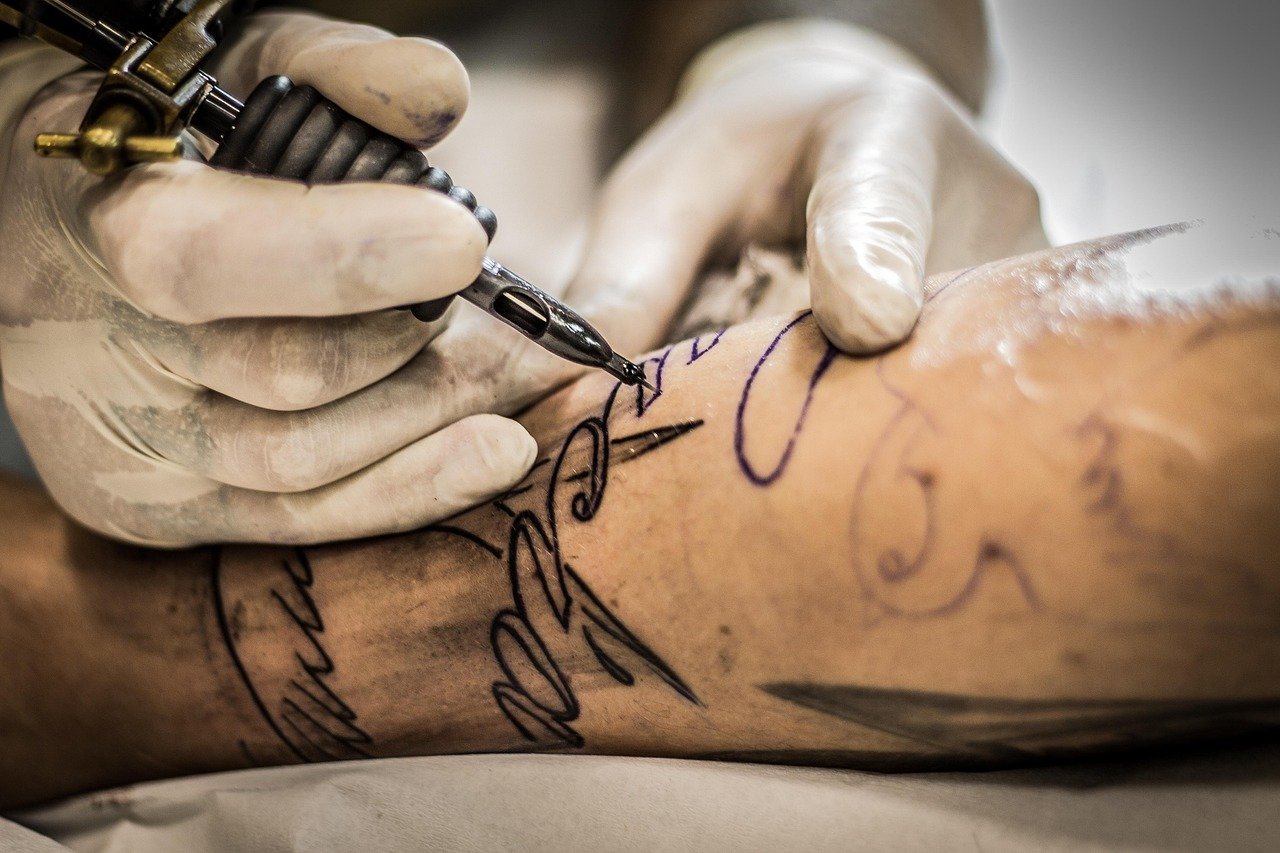
South Korea’s Tattoo Artists Finally Step Out of the Shadows After Decades of Living Under the Threat of Arrest
For decades, getting a tattoo in South Korea meant your artist was technically breaking the law. It sounds almost unbelievable — but in a country where only licensed medical doctors were legally permitted to wield a tattoo needle, millions of people were quietly getting inked in underground studios while their artists risked fines, criminal charges, and even jail time. Now, that era of secrecy is finally coming to an end.
South Korea’s tattoo industry is stepping boldly into the spotlight, and the transformation is nothing short of remarkable. After years of legal battles, activism, and growing cultural acceptance, tattoo artists across the country are beginning to operate openly — and the world is taking notice.
Wait — Tattoos Were Illegal in South Korea?
Not exactly illegal for the person getting the tattoo, but definitely illegal for the artist doing it. Under South Korea’s Medical Service Act, tattooing was classified as a medical procedure, meaning only those holding a valid medical license could legally perform it. The reasoning behind this law dated back to concerns about hygiene and public health — but in practice, it created a bizarre situation where a thriving underground tattoo culture existed right alongside strict legal prohibitions.
Artists who were caught could face fines of up to several million Korean won, and repeat offenders risked actual jail sentences. Despite these risks, the industry didn’t disappear — it simply went underground. Studios operated discreetly, clients were referred through word of mouth, and social media became a kind of secret marketplace where artists showcased their work without fully revealing their identities or locations.
The irony? South Korean tattoo artistry became internationally celebrated during this same period. Korean tattoo artists gained massive followings on Instagram, traveled the world for guest spots at studios in New York, London, and Sydney, and won global recognition for their intricate, innovative styles. All while technically being criminals back home.
A Long Fight for Recognition
The push to change the law didn’t happen overnight. Tattoo artists and advocates spent years fighting through courts and lobbying lawmakers. A landmark moment came in 2022 when South Korea’s Constitutional Court ruled that the existing law was unconstitutional — a massive victory for the tattoo community that had been pushing for reform for well over a decade.
The ruling effectively opened the door for new legislation that would finally recognize tattooing as a legitimate profession separate from medicine. Artists who had been operating in the shadows suddenly found themselves in a new legal grey zone — one that leaned heavily toward freedom compared to where they’d been before.
For many artists, the emotional weight of that moment was enormous. Some had been raided by police, faced court appearances, and paid heavy fines simply for doing work they loved. The idea that their craft might finally be acknowledged as a legitimate art form — rather than a medical procedure gone rogue — was deeply meaningful.
The Underground Scene That Took Over the World
Here’s the fascinating part of this story: while South Korean tattoo artists were living under legal threat at home, they were conquering the global tattoo scene abroad. Korean tattooing developed its own distinctive aesthetic — delicate fine-line work, watercolor-inspired pieces, intricate geometric patterns, and hyper-realistic portraits that left international clients absolutely stunned.
Artists like Sion, Grain, and dozens of others built massive social media followings with hundreds of thousands of fans worldwide, all while being careful about how much they revealed about their domestic operations. Tattoo conventions in Europe and North America became places where Korean artists regularly took home top prizes, earning the respect of peers from countries where tattooing had been legal and socially accepted for generations.
The global tattoo community was simultaneously in awe of Korean artistry and baffled by the legal situation these artists faced at home. It created this surreal dynamic where someone could be a celebrated international artist on Friday and a potential criminal on Monday when they returned to Seoul.
Cultural Stigma: The Other Battle
The legal hurdles were just one part of the challenge. South Korean society has historically associated tattoos with organized crime — the imagery of gang members covered in tattoos is deeply embedded in popular culture, reinforced by decades of films and television dramas. For a long time, having visible tattoos could get you turned away from gyms, public swimming pools, and even some workplaces.
But attitudes have been shifting dramatically, especially among younger generations. K-pop idols — some of the most influential cultural figures on the planet — began appearing with tattoos, sparking conversations about body art in a way that no activist campaign could have achieved. When your favorite idol has ink on their arm, suddenly tattoos stop being something associated with criminals and start being something associated with self-expression and style.
Social media played an enormous role too. Platforms like Instagram and TikTok gave Korean tattoo artists a way to showcase their work to global audiences, and the response was overwhelming. International fans began traveling to Seoul specifically to get tattooed by Korean artists — a form of tattoo tourism that injected real money into the underground economy and further legitimized the profession in the eyes of the public.
What Does “Stepping Into the Limelight” Actually Look Like?
With the legal landscape shifting, tattoo studios in South Korea are gradually becoming more visible. Artists who once operated through private messaging apps and secret studio addresses are now opening proper storefronts, listing their businesses publicly, and even appearing in mainstream media interviews. It’s a cultural moment that feels genuinely historic for anyone who has followed the Korean tattoo scene.
Seoul, in particular, is positioning itself as a tattoo destination. Neighborhoods like Hongdae and Itaewon — already known for their vibrant arts and nightlife scenes — are seeing an increase in openly operating tattoo studios. The atmosphere is electric. Artists who spent years looking over their shoulders are now able to focus entirely on their craft.
For international visitors, this creates an exciting opportunity. Getting tattooed in Seoul by a world-class Korean artist, in a proper studio, without the cloak-and-dagger element that once defined the experience — it’s a genuinely new reality that’s attracting attention from tattoo enthusiasts around the world.
The Road Ahead: Regulation and Recognition
Of course, stepping into the light also means navigating new regulatory frameworks. The South Korean government is working on formal licensing and safety standards for tattoo artists — rules around hygiene, equipment sterilization, and professional certification. Artists have mixed feelings about this. Many welcome the legitimacy, while others worry that overly burdensome regulations could create new barriers for independent artists trying to build their careers.
The tattoo community is actively engaging in these conversations, pushing for regulations that protect clients without stifling the creative freedom that made Korean tattooing so exceptional in the first place. It’s a delicate balance, but artists are cautiously optimistic that the outcome will be positive.
What’s clear is that the days of hiding are over. South Korea’s tattoo artists have survived decades of legal risk, cultural stigma, and official suppression — and they’ve emerged not just intact, but internationally celebrated. Their story is one of resilience, creativity, and the unstoppable power of art to find its audience no matter what obstacles stand in the way.
A New Chapter for Korean Ink
The global tattoo community is watching South Korea’s transformation with genuine excitement. A country that once criminalized its most talented ink artists is now poised to become one of the world’s premier tattoo destinations — and that’s a story worth celebrating.
For the artists who lived through the underground years, this moment is bittersweet in the best possible way. The fines, the raids, the court appearances — all of it led to this: studios with open doors, clients booking appointments openly, and a profession finally getting the respect it deserves.
South Korean tattoo culture didn’t just survive the shadows. It thrived there — and now it’s ready to shine.
What do you think? Should tattooing have been classified as a medical procedure in the first place, or was South Korea’s old law always an overreach? Drop your thoughts in the comments — we’d love to hear from readers around the world on this one!
This article is for informational purposes only.
Leave a Reply