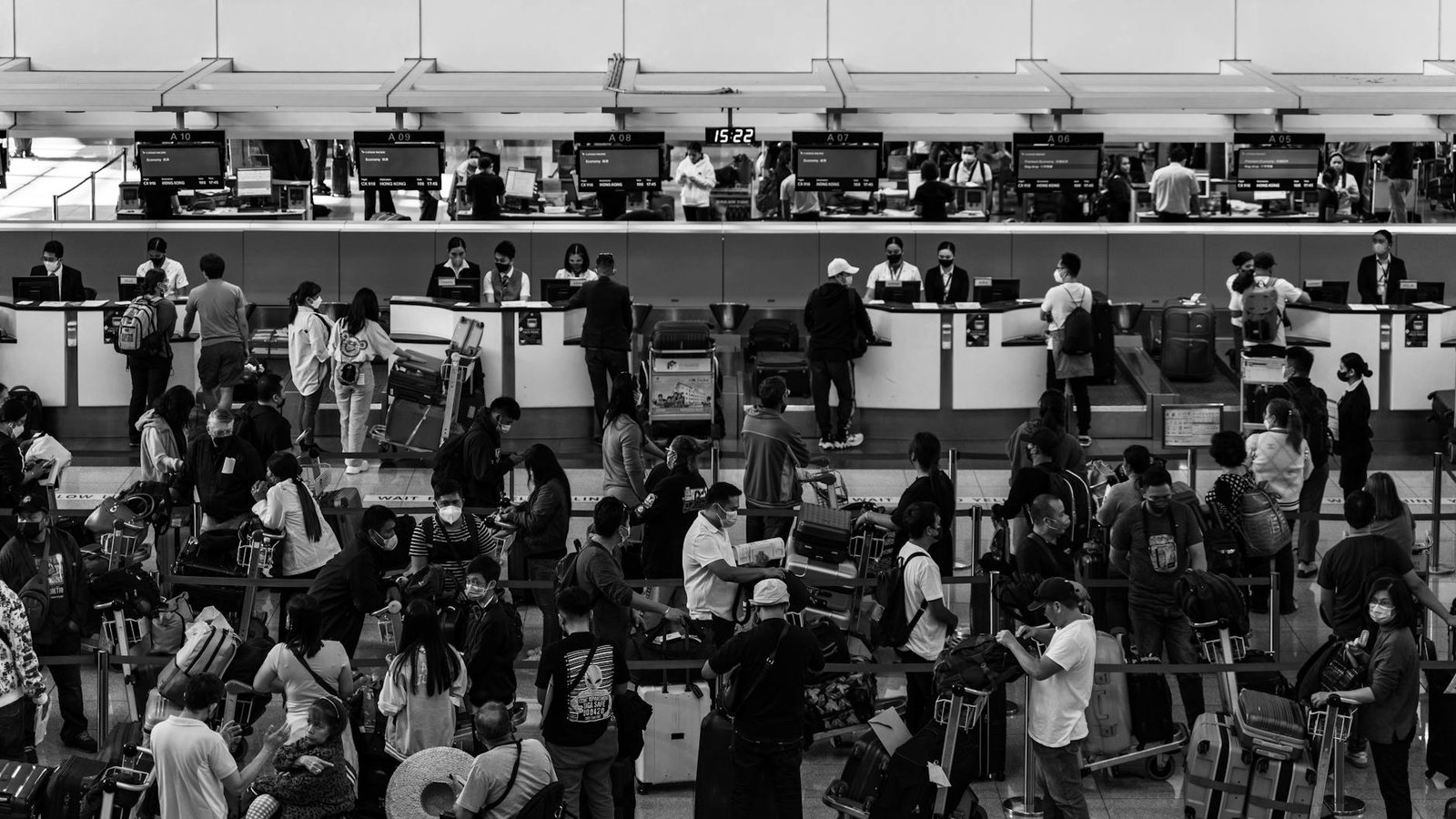
Couple Lost £1,000 After Their Flight Was Cancelled — The Travel Insurance Checklist That Could Save You Thousands
Imagine planning your dream holiday, packing your bags, heading to the airport — and then watching it all fall apart when your flight gets cancelled. That’s exactly what happened to one unlucky couple who ended up losing a staggering £1,000 because of a gap in their travel insurance policy. The worst part? It was entirely avoidable.
Their story is a wake-up call for millions of travellers who assume that having travel insurance means they’re fully covered. Spoiler alert: it doesn’t always work that way. The fine print matters — a lot. And if you’re not reading it carefully before you travel, you could be setting yourself up for a very expensive lesson.
What Went Wrong for This Couple?
The couple in question had purchased what they believed was a comprehensive travel insurance policy. When their flight was cancelled, they assumed the claim process would be straightforward. They were wrong. After submitting their claim, they discovered that their policy contained exclusions they hadn’t noticed — clauses that meant the insurer was under no obligation to pay out for their specific situation.
The result? A £1,000 loss that hit them hard. Money they had saved for their holiday, gone — not because the insurance company did anything illegal, but because the couple hadn’t fully understood what they were and weren’t covered for. It’s a situation that plays out thousands of times every year across the UK, US, Australia, Canada, and beyond.
Travel insurance disputes are far more common than most people realise. Consumer advocacy groups regularly highlight cases where travellers are left out of pocket because of misunderstood policy terms. The insurance industry isn’t necessarily being predatory — but it is complex, and complexity can cost you dearly if you’re not prepared.
The Most Common Reasons Travel Insurance Claims Get Rejected
Before we get to the checklist, it’s worth understanding why claims get rejected in the first place. One of the biggest culprits is pre-existing medical conditions. Many policies won’t cover cancellations or medical emergencies that are linked to a health condition you already had when you bought the policy — unless you specifically declared it and paid for additional coverage.
Another major reason is the cause of the cancellation itself. If your flight is cancelled due to bad weather, some policies will cover you. Others won’t — they’ll classify it as an “extraordinary circumstance” or an “act of God” and wash their hands of it. Similarly, if an airline goes bust, whether your insurance covers you depends entirely on the specific wording of your policy.
Then there are the timing issues. Did you buy your insurance after you booked the flight? Did you wait too long to file your claim? Did you fail to get the right documentation from the airline? Any one of these factors can be used as grounds for rejection. The insurance world is full of technical tripwires, and unsuspecting travellers fall into them every single day.
The Essential Travel Insurance Checklist Before You Fly
So how do you protect yourself? Here’s a practical, no-nonsense checklist that every traveller should go through before setting off — whether you’re jetting off to Bali, booking a European city break, or heading across the Atlantic.
1. Check what “cancellation” actually means in your policy. Not all cancellations are created equal in the eyes of insurers. Read the section on trip cancellation and trip interruption carefully. Does it cover airline-initiated cancellations? What about cancellations you initiate yourself due to illness or family emergencies? Know exactly what triggers a valid claim.
2. Declare all pre-existing medical conditions. This cannot be stressed enough. If you have a health condition — even one that seems minor or well-managed — declare it. Failing to do so can invalidate your entire policy, not just the medical portion of it. Yes, it might cost a bit more in premiums. But it could save you thousands in uncovered claims.
3. Check your coverage limits. Many travellers are shocked to discover that their policy has a cap on how much it will pay out for flight cancellations or delays. If your holiday cost £3,000 and your policy only covers up to £1,500 for cancellations, you need to know that before you travel — not after something goes wrong.
4. Understand the excess. The excess is the amount you have to pay yourself before the insurance kicks in. A policy with a £250 excess might seem cheap until you realise it means you’ll only get back £750 on a £1,000 claim. Always factor the excess into your calculations when choosing a policy.
Don’t Forget These Easily Missed Details
5. Check if your airline is covered for insolvency. Airlines do go under — and when they do, it can leave passengers stranded and out of pocket. Check whether your policy includes Scheduled Airline Failure Insurance (SAFI), which specifically covers you if an airline collapses. Not all standard policies include this, so look for it explicitly.
6. Look at the travel disruption clause. Some premium policies include travel disruption cover, which is broader than standard cancellation cover. It can kick in when you’re delayed for a certain number of hours, when you miss a connecting flight, or when you’re forced to cut your trip short due to circumstances beyond your control. It’s worth paying extra for this level of coverage.
7. Keep all your documentation. If something goes wrong, you’ll need evidence. Get written confirmation of any cancellation from the airline. Keep receipts for any additional expenses you incur as a result — accommodation, meals, alternative transport. Take screenshots of communications. The more paper trail you have, the stronger your claim will be.
8. Know the time limits for filing a claim. Most policies require you to file a claim within a certain window — often 28 to 31 days of the incident. Missing this deadline can mean your claim is rejected outright, regardless of how valid it otherwise is. Set a reminder on your phone if you need to.
Credit Card Travel Protection — An Often Overlooked Bonus
Here’s something many travellers don’t realise: if you booked your flights or holiday using a credit card, you might have an additional layer of protection through Section 75 of the Consumer Credit Act (in the UK) or similar consumer protection laws in other countries. This can make the credit card company jointly liable for any breach of contract or misrepresentation by the airline or travel company.
This doesn’t replace travel insurance — but it can complement it beautifully. If your insurer rejects your claim, your credit card company might still come through for you. It’s always worth exploring both avenues before accepting a loss.
Some premium credit cards also come with built-in travel insurance as a perk. If you have one of these cards, check what it covers — it might be more comprehensive than a separate policy you purchased, or it might have gaps that a standalone policy would fill. Either way, knowing what you have is the first step.
How to Choose a Better Policy Going Forward
The travel insurance market is crowded and confusing, but there are ways to navigate it smartly. Comparison websites are a good starting point, but don’t just sort by price. Look at the coverage details side by side. Pay particular attention to cancellation limits, medical coverage, and whether the policy includes 24/7 emergency assistance.
Reading customer reviews for how insurers actually handle claims — not just how they sell their policies — can be incredibly revealing. An insurer with a slightly higher premium but a reputation for paying out fairly is worth far more than a cheap policy that fights you every step of the way when things go wrong.
Also consider annual multi-trip policies if you travel more than twice a year. They often work out cheaper than buying individual policies for each trip, and they remove the risk of forgetting to purchase insurance before a last-minute getaway.
The Bottom Line: Don’t Assume — Verify
The couple who lost £1,000 made one critical mistake: they assumed their insurance covered them without verifying the details. It’s a mistake that’s incredibly easy to make — and incredibly painful to live with. Travel insurance is only as good as your understanding of what it actually covers.
Taking 20 minutes before your next trip to go through your policy with this checklist could genuinely save you hundreds or even thousands of pounds, dollars, or dollars. It’s one of the least glamorous parts of holiday planning, but it might just be the most important.
Safe travels — and make sure you’re properly covered before you head to that departure gate.
What do you think? Have you ever had a travel insurance claim rejected or run into unexpected policy exclusions? Share your experience in the comments — your story could help a fellow traveller avoid the same costly mistake!
This article is for informational purposes only. Always consult your insurance provider or a qualified financial adviser for advice specific to your personal situation and policy.
null
Leave a Reply