World Cup 2026 Ticket Prices Are Crashing — But Could That Mean Empty Seats at the Biggest Tournament Ever?
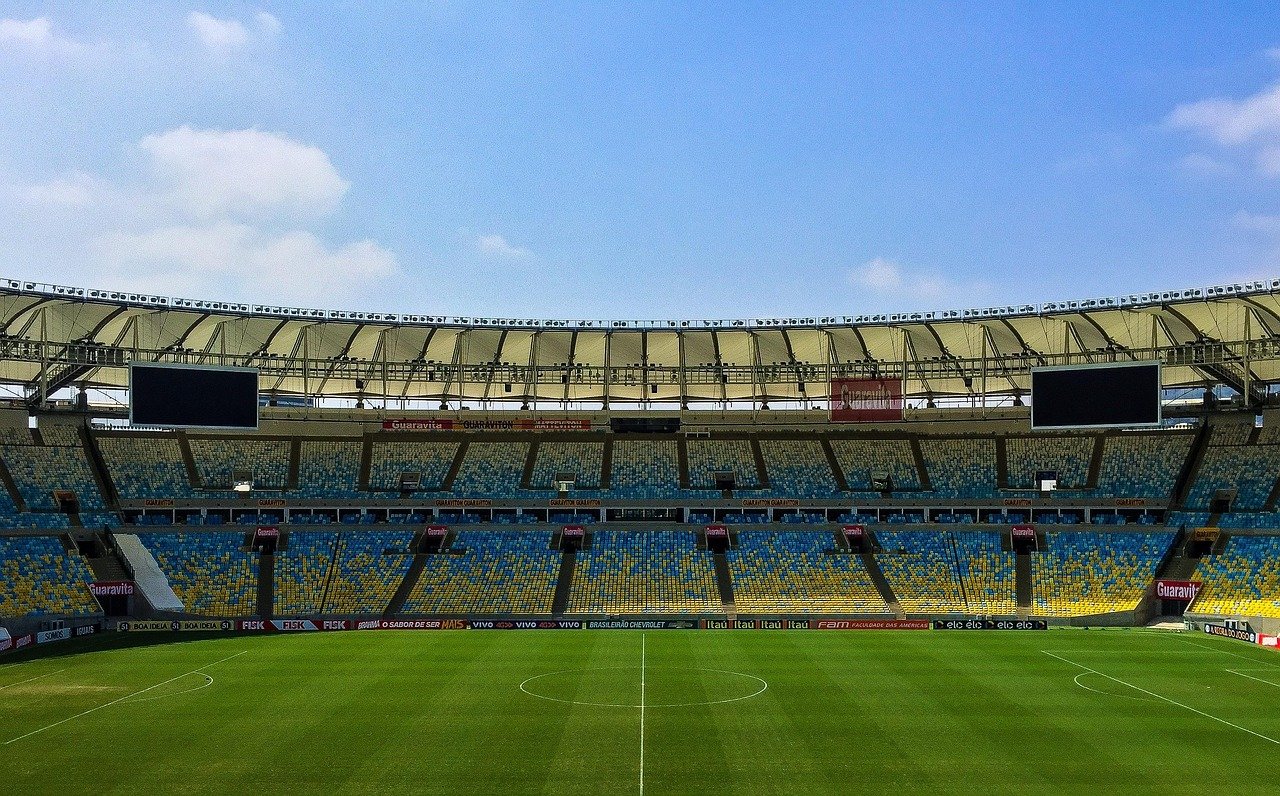
The 2026 FIFA World Cup is shaping up to be the most ambitious football tournament in history — spanning three countries, 16 host cities, and featuring an expanded 48-team format. But there’s a question that’s growing louder by the day: are fans actually going to show up? Ticket prices are falling, availability is fluctuating wildly, and the whole situation is leaving supporters confused, frustrated, and in some cases, genuinely worried about what the stadiums might look like come match day.
What started as sky-high demand and premium pricing has taken a surprising turn. Secondary market prices are dropping, official resale platforms are showing unexpected availability, and the buzz that usually surrounds a World Cup feels a little… muted. So what’s really going on, and should FIFA be concerned?
The Price Rollercoaster Nobody Saw Coming
When FIFA first opened ticket sales for the 2026 World Cup, demand appeared enormous. Millions of fans registered for ballots, and the expectation was that tickets would be near-impossible to get — much like previous tournaments. But the reality has been far more complicated than that simple narrative suggested.
On the secondary market, prices that were once astronomically high have started to come down significantly. Tickets for group stage matches that were being listed for hundreds — sometimes thousands — of dollars above face value are now available for far less. In some cases, prices have dipped below official face value, which is almost unheard of for a World Cup.
This is a dramatic shift. Historically, World Cup tickets hold their value ferociously. The 2022 tournament in Qatar saw scalpers making enormous profits, and even the 2018 edition in Russia saw brisk secondary market trade. The fact that 2026 prices are softening so noticeably is raising eyebrows across the football world.
Why Are Prices Dropping?
There are several factors at play here, and none of them are simple. First, the sheer scale of the 2026 tournament means there are more tickets available than ever before. With 48 teams competing instead of the traditional 32, there are significantly more matches — 104 games in total compared to 64 in a standard World Cup. That’s a lot of seats to fill across three countries and 16 different venues.
Second, the cost of attending a World Cup in North America is genuinely steep. Unlike Qatar, where everything was relatively concentrated in a small geographic area, fans following their team across the USA, Canada, and Mexico face serious travel and accommodation expenses. When you factor in flights between cities, hotel costs in major American markets, and the general expense of living in these countries, the total cost of a World Cup trip can be eye-watering.
Third, and perhaps most significantly, there’s the economic climate. Inflation has hit household budgets hard across the globe over the past few years. Fans who might have splurged on a World Cup trip in better financial times are now thinking twice. Discretionary spending is under pressure, and a major international sporting event is exactly the kind of luxury that gets cut first when money is tight.
The Confusion Factor
Beyond economics, there’s another issue that’s been frustrating fans: a genuine lack of clarity around the ticket process itself. FIFA’s official ticketing platform has faced criticism for being confusing to navigate, with availability appearing and disappearing seemingly at random. Fans have reported checking for tickets, finding nothing available, and then returning hours later to find seats suddenly on offer — only for them to vanish again shortly after.
This kind of unpredictability creates a sense of chaos that’s off-putting for fans trying to plan an expensive international trip. If you’re going to spend thousands of dollars on flights and accommodation, you need certainty about whether you actually have tickets. The stop-start nature of availability has left many would-be attendees in a frustrating limbo.
There’s also been confusion around the official resale programme. FIFA introduced a system allowing ticket holders to resell their tickets through official channels, which is a positive step in theory. But the implementation has been messy, with supporters unsure about how the process works, what fees are involved, and whether the tickets they’re buying through resale are legitimate and secure.
Could We Actually See Empty Seats?
Here’s the question that’s making FIFA executives nervous: could the biggest World Cup ever end up with swathes of empty seats? It sounds almost impossible — this is the World Cup, after all — but there are genuine reasons to think it’s a real risk for certain matches.
Group stage games involving smaller nations or less commercially attractive matchups could struggle to sell out, particularly in venues that are far from the fan bases of the competing teams. A match between two African or Asian nations played in a massive American stadium could theoretically see significant empty sections if local interest isn’t strong enough to compensate for the lack of travelling supporters.
The expanded format, while exciting in theory, does create more matches that are harder to sell. Not every game has the marquee appeal of a Brazil vs Argentina or England vs Germany clash. Some group stage fixtures will be between nations with limited global followings, and filling 60,000-seat venues for those games is a genuine challenge.
What History Tells Us
It’s worth noting that concerns about empty seats at major tournaments have surfaced before, only for the actual event to look completely packed on television. The 2014 World Cup in Brazil had similar pre-tournament concerns about ticket sales and affordability, yet the stadiums were largely full and the atmosphere was electric.
There’s also the factor of late surges. Many fans wait until closer to the tournament to make their travel decisions, particularly when they want to see how their team progresses through qualifying or early rounds. As the 2026 tournament approaches and the excitement builds, demand could pick up significantly from where it stands today.
FIFA will also be working hard behind the scenes to ensure stadiums look full, potentially distributing tickets to local communities, corporate partners, and other stakeholders to fill any gaps. An empty stadium during a World Cup broadcast is a nightmare scenario for the sport’s governing body, and they’ll do everything in their power to avoid it.
The Fan Experience Question
Beyond the logistics of filling seats, there’s a broader question about what kind of World Cup atmosphere 2026 will deliver. Part of what makes the tournament magical is the collision of different fan cultures — the singing, the flags, the passion of supporters who’ve travelled thousands of miles to watch their nation compete.
If economic pressures mean that fewer international fans make the trip, and if local American audiences — many of whom don’t have the same deep football culture as European or South American fans — fill the gaps, the atmosphere could feel different to previous tournaments. That’s not a criticism of American sports fans, who can be incredibly passionate, but football culture in the USA is still developing compared to countries where the sport is a way of life.
The hope is that the 2026 World Cup, being held in North America with its massive immigrant populations from football-mad nations, will draw out communities of passionate supporters who bring that authentic World Cup energy. Cities like New York, Los Angeles, and Miami have huge Latin American and European populations who live and breathe football. If they turn out in force, the atmosphere could be something truly special.
What Needs to Happen Next
For FIFA and the tournament organisers, the priority now needs to be clarity and communication. Fans need to understand how to get tickets, what the resale process looks like, and what to expect from the purchasing experience. Confusion is the enemy of sales, and right now there’s too much of it surrounding the ticketing situation.
Pricing also needs to be realistic. If official and secondary market prices remain accessible, more fans will take the plunge and make the trip. The worst outcome would be prices that are high enough to deter casual fans but not high enough to signal exclusivity — a middle ground that satisfies nobody.
The 2026 World Cup has every ingredient to be a truly historic tournament. Three host nations, a record number of teams, iconic stadiums, and the world’s most beloved sport. The ticket situation is a problem that’s very much solvable — but it needs attention now, before the opportunity to build genuine excitement is lost.
The beautiful game deserves beautiful crowds. Let’s hope the organisers figure this out in time.
What Do You Think?
Are you planning to attend the 2026 World Cup? Do you think the ticket situation will sort itself out, or are empty seats a real risk? Drop your thoughts in the comments — we’d love to hear from fans around the world on this one!
This article is for informational purposes only.
Leave a Reply