Cosmeticorexia: The Alarming Skincare Obsession Taking Over Young Girls — And Why Experts Are Seriously Worried
Walk into any pharmacy or beauty store today and you’ll notice something striking — the skincare aisles are packed with tweens and teenagers, not just adults. Young girls, some as young as eight or nine, are loading up their baskets with serums, retinols, toners, and sheet masks. What was once a niche adult ritual has become a full-blown youth phenomenon, and experts are raising serious red flags about where this is all heading.
The term being used to describe this growing obsession is “cosmeticorexia” — a compulsive preoccupation with skincare routines and beauty products that mirrors the kind of obsessive thinking seen in eating disorders. It’s not just about wanting clear skin anymore. For many young girls, it’s become an identity, a social currency, and in some cases, a genuine mental health concern.
The Social Media Engine Driving It All
If you want to understand why this is happening, look no further than TikTok and Instagram. “Skincare routines” have become one of the most popular content formats on both platforms, racking up billions of views globally. Young influencers — many of them teenagers themselves — showcase elaborate 10 to 15-step routines, reviewing products that cost hundreds of dollars and making it all look effortlessly glamorous.
The algorithm does the rest. Once a young girl watches one skincare video, the platform serves up dozens more. Before long, she’s deep in a rabbit hole of “must-have” products, “glass skin” tutorials, and viral beauty hacks. The market has responded accordingly — the children’s skincare segment is now one of the fastest-growing in the entire beauty industry, projected to be worth billions within the next few years.
Brands have been quick to capitalise on this, launching product lines specifically marketed toward younger consumers. Some of the most popular brands among tweens include Drunk Elephant, CeraVe, and The Ordinary — labels originally designed for adult skincare needs that have now found an unexpected and massive youth audience.
What Is Cosmeticorexia, Exactly?
Cosmeticorexia isn’t yet an officially recognised clinical diagnosis, but the concept is gaining serious traction among dermatologists, psychologists, and child health experts. At its core, it describes an unhealthy fixation on skincare — spending excessive time and money on products, feeling extreme anxiety without a full routine, and tying self-worth directly to the appearance of one’s skin.
Much like orthorexia (an obsession with “clean” eating), cosmeticorexia isn’t about vanity on the surface — it’s rooted in anxiety, control, and the relentless pursuit of an impossible standard. For young girls still navigating puberty, identity, and peer pressure, this kind of obsession can be particularly damaging to their developing sense of self.
Psychologists note that the behaviour often starts innocently enough — a parent buys a moisturiser, or a friend recommends a face wash. But social media accelerates the escalation dramatically. Suddenly, a basic routine isn’t enough. There’s always a new serum, a new technique, a new problem to fix that the girl didn’t even know she had before watching a video about it.
The Very Real Physical Dangers
Here’s something many parents don’t realise: a lot of the products their daughters are obsessing over are genuinely harmful for young skin. Active ingredients like retinol, AHAs, BHAs, and strong vitamin C serums are formulated for adult skin — specifically to address issues like ageing, deep pigmentation, and significant acne scarring.
Children and teenagers have thinner, more sensitive skin that is still developing. Applying potent actives to young skin can cause chemical burns, severe irritation, disrupted skin barriers, and in some cases, long-term damage that ironically creates the very skin problems the child was trying to prevent. Dermatologists across the UK, US, and Australia have reported a significant uptick in young patients coming in with product-related skin damage.
There’s also the hormonal angle. Some ingredients in popular skincare products — certain preservatives, fragrances, and chemical UV filters — are suspected endocrine disruptors. While the research is still emerging, the idea of young children regularly applying these substances to large areas of their bodies is something scientists are watching closely and with increasing concern.
The Mental Health Toll Is Just as Serious
Beyond the physical risks, the psychological impact of cosmeticorexia deserves just as much attention. When a child’s self-esteem becomes tightly bound to the appearance of her skin, she enters a deeply fragile emotional space. Bad skin days — which are completely normal, especially during puberty — can trigger genuine distress, social withdrawal, and anxiety.
Research has consistently shown that heavy social media use is linked to poor body image in young girls. Skincare content adds a new dimension to this: not only are girls comparing their bodies and faces, they’re now comparing their pores, their texture, their “glow.” The standards being set are often edited, filtered, and entirely unattainable in real life — yet they feel very real to an impressionable 11-year-old.
Some experts have also pointed to a troubling overlap between cosmeticorexia and other compulsive behaviours. Girls who become obsessed with their skincare routines often show signs of perfectionism and anxiety that, if not addressed, can develop into more serious mental health conditions over time. The skincare routine becomes a coping mechanism — a way to feel in control when everything else feels uncertain.
What Are Parents Supposed to Do?
This is the question on every parent’s mind, and the honest answer is: it’s complicated. Banning skincare products outright is likely to backfire — teenagers are resourceful, and prohibition tends to increase desire. Instead, experts recommend open, non-judgmental conversations about why these products are appealing and what underlying needs they might be addressing.
It’s also worth having an honest discussion about what young skin actually needs — which, spoiler alert, isn’t much. A gentle cleanser, a basic moisturiser, and a good SPF sunscreen are genuinely all that most children and teenagers require. Framing this as the “smart” approach, rather than a restriction, can help reframe the conversation positively.
Parents should also pay attention to the financial dimension. Some children are spending alarming amounts of money — or pressuring parents to spend it — on luxury skincare. Setting clear boundaries around spending and helping young people understand the marketing tactics used by beauty brands can be genuinely empowering tools.
The Industry Needs to Step Up Too
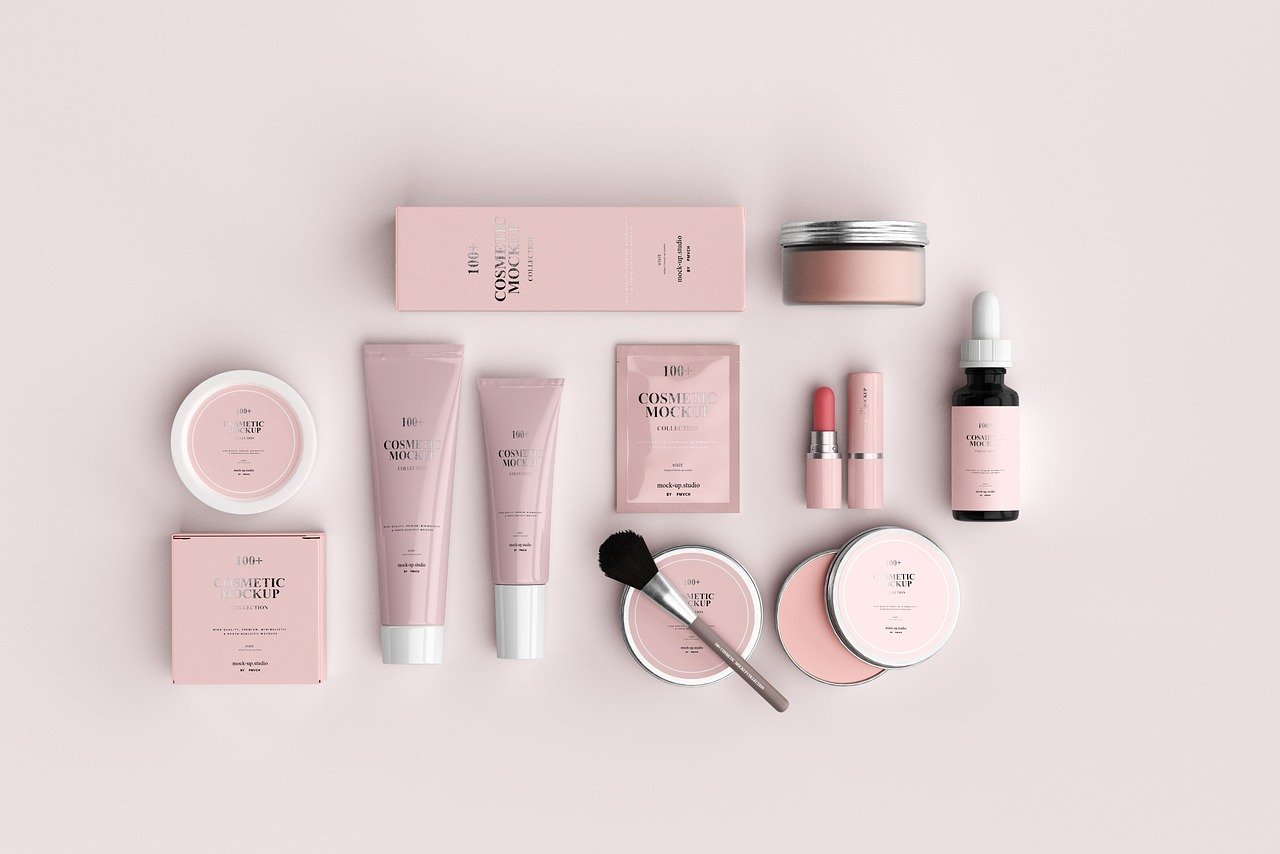
While parents and schools have a role to play, many advocates argue that the beauty industry itself needs to take greater responsibility. Marketing potent adult skincare products in ways that appeal to children — through influencer partnerships, pastel packaging, and viral social media campaigns — raises serious ethical questions.
Some countries are beginning to explore regulatory measures, including age restrictions on certain active ingredients and tighter rules around influencer marketing to minors. Whether these measures gain traction remains to be seen, but the conversation is clearly gaining momentum among policymakers, health professionals, and increasingly concerned parents.
Social media platforms also have a role to play. TikTok and Instagram have faced growing pressure to do more to protect young users from harmful content — and beauty content that promotes unrealistic skin standards or dangerous products arguably falls into that category. Algorithmic accountability is a growing demand from child welfare organisations worldwide.
A Generation Deserves Better
At the heart of all this is a generation of young girls who deserve to grow up feeling comfortable in their own skin — literally and figuratively. The pressure to look perfect, to have a flawless complexion, to spend money and time on elaborate rituals just to feel acceptable is an enormous burden to place on children who are still figuring out who they are.
Healthy skincare habits are genuinely valuable — protecting your skin from the sun, keeping it clean and moisturised, understanding your skin type. But there’s a massive difference between healthy habits and obsessive, anxiety-driven rituals fuelled by social media algorithms and savvy marketing teams. Helping young people find that balance is one of the most important things the adults in their lives can do right now.
The conversation around cosmeticorexia is only just beginning, but the urgency is real. The sooner we take it seriously — as parents, as educators, as an industry, and as a society — the better equipped we’ll be to protect a generation that is growing up in an unprecedented digital beauty landscape.
What Do You Think?
Are you worried about the impact of skincare culture on young girls? Do you think social media platforms and beauty brands need to be held more accountable — or is this primarily a parenting issue? We’d love to hear your thoughts in the comments below. Share this article with a parent or educator who needs to read it today.
This article is for informational purposes only.
Leave a Reply