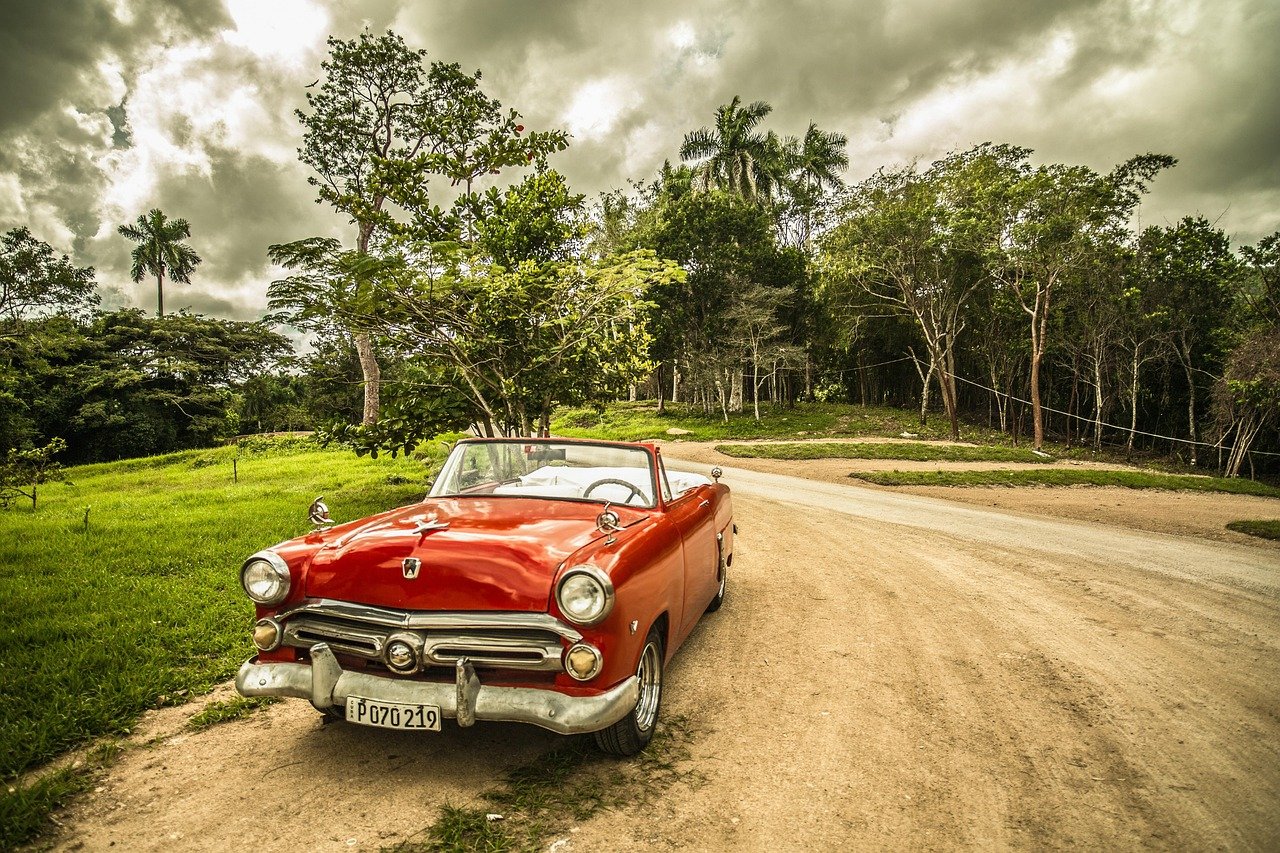
Are Convertibles Going Extinct? Why the Open-Top Car Is Fighting for Its Future
There’s something undeniably romantic about dropping the top on a sunny day, letting the wind whip through your hair as you cruise down an open road. The convertible has been a symbol of freedom, fun, and automotive glamour for over a century. But in 2024, that dream is under serious threat — and the culprit might just be the hulking SUV parked next door.
UK drivers, like much of the Western world, have fallen head over heels for sport utility vehicles. Sales of SUVs have skyrocketed over the past decade, while convertible numbers have quietly dwindled. So is the open-top car heading toward automotive history, or can it stage a dramatic comeback? Let’s dig into what’s really going on.
The Rise of the SUV and the Fall of the Cabriolet
Walk into any dealership in Britain today and you’ll be met with a wall of SUVs — towering, practical, family-friendly machines that promise adventure without actually requiring any. They’ve become the default choice for millions of drivers, and it’s not hard to see why. They’re spacious, comfortable, and feel commanding on the road.
Meanwhile, the convertible — once a staple of British summer culture — has been quietly disappearing from showroom floors. Industry data suggests that cabriolet models now account for a tiny fraction of new car sales in the UK. Several major manufacturers have already axed their open-top models entirely, citing weak demand and the enormous cost of developing new platforms.
It’s a stark reversal of fortune for a car type that was once aspirational gold. Think of the iconic Mazda MX-5, the Porsche 911 Cabriolet, the BMW 4 Series Convertible — these were cars people dreamed about. Now, increasingly, they’re cars people remember fondly but don’t actually buy.
Why Did We Fall Out of Love With the Open Road?
There are a few very practical reasons why the convertible has lost its shine. First and foremost: the British weather. Let’s be honest — the UK is not exactly famous for its long, sun-drenched summers. Buying a convertible in a country where it rains more than 150 days a year is, statistically speaking, a questionable decision.
Then there’s the cost factor. Convertibles have always commanded a premium price over their hardtop equivalents. In an era of rising living costs, energy bills, and economic uncertainty, paying extra for the privilege of occasionally removing your roof feels like a hard sell to most buyers.
Safety perceptions also play a role. While modern convertibles are actually remarkably safe — featuring reinforced frames, roll bars, and advanced airbag systems — many drivers still associate open-top cars with vulnerability. The towering presence of an SUV, by contrast, feels protective and reassuring.
The Electric Revolution Is Complicating Things Further
The shift toward electric vehicles is adding another layer of complexity to the convertible’s uncertain future. Developing a new electric convertible is extraordinarily expensive. EV platforms are heavy due to large battery packs, and the structural compromises required to create a convertible body make the engineering challenge even greater.
Most automakers are prioritising their EV budgets on high-volume, high-profit vehicles — which means SUVs, crossovers, and family hatchbacks. Niche models like convertibles are being pushed to the back of the queue, or dropped altogether.
There are some exceptions, of course. Luxury brands like Porsche and Mercedes-Benz continue to offer electric and hybrid convertible options, but these are priced well beyond the reach of the average buyer. The dream of an affordable electric cabriolet remains just that — a dream.
The Emotional Argument — Why Convertibles Still Matter
Here’s the thing though: the convertible has never really been about logic. Nobody buys a drop-top because it makes financial sense. They buy it because of how it makes them feel. And that emotional connection is something no SUV — no matter how luxurious — can fully replicate.
There’s a reason the Mazda MX-5 has remained in continuous production since 1989 and has sold over a million units worldwide. It’s not the most practical car. It’s not the fastest. It’s not the most technologically advanced. But it delivers pure, unadulterated driving joy in a way that few other cars can match.
Enthusiast communities around convertibles remain fiercely passionate. Classic car shows, open-top driving clubs, and weekend touring groups continue to thrive. The love for the cabriolet hasn’t disappeared — it’s just become more niche, more concentrated among true believers rather than the mainstream market.
Could a Convertible Revival Actually Happen?
Interestingly, there are some signs that the convertible could be due for a cultural resurgence. Retro and nostalgia trends are powerful forces in the automotive world. We’ve seen the revival of the Ford Bronco, the Fiat 500, and various other classic nameplates that tapped into consumer nostalgia. A well-timed, well-designed convertible revival could capture that same energy.
There’s also the growing “experience economy” angle. Younger consumers — particularly millennials and Gen Z — are increasingly prioritising experiences over possessions. A convertible, with its promise of sensory immersion and connection to the driving experience, fits neatly into this mindset. It’s not just a car; it’s a lifestyle statement.
Some industry analysts believe that as the SUV market becomes saturated and buyers look for ways to differentiate themselves, the convertible could benefit from a “cool factor” revival. Being the person who shows up in a sleek cabriolet when everyone else is driving an identical crossover? That’s a form of automotive individuality that has real appeal.
What the Numbers Actually Tell Us
Despite the doom and gloom, the convertible market hasn’t completely collapsed. High-end models from Porsche, Ferrari, Lamborghini, and Bentley continue to sell strongly to wealthy buyers who aren’t constrained by the same economic pressures as the average consumer. The ultra-luxury convertible segment is actually quite healthy.
The mid-market is where the pain is most acute. Models that once sold in reasonable volumes — like the Volkswagen Eos or the Renault Wind — have been discontinued without replacement. Manufacturers simply don’t see enough volume to justify the investment in new platforms.
The Mazda MX-5 remains the great survivor of the affordable convertible segment, continuing to win awards and attract devoted fans year after year. Its success proves that there is still a market for a well-executed, affordable open-top car — it just needs to be done right.
The Verdict: Sunset or Sunrise?
The honest answer is that the convertible is unlikely to disappear entirely, but it will probably never reclaim its former place in the mainstream market. It’s becoming a specialist product — something for enthusiasts, retirees enjoying the fruits of their labour, and wealthy buyers seeking a weekend toy.
That’s not necessarily a bad thing. Some of the best cars in history have been low-volume, passion-driven machines that defied commercial logic. The convertible’s move to a more exclusive niche might actually protect it — manufacturers who continue to offer them will do so because they genuinely believe in the product, not just because it shifts volume.
The SUV’s dominance is real and isn’t going away anytime soon. But the convertible has survived economic downturns, fuel crises, and changing tastes before. It has something the SUV can never offer: the feeling of the sun on your face and the sky above your head as you drive. And as long as that feeling exists, the convertible will find its champions.
What Do You Think?
Is the convertible a dying breed, or do you think open-top cars deserve a proper comeback in the age of electric vehicles and experience-driven culture? Would you ever buy a convertible over an SUV — and if so, what would make you take the plunge? Drop your thoughts in the comments and let us know where you stand!
This article is for informational purposes only.
Leave a Reply