Volcano Guide Speaks Out: “I Led Hikers Up Mount Dukono — Then It Erupted Without Warning”
It was supposed to be just another trek up one of Indonesia’s most active volcanoes. But on Friday, a routine hike turned into a terrifying fight for survival when Mount Dukono suddenly erupted, killing three people and leaving a trail guide shaken to his core. Now, that guide is sharing his harrowing firsthand account of the moments that changed everything.
Mount Dukono, located on the island of Halmahera in North Maluku province, is no stranger to volcanic activity. It’s one of Indonesia’s most consistently active volcanoes, which makes it a magnet for adventurous hikers from around the world. But even the most experienced guides can’t always predict when nature will turn deadly — and Friday’s eruption proved that in the most devastating way possible.
A Morning That Started Like Any Other
The guide, who has been leading groups up Mount Dukono for years, described the morning as calm and seemingly normal. The group set off with excitement, the kind of energy that comes with scaling an active volcano — thrilling, a little edgy, but manageable. Nothing in the early hours suggested that disaster was just around the corner.
Hikers were in good spirits as they made their way up the familiar trail. Mount Dukono regularly emits gases and small ash clouds, so a bit of volcanic activity isn’t unusual. Experienced guides factor this into their risk assessments before every climb. But what happened next was on a completely different scale from anything routine.
The Moment the Mountain Woke Up
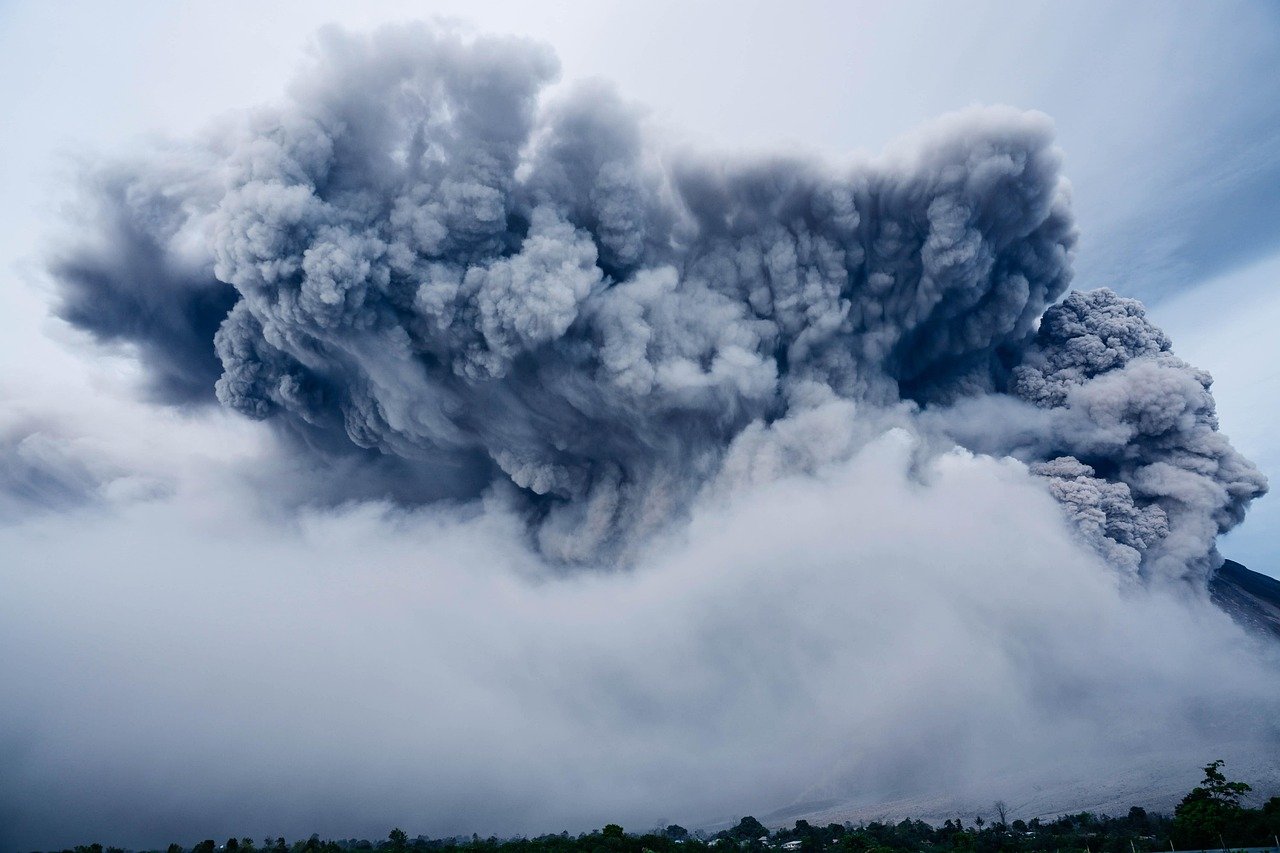
According to the guide’s account, the eruption hit with almost no warning. One moment the group was moving along the trail, and the next, the mountain exploded into life — sending ash, rocks, and volcanic material surging outward in a terrifying blast. The sound alone was described as deafening, a roar that seemed to come from the earth itself.
Panic set in immediately. The guide’s instincts kicked in and he began directing people away from the blast zone, urging them to run and take cover wherever possible. In situations like these, seconds count — and the chaos of an unexpected eruption makes every decision feel impossibly high-stakes.
Three members of the hiking group did not survive the eruption. It’s a loss that weighs heavily not just on the guide, but on the entire local community and the families of those who perished. Volcanic eruptions of this suddenness are a grim reminder of just how unpredictable and powerful nature truly is.
Indonesia’s Deadly Ring of Fire
Indonesia sits right in the heart of the Pacific Ring of Fire, a zone of intense seismic and volcanic activity that stretches across much of the Pacific Ocean. The country is home to more than 130 active volcanoes — more than almost any other nation on Earth. It’s a geological reality that shapes daily life for millions of Indonesians.
Mount Dukono has been erupting almost continuously since 1933, making it one of the most persistently active volcanoes in the country. Scientists and volcanologists monitor it closely, but predicting the exact timing and intensity of eruptions remains one of the greatest challenges in earth science. Even with modern technology, nature can still catch us off guard.
Volcanic tourism is a real and thriving industry in Indonesia. Destinations like Mount Bromo, Mount Rinjani, and yes, Mount Dukono, draw thousands of adventure-seeking tourists every year. The appeal is undeniable — there’s nothing quite like standing on the edge of an active crater and staring into the raw power of the Earth. But Friday’s tragedy is a stark reminder that this kind of adventure always carries serious risk.
Search and Rescue Efforts Launch Immediately
Indonesian authorities and emergency services mobilized quickly after the eruption was reported. Search and rescue teams were deployed to the mountain to locate survivors, assist the injured, and recover those who had been killed. The terrain around an active volcano is notoriously difficult to navigate, especially in the aftermath of an eruption when ash and debris can make paths treacherous.
Local officials confirmed the deaths and indicated that several other hikers were injured during the incident. The exact number of people on the mountain at the time of the eruption is still being established as authorities work to account for everyone who had registered for the hike that day.
The guide himself, while physically unharmed, is clearly carrying the emotional weight of what happened. Leading people up a mountain and bringing them home safely is the most fundamental responsibility of any guide — and when tragedy strikes despite your best efforts, the psychological toll can be immense.
Questions About Volcanic Tourism Safety
In the wake of the eruption, questions are already being raised about the safety protocols surrounding volcanic tourism in Indonesia. Should stricter access controls be put in place? Are warning systems adequate? Is enough being done to educate tourists about the very real dangers they’re taking on when they choose to hike active volcanoes?
These are not new questions. Indonesia has faced similar scrutiny after previous volcanic incidents, including the deadly 2014 eruption of Mount Ontake in neighbouring Japan, which killed 63 hikers and sparked global conversations about volcano tourism safety. Every major incident reignites the debate about where the line should be drawn between adventure tourism and reckless endangerment.
Volcano experts point out that while monitoring technology has improved significantly, there’s still no foolproof system for predicting sudden eruptions. Phreatic eruptions — caused by water interacting with hot volcanic rock — can occur with little to no warning and are particularly difficult to forecast. Mount Dukono’s eruption on Friday may have been of this type, though investigations are ongoing.
The Human Stories Behind the Headlines
Beyond the statistics and the geological explanations, there are real human stories at the heart of this tragedy. Three people went up a mountain on a Friday morning full of adventure and excitement, and never came home. Their families are now grieving, and the ripple effects of that loss will be felt for a long time.
The guide who led the group is not just a witness to this tragedy — he’s a survivor carrying the memory of what happened on that mountain. His willingness to share his story is both brave and important. It puts a human face on a disaster that could otherwise become just another news headline, and it serves as a powerful reminder of the stakes involved every time someone chooses to explore the world’s most dramatic landscapes.
Indonesia’s volcanoes are breathtaking, awe-inspiring, and deeply culturally significant. Many local communities have lived in the shadow of these mountains for generations, building their lives and livelihoods around them. Respecting their power isn’t about fear — it’s about understanding that some forces on this planet are simply beyond our control.
What Happens Next?
Indonesian authorities are expected to review access restrictions to Mount Dukono in the coming days and weeks. The volcano’s alert level may be raised, and hiking permits could be suspended while investigations into the eruption are carried out. This is standard procedure following a deadly volcanic incident in the country.
For the guide who led Friday’s hike, the road ahead will involve not just processing the trauma of what he witnessed, but also cooperating with official inquiries and, in time, deciding whether he’ll ever lead another group up a volcano. It’s a deeply personal decision that only he can make.
What’s clear is that this story has resonated around the world — because it speaks to something universal. The desire to push boundaries, to experience the raw power of nature, to stand somewhere few others have stood. That desire is human and beautiful. But it comes with responsibilities, and sometimes, with consequences that no one could have predicted.
Final Thoughts
Friday’s eruption of Mount Dukono is a tragedy that has claimed three lives and left an entire community shaken. It’s a story about bravery, loss, and the humbling reality of living on a planet that operates on its own terms. The guide who led those hikers up the mountain showed courage in the aftermath, and his account is something the world needed to hear.
As investigations continue and families mourn, the global conversation about volcanic tourism safety will intensify. And somewhere on the island of Halmahera, a mountain continues to breathe — indifferent, ancient, and impossibly powerful.
What do you think? Should stricter regulations be put in place for hiking active volcanoes, or should adventurers have the freedom to make their own risk decisions? Drop your thoughts in the comments — we’d love to hear from you.
This article is for informational purposes only.
Leave a Reply