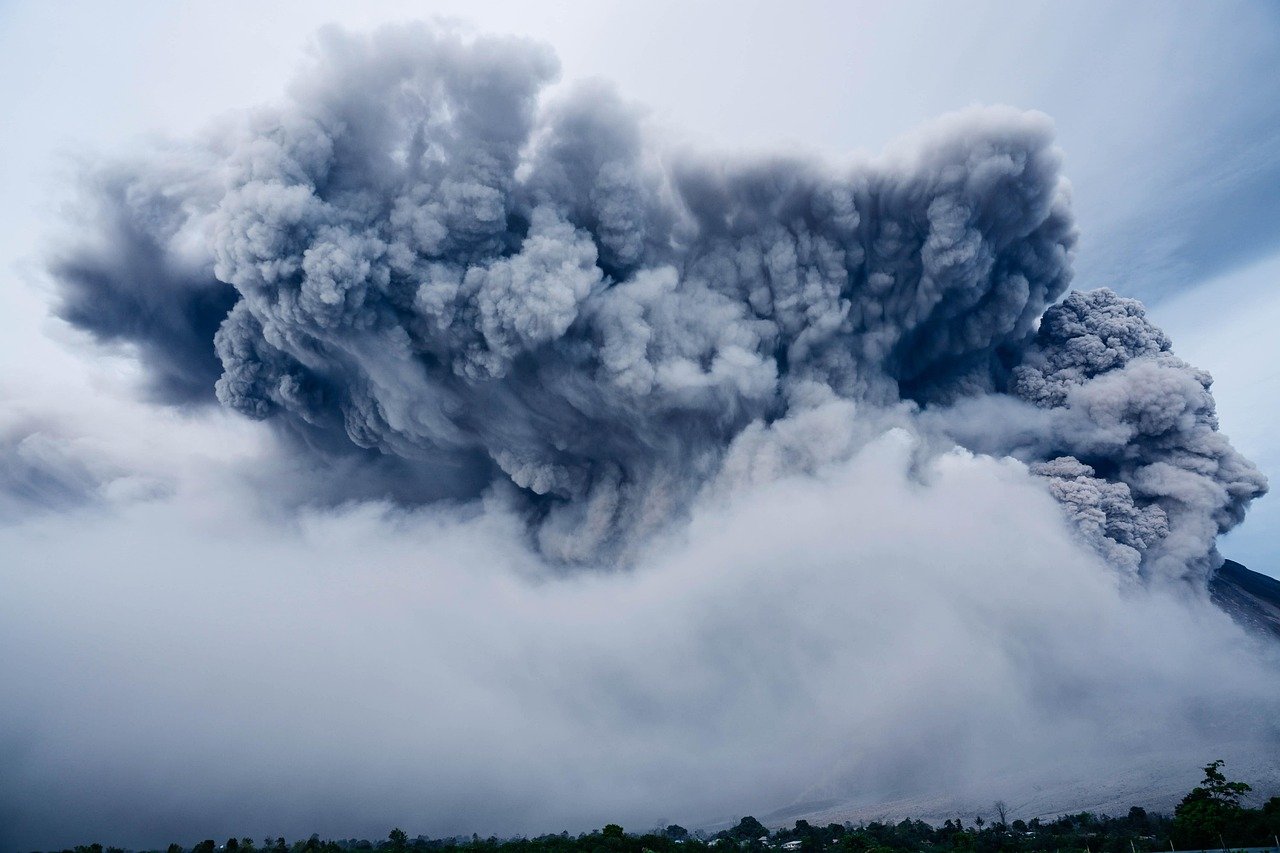
Inside the Terrifying Moment an Indonesian Volcano Erupted Mid-Hike — A Guide’s Firsthand Account
Imagine leading a group of hikers up a majestic volcano, the air crisp and the views breathtaking — and then the mountain suddenly explodes beneath you. That’s exactly what happened to an Indonesian guide on Mount Dukono, and his story is as harrowing as it gets.
The eruption of Mount Dukono on Friday sent shockwaves through Indonesia and captured global attention, leaving three people dead and raising urgent questions about the safety of hiking active volcanoes. The guide who was leading the group that day has now spoken out, sharing a gripping firsthand account of the chaos and terror that unfolded in mere seconds.
The Calm Before the Storm
Mount Dukono, located on the island of Halmahera in North Maluku province, is one of Indonesia’s most active volcanoes. It has been in a near-constant state of low-level activity for decades, but that Friday, something far more violent was brewing beneath the surface.
The guide described the morning as seemingly normal — a group of hikers eager to experience the raw beauty of one of Indonesia’s volcanic landscapes. The trail was familiar, the weather was manageable, and spirits were high. Nobody had any reason to believe that this particular hike would turn into a fight for survival.
According to the guide, the group had made significant progress up the mountain when the first signs of unusual activity began. There was a deep rumbling sound, almost like distant thunder, followed by a sudden change in the air quality. The smell of sulfur intensified rapidly — a warning sign that experienced guides know to take seriously.
The Eruption Hits Without Warning
What happened next unfolded with terrifying speed. The guide recounted how the volcano unleashed a massive eruption, sending volcanic ash, rocks, and pyroclastic material surging outward with devastating force. There was no time for a measured evacuation — it was pure instinct and survival mode.
“We had no time,” the guide reportedly described. The eruption column shot skyward, and hot volcanic debris began raining down on the hikers and their guide. Visibility dropped almost instantly as thick ash clouds enveloped the area, making it nearly impossible to see more than a few feet ahead.
The guide made desperate attempts to direct the group to safety, shouting instructions through the chaos. But the force and speed of the eruption made organized movement incredibly difficult. The mountain that had seemed so welcoming just minutes earlier had transformed into a deadly, unpredictable force of nature.
Three Lives Lost on the Mountain
Tragically, three people did not make it off the mountain alive. The deaths have sent grief through local communities and sparked an outpouring of condolences from across Indonesia and beyond. The identities of the victims have been shared with their families, and rescue teams worked tirelessly in the aftermath to account for all hikers on the mountain that day.
Search and rescue operations faced enormous challenges given the ongoing volcanic activity and the treacherous conditions left in the eruption’s wake. Thick ash deposits, unstable terrain, and the risk of further eruptions made every step of the rescue effort dangerous for the teams involved.
Indonesian authorities confirmed the fatalities and launched a full investigation into the circumstances surrounding the eruption and the hiking activity on the mountain at the time. Questions are now being asked about warning systems, access restrictions, and whether more could have been done to prevent hikers from being on the volcano when it erupted.
Indonesia’s Deadly Volcanic Landscape
Indonesia sits on the so-called “Ring of Fire” — a massive arc of volcanic and seismic activity that stretches around the Pacific Ocean. The country is home to more than 130 active volcanoes, making it one of the most volcanically active nations on Earth. It’s a landscape of extraordinary beauty, but also extraordinary danger.
Mount Dukono has been particularly active over the years, and scientists have long monitored it closely. Eruptions at Dukono are not uncommon, but the scale of Friday’s event caught many off guard. The volcano’s activity level had apparently escalated rapidly, giving little time for authorities to issue broader warnings or for people on the mountain to react.
This is not the first time Indonesia has faced tragedy linked to volcanic activity. In recent years, eruptions at other volcanoes across the archipelago have claimed lives and displaced thousands of residents. The country has sophisticated monitoring systems in place, but the sheer number of active volcanoes and the unpredictable nature of eruptions means that danger can never be fully eliminated.
The Guide’s Survival and Emotional Aftermath
For the guide who led the group up Mount Dukono that day, survival came with an enormous emotional burden. Speaking in the aftermath of the disaster, he described the overwhelming sense of helplessness that came with watching the mountain erupt around him and his group. The weight of responsibility that guides carry in these situations is immense.
His account has resonated deeply with the hiking and adventure travel community around the world. Guides who lead groups up active volcanoes operate in a profession that demands both expertise and split-second decision-making. When nature turns against you on that scale, even the most experienced professionals can find themselves powerless.
The guide’s willingness to speak publicly about the experience is being seen as an act of courage in itself. By sharing what happened, he is helping authorities, the hiking community, and future travelers understand the real risks involved in volcano tourism — and potentially saving lives in the process.
Volcano Tourism: A Global Phenomenon With Real Risks
Hiking active volcanoes has become increasingly popular in recent years, with destinations like Mount Etna in Sicily, Kilauea in Hawaii, and various peaks across Indonesia drawing thousands of adventure-seekers annually. The allure is undeniable — there is something primal and awe-inspiring about standing on the edge of a crater and witnessing the raw power of the Earth.
But Friday’s tragedy on Mount Dukono is a stark reminder that these experiences come with very real risks. Volcanoes are inherently unpredictable, and even the most carefully monitored mountains can erupt with little warning. The question of how to balance access for tourists and the safety of both visitors and local guides is one that governments and adventure tourism operators around the world are grappling with.
In Indonesia, the government has periodically imposed restrictions on hiking near active volcanoes, and monitoring agencies regularly update alert levels based on seismic and volcanic data. But enforcement can be challenging, and the economic importance of tourism in many of these regions creates pressure to keep trails open even when risks are elevated.
What Happens Next?
In the immediate aftermath of the eruption, Indonesian authorities raised the alert level for Mount Dukono and imposed a strict exclusion zone around the volcano. Residents and travelers in the surrounding area were warned to stay well clear and to wear protective masks as ash continued to fall across nearby communities.
Volcanologists and government officials are now conducting a thorough assessment of the eruption to better understand what triggered the sudden escalation in activity and what it might mean for the volcano’s behavior in the coming weeks and months. Continuous monitoring is ongoing, and updates are being communicated to local communities regularly.
For the families of the three people killed, no amount of investigation or policy review will bring back their loved ones. Their loss is a painful reminder of the price that can be paid when adventure meets the untamable forces of nature. The hiking community is mourning, and tributes have been pouring in from across the world.
A Story That Will Stay With Us
The account of the Indonesian guide who led his group up Mount Dukono — and survived one of the most terrifying natural events imaginable — is one of those stories that cuts straight through to the heart. It speaks to human courage, the power of nature, and the fragile line between an extraordinary adventure and a life-altering catastrophe.
As the world processes this tragedy, there is an opportunity to reflect on how we approach adventure travel, how we support the guides and local workers who make these experiences possible, and how we can better protect people from the unpredictable fury of active volcanoes. The mountain will continue to rumble — it always does. The question is whether we are prepared for what comes next.
What do you think? Should hiking on active volcanoes be more strictly regulated, or is the risk part of the adventure that travelers knowingly accept? Drop your thoughts in the comments — we want to hear from you.
This article is for informational purposes only.
Leave a Reply