
Category: Entertainment & Celebrity

Hollywood and global entertainment news, celebrity updates, movie releases, TV shows, award shows, music, and the biggest names in showbiz.

  • ‘Hardest video I’ve had to make’ – KSI quits Sidemen after 13 years

    ‘Hardest video I’ve had to make’ – KSI quits Sidemen after 13 years


    KSI Quits the Sidemen After 13 Years in Emotional Goodbye: ‘This Was the Hardest Video I’ve Ever Had to Make’

    In a move that has sent shockwaves across the internet, KSI — one of YouTube’s biggest stars — has officially announced his departure from the Sidemen, the iconic British YouTube group he helped build from the ground up back in 2013. The announcement came via an emotional video that the star, whose real name is Olajide Olatunji, described as “the hardest video I’ve had to make.”

    For millions of fans around the world, this news hits differently. The Sidemen aren’t just a YouTube group — they’re a cultural institution. And KSI leaving after 13 years feels like the end of an era that shaped an entire generation of online entertainment.

    Who Are the Sidemen and Why Does This Matter?

    If you’re somehow unfamiliar, the Sidemen are a group of British YouTubers who came together in 2013 and became one of the most successful content creator collectives in internet history. The group includes household names like KSI, Miniminter, Vikkstar123, TBJZL, Behzinga, Zerkaa, and W2S. Together, they’ve amassed hundreds of millions of subscribers and billions of views across their individual and collective channels.

    Their content — ranging from football challenges and FIFA videos to elaborate real-world games and massive charity matches — has defined what group YouTube content looks like. The Sidemen vs YouTube All-Stars charity football matches alone have drawn sold-out stadiums and millions of live viewers. This group isn’t just popular. They’re legendary.

    So when KSI, arguably the most globally recognized face of the group, says he’s walking away, the internet has every reason to stop and pay attention.

    KSI’s Emotional Announcement

    In the video, KSI was visibly emotional as he explained his decision to step away from the group. He made it clear this wasn’t a decision he took lightly, describing it as one of the most difficult things he’s ever had to do publicly. Fans watching the video noted that the usually confident and boisterous star appeared genuinely torn and reflective throughout.

    KSI acknowledged the incredible journey the Sidemen had been on together — the highs, the lows, the controversies, and the triumphs. He spoke about how much the group had meant to him personally and professionally over the past 13 years. But he also made it clear that he felt it was time to move forward on his own path.

    The announcement quickly went viral, trending across Twitter/X, YouTube, TikTok, and Instagram within hours. Fans flooded social media with reactions ranging from heartbreak to support, and fellow creators from across the internet chimed in with their thoughts.

    From Bedroom YouTube to Global Superstar

    To understand why this departure feels so significant, you have to understand KSI’s journey. He started making YouTube videos as a teenager, initially focused on FIFA gaming content. His raw energy, humor, and willingness to be completely himself resonated with a generation of young viewers who were looking for something different from traditional media.

    Over the years, KSI evolved far beyond YouTube. He ventured into music and surprised virtually everyone by becoming a legitimate chart-topping artist. His tracks have hit the UK Top 10, and he’s collaborated with major names in the music industry. He’s also carved out a serious career in boxing, having fought — and defeated — some notable opponents in high-profile bouts that drew massive pay-per-view audiences.

    He co-founded Prime Hydration alongside fellow creator Logan Paul, which became one of the fastest-growing sports drink brands in history, landing deals with major sports organizations and retailers worldwide. KSI, in short, has become a genuine multi-platform mogul. And perhaps that’s exactly why this moment was always coming.

    What Led to This Decision?

    While KSI didn’t go into exhaustive detail about the specific reasons behind his departure, the broader context tells a story. Over the past few years, it’s been clear that KSI’s career has expanded far beyond what the Sidemen collective can contain. His music, his boxing career, his business ventures — all of these have increasingly demanded his full attention.

    There’s also been speculation over the years about tensions within the group, as is natural with any long-running creative collective. The Sidemen themselves have had their share of public disputes in the past, including a well-documented falling out in 2017 that temporarily fractured the group before they reconciled. This time, however, KSI’s departure appears more permanent and more about personal growth than any specific conflict.

    It’s worth noting that KSI’s individual YouTube channel and his broader brand have long since outgrown the Sidemen umbrella in many respects. With tens of millions of subscribers and a fanbase that spans every continent, KSI has become something bigger than any single group — and stepping out on his own seems like the natural next chapter.

    Fan Reactions: Heartbreak, Support, and Everything In Between

    The internet, predictably, erupted. Within hours of the video going live, #KSI and #Sidemen were trending globally. Fans who had grown up watching both KSI and the Sidemen expressed genuine grief over the news, with many sharing their favorite memories and moments from over the years.

    Some fans were supportive, celebrating KSI’s decision as a brave and honest move. Others were heartbroken, arguing that the Sidemen simply won’t be the same without their most prominent member. A few were skeptical, wondering whether this might be a temporary split — similar to 2017 — or whether this time it’s truly the end of an era.

    Fellow creators and celebrities also weighed in across social media. Many praised KSI for his honesty and vulnerability in making the announcement the way he did, rather than quietly fading away or making a cold, corporate-style statement.

    What’s Next for KSI?

    If his track record is anything to go by, KSI is not slowing down. If anything, leaving the Sidemen likely signals a new phase of ambition for Olajide Olatunji. He’s already hinted at more music, more boxing, and continued expansion of his business empire. Prime Hydration continues to grow aggressively in markets across the USA, UK, Australia, and beyond.

    There’s also the question of what his solo YouTube content will look like without the Sidemen framework. KSI has always been at his best when he’s pushing boundaries and trying new things — so fans can reasonably expect some exciting, unexpected moves in the months ahead.

    And while the Sidemen will continue without him — the remaining members have made clear they intend to carry on — the group’s dynamic will inevitably shift. Replacing KSI’s energy, reach, and star power is simply not possible. The remaining members are all talented creators in their own right, but there’s no denying that the group’s global profile is intrinsically tied to KSI’s name.

    The End of an Era — Or the Start of Something Bigger?

    Thirteen years is a long time in any industry, but in the world of YouTube and social media, it’s practically a lifetime. The Sidemen grew up on camera, made mistakes on camera, achieved incredible things on camera, and built something that millions of people genuinely love. KSI was at the center of all of it.

    His departure marks the close of a specific chapter — not just for him, but for an entire generation of fans who grew up alongside him. But knowing KSI, this ending is almost certainly the beginning of something even bigger. He’s never been someone who stands still, and there’s every reason to believe his most impactful work is still ahead of him.

    Whatever comes next, one thing is certain: the internet will be watching closely. KSI built his career on keeping people hooked, and even in leaving the Sidemen, he’s managed to do exactly that.

    What Do You Think?

    Are you shocked by KSI’s decision to leave the Sidemen, or did this feel inevitable given how massive his solo career has become? Do you think the Sidemen can thrive without him, or is this the beginning of the end for the group? Drop your thoughts in the comments — we want to hear from fans across the globe on this one.

    This article is for informational purposes only.
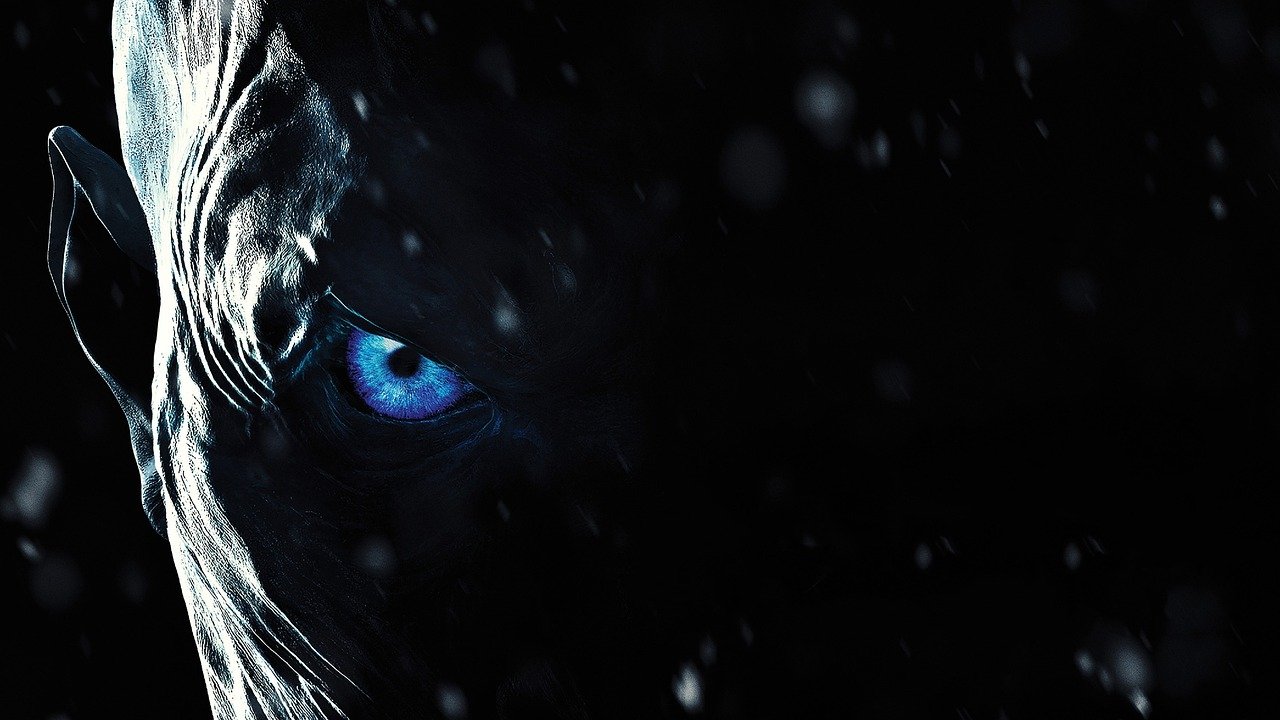

  • Russell T Davies’ chilling new drama takes aim at disinformation

    Russell T Davies’ chilling new drama takes aim at disinformation


    Russell T Davies’ Gripping New Drama ‘Tip Toe’ Is About to Change How You Think About Disinformation

    Russell T Davies — the genius behind Doctor Who, It’s a Sin, and Queer as Folk — is back with something that feels more urgent and more unsettling than anything he’s tackled before. His brand-new BBC drama Tip Toe is diving headfirst into the world of disinformation, and early glimpses from the set suggest this one is going to hit very differently.

    BBC News recently got exclusive behind-the-scenes access to the production, and what they found was a drama that feels ripped straight from today’s headlines — a chilling, timely story that asks some deeply uncomfortable questions about truth, media, and the world we’re all living in right now.

    What Is ‘Tip Toe’ Actually About?

    While full plot details are still being kept tightly under wraps, what we do know is that Tip Toe centres around the dangerous spread of disinformation in the modern age. Think fake news, viral lies, manipulated media — all the things that have become disturbingly commonplace in the social media era.

    Davies has never been one to shy away from big, bold social commentary. His work has always carried a beating emotional heart alongside its sharp cultural observations. With Tip Toe, it sounds like he’s channelling that same energy into a story that could feel genuinely alarming for audiences who are already navigating a world drowning in misinformation.

    The drama is being produced for the BBC, which means it’s going to reach a massive audience across the UK and beyond. Given Davies’ track record, expectations are already sky-high — and from what the behind-the-scenes footage suggests, this one is going to deliver something special.

    Behind the Scenes: What BBC News Saw on Set

    BBC News was granted rare access to the Tip Toe set, giving audiences a tantalising peek at the production in action. The footage and reporting paint a picture of a drama that’s being crafted with real care and precision — exactly what you’d expect from a showrunner of Davies’ calibre.

    The production design looks sleek and modern, reflecting a contemporary world that audiences will immediately recognise. There’s a tension baked into every frame — a sense that the story being told is not some far-off dystopian fantasy, but something that could be unfolding right now, in real time, on your phone screen.

    Davies himself has been characteristically passionate about the project. He’s spoken about the importance of tackling disinformation through drama — using storytelling to make people feel the impact of lies in a way that dry news reporting simply can’t achieve. That’s the power of great television, and Davies knows how to wield it better than almost anyone working today.

    Why Disinformation Is the Perfect Subject for Drama Right Now

    We’re living through what many experts are calling a disinformation crisis. Social media platforms have made it easier than ever to spread false narratives at lightning speed, and the consequences — for individuals, communities, and societies — can be devastating.

    From health misinformation to manipulated political narratives, from deepfake videos to coordinated online harassment campaigns, the ways in which disinformation operates have become increasingly sophisticated and increasingly dangerous. It’s a subject that touches all of our lives, whether we realise it or not.

    That’s precisely why Tip Toe feels so important. Drama has an incredible ability to make abstract issues feel personal and visceral. When you’re watching a character you care about be destroyed by a lie that spreads uncontrollably online, it hits differently than reading a think-piece about algorithmic amplification. Davies clearly understands this, and he’s using it to full effect.

    Russell T Davies: The Master of Socially Charged Television

    If anyone can pull off a drama about disinformation without it feeling preachy or heavy-handed, it’s Russell T Davies. His career has been defined by an ability to wrap complex, often painful social truths inside stories that are compulsively watchable and deeply human.

    It’s a Sin — his devastating portrayal of the AIDS crisis among a group of young gay men in 1980s London — is perhaps the best recent example of this. It was a show that educated, enraged, and broke hearts in equal measure. It didn’t lecture its audience; it made them fall in love with its characters and then showed them the brutal consequences of societal indifference.

    There’s every reason to believe Tip Toe will follow a similar template. Davies is a writer who trusts his audience — he doesn’t simplify or sanitise. He goes to the dark places, and he brings you with him.

    The Cast and Creative Team

    Full casting details for Tip Toe haven’t been officially confirmed at the time of writing, but given Davies’ history of assembling extraordinary ensembles, expectations are high. His productions have launched careers and revitalised others — he has a remarkable eye for talent.

    The creative team around him is equally important. Davies surrounds himself with collaborators who share his commitment to quality and his appetite for ambition. Tip Toe is being made with the full backing of the BBC, which means it has the resources and the platform to make a real impact.

    Watch this space — as casting news and further production details emerge, the anticipation around this drama is only going to grow.

    What This Means for British Television

    British television has always punched above its weight on the world stage, and dramas like Tip Toe are a big reason why. The BBC in particular has a long tradition of commissioning work that challenges, provokes, and enriches its audience.

    In an era when streaming services are competing fiercely for eyeballs and the pressure to produce safe, commercially palatable content is enormous, it matters that a broadcaster like the BBC is still willing to back bold, socially engaged drama. Tip Toe feels like exactly the kind of project that reminds you why public broadcasting still has a vital role to play.

    And with Russell T Davies at the helm, it has the creative firepower to cut through the noise and actually make people think — and feel — differently about the world they’re living in.

    When Can We Expect to See ‘Tip Toe’?

    An official release date for Tip Toe hasn’t been announced yet, but production is clearly well underway given the behind-the-scenes access granted to BBC News. If all goes to plan, it seems likely that audiences could be watching it sooner rather than later.

    Given the subject matter’s urgency and Davies’ profile, it wouldn’t be surprising if the BBC positions this as a major event drama — the kind of show that gets the whole country talking. That’s certainly what Davies’ recent track record would suggest.

    For now, the behind-the-scenes glimpses are doing exactly what good drama marketing should do: building intrigue, generating conversation, and making audiences desperately want to see more. Mission accomplished on that front.

    The Bigger Picture: Art in the Age of Fake News

    There’s something quietly radical about a major broadcaster commissioning a drama specifically designed to interrogate disinformation. It’s an acknowledgement that the crisis is real, that it matters, and that storytelling has a role to play in helping society grapple with it.

    Davies has always believed in the power of television to change minds and open hearts. With Tip Toe, he’s taking on one of the defining challenges of our time — and if his track record is anything to go by, he’s going to do it in a way that’s impossible to look away from.

    This is the kind of television that reminds you why the medium matters. And in a world saturated with content, that’s no small thing.

    What Do You Think?

    Are you excited for Russell T Davies’ new drama Tip Toe? Do you think television is the right medium to tackle the disinformation crisis — and can drama actually change the way people think about fake news? Drop your thoughts in the comments and let us know!

    This article is for informational purposes only.
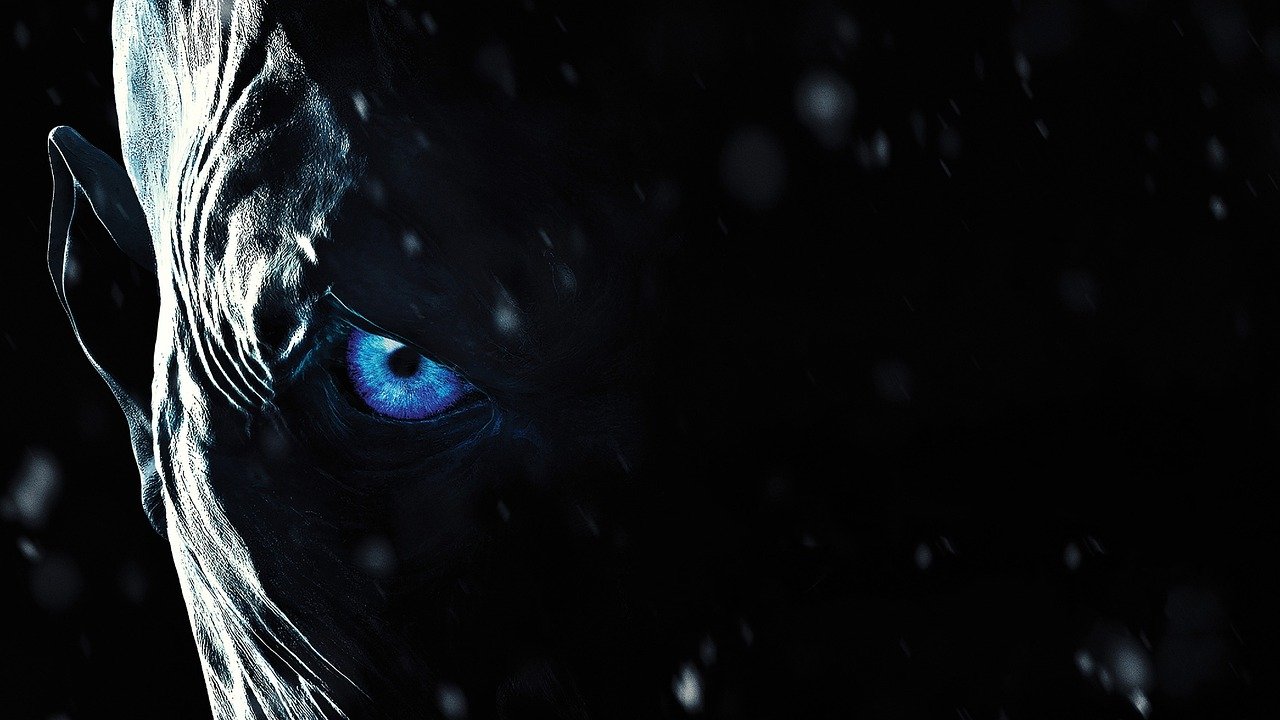
  • ‘Almost rage bait’: Has Euphoria gone from defining Gen Z to dividing them?

    ‘Almost rage bait’: Has Euphoria gone from defining Gen Z to dividing them?


    Has Euphoria Lost Its Gen Z Crown? Why the Show That Defined a Generation Is Now Dividing It

    It was the show that felt like a generation looking directly into a mirror — raw, messy, uncomfortably real. HBO’s Euphoria burst onto screens in 2019 and instantly became the cultural touchstone for Gen Z. The glittery eye makeup, the devastating storylines, the Zendaya-led emotional chaos — it was unlike anything on television before it.

    But as Season 3 wraps up this Monday, something has shifted. Many of the show’s most passionate original fans are openly saying they’ve “outgrown” it — and some are going even further, calling parts of it “almost rage bait.” So what happened? How did the defining show of a generation become its most controversial one?

    From Cultural Phenomenon to Cultural Flashpoint

    When Euphoria first premiered, it was genuinely groundbreaking. Creator Sam Levinson crafted a show that tackled addiction, identity, trauma, and sexuality with a visual boldness that nobody had seen in a teen drama before. Zendaya’s portrayal of Rue Bennett wasn’t just good TV — it was a performance that felt like it was speaking directly to millions of young people navigating their own struggles.

    Season 2, which aired in early 2022, pulled in massive viewing numbers and kept the internet buzzing for weeks. Memes, breakdowns, fan theories, and emotional reactions flooded social media every single week. It felt like a shared cultural experience in the truest sense.

    But the cracks started to appear. Some viewers began questioning whether the show was depicting difficult realities responsibly — or whether it was glorifying them. The criticism quietly built, and by the time Season 3 arrived, it had turned into a full-blown debate.

    What Fans Are Actually Saying

    Social media has been flooded with reactions from long-time fans who describe a complicated relationship with the show now. Many say they loved it deeply in their late teens or early twenties, but returning to it now feels different — almost jarring.

    “I feel like I’ve grown past what this show is trying to do,” one fan wrote on X (formerly Twitter), a sentiment that was liked thousands of times. Others described feeling “emotionally exhausted” by storylines that seem to pile on tragedy without meaningful resolution or growth for the characters.

    The “rage bait” accusation is particularly interesting. Some viewers feel that Season 3 has leaned into shock value in a way that feels calculated rather than authentic — as if the show knows exactly which buttons to push to get people talking, regardless of whether it serves the story. That’s a significant shift from the early days when the chaos felt honest and earned.

    The “Outgrowing” Phenomenon — What Does It Really Mean?

    There’s something genuinely fascinating happening here that goes beyond just one TV show. Gen Z — now ranging roughly from their late teens to late twenties — is at a stage in life where many are actively reassessing the media that shaped them.

    The themes that felt electrifyingly relatable at 17 can feel overwhelming or even irresponsible at 24. Addiction, self-destruction, toxic relationships — these are real things people live through, and as fans get older and either experience these things firsthand or gain more perspective, their tolerance for how media handles them naturally shifts.

    It’s not necessarily that Euphoria got worse. It’s that its audience grew up — and the show may not have grown with them. That’s a uniquely modern media problem, especially for a show that built its entire identity around youth and its particular kind of pain.

    The Zendaya Factor

    Let’s be honest — a massive part of Euphoria‘s continued viewership is Zendaya herself. Her career has exploded since Season 1, with blockbuster films like Dune and Challengers cementing her as one of the biggest stars on the planet. People tune in because they want to see her, full stop.

    But even her undeniable talent can only carry so much. When fans feel that the writing isn’t meeting the level of performance being delivered, frustration builds. Several viewers have noted that Zendaya consistently delivers emotionally complex work, only to have Rue’s storylines feel repetitive or unresolved by season’s end.

    There’s also the matter of the extended wait between seasons. Season 2 aired in 2022, and the gap before Season 3 gave audiences years to sit with — and overthink — what they wanted from the show’s return. That kind of anticipation is almost impossible to satisfy.

    Has the Show Lost Its Authenticity?

    One of the most consistent criticisms in Season 3 has been about authenticity. Early Euphoria felt like it was capturing something true about adolescent experience — however extreme and stylized the presentation was. The emotions felt real even when the circumstances were heightened.

    Critics of the new season argue that the show now feels more interested in being provocative than being truthful. The visual style, which was once revolutionary, can now feel like it’s covering for weaker storytelling. When style overwhelms substance, even the most loyal fans start to notice.

    There’s also been significant online discussion about whether the show handles its serious subject matter — particularly addiction and mental health — with enough care. Some mental health advocates have long raised concerns about the way Euphoria depicts drug use and self-harm, and those conversations have resurfaced loudly this season.

    The Generational Divide Is Real

    Here’s where it gets really interesting: not all of Gen Z has turned on the show. There’s a clear split happening, and it largely tracks with age. Younger viewers — those who are now the age the show’s characters are meant to represent — are often still deeply invested. Meanwhile, older Gen Z fans, who were teenagers when Season 1 aired, are the ones most likely to say they’ve moved on.

    This creates a fascinating dynamic where the show is simultaneously too much for some and perfectly calibrated for others. It’s a reminder that “Gen Z” is not a monolith — it’s a huge, diverse generation with varying experiences, and a single TV show was never going to speak for all of them forever.

    The division also plays out along different lines — some fans are upset that the show has changed, while others think it hasn’t changed enough. Some want more grounded storytelling; others want it to go even further into its maximalist aesthetic. You genuinely cannot win when your audience is this fragmented.

    What Happens After Monday’s Finale?

    With Season 3 wrapping up, the big question is what comes next for Euphoria. Will there be a Season 4? HBO hasn’t confirmed anything yet, and given the turbulent production history of the show — Sam Levinson has faced significant criticism and scrutiny behind the scenes — nothing is guaranteed.

    If there is a Season 4, the show faces a genuine identity crisis. Does it try to evolve and meet its older audience where they are now? Does it double down on its original formula and try to capture a new wave of young viewers? Or does it find some third path that nobody has figured out yet?

    The cultural conversation around Euphoria isn’t going away regardless of what happens. It’s already secured its place as one of the most talked-about shows of the 2020s. But whether it ends on a high note or fades out as a cautionary tale about shows that burned too bright — that’s still being written.

    The Bigger Picture: What This Tells Us About Gen Z Media

    Euphoria‘s complicated journey is really a story about how Gen Z consumes and discards media at a speed unlike any generation before them. The internet accelerates everything — hype, backlash, nostalgia, revival — and a show’s lifecycle can feel compressed into just a few years.

    What feels defining and essential at one moment can feel dated or even problematic just a few years later. That’s not a failure of the audience — it’s a reflection of how fast culture moves now. Euphoria was always riding a wave, and waves, by definition, eventually crash.

    The fans who say they’ve “outgrown” the show aren’t necessarily wrong, and neither are the ones who still love it. Both reactions are honest. And that honest, messy, divided response might actually be the most Euphoria thing of all.

    What do you think? Have you outgrown Euphoria, or are you still all in for the Season 3 finale? Has the show lost its spark, or do you think the criticism is overblown? Let us know in the comments!

    This article is for informational purposes only.

  • Oscar-winning Star Wars editor Marcia Lucas dies aged 80

    Oscar-winning Star Wars editor Marcia Lucas dies aged 80


    Oscar-Winning Star Wars Editor Marcia Lucas Dies at 80 — The Unsung Hero Behind One of Cinema’s Greatest Trilogies

    The film world is mourning a true legend this week. Marcia Lucas, the brilliant Oscar-winning editor whose razor-sharp instincts helped shape the original Star Wars trilogy into the cultural phenomenon we know and love today, has passed away at the age of 80. Her death marks the end of an era for Hollywood and for the millions of fans who grew up in a galaxy far, far away.

    While George Lucas may have been the name on the director’s chair, those closest to the original productions have long acknowledged that Marcia was one of the most vital creative forces behind the scenes. Her fingerprints are all over the magic that made Star Wars (1977), The Empire Strikes Back (1980), and Return of the Jedi (1983) into timeless masterpieces. This is her story — and why the world is pausing to honour it.

    Who Was Marcia Lucas?

    Born Marcia Lou Griffin in 1945, Marcia Lucas carved out a career in Hollywood at a time when women in the editing room were a rarity. She worked her way up through the industry with talent, tenacity, and an extraordinary eye for storytelling. Her editing work spanned some of the most celebrated films of the 1970s, and she became one of the most respected names in post-production.

    She married director George Lucas in 1969, and together they formed one of Hollywood’s most powerful creative partnerships. While George was building his vision for a space opera that would change cinema forever, Marcia was equally instrumental in shaping the final product. Their collaboration was as much a meeting of creative minds as it was a personal relationship.

    Marcia’s editing credits read like a hall of fame of 1970s American cinema. She worked on Martin Scorsese’s Alice Doesn’t Live Here Anymore and Taxi Driver, as well as Steven Spielberg’s Close Encounters of the Third Kind. These were not small films — these were defining works of their generation, and Marcia was in the cutting room making them sing.

    The Oscar That Changed Everything

    In 1978, Marcia Lucas made history. She won the Academy Award for Best Film Editing for her work on Star Wars: A New Hope, sharing the honour with Paul Hirsch and Richard Chew. It was a landmark moment — not just for her career, but for the recognition of film editing as a true art form.

    Winning an Oscar is one thing. But the context of that win made it even more remarkable. Star Wars was a chaotic production. George Lucas himself has spoken about how difficult the shoot was, and the original footage was reportedly a mess that many believed was unsalvageable. It was Marcia and her fellow editors who transformed that raw material into the thrilling, emotionally resonant space adventure that audiences fell head over heels for.

    The famous climactic battle sequence at the end of A New Hope — the one that had audiences gripping their armrests and cheering — is often cited as a prime example of Marcia’s editorial genius. Her sense of pacing, tension, and emotional timing turned what could have been a confusing action sequence into one of cinema’s most exhilarating finales.

    More Than Just an Editor — A Creative Conscience

    Those who worked with Marcia during the Star Wars years have consistently described her as far more than a technical editor. She was a storyteller. She was the person in the room who would speak up and say when something wasn’t working, and more importantly, she knew how to fix it.

    It’s been widely reported that Marcia played a significant role in shaping the emotional core of the original trilogy. She reportedly pushed for certain character moments, story beats, and tonal choices that gave the films their warmth and humanity. Without that emotional grounding, Star Wars might have been remembered as a flashy sci-fi spectacle rather than a saga that touched the hearts of generations.

    Her contributions extended beyond the editing suite. Marcia was involved in discussions about the films’ direction, story, and tone in ways that went far beyond the traditional role of an editor. She was, in every meaningful sense, a co-architect of one of the most beloved franchises in entertainment history.

    A Legacy That Deserved More Recognition

    Despite her enormous contributions, Marcia Lucas has often been an overlooked figure in the popular narrative around Star Wars. George Lucas became one of the most famous directors on the planet, and the franchise grew into a multi-billion dollar empire. But Marcia, who divorced George in 1983, largely stepped away from the spotlight.

    Film historians and dedicated fans have spent years working to restore her rightful place in the Star Wars story. Documentaries, interviews, and essays have highlighted the extent of her influence, and in recent years there has been growing recognition — particularly online — of just how much the original trilogy owed to her vision and skill.

    The conversation around Marcia Lucas is also part of a broader reckoning in Hollywood about the contributions of women who worked behind the scenes in the industry’s golden eras. Editors, costume designers, script supervisors, and countless other creative professionals — many of them women — shaped the films we love without receiving their due credit. Marcia’s story is a powerful reminder of that.

    Tributes Pour In From Across the Industry

    Following the news of her passing, tributes began flooding in from filmmakers, actors, and film lovers around the world. Social media lit up with heartfelt messages celebrating her life and legacy. Many pointed out that without Marcia Lucas, the Star Wars we know might not exist in the form that captivated the world.

    Fellow editors were quick to honour her as a pioneer and an inspiration. For anyone who has worked in post-production, Marcia Lucas is a giant — someone who demonstrated that the editing room is where films are truly made, and that the person behind the cut is as much an author of a movie as the person behind the camera.

    Film critics and historians also weighed in, with many calling for a renewed appreciation of her complete body of work. From the gritty streets of Taxi Driver to the stars of Star Wars, Marcia’s editing career represents some of the finest work in American cinema history.

    What Marcia Lucas Means to Star Wars Fans

    For the millions of people who grew up watching Luke Skywalker, Princess Leia, and Han Solo, the news of Marcia Lucas’s passing carries a deep emotional weight. These films didn’t just entertain — they shaped childhoods, sparked imaginations, and created communities of fans that span the entire globe.

    Knowing that Marcia was one of the people who made those films what they are adds another layer of meaning to the experience of watching them. The next time you sit down to watch A New Hope and feel your heart race during that final trench run, remember that Marcia Lucas helped create that feeling.

    Her story is also an inspiring one for aspiring filmmakers and editors everywhere. She worked hard, she was brilliant at her craft, she spoke truth to power in the editing room, and she helped create art that will outlast us all. That is a legacy worth celebrating loudly and proudly.

    Remembering a Cinematic Giant

    Marcia Lucas was 80 years old when she passed, a life fully and remarkably lived. She leaves behind a body of work that will be studied, celebrated, and enjoyed for as long as people watch movies. Her Oscar sits as a permanent testament to her talent, and the films she helped shape will continue to inspire new generations of storytellers.

    In an industry that often forgets the people who work behind the scenes, Marcia Lucas deserves to be remembered not just as George Lucas’s ex-wife, but as one of the most gifted and important film editors Hollywood has ever produced. She was, in the truest sense, a force in the universe — and the film world is a little dimmer without her.

    Rest in peace, Marcia. The Force was absolutely with you.


    What do you think? Did you know about Marcia Lucas’s incredible contributions to the original Star Wars trilogy before today? Drop your thoughts in the comments — we’d love to hear from fellow film fans about what the original trilogy means to you and how you feel about finally giving Marcia her flowers.

    This article is for informational purposes only.


  • Ruben Dias says he ‘draws line’ over Maya Jama break-up speculation

    Ruben Dias says he ‘draws line’ over Maya Jama break-up speculation


    Ruben Dias Breaks Silence: Man City Star ‘Draws the Line’ on Maya Jama Break-Up Rumours

    Ruben Dias is not one to air his personal life in public — and he’s the first to admit it. The Manchester City and Portugal defender has built a reputation for keeping his private world firmly away from the football spotlight. But this time, things are different. The rumours have become too loud, too widespread, and too inaccurate to ignore.

    The 27-year-old centre-back has spoken out for the first time about speculation surrounding his reported relationship with British TV presenter and model Maya Jama, making it clear that while he usually lets gossip slide, he feels compelled to set the record straight on what’s being said publicly.

    A Man Who Values His Privacy — Until Now

    Ruben Dias has always been the kind of footballer who lets his performances do the talking. On the pitch, he’s one of the best defenders in world football — a Premier League champion, a Champions League winner, and a man who has been central to Pep Guardiola’s Manchester City dynasty. Off it, he’s notoriously private.

    That’s what makes his recent comments so striking. Dias acknowledged that he typically stays completely silent when rumours about his personal life start circulating. It’s a policy he’s stuck to throughout his career. But this time, the speculation around his relationship with Maya Jama has apparently crossed a line he simply couldn’t let pass without comment.

    He stated clearly that there are moments when staying silent starts to feel like a form of dishonesty — especially when the narrative being pushed publicly doesn’t reflect reality. And that, it seems, is exactly where he found himself.

    Who Is Maya Jama, and Why Is Everyone Talking?

    If you’re not already familiar with Maya Jama, she’s one of the UK’s most recognisable media personalities. The Bristol-born presenter rose to national fame through her work in radio and TV, and has hosted some of the biggest shows on British television, including Love Island — a role that made her a household name across the country.

    Maya has also been in the public eye for her high-profile relationships over the years, which means any new romantic link involving her is guaranteed to attract serious media attention. Her combination of beauty, charm, and media presence makes her a tabloid magnet, and news of a potential link with a Premier League star was always going to generate headlines.

    Reports of a connection between Dias and Jama began circulating in the British press and on social media, quickly snowballing into widespread speculation about the nature of their relationship — and then, inevitably, about its supposed end.

    What Did Dias Actually Say?

    Without going into extensive detail, Ruben Dias made his position clear: the narrative being pushed about a break-up and the circumstances around it didn’t match what actually happened, and he wasn’t prepared to let misinformation continue to spread unchecked. He drew a firm line, emphasising that while he respects people’s curiosity, there’s a point where inaccuracy becomes something worth addressing.

    His tone was measured and calm — very much in keeping with the composed, intelligent image he projects both on and off the football pitch. This wasn’t a dramatic outburst or an emotional social media post. It was a deliberate, considered decision to correct the public record on something he felt had gone too far.

    For someone who has guarded his private life so carefully throughout his career, the fact that he felt the need to speak at all says a great deal about how out of hand the speculation had become.

    The Pressure of Fame: When Your Love Life Becomes Everyone’s Business

    This situation shines a spotlight on something many high-profile athletes and celebrities face: the almost complete erosion of privacy that comes with fame. When you’re one of the most recognisable footballers in England and you’re linked to one of the country’s most famous TV presenters, the public interest is inevitable.

    But there’s a significant difference between genuine public interest and intrusive speculation that distorts the truth. The media landscape — particularly social media — has a tendency to take fragments of information, combine them with rumour and conjecture, and present the result as established fact. For the people at the centre of those stories, that can be deeply frustrating.

    Dias’ decision to speak out reflects a growing trend among athletes and celebrities who are pushing back against the idea that fame means forfeiting all rights to privacy and accurate representation. He’s not asking people to stop being curious — he’s asking them to be accurate.

    Maya Jama’s Side of the Story

    As of the time of writing, Maya Jama has not made any public statement directly addressing the speculation. Given her own experience navigating life in the public eye, that’s perhaps not surprising. She has always struck a careful balance between sharing aspects of her life with her audience and maintaining boundaries around what she considers truly personal.

    Maya is no stranger to relationship speculation. Her previous high-profile romance with rapper Stormzy was one of the most talked-about celebrity relationships in the UK for years, and its end generated enormous media coverage. She’s navigated those waters before and clearly has a sense of how to manage her public image in the midst of personal scrutiny.

    Whether she’ll choose to address the current wave of speculation remains to be seen. But the fact that Dias has already stepped forward to correct the record suggests that both parties may simply want the noise to die down so they can get on with their lives.

    Manchester City’s Star Defender Stays Focused

    Whatever is or isn’t happening in Ruben Dias’ personal life, there’s no question that his professional focus remains razor-sharp. The defender has been a cornerstone of Manchester City’s dominance under Pep Guardiola, winning multiple Premier League titles and lifting the Champions League trophy in the club’s historic treble-winning season.

    His ability to compartmentalise — to deal with the pressures and distractions of life off the pitch while maintaining elite performance levels on it — is one of the qualities that sets top-level athletes apart. And his measured response to the media speculation around his personal life is very much consistent with that approach.

    City fans will be hoping that any personal distractions remain just that — minor background noise — as the club continues to compete at the highest levels of English and European football. And if Dias’ track record is anything to go by, there’s little reason to think his performances will be affected.

    Social Media Reacts: Fans and Followers Weigh In

    Naturally, Dias’ decision to speak out has itself become a talking point online. Reactions have been mixed, as they always are when public figures wade into personal territory. Some fans and commentators praised his decision to push back against inaccurate reporting, arguing that everyone — regardless of fame — deserves to have the truth told about them.

    Others took a more cynical view, suggesting that speaking out only draws more attention to the story and prolongs the cycle of media coverage. It’s a fair point — there’s always a risk that addressing rumours gives them more oxygen rather than less.

    But for Dias, it seems the calculation was simple: staying silent while incorrect information continued to spread was no longer an option he was comfortable with. And in an era where misinformation travels faster than correction, that’s a stance more and more people in the public eye are choosing to take.

    The Bigger Picture: Celebrity, Privacy, and the Media

    This story is really about something bigger than one footballer and one TV presenter. It’s about the complicated relationship between public figures and the media ecosystem that surrounds them — an ecosystem that can build people up and tear them down with equal enthusiasm, often with little regard for accuracy.

    The line between public interest and private intrusion has never been thinner. Social media has democratised gossip in a way that traditional tabloid journalism never could, giving rumours the ability to reach millions of people before anyone has had a chance to verify them. For celebrities, that’s an exhausting and sometimes genuinely harmful reality.

    Ruben Dias drawing his line isn’t just a personal statement — it’s a reminder that behind every headline, there are real people whose lives don’t always match the stories being told about them.

    What Happens Next?

    For now, the ball is firmly in the media’s court — and on social media’s feed. Whether the speculation dies down following Dias’ statement or whether it sparks a fresh wave of interest remains to be seen. Celebrity news cycles have a momentum all their own, and they don’t always respond rationally to requests for calm.

    What we do know is that Ruben Dias has made his position clear, done so with dignity, and shown once again that he’s not just a world-class defender — he’s someone who handles pressure, both on the pitch and off it, with considerable composure.

    And Maya Jama? She continues to be one of the UK’s most popular and influential media personalities, someone who has navigated public scrutiny before and will no doubt do so again with her characteristic grace.

    What do you think? Was Ruben Dias right to speak out about the break-up speculation, or does addressing rumours only make things worse? Let us know your thoughts in the comments below!

    This article is for informational purposes only.
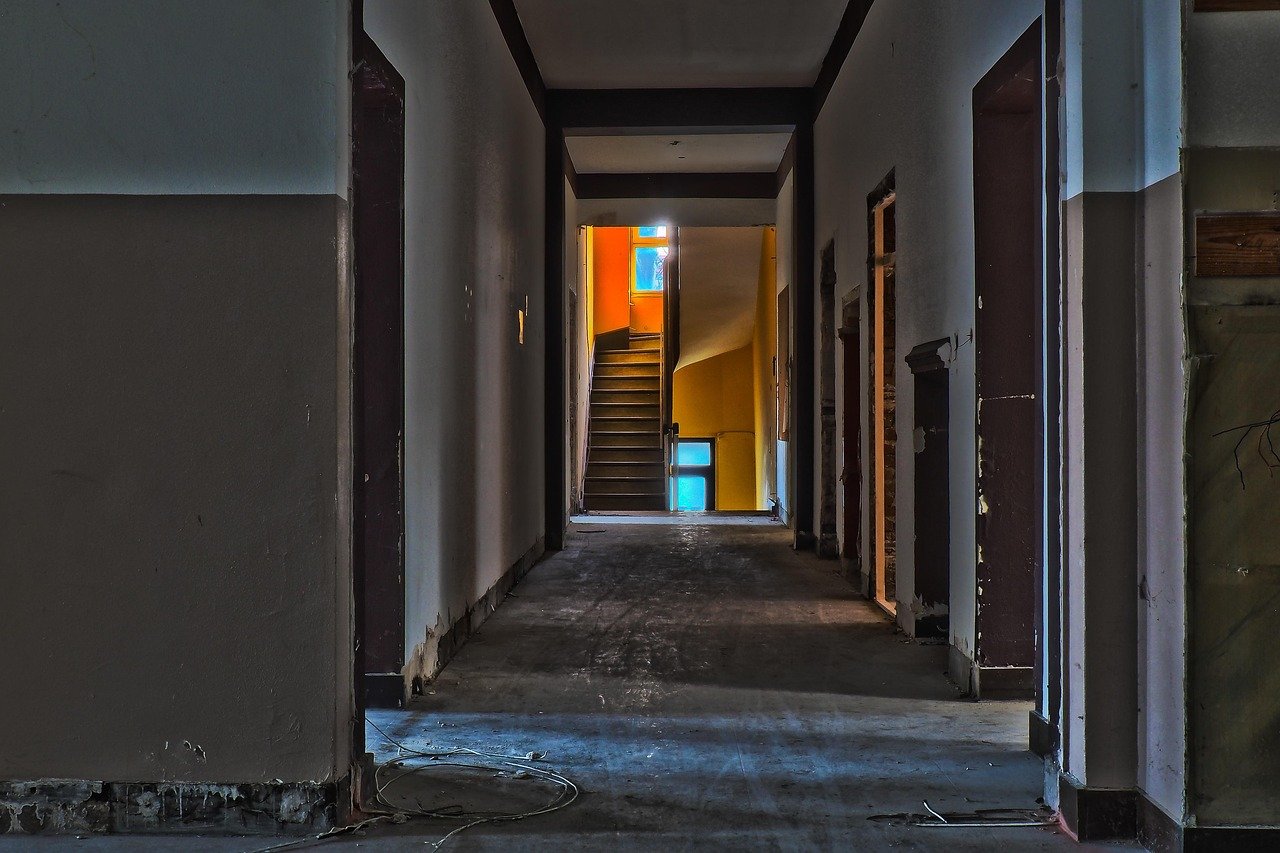

  • The yellowy maze of an abandoned office block brings terror to Hollywood

    The yellowy maze of an abandoned office block brings terror to Hollywood


    From YouTube to Hollywood: How a Teenager’s Creepy ‘Backrooms’ Series Became a Major Film

    What started as a grainy, unsettling YouTube video made by a teenager in his spare time has somehow turned into one of the most talked-about horror film adaptations in recent memory. The Backrooms — that eerie, liminal concept of endless yellow-lit office corridors that feels both mundane and deeply terrifying — is officially heading to the big screen, and the internet cannot stop buzzing about it.

    Kane Parsons, better known online as Kane Pixels, was just a teenager when he began uploading his found-footage style Backrooms series to YouTube. What he created wasn’t just viral content — it was a genuinely atmospheric, slow-burn horror experience that left millions of viewers genuinely unsettled. Now, his creation has caught the eye of Hollywood, and a full feature film adaptation is in the works.

    What Exactly Are the Backrooms?

    For those who haven’t fallen down this particular internet rabbit hole, the Backrooms is a creepypasta concept that originated on forums like 4chan around 2019. The idea is simple but deeply unsettling: imagine accidentally “noclipping” out of reality — like glitching through a wall in a video game — and ending up in an infinite maze of damp, yellowing carpet, buzzing fluorescent lights, and empty office rooms that stretch on forever.

    There’s no exit. There’s no one else there. Just the hum of the lights, the smell of old carpet, and the creeping feeling that something might be lurking just around the next corner. It’s the kind of horror that doesn’t rely on jump scares — it feeds off isolation, monotony, and the deeply human fear of being utterly, hopelessly lost.

    The concept exploded on Reddit, TikTok, and YouTube, spawning thousands of fan-made videos, stories, and artwork. But nobody captured the essence of the Backrooms quite like Kane Parsons did.

    Kane Pixels: The Teen Who Terrified the Internet

    Kane Parsons began posting his Backrooms series on YouTube when he was just 16 years old. His videos used impressive VFX work and a found-footage aesthetic to create what felt like genuine documentary evidence of this impossible place. Unlike most fan-made content, his videos had a coherent narrative, a sense of building dread, and production values that rivalled professional horror films.

    The response was staggering. His first Backrooms video racked up tens of millions of views almost immediately, with viewers genuinely questioning whether what they were watching was real. Comments sections filled with people saying they had to stop watching because it was too unsettling. That’s a rare achievement for any content creator — let alone a teenager working with a home computer.

    What made Kane’s work stand out wasn’t just the visuals. It was the atmosphere. The silence punctuated by distant sounds. The slow camera movements through those endless corridors. The suggestion of something just out of frame. He understood instinctively what makes the Backrooms concept so effective, and he translated it into video with remarkable skill.

    Hollywood Comes Knocking

    It didn’t take long for the entertainment industry to notice. A24 — the production company behind some of modern cinema’s most acclaimed horror films including Hereditary, Midsommar, and Talk to Me — has reportedly been attached to the Backrooms film project. That alone sent fans into a frenzy, because A24 has an outstanding track record of treating horror with intelligence and craft rather than cheap thrills.

    The film is being developed with Kane Parsons involved in the project, which has reassured fans who were worried Hollywood might strip away everything that made the original series special. There’s always a fear when beloved internet properties get adapted that the suits will sand off all the interesting edges and deliver something generic and forgettable.

    But the involvement of a studio like A24, combined with the participation of the original creator, has given people genuine hope that this could be something special. Horror fans in particular are watching this development very closely.

    Why the Backrooms Hit So Hard

    There’s a reason the Backrooms concept resonated so deeply with so many people, and it goes beyond just being a clever piece of internet horror. The imagery taps into something almost universal — the fear of liminal spaces. Liminal spaces are those transitional, in-between places that feel slightly wrong when you’re in them alone: empty shopping malls at night, school hallways after hours, hotel corridors in the early morning.

    These spaces are designed for people to pass through, not to inhabit. When you’re in them without the usual crowd, something feels fundamentally off. The Backrooms takes that feeling and cranks it to an almost unbearable extreme — an infinite liminal space with no exit and no other people, just you and whatever else might be lurking there.

    It’s also a concept that feels uniquely modern. The Backrooms is essentially a glitch in reality, described in the language of video games and internet culture. For a generation that grew up gaming, the idea of accidentally falling through the map into some void behind the world is immediately legible and immediately terrifying.

    The Internet-to-Hollywood Pipeline

    The Backrooms film is part of a growing trend of internet-born content making the leap to mainstream entertainment. We’ve seen it with Five Nights at Freddy’s, which began as an indie horror video game with a massive online fan community before becoming a feature film. We’ve seen it with various creepypasta adaptations and viral gaming properties.

    What’s interesting about the Backrooms adaptation is that it represents something slightly different — not a video game or a book, but a piece of YouTube content created by a solo teenager that captured the cultural moment so perfectly it warranted a major film deal. It speaks to how fundamentally the landscape of creative entertainment has shifted.

    A kid with a computer, talent, and a good idea can now create something that reaches tens of millions of people and attracts the attention of major Hollywood studios. That’s genuinely remarkable, and it’s a story that deserves to be celebrated alongside the horror concept itself.

    What Fans Are Saying

    Reactions online have been overwhelmingly positive, though with the cautious optimism that internet fandoms tend to adopt when their beloved properties go mainstream. The general sentiment seems to be: if anyone can do this right, it’s A24, and if the original creator is involved, there’s a real chance this won’t be a disaster.

    Horror communities on Reddit have been particularly active in discussing what the film might look like, what elements from Kane’s series they hope to see preserved, and what kind of narrative approach might work best for a feature-length story. The Backrooms concept is famously difficult to sustain over a long runtime — its power comes from atmosphere and dread, not plot — so the storytelling challenge is real and significant.

    Some fans have pointed out that the best Backrooms content works precisely because it’s short and leaves so much unexplained. Stretching it into a 90-minute or two-hour film without losing that sense of mysterious dread will be the central creative challenge for everyone involved.

    A New Era of Horror

    Whether or not the Backrooms film ultimately delivers, its development represents something genuinely exciting for horror as a genre. We’re in a golden era of elevated horror right now, with studios willing to take creative risks and audiences hungry for horror that actually makes them think and feel rather than just startling them with loud noises.

    The Backrooms concept, at its best, is the kind of horror that stays with you. It doesn’t just frighten you in the moment — it makes you look at ordinary office spaces differently, makes you slightly uncomfortable in any fluorescent-lit room, makes you wonder what might exist just beyond the edges of the world you can see.

    That’s the mark of truly effective horror, and if the film can bottle even a fraction of what Kane Parsons achieved on YouTube, it could be something genuinely memorable. Horror fans, internet culture enthusiasts, and anyone who’s ever felt that creeping unease in an empty building should be paying close attention to this one.

    Kane Parsons went from a teenager making videos in his bedroom to having a Hollywood film based on his work. That’s an extraordinary story in itself — and the Backrooms film hasn’t even hit cinemas yet.

    What Do You Think?

    Are you excited about the Backrooms film adaptation, or are you worried Hollywood will ruin what made the original YouTube series so special? Do you think A24 is the right studio for this project? Drop your thoughts in the comments — we want to hear from horror fans and internet culture lovers alike!

    This article is for informational purposes only.


  • Spider-Noir turns Spider Universe black and white

    Spider-Noir turns Spider Universe black and white


    Spider-Noir Is About to Turn the Spider-Man Universe Black and White — And It Looks Absolutely Stunning

    Nicolas Cage is swinging back into the Spider-Verse, and this time, he’s bringing a whole new visual experience with him. The upcoming Spider-Noir series is set to give fans a genuinely unique viewing choice: watch it in full colour or dive into the atmospheric black-and-white version that the show was seemingly born to deliver.

    This isn’t just a gimmick. For fans of the character and the noir genre, the option to watch Spider-Noir in black and white is a dream come true — a love letter to classic detective fiction, vintage comic book aesthetics, and the shadowy, moody world that makes this version of Spider-Man so compelling and distinct from every other web-slinger in the multiverse.

    Nicolas Cage Returns as the Gritty Web-Slinger

    Nicolas Cage originally voiced Spider-Noir in the Academy Award-winning animated film Spider-Man: Into the Spider-Verse back in 2018. The character was an instant fan favourite — a hardboiled, trenchcoat-wearing version of Peter Parker from a 1930s noir-inspired alternate universe. His deadpan delivery and old-school detective vibe stole every scene he appeared in.

    Now, Cage is stepping back into that role for a full live-action series. The show is set to explore the darker, grittier corners of the Spider-Man mythology, leaning hard into the pulp fiction and film noir aesthetics that made the character such a standout in Into the Spider-Verse. It’s a bold creative direction, and based on early buzz, it seems like the production team has fully committed to making something visually unlike anything else on streaming right now.

    The decision to offer both a colour and a black-and-white version of the show is a genuinely exciting creative choice. It gives viewers agency over their experience and signals that the filmmakers are deeply invested in the visual storytelling of the project. Black-and-white cinema has a long and prestigious history, and when done right, it can elevate drama, tension, and atmosphere to extraordinary levels.

    Why Black and White Makes Perfect Sense for Spider-Noir

    Think about it for a second. Spider-Noir is set in a world of shadows, corruption, and moral ambiguity. It’s a universe where the bad guys wear suits and the hero wears a trenchcoat. The visual language of classic film noir — stark contrasts, deep shadows, rain-soaked streets illuminated by lonely streetlamps — is practically begging to be rendered in monochrome.

    Some of the greatest films ever made were shot in black and white, from Citizen Kane to Schindler’s List to Roma. The absence of colour forces the audience to focus on composition, contrast, and emotion in a completely different way. For a story like Spider-Noir, where mood and atmosphere are everything, this could genuinely be the definitive way to experience the show.

    The colour version will obviously have its own appeal — modern production values, vibrant costumes, and the kind of cinematic polish that audiences have come to expect from superhero content. But for fans who want the full immersive noir experience, the black-and-white option is going to be something special. It’s the kind of creative flexibility that shows real respect for the source material and for the audience.

    What We Know About the Show So Far

    Details about the plot of Spider-Noir have been kept relatively under wraps, but the premise is rooted in the character’s comic book origins. Set in Depression-era New York, the show will follow Peter Parker navigating a world of organised crime, political corruption, and supernatural threats — all while trying to figure out what it means to be a hero in a world that seems determined to crush the little guy.

    The tone is expected to be significantly darker and more mature than your typical Marvel superhero fare. Think less quippy one-liners and more brooding monologues delivered in a gravelly voice over rain-soaked alleyways. Nicolas Cage, who has never been afraid to go big and weird with his performances, seems perfectly suited to bring this version of the character to life in a way that feels authentic and genuinely compelling.

    The show is being produced for a major streaming platform, and while a specific release date hasn’t been locked in just yet, anticipation is already building to fever pitch among Spider-Man fans and Nicolas Cage enthusiasts alike. Given how beloved the character was in Into the Spider-Verse, expectations are understandably sky-high.

    Nicolas Cage: The Perfect Actor for This Role

    Let’s talk about Nicolas Cage for a moment, because this casting is genuinely inspired. Cage has had one of the most fascinating and unpredictable careers in Hollywood history. From his Oscar-winning turn in Leaving Las Vegas to his cult classic performances in films like Mandy, Pig, and The Unbearable Weight of Massive Talent, he’s proven time and again that he’s a performer capable of extraordinary depth and range.

    His voice work as Spider-Noir in Into the Spider-Verse was pitch-perfect — understated, deadpan, and dripping with old-school cool. There’s something about Cage’s natural intensity and slightly off-kilter energy that makes him ideal for a character who exists on the fringes of the superhero world. He doesn’t feel like a conventional hero, and neither does Cage feel like a conventional actor. It’s a match made in a very dark, very stylish heaven.

    Cage has also spoken publicly about his love of comic books and his genuine enthusiasm for superhero storytelling. This isn’t a paycheck role for him — it’s a passion project. And that kind of authentic investment from a lead actor almost always translates to something special on screen.

    The Dual Format Viewing Experience: A Trend Worth Watching

    The decision to release Spider-Noir in both colour and black and white puts it in some very distinguished company. Director Zack Snyder famously released a black-and-white “Justice is Gray” version of his Justice League cut, which many fans actually preferred to the colour version. George Miller released a black-and-white “Furiosa” cut of Mad Max: Fury Road called Black and Chrome, which is widely considered stunning.

    The trend of offering dual format versions of major releases is slowly gaining traction in Hollywood, and Spider-Noir looks set to push that further into mainstream streaming territory. It’s a creative choice that rewards cinephiles and casual viewers alike, giving everyone the option to find their preferred way into the story.

    For streaming platforms especially, this kind of added value content makes perfect sense. It gives subscribers a reason to watch the same show twice, generates additional conversation and social media engagement, and positions the platform as a home for genuinely ambitious creative work rather than just content factory output.

    Fan Reaction Has Been Overwhelmingly Positive

    Since news broke about the dual format release, social media has been buzzing with excitement. Spider-Man fans, Nicolas Cage devotees, and film noir enthusiasts have all been vocal about their enthusiasm for the project. The consensus seems to be that this is exactly the kind of bold, unexpected creative swing that the superhero genre needs right now.

    After years of increasingly formulaic Marvel and DC content, audiences are clearly hungry for something different. A gritty, atmospheric, black-and-white superhero noir series starring one of Hollywood’s most unpredictable and talented actors? That’s not just different — that’s genuinely exciting.

    The Spider-Verse has always been about celebrating the diversity of Spider-Man’s many iterations, from the bright and colourful to the dark and complex. Spider-Noir looks set to be one of the most distinctive entries in that expanding universe, and the dual format release option only adds to the sense that something genuinely special is being crafted here.

    Get Ready to Step Into the Shadows

    Whether you end up watching Spider-Noir in vivid colour or moody black and white, one thing seems certain: this show is going to be a conversation starter. Nicolas Cage in a trenchcoat, swinging through a shadowy 1930s New York, delivered in the visual language of classic noir cinema? It sounds almost too good to be true.

    Keep your eyes peeled for official release date announcements, trailers, and more details about the show in the coming months. This is absolutely one of the most anticipated superhero projects on the horizon right now, and based on everything we know so far, it has the potential to be something truly memorable.

    The Spider-Verse just got a whole lot darker — and we are absolutely here for it.

    What do you think? Will you be watching Spider-Noir in colour or black and white — and which version do you think will deliver the better experience? Let us know in the comments!

    This article is for informational purposes only.


  • Author of Rivals told writers to stop making her ‘macho men’ cry

    Author of Rivals told writers to stop making her ‘macho men’ cry


    Jilly Cooper Told Rivals Writers to Stop Making Her ‘Macho Men’ Cry — And Honestly, We’re Here For It

    If you thought writing a hit TV adaptation was all glamour and creative freedom, think again. The team behind the smash-hit Amazon Prime series Rivals had a very particular boss keeping a close eye on things — and she was not afraid to speak her mind. Dame Jilly Cooper, the legendary novelist whose 1988 book inspired the show, reportedly scolded the writing team for getting a little too emotional with her beloved characters.

    That’s right. The woman who gave us some of the most passionate, dramatic, and deliciously scandalous fiction in British literary history drew a firm line when it came to tears. Her iconic “macho men” were not, under any circumstances, to be seen weeping on screen. And according to an executive producer on the show, she made that crystal clear.

    The Legend Behind the Show

    For those who haven’t yet fallen down the rabbit hole of Jilly Cooper’s world, here’s a quick primer. Dame Jilly Cooper is one of Britain’s most beloved and bestselling authors, famous for her “Rutshire Chronicles” — a series of wildly entertaining, romance-packed novels set in the fictional English county of Rutshire. Think horse racing, television moguls, aristocrats, affairs, and enough drama to fuel a decade of TV.

    Rivals, the novel published in 1988, is perhaps her most celebrated work. It centers on the cutthroat world of independent television franchises in 1980s Britain, with characters so vivid and larger-than-life that fans have been begging for a screen adaptation for decades. When it finally arrived on Amazon Prime Video in 2024, it became an instant sensation — winning over a whole new generation of fans while delighting longtime Cooper devotees.

    So What Exactly Did Jilly Say?

    According to Dominic Treadwell-Collins, an executive producer on Rivals, Dame Jilly was very much involved in the production and wasn’t shy about sharing her opinions. In interviews promoting the show, he revealed that Cooper stepped in when she felt the writers were straying too far from the spirit of her original characters.

    Her main complaint? The men were being made to cry too much. Cooper’s male characters — think the swaggering, infuriating, irresistible Rupert Campbell-Black — are known for being bold, brash, and unapologetically alpha. They are not men who sob into their whiskey glasses. They might break hearts, cause chaos, and occasionally show a flash of vulnerability, but full-on emotional breakdowns? Absolutely not, according to their creator.

    Treadwell-Collins described Cooper’s intervention as a firm but loving scolding — the kind only a true author can deliver when they see their characters being handled in a way that doesn’t feel quite right. And honestly? Good for her. When you’ve spent decades crafting a fictional universe this rich, you’ve earned the right to protect it.

    Rupert Campbell-Black: The Man Who Must Not Weep

    At the heart of this whole debate is Rupert Campbell-Black, arguably the most famous character in Jilly Cooper’s entire catalogue. Played with magnetic intensity by Alex Hassell in the TV series, Rupert is a former Olympic showjumper turned media mogul — arrogant, gorgeous, and utterly compelling. He is not a man who does vulnerability easily, and that’s precisely what makes him so fascinating.

    Cooper has always been clear that Rupert is based on a very specific type of man — the kind that was perhaps more common in a certain era of British upper-class life. Confident to the point of arrogance, emotionally guarded, and deeply competitive. Softening that too much, even in the name of modern storytelling sensibilities, risks losing what makes him tick.

    Fans of the book were thrilled to see Hassell capture so much of Rupert’s essence on screen. And if Dame Jilly’s behind-the-scenes intervention helped keep that essence intact, then perhaps we all owe her a thank you.

    The Balancing Act of Adapting Beloved Novels

    Adapting a beloved book for the screen is never easy. You’re dealing with two very different mediums, two different audiences, and often, decades of fan expectations. The writers of Rivals had an especially tricky job — the novel is long, sprawling, and packed with subplots, characters, and very 1980s sensibilities that needed careful handling for a 2024 audience.

    At the same time, the show needed to stay true enough to the source material to satisfy the legions of fans who grew up with the book. That means keeping characters recognizable, preserving the tone, and honoring what made the story special in the first place. It’s a tightrope walk, and having the original author on hand — even if she occasionally had notes — is actually a remarkable luxury.

    Many adaptations suffer from the opposite problem: the original creator has no involvement, and the result feels hollow or unrecognizable. The fact that Jilly Cooper cared enough to push back, to fight for her characters’ integrity, speaks volumes about her passion for this story even decades after writing it.

    A Show That Took the World by Storm

    Rivals premiered on Disney+ in the UK and Amazon Prime Video internationally in late 2024, and the response was extraordinary. Critics raved about the performances, the production design, the costumes, and above all, the sheer fun of it all. In an era of prestige TV that can sometimes feel relentlessly grim, Rivals arrived like a breath of gloriously scandalous fresh air.

    The cast was universally praised, with Alex Hassell’s Rupert drawing particular attention, alongside stellar performances from Aidan Turner as the charming but ruthless Declan O’Hara, and Emily Atack, Claire Rushbrook, and many others rounding out an ensemble that felt genuinely electric. The show had wit, warmth, drama, and just the right amount of delicious soap opera energy.

    Social media absolutely lost its mind over the series. TikTok, X (formerly Twitter), and Instagram were flooded with fan edits, reaction videos, and passionate debates about which character was the most compelling. A whole new generation discovered Jilly Cooper’s world, and many of them immediately went out and bought the books. What better outcome could there be?

    Dame Jilly Cooper: A National Treasure Who Takes No Nonsense

    What makes this whole story so delightful is how perfectly it captures who Jilly Cooper is. Now in her mid-80s, she remains sharp, engaged, and fiercely protective of her creative legacy. She’s not the type to quietly hand over her work and walk away — she’s the type to show up, read the scripts, and tell you when something isn’t right.

    Cooper has spoken in various interviews about how much the success of the Rivals adaptation has meant to her. She’s been genuinely moved by the new wave of readers it has brought to her books, and clearly invested in making sure the show does justice to the story she spent years crafting. That level of care and passion at any age, let alone in her eighties, is genuinely inspiring.

    And let’s be honest — the image of Dame Jilly Cooper, sitting down with a team of TV writers and firmly telling them to stop making Rupert Campbell-Black cry, is one of the most entertaining behind-the-scenes anecdotes to come out of television in years. It belongs in a documentary. It belongs in a book. It might even belong in the next Rivals season, if there is one.

    What’s Next for the Rivals Universe?

    Given the enormous success of the first season, fans are naturally hungry for more. Jilly Cooper’s Rutshire Chronicles contain several more novels that could be adapted, and the world she’s built is rich enough to sustain years of storytelling. Whether Amazon and Disney+ will greenlight further seasons remains to be seen, but the appetite is clearly there.

    In the meantime, if you haven’t watched Rivals yet, do yourself a favor and dive in. And if you have watched it, maybe pick up the novel and experience the story as Dame Jilly originally intended — macho men firmly dry-eyed and all.

    One thing is certain: as long as Jilly Cooper is around, she’ll be keeping a very close eye on how her beloved characters are treated. And honestly? We wouldn’t have it any other way.

    What Do You Think?

    Was Jilly Cooper right to insist her male characters stay emotionally guarded, or do you think modern TV adaptations should be free to explore a softer side of classic characters? Drop your thoughts in the comments — we want to hear from you!

    This article is for informational purposes only.


  • Spurred on by the painful death of her dad, Natalie Cassidy trains as a carer

    Spurred on by the painful death of her dad, Natalie Cassidy trains as a carer


    How the Painful Loss of Her Father Inspired EastEnders Star Natalie Cassidy to Train as a Professional Carer

    Most people know Natalie Cassidy as Sonia Jackson — the lovable, complicated character she’s played on EastEnders for decades. But behind the cameras, Natalie has been living a deeply personal journey that has nothing to do with soap opera drama and everything to do with real life, real grief, and real purpose.

    The beloved British actress has revealed how watching her father suffer through a painful illness and eventual death sparked something powerful inside her — a burning desire to understand caregiving, to do it properly, and to honour his memory in the most meaningful way she could imagine.

    A Daughter’s Grief Becomes a Life-Changing Mission

    Natalie Cassidy has never been one to shy away from emotional honesty, and this new chapter of her life is perhaps the most raw and real she’s ever been. After experiencing the heartbreak of caring for her father during his final days — and feeling at times unprepared, helpless, and overwhelmed — she made a decision that surprised even those closest to her.

    She went back to school. Not for acting. Not for anything related to her showbiz career. She enrolled in professional carer training, determined to gain the skills and knowledge she wished she’d had when her dad needed her most.

    It’s the kind of story that hits differently. Because it’s not about fame or fortune — it’s about a daughter who loved her father and couldn’t shake the feeling that she could have done more. That kind of grief is universal, and it’s exactly what makes Natalie’s story resonate so deeply with so many people.

    The New BBC Show Bringing It All to Life

    Natalie’s personal transformation is now being documented in a brand new BBC show, and early buzz suggests it’s going to be genuinely moving television. The programme follows Natalie as she immerses herself in the world of professional caregiving — learning the practical skills, the emotional tools, and the sheer dedication it takes to care for vulnerable people.

    This isn’t a celebrity vanity project. By all accounts, Natalie threw herself into the experience with complete sincerity. She trained alongside real carers, took on real responsibilities, and confronted the emotional weight that comes with the job — a weight that millions of professional and unpaid carers carry every single day.

    The BBC has long been known for producing documentary content that sparks national conversations, and this show looks set to do exactly that. With social care being such a pressing issue across the UK — and indeed across the world — having a familiar, trusted face like Natalie Cassidy shine a light on it feels both timely and important.

    Who Is Natalie Cassidy? A Quick Refresher

    For those outside the UK or perhaps younger audiences who might not be as familiar, Natalie Cassidy is a hugely popular British actress who first appeared on EastEnders back in 1993. She was just a child when she joined the cast, and she grew up on screen in front of millions of viewers.

    Over the years, Natalie became one of the show’s most recognisable and beloved faces. Her character Sonia has gone through everything from teenage pregnancy to professional triumphs to heartbreak, and Natalie has brought an authenticity to the role that fans have always adored.

    Beyond EastEnders, she’s also been open about her own personal struggles — including her mental health, her relationships, and the pressures of growing up in the public eye. That honesty has earned her a loyal following who see her not just as an actress, but as someone genuinely relatable.

    The Reality of Caregiving: What Natalie Discovered

    One of the most powerful aspects of Natalie’s journey — at least from what has been shared ahead of the show’s release — is how much she learned about the caregiving profession that she simply didn’t know before. Like most people, she had assumptions. The reality, it turns out, is far more complex and far more demanding.

    Professional carers are required to manage not just physical needs but emotional ones too. They must navigate difficult conversations, support people through their darkest moments, and maintain their own wellbeing while giving so much of themselves to others. It’s a skill set that takes genuine training and dedication to develop.

    Natalie has spoken about being humbled by the experience — by the carers she trained alongside, by the people they cared for, and by the realisation of just how undervalued and underpaid this profession is despite its enormous importance to society. It’s a message that clearly matters to her deeply.

    Grief as a Catalyst for Change

    There’s something profoundly human about the idea of channelling grief into action. When we lose someone we love, especially after watching them suffer, the helplessness can be overwhelming. For Natalie, that helplessness transformed into motivation.

    She has described her father’s death as one of the most painful experiences of her life. Watching someone you love go through physical suffering, knowing you want to help but not always knowing how — it leaves a mark that doesn’t fade. For Natalie, that mark became a roadmap.

    By training as a carer, she wasn’t just honouring her father’s memory. She was equipping herself with the knowledge and skills to make a difference — whether that’s in her personal life, in raising awareness, or perhaps even in future roles and projects that explore these themes.

    Why This Story Matters Beyond Celebrity News

    It would be easy to file this story under “celebrity does something unexpected” and move on. But that would be doing it a disservice. Natalie Cassidy’s decision to train as a carer touches on issues that affect millions of families around the world every single day.

    In the UK alone, there are estimated to be around 10 million unpaid carers — people looking after sick, elderly, or disabled loved ones without formal training, without adequate support, and often without recognition. Many of them are going through exactly what Natalie went through with her father: doing their best with limited knowledge and enormous emotional stakes.

    The social care system in countries like the UK, USA, Canada, and Australia is under immense pressure. There aren’t enough professional carers. Those who do the job are often underpaid. And families are frequently left to fill the gaps with little guidance. A BBC show that puts this crisis front and centre — told through the personal story of a beloved actress — could genuinely move the needle on public awareness.

    The Response from Fans and the Public

    Since news of the show began circulating, the response from Natalie’s fans has been overwhelmingly warm and supportive. Many have taken to social media to share their own experiences of caring for loved ones, expressing gratitude that someone with Natalie’s platform is shining a light on such an important topic.

    Others have praised her courage in being so open about her father’s death and the emotional impact it had on her. In a world where celebrities often keep personal pain behind closed doors, Natalie’s willingness to be vulnerable feels refreshing and brave.

    There’s also been significant interest from healthcare professionals and caregiving organisations, many of whom hope the show will help drive more people toward careers in care — a sector that desperately needs more workers and more public support.

    What to Expect from the BBC Show

    While full details of the programme are still emerging, what we know so far paints a picture of compelling, emotional television. Viewers can expect to see Natalie working through real caregiving scenarios, reflecting on her father’s death, and speaking candidly about what the experience has meant to her.

    There will likely be moments that are difficult to watch — because caregiving is difficult. There will also, no doubt, be moments of joy, connection, and profound humanity. That balance is what makes this kind of documentary so powerful.

    The show is expected to air on BBC in the coming weeks, and given the subject matter and Natalie’s profile, it’s already shaping up to be one of the most talked-about programmes of the season. Set a reminder — this is one you won’t want to miss.

    A Final Thought: Turning Pain Into Purpose

    Natalie Cassidy could have retreated into grief after losing her father. She could have kept the pain private, carried on with her acting career, and let the experience remain a personal sorrow. Instead, she chose to transform that pain into something meaningful.

    That’s not just inspiring — it’s a reminder that the most powerful responses to loss are often the ones that reach outward, toward others, toward understanding, toward making things better. Natalie’s story is about a daughter missing her dad. But it’s also about the millions of carers — professional and unpaid — who deserve to be seen, valued, and supported.

    And honestly? That’s a story worth telling.

    What do you think? Has caring for a loved one ever inspired you to learn new skills or change your perspective on life? We’d love to hear your story in the comments below.

    This article is for informational purposes only.

  • Midnight Sun-derland: Zara Larsson electrifies the crowd at Big Weekend

    Midnight Sun-derland: Zara Larsson electrifies the crowd at Big Weekend

    Zara Larsson Absolutely Owned BBC Radio 1’s Big Weekend — Here’s What Went Down

    If you weren’t at BBC Radio 1’s Big Weekend this year, you seriously missed out. Day two of the festival delivered some incredible moments, but one performance stood head and shoulders above the rest — Swedish pop powerhouse Zara Larsson took to the stage and absolutely set the place on fire.

    The 26-year-old singer brought her signature high-energy style to the festival crowd, delivering a relentless set of back-to-back pop bangers that had everyone from front row to the very back of the field singing along at the top of their lungs. It was the kind of performance that reminds you exactly why live music is so special.

    A Star Who Knows How to Command a Stage

    Zara Larsson has been a fixture in the global pop scene for years, but performances like this one are a reminder that she’s genuinely one of the most exciting live acts working today. From the moment she walked out onto the stage, the energy was electric — and it never once dipped.

    Her voice sounded incredible live, cutting through the festival atmosphere with that distinctive power and clarity that has made her such a standout artist. Whether she was belting out the big chorus moments or pulling back for the more intimate parts of her songs, every note landed exactly where it needed to.

    The crowd was completely in her hands from start to finish. That’s not something every artist can claim at a massive outdoor festival, where distractions are everywhere and attention spans can be short. Zara made sure nobody was looking anywhere else.

    The Set List Was an Absolute Masterclass in Pop

    One of the things that made this performance so special was the sheer quality of the material Zara had to work with. Her back catalogue is stacked with certified bangers, and she clearly put serious thought into how to sequence them for maximum impact.

    Fans were treated to some of her biggest hits, and the reaction from the crowd with each new song was something to behold. The kind of collective recognition that washes over a festival crowd when they hear the opening notes of a song they love is one of the great joys of live music — and it happened over and over again throughout Zara’s set.

    She also brought a real sense of fun and personality to the performance. Between songs, she connected with the audience in a way that felt genuine rather than rehearsed, making the whole experience feel less like a polished show and more like a massive party she was hosting specifically for everyone there.

    Big Weekend: The Festival That Never Disappoints

    BBC Radio 1’s Big Weekend has established itself as one of the most exciting events on the UK music calendar, and this year’s edition has been no exception. The festival brings together a genuinely diverse lineup that spans genres and generations, giving audiences the chance to discover new artists alongside seeing established favourites.

    Day two in particular seemed to have something magical in the air. The atmosphere was buzzing from early in the day, with crowds clearly ready to fully commit to the experience. And when Zara Larsson’s set arrived, all that built-up energy found the perfect outlet.

    The production values at Big Weekend are always impressive, and Zara’s slot was no different. Lighting, sound, staging — everything came together to create a visual and audio spectacle that matched the quality of the performance itself. This is the kind of show that people will be talking about for years.

    Zara’s Journey to This Moment

    It’s worth taking a moment to appreciate just how far Zara Larsson has come. She first burst onto the international scene as a teenager, and what could have been a flash-in-the-pan moment of early fame has instead developed into a serious, sustained career.

    She’s collaborated with some of the biggest names in music, racked up billions of streams, and built a fanbase that spans continents. But she’s also never lost that raw, infectious enthusiasm that made people fall in love with her in the first place. If anything, her passion for performing seems to have grown stronger over the years.

    Her ability to connect with audiences — really connect, not just go through the motions — is what separates good pop artists from great ones. Zara is firmly in the latter category, and her Big Weekend performance was proof positive of that.

    The Moments That Had Everyone Talking

    Festival performances live and die by their big moments — the bits that get clipped and shared on social media, that friends text each other about, that become the talking points in the days that follow. Zara’s set had plenty of them.

    There were the obvious crowd-pleasing moments when the biggest hits dropped and the whole field seemed to erupt simultaneously. But there were also quieter, more unexpected moments of genuine connection — a look, a pause, an off-script comment — that gave the performance real depth and made it feel like more than just a greatest hits run-through.

    The social media response in the hours after the performance was predictably enthusiastic. Clips circulated widely, reactions poured in, and the consensus was clear: Zara Larsson had delivered one of the standout sets of the entire festival. That’s a significant achievement at an event that attracts some of the biggest names in music.

    What This Means for Zara’s Career Trajectory

    Performances like this one matter. In a music industry that’s increasingly dominated by streaming numbers and algorithmic discovery, there’s still something irreplaceable about a live show that genuinely moves people. It builds the kind of deep, lasting fan loyalty that no playlist placement can replicate.

    For Zara, Big Weekend represents another milestone in a career that shows no signs of slowing down. She’s at a stage where she has enough established material to satisfy long-time fans while continuing to evolve and push her artistry forward. That’s a difficult balance to strike, and she’s handling it beautifully.

    With new music always seeming to be on the horizon and her live reputation growing stronger with every performance, the coming months and years look very exciting indeed for one of pop music’s most genuinely talented performers.

    Why Live Music Moments Like This Still Matter

    In an age of perfectly curated streaming playlists and algorithmic recommendations, there’s something profoundly human about standing in a field with thousands of strangers, all united by the same music at the same moment. Big Weekend captures that feeling brilliantly, and Zara Larsson’s performance was a perfect example of why it matters.

    These are the moments that remind us music is more than content — it’s an experience, a shared emotion, something that connects people across backgrounds and borders. When an artist as talented as Zara steps up and delivers at this level, it’s genuinely something to celebrate.

    Whether you were lucky enough to be there in person, caught it on the BBC’s coverage, or are discovering it through the clips circulating online, one thing is clear: this was a performance that deserved every second of the attention it’s receiving.

    If Zara Larsson wasn’t already on your radar as one of the most exciting live acts in pop music right now, consider this your official introduction. She’s the real deal — and Big Weekend 2024 proved it beyond any doubt.

    What Do You Think?

    Were you at BBC Radio 1’s Big Weekend, or did you catch Zara Larsson’s performance on TV or online? What did you think of her set — and who else impressed you at this year’s festival? Drop your thoughts and let us know in the comments!

    This article is for informational purposes only.