Category: Entertainment & Celebrity

Hollywood and global entertainment news, celebrity updates, movie releases, TV shows, award shows, music, and the biggest names in showbiz.

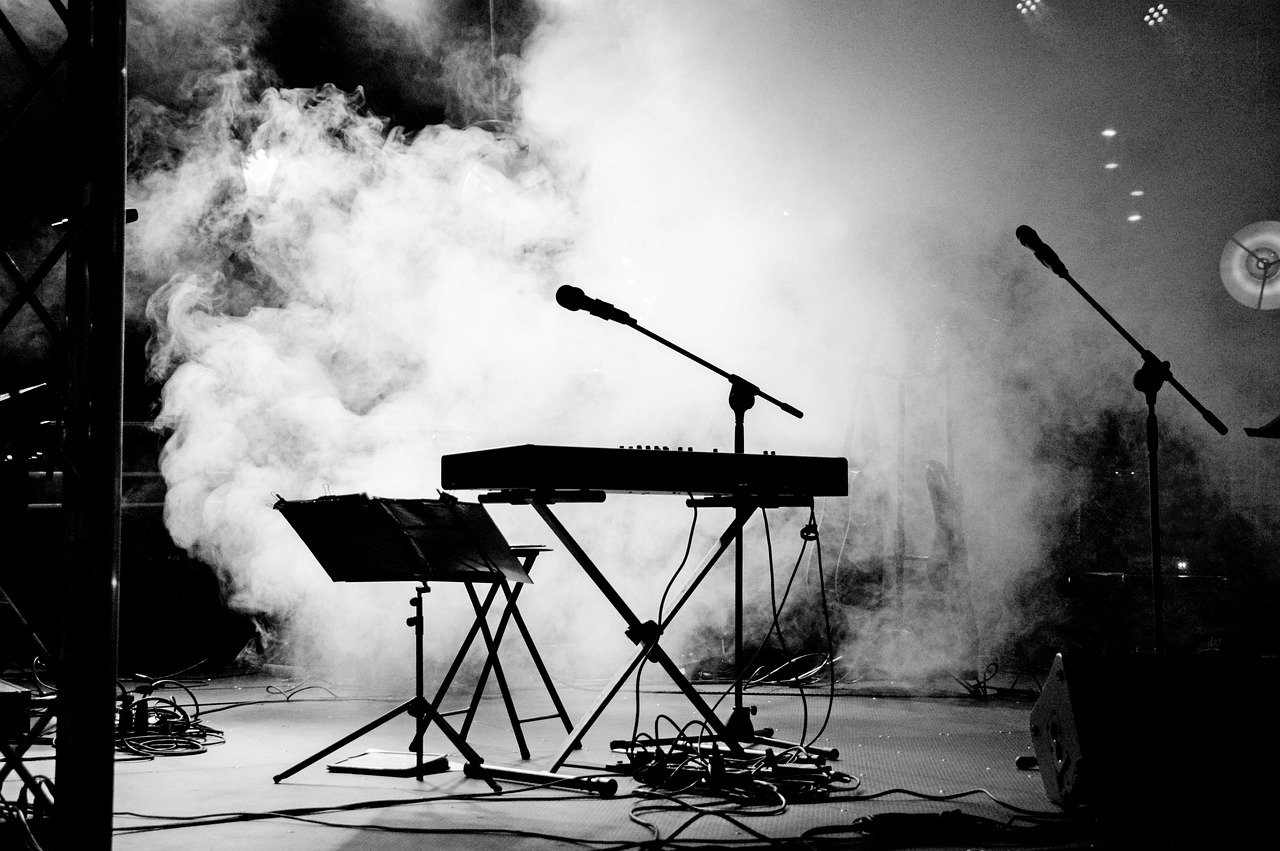
  • Midnight Sun-derland: Zara Larsson electrifies the crowd at Big Weekend

    Midnight Sun-derland: Zara Larsson electrifies the crowd at Big Weekend


    Zara Larsson Absolutely Owned BBC Big Weekend: The Night She Reminded Everyone She’s a Pop Superstar

    If you had any doubts about Zara Larsson’s status as one of pop music’s most electrifying live performers, day two of BBC Radio 1’s Big Weekend just wiped them out completely. The Swedish sensation took to the stage and delivered a set so packed with energy, so relentlessly fun, and so undeniably powerful that even the grey skies overhead didn’t stand a chance.

    From the moment she stepped out, Larsson commanded the crowd like a seasoned veteran — which, at just 27 years old, is honestly a little ridiculous. Back-to-back bangers, killer stage presence, and a voice that cuts right through festival noise like a hot knife through butter. This was Zara Larsson in full flight, and it was something to behold.

    What Is BBC Big Weekend and Why Does It Matter?

    For those unfamiliar, BBC Radio 1’s Big Weekend is one of the UK’s most beloved annual music festivals — and it’s completely free to attend for those lucky enough to grab tickets. It’s the kind of event that mixes massive global stars with rising talent, all under the BBC Radio 1 banner, and it’s broadcast to millions of viewers and listeners across the country and beyond.

    The festival has a long history of iconic moments — from surprise guest appearances to career-defining performances that get talked about for years. This year’s edition has already been generating serious buzz, and Zara Larsson’s Saturday night slot only turned up the heat further. When the BBC puts you on that stage, you’re playing to one of the most passionate, diverse festival crowds in the world.

    Day two brought with it a different kind of energy — looser, more celebratory, with the crowd well and truly warmed up after the opening night. And Larsson, being the savvy performer she is, read the room perfectly and delivered exactly what the moment demanded.

    A Set Built for Pure Joy

    Let’s talk about the setlist, because it was genuinely relentless in the best possible way. Larsson didn’t come to Big Weekend to ease anyone into anything. She came to hit hard and hit often. Fans were treated to a string of her biggest hits — the kind of songs that have racked up billions of streams and soundtracked summers across the globe.

    Songs like “Lush Life,” “Never Forget You,” “Ain’t My Fault,” and “Symphony” had the crowd singing every single word back at her. There’s something almost magical about watching a festival crowd — tens of thousands of people — all locked in together on a chorus, and Larsson has the rare gift of writing songs that make that happen naturally.

    Her newer material also got a warm reception, proving that her fanbase isn’t just living in nostalgia. She’s continued to evolve as an artist, and the crowd’s enthusiasm for her latest tracks showed that people are genuinely excited about where she’s heading next. That’s not something every pop artist can say after nearly a decade in the industry.

    The Stage Presence That Sets Her Apart

    Plenty of artists have great songs. Far fewer have the kind of stage presence that makes you forget about everything else the moment they walk out. Zara Larsson has it — and she’s had it since she first burst onto the scene as a teenager in Sweden, winning the Swedish version of Britain’s Got Talent at just ten years old.

    At Big Weekend, she moved across the stage with total confidence, engaging with different sections of the crowd, throwing herself into the choreography, and making every single person in that field feel like she was performing specifically for them. It’s a skill that sounds simple but is actually incredibly hard to pull off at festival scale.

    Her vocal performance was equally impressive. Live singing at a festival is genuinely difficult — the acoustics are unpredictable, the adrenaline is real, and the energy you’re putting into performing physically takes a toll on the voice. Larsson handled all of it with ease, hitting notes that would challenge singers in a controlled studio environment, let alone an open-air festival stage.

    Social Media Went Absolutely Wild

    It didn’t take long for clips from the set to start flooding social media platforms. TikTok, X (formerly Twitter), and Instagram were all awash with short videos of Larsson performing, and the reactions from fans who weren’t at the festival were just as enthusiastic as those who were there in person.

    “She ate and left no crumbs,” read one widely shared post, which is basically the highest compliment the internet can give a live performance these days. Others called it one of the best sets of the entire festival, with several fans expressing genuine shock at just how much energy she brought to the stage.

    The hashtag around her performance was trending within minutes, which is a testament not just to her fanbase but to the broader appeal of what she delivered. In an era where festival sets get broken down, clipped, and shared endlessly online, a performance has to be genuinely special to cut through the noise. Larsson’s absolutely did.

    Zara Larsson’s Journey to This Moment

    It’s worth taking a moment to appreciate just how far Larsson has come — and how consistent she’s been throughout her career. She signed her first record deal in Sweden as a child, released her debut Swedish-language album as a young teenager, and then made the leap to international pop stardom with her 2017 album “So Good,” which included collaborations with major names and cemented her as a genuine global force.

    She’s since worked with artists including Clean Bandit, Ty Dolla $ign, David Guetta, and many others, while also building a reputation as one of pop music’s most outspoken and authentic voices. She doesn’t shy away from expressing her views, she engages directly with her fans, and she consistently delivers quality music rather than chasing trends.

    That authenticity is a big part of why she connects so well with festival crowds. People can tell when an artist genuinely loves what they do, and Larsson radiates that love every time she performs. Big Weekend was just the latest proof of that.

    What This Means for the Rest of Her 2025

    A performance like this at BBC Big Weekend doesn’t just generate buzz for a single weekend — it has a longer tail. Millions of people who watched on TV or caught clips online will be discovering or rediscovering Larsson’s music, adding her to playlists, and looking up her upcoming tour dates.

    If 2025 is shaping up to be a big year for her — and all signs suggest it is — then this performance is the kind of statement that sets the tone. She’s not just a pop star with a catalogue of hits; she’s a live performer who can headline and hold her own against anyone in the industry right now.

    Festival season is still in full swing across the UK, Europe, and beyond, and you can bet that promoters and booking agents were watching closely on Saturday. A set like this has a way of opening doors — and for Zara Larsson, those doors are already looking very wide indeed.

    A Festival Moment Worth Celebrating

    In a world that often feels a little too heavy, there’s something genuinely wonderful about a pop star turning up at a festival and just making everyone feel good for an hour. That’s what Zara Larsson did at BBC Big Weekend, and it’s no small thing.

    Whether you were in the crowd, watching on the BBC, or just catching clips on your phone the next morning, the energy was impossible to ignore. This was pop music doing exactly what pop music is supposed to do — lifting people up, getting them dancing, and reminding them that sometimes, the best thing in the world is a really great song performed by someone who means every single word of it.

    Zara Larsson delivered all of that and more at Big Weekend. And honestly? We’re already looking forward to whatever she does next.

    What Do You Think?

    Were you at BBC Big Weekend, or did you catch Zara Larsson’s performance online? Do you think she’s one of the best live pop performers working today, and which of her songs would you most want to hear live? Drop your thoughts in the comments — we’d love to hear from you!

    This article is for informational purposes only.
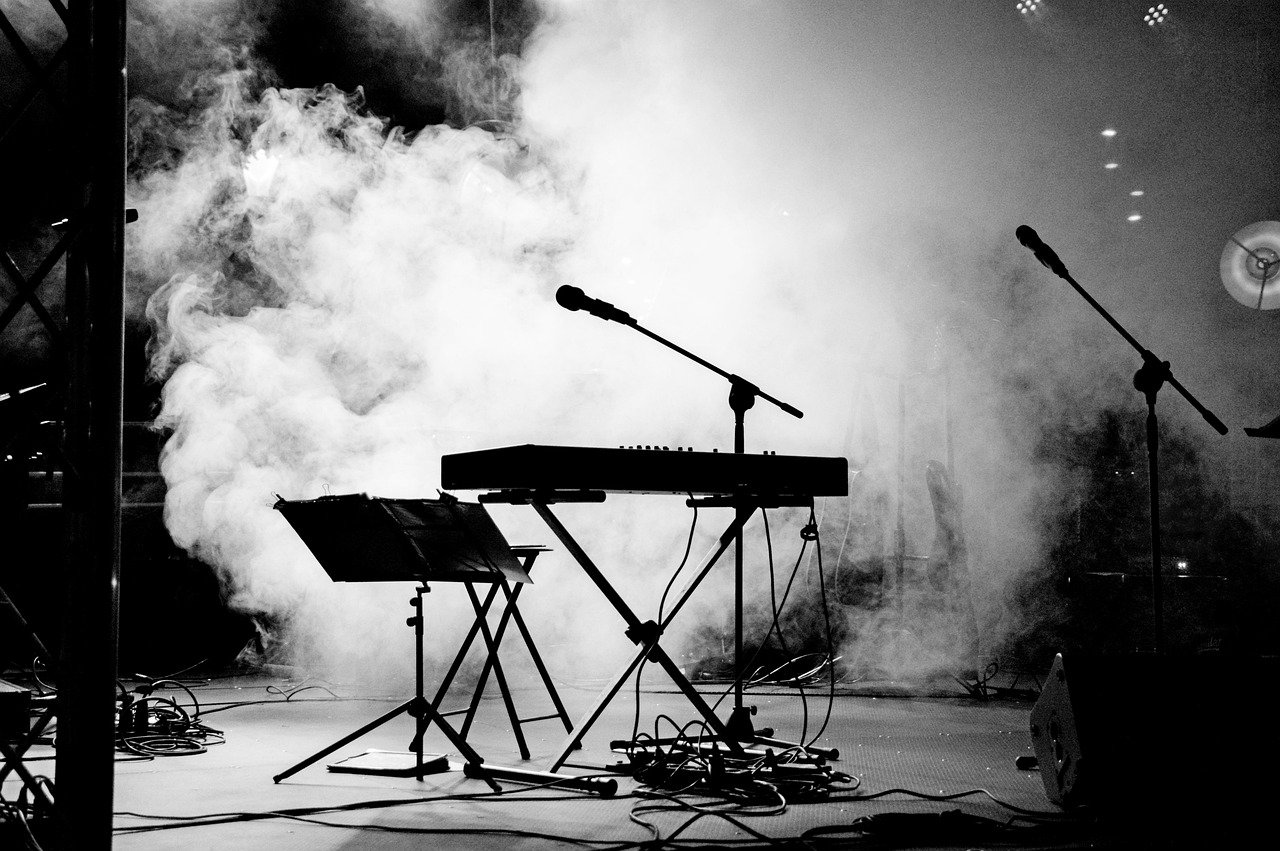

  • Electronic music meets orchestra as DJ Black Coffee stuns O2 crowds

    Electronic music meets orchestra as DJ Black Coffee stuns O2 crowds


    DJ Black Coffee Brings Electronic Music and Orchestra Together in a Breathtaking O2 Arena Sell-Out Show

    Something truly extraordinary happened at London’s O2 Arena recently, and if you weren’t there, you’re probably already feeling the FOMO. South African DJ and producer Black Coffee delivered a once-in-a-lifetime performance that fused the pulsating world of electronic music with the timeless grandeur of a live orchestra — and the crowd absolutely lost their minds.

    This wasn’t just another DJ set. This was a cultural moment. A full sell-out crowd packed into one of the world’s most iconic venues to witness an artist who has spent years pushing the boundaries of what electronic music can be, and on this particular night, he pushed them further than ever before.

    One Night in London Before Ibiza Calls

    The timing of this show made it even more special. Black Coffee was in London for one night only — a single, stunning stop before heading off to his highly anticipated Ibiza residency. For fans in the UK, this was their chance, and they seized it with both hands.

    Tickets had long since sold out, and the atmosphere inside the O2 was electric from the moment the doors opened. People had traveled from across the UK and even from Europe just to be part of this night. When you combine that kind of devotion with the caliber of performance Black Coffee delivered, you get something that goes way beyond a concert — you get an experience people will talk about for years.

    The Ibiza residency that follows this London show is already one of the most talked-about events in the global electronic music calendar. But for those lucky enough to be at the O2, this London night felt like the real jewel in the crown.

    When the Decks Meet the Symphony

    The concept of blending electronic music with orchestral arrangements isn’t entirely new, but the way Black Coffee executed it was something else entirely. The performance featured a full live orchestra performing alongside his DJ set, creating a sound that was simultaneously intimate and enormous — delicate strings weaving through thumping basslines, brass sections punctuating deep house rhythms in ways that sent chills down spines.

    What makes Black Coffee’s music so perfectly suited to this kind of hybrid performance is its emotional depth. His productions have always carried a soulfulness that goes beyond the typical dance floor banger. There’s a storytelling quality to his work — a sense of journey, of movement, of something deeply human — that translates beautifully when amplified by orchestral instruments.

    Watching the conductor and the DJ sharing the same stage, responding to each other, building something together in real time — it was a reminder of how music, at its core, is always about connection. The crowd felt it. The silence between drops was filled not with restless shuffling but with genuine awe.

    Who Is Black Coffee?

    If you’re not already deeply familiar with Black Coffee, here’s your crash course. Born Nkosinathi Innocent Maphumulo in Durban, South Africa, he grew up in challenging circumstances and lost the use of his left arm in a car accident as a teenager. Rather than let that define his limitations, he used it to redefine what was possible, teaching himself to DJ and produce with one fully functional hand.

    His story alone is extraordinary. But what has made him a global icon is the music. Black Coffee helped bring Afro house — a genre rooted in the deep rhythms of African music blended with house music’s hypnotic repetition — to international audiences. He’s worked with some of the biggest names in music, from Pharrell Williams to David Guetta, and has performed at the world’s most prestigious venues and festivals.

    In 2022, he won the Grammy Award for Best Dance/Electronic Album, becoming the first African artist to win in that category. That moment wasn’t just a personal triumph — it was a signal to the entire music world that African electronic music had arrived at the highest table, and it wasn’t leaving.

    More Than a Performance — A Statement

    Those who attended the O2 show noted that there was something deeply meaningful about the event beyond the spectacle of it all. Black Coffee has long spoken about his desire to elevate African music on the world stage, to show that the sounds emerging from the continent are not niche or regional — they are universal.

    Pairing those sounds with a classical orchestra in one of London’s most prestigious venues felt like a deliberate, powerful statement. It was a merging of two worlds that are rarely brought together: the centuries-old tradition of Western classical music and the vibrant, contemporary pulse of African electronic music. And it worked seamlessly.

    For the audience — a wonderfully diverse mix of electronic music fans, classical music enthusiasts, African diaspora communities, and curious newcomers — it was a reminder of how music can dissolve boundaries and bring people together under one roof, one sound, one shared feeling.

    The Crowd Reaction Was Something Special

    Social media erupted during and after the show, with fans posting clips, sharing reactions, and trying — often failing — to put into words what they had just witnessed. Words like “breathtaking,” “transcendent,” and “life-changing” were thrown around freely, and for once, they didn’t feel like exaggerations.

    Videos shared online showed moments where the entire arena seemed to hold its breath as orchestral swells built beneath Black Coffee’s mixing, before exploding into euphoric release when the beat dropped. Grown adults were seen wiping tears from their eyes. Groups of strangers were hugging each other. That’s the power of music done right.

    Long-time fans of Black Coffee said it was the most complete expression of his artistry they had ever seen live. New fans said they had no idea what they were walking into but left feeling like they’d discovered something that would stay with them forever.

    What’s Next for Black Coffee?

    After London, all eyes turn to Ibiza, where Black Coffee’s residency is set to be one of the defining musical events of the summer. Ibiza has long been the spiritual home of electronic music, drawing the world’s best DJs and the most passionate fans of the genre to its sun-drenched shores every year.

    For Black Coffee to hold a residency there is not just a career milestone — it’s a continuation of his mission to bring the sounds he loves to the biggest possible stages. Whether he brings orchestral elements to Ibiza remains to be seen, but given what he pulled off at the O2, nothing would surprise anyone at this point.

    Beyond Ibiza, Black Coffee continues to be one of the most in-demand artists on the planet. His ability to evolve, to surprise, and to consistently deliver experiences that feel genuinely new and meaningful sets him apart in a crowded industry. The O2 show was proof, if any more were needed, that he is operating at a level very few artists ever reach.

    A Night That Will Live Long in the Memory

    In an era where live music sometimes feels over-produced, over-rehearsed, and stripped of genuine spontaneity, what Black Coffee delivered at the O2 Arena felt refreshingly, powerfully real. It was ambitious, yes — bringing together an orchestra and a DJ set is no small logistical feat — but it was also deeply personal and emotionally honest.

    This was an artist at the peak of his powers, sharing his vision with an audience that was fully ready to receive it. The result was one of those rare nights that reminds you why live music matters, why it will never be replaced by streaming or algorithms, and why some experiences simply have to be felt in person to be truly understood.

    If Black Coffee ever brings this show back to London — or anywhere near you — do whatever it takes to get a ticket. You won’t regret it.

    What Do You Think?

    Have you ever seen a DJ perform with a live orchestra, or is this your first time hearing about this kind of hybrid show? Would you want to experience something like Black Coffee’s O2 performance live? Drop your thoughts in the comments — we’d love to hear from you!

    This article is for informational purposes only.

  • The ‘raucous’ debut novel set entirely on one epic night out

    The ‘raucous’ debut novel set entirely on one epic night out


    From Stormzy’s Award to Elton John: Meet Sufiyaan Salam, the Debut Novelist Taking the Literary World by Storm

    There are debut novelists, and then there is Sufiyaan Salam. Before his first book even hit shelves, this young British writer had already collected an award backed by grime superstar Stormzy, earned a BAFTA nomination, and created a music video for none other than Elton John. Not bad for someone just getting started.

    Now, Salam is adding another impressive title to his growing list of achievements — debut novelist. His first book is being described as “raucous,” wild, and utterly electric, set entirely over the course of one single epic night out. If that sounds like the kind of book you’d devour in a single sitting, you’re probably not wrong.

    Who Is Sufiyaan Salam?

    If you haven’t heard of Sufiyaan Salam yet, consider this your introduction — and trust us, you’ll want to remember that name. Salam is a young British creative whose career has already spanned multiple artistic disciplines before most people his age have figured out what they want to do with their lives.

    He burst onto the scene through Merky Books, the publishing imprint founded by Stormzy with the explicit mission of amplifying underrepresented voices in British literature. Winning an award from that platform is no small thing — Stormzy has been vocal about wanting to shake up an industry that has historically been slow to reflect the full diversity of British culture and experience.

    But Salam didn’t stop there. His creative fingerprints have also appeared on a BAFTA-nominated project, and he worked on a music video for Elton John — one of the most iconic artists in the history of popular music. The range here is genuinely staggering, and it speaks to a young creator who refuses to be boxed in by genre or medium.

    One Night. Endless Chaos. A Debut Novel Like No Other.

    So what is the book actually about? Salam’s debut novel is set entirely within the span of a single night out — a bold structural choice that immediately sets it apart from the crowd. Think of it as a literary rollercoaster, where everything unfolds in real time as characters navigate the beautiful, messy, unpredictable chaos of a night that refuses to go as planned.

    The novel has been called “raucous” by early readers and reviewers, and that word seems perfectly chosen. There’s energy on every page, a sense of momentum and urgency that mirrors the experience of actually being out in the middle of a wild evening where anything could happen next. It’s the kind of writing that grabs you by the collar and doesn’t let go.

    Setting an entire novel in one night is a classic literary device — think of works like Ulysses or more contemporary examples like Nick and Norah’s Infinite Playlist — but Salam brings his own fresh, distinctly modern British voice to the format. This isn’t your typical coming-of-age story. It’s something rawer, more immediate, and more alive.

    The Stormzy Connection and What It Means for British Literature

    The fact that Salam came up through Stormzy’s Merky Books is significant for reasons that go beyond just one writer’s career. Merky Books was launched specifically to challenge the gatekeeping that has long defined the traditional publishing world, and it has already produced some of the most exciting voices in contemporary British writing.

    Stormzy has spoken passionately about the need for stories from communities that rarely see themselves reflected in mainstream bookshops. By backing writers like Salam, he’s not just doing charity work — he’s actively reshaping what British literature looks and sounds like in the 21st century. And the results are speaking for themselves.

    Salam’s debut is exactly the kind of book that Merky Books was created to champion: urgent, culturally specific, deeply human, and impossible to ignore. It represents a generation of British writers who are done waiting for permission to tell their stories.

    BAFTA Nomination and the Elton John Connection

    Before the novel, Salam was already making serious waves in the creative industries. His BAFTA nomination placed him among some of the most celebrated talent in British film and television — an extraordinary achievement for any young creative, let alone someone who was simultaneously building a literary career.

    And then there’s the Elton John music video. Working with Sir Elton is the kind of opportunity that most creatives would consider a career highlight in itself. It speaks to Salam’s ability to move fluidly between different artistic worlds, bringing a distinctive visual sensibility that clearly resonated with one of music’s true legends.

    This multi-disciplinary approach to creativity is increasingly rare in an industry that often tries to force artists into neat, marketable categories. Salam seems to actively resist that kind of pigeonholing, and it’s making his work all the more interesting as a result.

    Why This Book Is Generating So Much Buzz

    Debut novels live or die on word of mouth, and early buzz around Salam’s book has been genuinely enthusiastic. Readers and critics who have gotten early access are talking about the novel’s energy, its voice, and its ability to capture something true about what it feels like to be young and alive in modern Britain.

    There’s also something refreshing about a novel that strips everything back to its most essential elements — no sprawling timeframes, no elaborate world-building, just one night, a group of characters, and the full weight of human experience compressed into those few electric hours. It’s a high-wire act, and by all accounts, Salam pulls it off.

    The book arrives at a moment when there’s huge appetite for authentic, diverse voices in fiction. Readers are hungry for stories that reflect their actual lives and communities, and Salam’s novel seems positioned to deliver exactly that. Expect this one to generate serious conversation.

    What’s Next for Sufiyaan Salam?

    With a debut this strong and a profile this high, the question isn’t whether Sufiyaan Salam has a future in literature — it’s how big that future is going to be. He has already demonstrated an ability to work across multiple creative disciplines at the highest level, and his novel suggests a writer who has found his voice fully formed right out of the gate.

    Watch for this book to appear on award longlists and shortlists in the coming months. Debut novels that generate this kind of pre-publication excitement often go on to define a year in fiction, and Salam’s seems to have all the ingredients: a compelling premise, a distinctive voice, and the kind of cultural relevance that gets people talking.

    Whether you’re a dedicated fiction reader or someone who’s been looking for the perfect excuse to get back into books, Sufiyaan Salam’s debut novel might just be the one that does it. It sounds like exactly the kind of reading experience that reminds you why stories matter — urgent, alive, and completely impossible to put down.

    A New Voice for a New Generation

    British literature has always been at its best when it reflects the full range of voices that make up the country. Sufiyaan Salam represents something genuinely exciting: a writer who has arrived with his creative identity already fully formed, backed by one of the most culturally significant publishing ventures in recent memory, and with a debut that sounds unlike anything else out there.

    The combination of Stormzy’s backing, a BAFTA nomination, Elton John collaborations, and now a debut novel that everyone seems to be buzzing about — it’s the kind of origin story that feels almost too good to be true. But Salam has earned every bit of it, and the literary world is clearly paying attention.

    If you’ve been sleeping on this one, now is the time to wake up. Sufiyaan Salam is here, and British literature is better for it.

    What Do You Think?

    Are you excited to read a debut novel set entirely on one wild night out? Do you think initiatives like Stormzy’s Merky Books are changing British literature for the better? Drop your thoughts in the comments — we’d love to hear from you!

    This article is for informational purposes only.
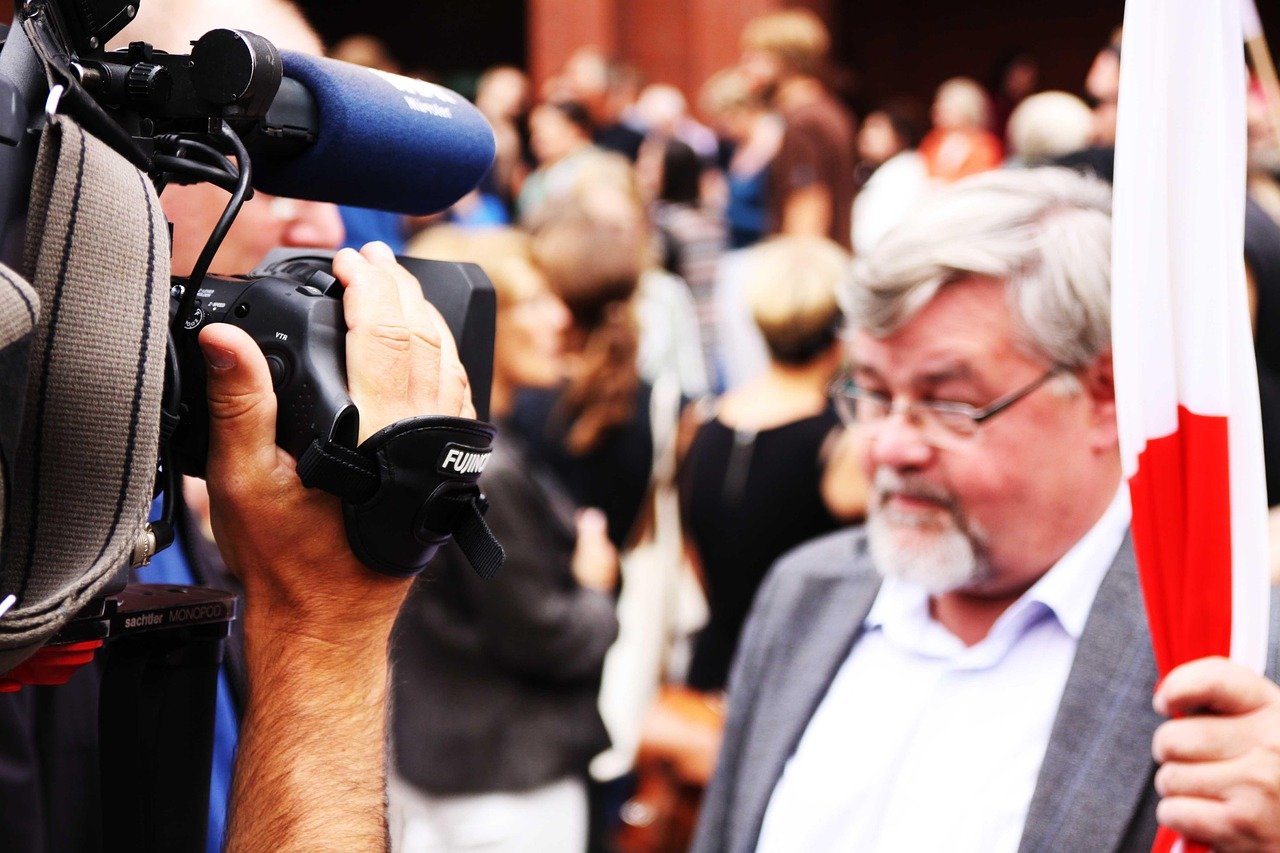

  • How Panorama exposed rape allegations on Married at First Sight UK

    How Panorama exposed rape allegations on Married at First Sight UK


    BBC Panorama Exposes Shocking Rape Allegations Against Married at First Sight UK Cast Members

    In a bombshell investigation that has sent shockwaves through the UK television industry, BBC’s Panorama has uncovered deeply disturbing allegations involving the hit Channel 4 reality show Married at First Sight UK. Two women have come forward claiming they were raped by the men they were paired with on the show — men who were, for all intents and purposes, their on-screen husbands during filming.

    The allegations have rocked the reality TV world and sparked urgent questions about duty of care, participant welfare, and the responsibilities that production companies hold when they place vulnerable individuals in intimate, high-pressure situations for the sake of entertainment. This is no longer just a television controversy — it’s a full-blown national conversation about safety, consent, and accountability.

    What Did Panorama Uncover?

    The BBC’s flagship investigative journalism programme, Panorama, aired a deeply researched exposé revealing that two women who appeared on Married at First Sight UK have alleged they were sexually assaulted — specifically raped — by their on-screen partners during the course of filming. The women spoke directly to Panorama journalists, sharing their accounts in what appears to be one of the most serious allegations ever to emerge from a British reality television production.

    The show, which airs on Channel 4 and has become one of the UK’s most-watched reality formats, involves strangers being legally married upon meeting for the first time. Participants live together, go on honeymoons, and navigate the complexities of an instant relationship — all while cameras roll. The format, while popular, has long attracted criticism for putting people in emotionally and physically vulnerable positions with strangers.

    The Panorama investigation reportedly involved months of research, multiple interviews, and careful corroboration of the women’s accounts. The programme has a long and respected history of holding powerful institutions accountable, and this investigation appears to be no different.

    The Women Who Came Forward

    Both women allegedly reported their experiences to police, and the Panorama documentary gives voice to their harrowing accounts. Speaking out publicly about sexual violence is never easy, and both women reportedly described the emotional toll of participating in a show that was supposed to be a life-changing romantic experience — only to end in trauma.

    Their stories raise critical questions about what happens behind the scenes of these reality productions. Camera crews, producers, and psychologists are all supposedly present throughout filming — so how could such serious alleged offences occur, and were there any warning signs that were missed or ignored?

    Sources connected to the investigation have suggested that the women felt they had limited support from the production team at the time of the alleged incidents, and that the pressure to remain on the show and maintain the appearance of a functioning relationship may have contributed to a dangerous environment.

    Channel 4 and the Production Company Under Scrutiny

    Channel 4 and the production company behind Married at First Sight UK are now under enormous pressure to respond. In the aftermath of the Panorama broadcast, questions are being asked at the highest levels of the UK broadcasting industry about what safeguarding protocols were in place and whether they were sufficient.

    Reality television has faced increasing scrutiny in recent years following the tragic deaths of former Love Island contestants, which led to significant changes in how ITV handles duty of care for its participants. But critics argue that the industry still has a long way to go — and the MAFS UK allegations suggest that the problem is far from resolved.

    Channel 4, for its part, has publicly stated that it takes the welfare of contributors extremely seriously. However, advocacy groups and former reality TV participants are calling for something much more concrete — independent oversight, mandatory psychological support, and clearer legal frameworks for protecting people who appear on these shows.

    A Wider Problem in Reality TV?

    This isn’t the first time a reality television show has faced serious allegations of misconduct, but the specific nature of these claims — rape allegations involving co-stars placed together by producers — raises the stakes dramatically. The format of Married at First Sight is unique in that it actively engineers romantic and physical intimacy between strangers, which some experts argue creates an inherently risky dynamic.

    Psychologists and safeguarding experts have pointed out that the power imbalance created by camera crews, producers, and the public attention of a television show can distort normal social boundaries. Participants may feel pressure to behave in certain ways, to avoid conflict, or to stay in situations they would otherwise leave — all of which can create conditions where abuse is more likely to occur and less likely to be reported.

    Former reality TV participants across various shows have spoken out in recent years about feeling pressured, manipulated, or unsupported during and after filming. The MAFS UK allegations, if proven, would represent the most serious manifestation yet of these systemic concerns.

    Police Investigations and Legal Implications

    It has been confirmed that police are involved following the allegations made by the two women. The specifics of where any active investigations stand have not been fully disclosed, but the involvement of law enforcement adds a serious criminal dimension to what began as a television controversy.

    Legal experts have noted that cases involving sexual assault allegations from reality TV settings can be particularly complex. The existence of camera footage, production contracts, and the public nature of the relationships involved all create unusual circumstances that courts and prosecutors may need to navigate carefully.

    For the alleged victims, the decision to go public via Panorama while also pursuing legal avenues suggests a determination not only to seek personal justice but also to prompt systemic change. Their courage in speaking out — knowing their stories would be broadcast to millions — deserves recognition regardless of how the legal proceedings ultimately unfold.

    Social Media Reacts

    As news of the Panorama investigation spread, social media erupted with responses from viewers, former MAFS participants, and public figures. Many expressed shock and support for the women who came forward, while others called for an immediate review of how reality TV shows are regulated in the UK.

    Hashtags related to MAFS UK and Panorama trended across Twitter and Instagram in the hours following the broadcast, with thousands of users sharing their reactions. Some former cast members of the show also broke their silence, with a number expressing that they too had felt vulnerable or unsupported during their time on the programme — though none made allegations as serious as those at the centre of the Panorama investigation.

    The viral spread of the story has ensured that it will remain in the public consciousness for some time to come, keeping pressure on Channel 4, the production company, and regulators to act decisively.

    What Needs to Change?

    Calls for reform are growing louder. Industry watchdogs, MPs, and mental health advocates are all weighing in with demands for stricter regulation of reality television. Among the proposals being discussed are mandatory independent welfare officers on all productions, clearer consent frameworks for intimate scenes, and stronger legal protections for participants who come forward with complaints.

    Ofcom, the UK’s broadcasting regulator, is expected to review its guidelines in light of the allegations. The government has also previously signalled interest in a broader review of reality TV duty of care standards, though critics argue that progress has been far too slow.

    The BBC’s decision to air this investigation through Panorama — one of the most trusted journalism brands in the world — lends significant weight to the allegations and ensures they cannot easily be dismissed or buried. The public interest dimension is undeniable, and the pressure on all involved parties to respond transparently and urgently is immense.

    A Turning Point for British Reality TV?

    Whether or not this investigation ultimately leads to criminal convictions, it has already changed the conversation around reality television in the UK. The days of treating contestant welfare as an afterthought in pursuit of ratings and drama may finally be coming to an end — or at least, that is what campaigners are hoping.

    For the two women at the heart of this story, the road ahead will be difficult. But by speaking to Panorama, they have ensured that their experiences cannot be ignored. Their bravery may well be the catalyst that forces a long-overdue reckoning with how British television treats the real human beings it puts on screen.

    This story is developing, and AtlasTrending.com will continue to follow all updates as they emerge.

    What do you think? Should reality TV shows like Married at First Sight UK face stricter regulation and independent oversight to protect participants? Share your thoughts in the comments below.

    This article is for informational purposes only.

  • ‘We’re meant to dance’: Radio 1’s Big Weekend has one focus on its first day

    ‘We’re meant to dance’: Radio 1’s Big Weekend has one focus on its first day


    Radio 1’s Big Weekend 2024 Kicks Off in Sunderland: Fatboy Slim, Dancing, and Pure Festival Magic

    It’s officially festival season, and Radio 1’s Big Weekend has roared into life in Sunderland with one clear mission — to get people on their feet and dancing. Thousands of music lovers descended on the city for the opening day of one of the UK’s most beloved annual music events, and the energy was absolutely electric from the moment the gates opened.

    Fatboy Slim headlined the first night, bringing his legendary DJ sets and feel-good anthems to a crowd that was more than ready to let loose. For anyone who’s ever experienced a Fatboy Slim set, you already know — this wasn’t just a concert, it was a full-blown celebration of everything music is supposed to make you feel.

    Sunderland Takes Centre Stage

    This year, Sunderland has the honour of hosting one of BBC Radio 1’s most iconic annual events, and the city has embraced it wholeheartedly. Streets were buzzing with excitement well before the festival even began, with fans travelling from all corners of the UK — and beyond — to be part of the action.

    Big Weekend has a reputation for bringing together an incredible mix of artists across genres, and 2024 is no different. From chart-topping pop acts to legendary DJs, the lineup promises something for everyone. Sunderland, a city with a proud musical heritage and a passionate community, feels like the perfect backdrop for this kind of celebration.

    Local businesses, hotels, and restaurants have all been buzzing with the influx of festival-goers, giving the local economy a welcome boost. It’s not just a music event — it’s a cultural moment for the entire region.

    Fatboy Slim: The Man, The Legend, The Dancefloor

    If you needed a reason to be excited about Friday night’s headline act, here it is: Fatboy Slim is one of the most iconic figures in dance music history. Norman Cook — the man behind the decks — has been making people move since the late 1990s, and he shows absolutely no signs of slowing down.

    His set at Big Weekend was everything fans hoped for and more. Pumping classics, surprise drops, and that unmistakable energy that only Fatboy Slim can deliver filled the air as the crowd went absolutely wild. Tracks like “Praise You,” “Right Here, Right Now,” and “Rockafeller Skank” had thousands of people singing and dancing together in one of those rare, magical festival moments.

    The vibe was less “watching a performance” and more “being part of something massive.” That’s the Fatboy Slim effect — he doesn’t just play music, he creates experiences that people talk about for years.

    ‘We’re Meant to Dance’ — The Spirit of Big Weekend

    The phrase making the rounds at this year’s event perfectly captures what Big Weekend is all about: “We’re meant to dance.” It’s not just a catchy line — it’s a philosophy. In a world that often feels heavy and complicated, there’s something genuinely powerful about thousands of people coming together with the shared purpose of having a great time.

    Radio 1 has always had a knack for capturing the pulse of what young people in the UK — and around the world — actually care about. Big Weekend is the physical manifestation of that. It’s where the biggest names in music meet real fans in real cities, creating memories that last a lifetime.

    Festival-goers on the first day were full of enthusiasm, with many describing the atmosphere as “unreal” and “exactly what we needed.” After years of disrupted events and cancelled plans, there’s an extra layer of appreciation for moments like these.

    What to Expect Over the Weekend

    Friday’s Fatboy Slim headline was just the beginning. Big Weekend spans multiple days, with a stacked lineup that includes some of the hottest names in music right now. Fans can expect performances across multiple stages, covering everything from pop and R&B to dance and indie.

    BBC Radio 1 will be broadcasting live throughout the weekend, meaning millions of listeners across the UK — and streaming globally — can tune in and feel part of the action even if they couldn’t make it to Sunderland in person. That’s the beauty of Big Weekend: it’s simultaneously an intimate local event and a massive national moment.

    The festival grounds have been set up to accommodate the huge crowds expected over the coming days, with food stalls, interactive experiences, and plenty of spaces to soak in the atmosphere between sets. Whether you’re front-row at the main stage or chilling out with friends, there’s a Big Weekend experience for every kind of music fan.

    Why Big Weekend Matters More Than Ever

    In an era of streaming and algorithm-driven playlists, there’s something genuinely special about live music events like Big Weekend. They remind us that music is a communal experience — something meant to be shared, felt, and lived out loud with other people.

    Radio 1’s Big Weekend has been doing this for over two decades, bringing free tickets to local residents and giving artists a platform to connect with fans in a way that no digital experience can replicate. The fact that it continues to grow in popularity year after year says everything about how much people crave these real-world, in-person moments.

    Sunderland’s turn as host city is also a powerful statement about the diversity of UK music culture. Big Weekend doesn’t just stay in London or the major metropolitan centres — it travels, it discovers, and it celebrates the fact that great music scenes exist everywhere.

    Fatboy Slim’s Legacy and Why He’s Still Unmissable

    It would be easy to dismiss Fatboy Slim as a nostalgia act, but that would be a massive mistake. Norman Cook has continued to evolve, collaborate, and innovate throughout his career, and his live performances remain some of the most electrifying in the business.

    His ability to read a crowd and take them on a journey is unmatched. At Big Weekend, he demonstrated exactly why he’s still one of the most in-demand DJs on the planet. The generations in the crowd ranged from people who grew up with his music in the ’90s to younger fans discovering him for the first time — and he had every single one of them in the palm of his hand.

    That cross-generational appeal is rare and precious. It speaks to the timeless quality of great dance music and to Fatboy Slim’s extraordinary talent for making it feel fresh every single time.

    The Atmosphere in Sunderland: A City Buzzing

    Beyond the festival grounds, Sunderland itself has been transformed by the Big Weekend effect. The city centre has been alive with pre-festival excitement, fans sharing their experiences on social media, and a general sense of collective joy that only major live events can produce.

    Social media has been flooded with videos, photos, and enthusiastic posts from attendees, helping spread the Big Weekend buzz far beyond the northeast of England. Trending moments from the festival are being shared globally, with fans in the US, Australia, and beyond tuning into BBC streams and YouTube clips to catch the highlights.

    It’s a reminder of how festivals like Big Weekend can put a city on the map in the best possible way — showcasing its warmth, its community spirit, and its capacity to host world-class events.

    Don’t Miss the Rest of the Weekend

    If you haven’t been following Big Weekend yet, now is the time to tune in. The remaining days promise even more incredible performances, surprise guests, and the kind of spontaneous festival magic that you simply can’t plan or predict.

    Whether you’re watching live from the crowd in Sunderland, streaming online, or catching highlights on social media, make sure you’re part of the conversation. Radio 1’s Big Weekend 2024 is shaping up to be one for the books — and it’s only just getting started.

    After all, as the spirit of this year’s event reminds us: we’re meant to dance. So turn it up, find your space, and let the music take over.

    What Do You Think?

    Are you at Radio 1’s Big Weekend in Sunderland, or watching from home? Who are you most excited to see perform this weekend — and does Fatboy Slim’s headline slot live up to the hype? Drop your thoughts and let us know!

    This article is for informational purposes only.

  • Weekly quiz: Eurovision went mad for Bangaranga – but who gave the UK its only point?

    Weekly quiz: Eurovision went mad for Bangaranga – but who gave the UK its only point?

    Eurovision 2025: The Bangarang Moment That Broke the Internet — And Who Saved the UK From Total Embarrassment

    Eurovision 2025 has come and gone, and honestly? It delivered everything we could have hoped for — drama, glitter, jaw-dropping performances, and one absolute banger of a song that had the entire continent losing its mind. If you haven’t heard about Bangaranga by now, where exactly have you been this past week?

    The Eurovision Song Contest has always been a spectacle, but this year felt like something truly special. Audiences across Europe and beyond were glued to their screens as the votes rolled in, and the UK found itself in a familiar yet nail-biting position — waiting to see if anyone, anyone at all, would throw them a lifeline in the points department.

    Bangaranga: The Song That Took Over Eurovision

    Let’s talk about Bangaranga, because this is the moment everyone is still buzzing about. The song exploded onto the Eurovision stage with an energy that was practically impossible to ignore. From the opening notes, it was clear this wasn’t just a Eurovision entry — it was a cultural event in the making.

    Social media absolutely erupted during the performance. TikTok was flooded with reaction videos, Twitter (now X) was trending the song’s name in over a dozen countries simultaneously, and even people who claim they “don’t watch Eurovision” found themselves accidentally knowing every word by Monday morning. That’s the Bangaranga effect, and it’s very real.

    The performance itself was a masterclass in Eurovision showmanship — think elaborate staging, unexpected costume reveals, and choreography that somehow managed to be both chaotic and perfectly synchronized. It was the kind of act that reminds you why Eurovision exists in the first place: to be completely, gloriously over the top.

    The UK’s Eurovision Struggle Is Real — But One Nation Came Through

    Now, let’s address the elephant in the room. The United Kingdom and Eurovision have had a… complicated relationship over the years. There have been glorious highs, yes, but also some truly painful moments where the scoreboard looked more like a participation certificate than a competition result.

    This year, the UK once again found itself nervously watching the votes pile up for other countries while their own tally remained stubbornly low. But then — salvation. One country stepped up and handed the UK their only point of the night, sparking a wave of genuine appreciation and more than a few jokes across British social media.

    The identity of that one generous nation became one of the most talked-about moments of the entire voting ceremony. It’s the kind of detail that hardcore Eurovision fans obsess over, and rightfully so — in a contest where every point counts, that single gesture meant everything to the UK delegation and fans watching at home.

    Why Eurovision Voting Always Causes Drama

    If you’ve watched Eurovision for any length of time, you know that the voting segment is often just as entertaining as the performances themselves. There’s strategy, there’s tradition, there’s neighbourly loyalty, and there’s the occasional wildcard that nobody saw coming.

    Countries tend to vote for their geographic and cultural neighbours, which means the Scandinavian bloc, the Balkan bloc, and the Eastern European bloc all tend to support each other in predictable patterns. The UK, sitting somewhat apart from these voting blocs (and with the added complication of post-Brexit political feelings), often finds itself on the outside looking in.

    But that’s also what makes those rare moments of UK support so memorable. When someone does vote for Britain, it genuinely stands out, and fans immediately start theorizing about why — was it genuine love for the song? A diplomatic gesture? Or just a reminder that Eurovision, at its core, is still about the music?

    The Weekly Quiz That’s Testing Everyone’s Knowledge

    For those who want to test just how closely they were paying attention to the world this week, the BBC’s weekly news quiz has made Eurovision — and specifically the Bangaranga phenomenon — a central question. And it’s not as easy as you might think.

    The quiz covers everything from the big Eurovision moments to other global headlines that may have slipped under the radar while everyone was distracted by sequins and singing. It’s a brilliant way to catch up on the week’s events while also competing against friends and family to see who was actually paying attention.

    These weekly quizzes have become something of a ritual for news-savvy audiences, offering a mix of serious current events and lighter pop culture moments. The inclusion of Eurovision questions this week reflects just how massive the contest’s cultural footprint really is — it’s not just a music competition, it’s a genuine global news event.

    Eurovision’s Growing Global Audience

    Speaking of global, let’s talk about how Eurovision has transformed from a purely European affair into a worldwide obsession. Audiences in the USA, Canada, Australia, and beyond have been tuning in with increasing enthusiasm over the past decade, and this year was no different.

    Australia has famously been an official Eurovision participant for several years now, which tells you everything you need to know about how far the contest’s reach has extended. American audiences, meanwhile, have been discovering Eurovision largely through social media, with highlight clips and reaction videos racking up millions of views across platforms.

    The Bangaranga moment was particularly huge for international audiences, many of whom encountered it first through viral clips before going back to watch the full performance. That’s the modern Eurovision experience — you might not watch it live, but you absolutely cannot escape it online.

    What Makes a Eurovision Song Go Viral?

    It’s a question worth asking: what is the secret formula that turns a Eurovision entry into a genuine viral phenomenon? Because not every song gets the Bangaranga treatment, and plenty of perfectly good entries disappear from public consciousness within days of the contest ending.

    The songs that truly break through tend to have a combination of factors working in their favour. There’s the catchiness element — that earworm quality that means you’re still humming the melody three days later. Then there’s the performance factor, which at Eurovision is absolutely crucial. A technically brilliant song can fall flat without the right staging, while a simpler song with incredible visual storytelling can become iconic.

    Bangaranga clearly hit on all of these factors simultaneously. It was catchy, it was visually spectacular, and it had that undefinable “moment” quality — the sense that you were watching something that would be talked about for years to come. Eurovision veterans will tell you that you can’t manufacture that feeling, but when it happens, everyone knows it.

    The UK’s Eurovision Future: Reasons for Hope?

    Despite the challenging scoreboard this year, there are genuine reasons for UK Eurovision fans to remain optimistic. The past few years have shown that the UK can compete at the highest level — Sam Ryder’s stunning second-place finish in 2022 proved that British acts can capture European hearts when the song and performance are right.

    The key is consistency and continued investment in finding the right act. Eurovision success doesn’t happen by accident — it requires commitment, the right creative team, and a willingness to embrace what the contest is actually about rather than trying to impose a different vision onto it.

    UK fans will be hoping that this year’s result is a temporary blip rather than a return to the dark days of nul points. And whoever gave them that single point this year? You’ve made friends for life across the British Isles, that’s for sure.

    How Did You Do on the Quiz?

    Whether you’re a dedicated Eurovision superfan who watched every second of the show, or someone who only caught the highlights on social media, this week’s news quiz is worth taking. It’s a genuinely fun way to reflect on a week that was dominated by one of the world’s most beloved — and most gloriously ridiculous — television events.

    The Bangaranga phenomenon, the UK’s voting drama, and all the other moments that made Eurovision 2025 unforgettable are all fair game. So dust off your knowledge, rope in some friends, and see who in your group was really paying attention this week.

    Eurovision may only happen once a year, but the memories, the memes, and the music last a whole lot longer. And if Bangaranga is still stuck in your head right now? You’re definitely not alone.

    What do you think? Did you watch Eurovision 2025, and what was your favourite moment? Did Bangaranga deserve all the hype, and do you think the UK will ever recapture that Sam Ryder magic? Let us know in the comments below!

    This article is for informational purposes only.
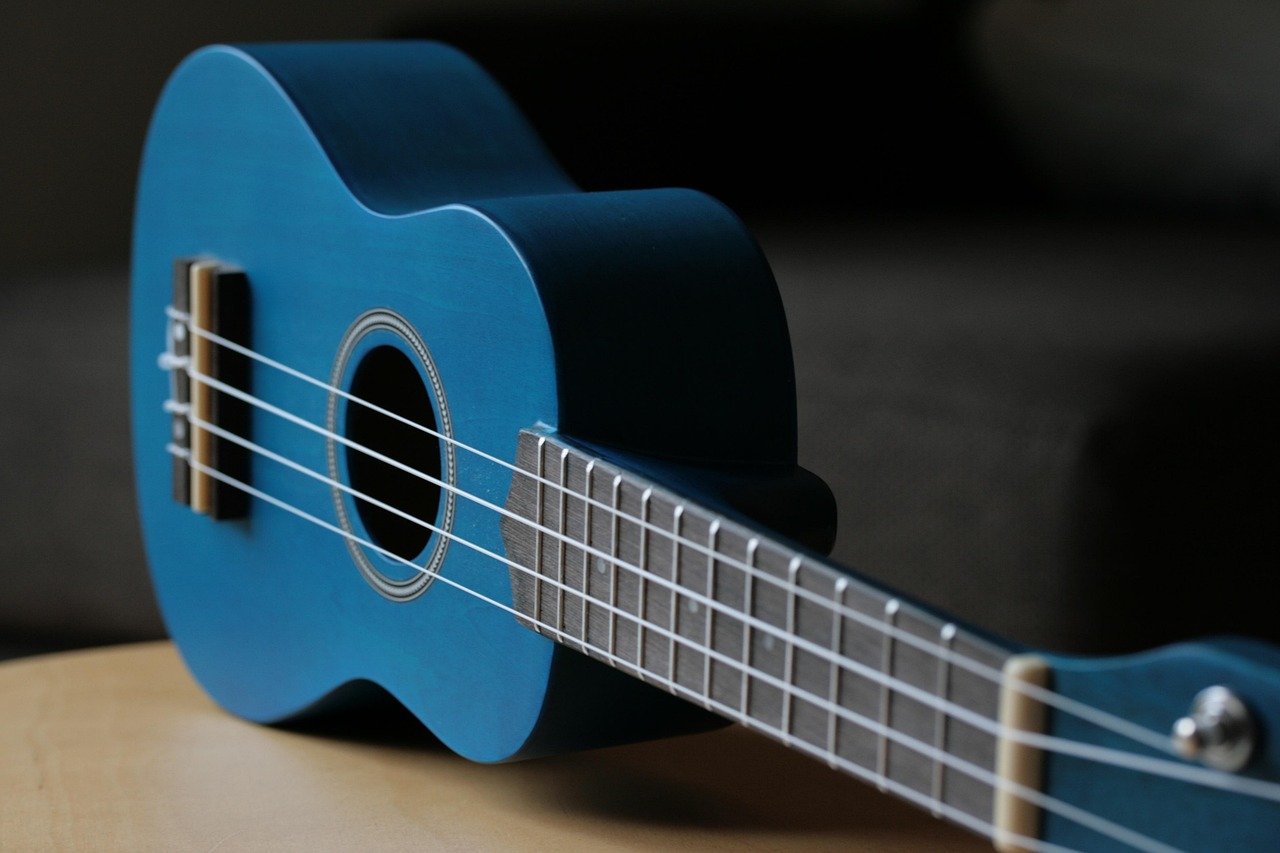
  • King Charles plays ukulele on final day of NI trip

    King Charles plays ukulele on final day of NI trip


    King Charles Picks Up a Ukulele and Steals the Show on His 43rd Visit to Northern Ireland

    King Charles III wrapped up his latest visit to Northern Ireland in the most unexpected and charming way possible — by strumming a ukulele. Yes, you read that right. The King of England picked up the tiny stringed instrument and gave onlookers a moment they absolutely did not see coming, and honestly, the internet is here for it.

    The royal visit marked a genuinely historic milestone. This was King Charles’s 43rd trip to Northern Ireland — a remarkable number that spans decades of connection to the region, beginning long before he wore the crown. He first visited as the Prince of Wales, and now returns as the reigning monarch, bringing with him a sense of continuity, warmth, and apparently, musical ambition.

    A Royal Finale Nobody Expected

    The ukulele moment came on the final day of the trip, and it quickly became the defining image of the entire visit. Royal tours are often filled with formal handshakes, ribbon cuttings, and carefully scripted engagements — but this was something different. This was King Charles, relaxed and in good spirits, picking up an instrument and showing a side of himself that rarely makes it into the official photographs.

    Those who were present described the moment as genuinely joyful. The King didn’t just pose awkwardly with the instrument for a photo opportunity — by all accounts, he actually had a go at playing it. Whether or not he hit every note perfectly is beside the point. The willingness to be playful and human in a public setting is exactly the kind of thing that resonates with people far beyond the walls of any palace.

    43 Visits and Still Going Strong

    Let’s take a moment to appreciate just how significant the number 43 really is. Forty-three visits to Northern Ireland over the course of a lifetime in public service is a testament to how seriously King Charles takes his connection to every part of the United Kingdom. This isn’t a region he visits once in a while for appearances — it’s somewhere he has returned to again and again, through changing times and shifting circumstances.

    His first visits came when he was still Prince of Wales, a title he held for an extraordinarily long time before ascending to the throne following the passing of Queen Elizabeth II in September 2022. Now, as King, his visits carry even more symbolic weight. Each trip is a reminder that the monarchy sees itself as deeply connected to all corners of the UK, not just the grand halls of London or Windsor.

    Northern Ireland has its own rich and complex identity, and the fact that the King continues to show up — literally and figuratively — matters to many people there. His visits are often filled with community engagements, meetings with local leaders, and moments designed to celebrate the culture and people of the region.

    The Ukulele: Small Instrument, Big Moment

    So where did the ukulele come from, and why did it end up in the King’s hands? The instrument was apparently part of a community or cultural engagement during the final day’s schedule. It’s the kind of spontaneous moment that royal tours sometimes produce — an instrument is nearby, someone offers it to the King, and suddenly history is being made in the most delightful way possible.

    The ukulele, for those unfamiliar, is a small four-stringed instrument originally from Hawaii, though it has become beloved worldwide for its cheerful sound and relatively easy playability. It’s the kind of instrument that makes people smile just by looking at it. Put it in the hands of a reigning monarch and you’ve got yourself a viral moment waiting to happen.

    King Charles is no stranger to the arts. He has long been a patron of music, theatre, and the creative industries, and has spoken publicly about the importance of arts education. Seeing him engage with a musical instrument — even in a light-hearted, informal setting — fits neatly into a broader picture of a man who genuinely values culture and creativity.

    Public Reaction: Warm, Witty, and Widely Shared

    As soon as images and footage of the ukulele moment began circulating, social media did what social media does best — it ran with it. Reactions ranged from genuinely heartwarmed to hilariously witty, with plenty of people pointing out that they did not expect “King plays ukulele” to be a headline they’d encounter this week.

    Many commenters praised the King for appearing relaxed and approachable. In an era where public trust in institutions can be fragile, moments of genuine human connection — even something as simple as strumming a tiny guitar — can go a long way. It humanises a role that can often seem distant and ceremonial.

    Others, naturally, had jokes. The internet never misses an opportunity for a well-timed pun, and “ukulele king” was trending in various forms across platforms within hours of the images being published. It’s the kind of lighthearted royal content that tends to cross political and cultural divides — almost everyone can agree that a king playing a ukulele is, at minimum, pretty entertaining.

    King Charles’s Health and Public Engagements

    It’s worth noting that King Charles has maintained an impressively active public schedule despite announcing earlier in 2024 that he had been diagnosed with cancer. He stepped back from some duties during treatment but has gradually returned to public life with remarkable energy and commitment. Seeing him so engaged and even playful during this Northern Ireland visit is a positive sign that he is doing well.

    His return to full public duties has been welcomed warmly by royal supporters and the general public alike. There’s something genuinely moving about watching someone face a serious health challenge and then show up — ukulele and all — to continue doing the work they’ve committed their life to. It’s hard not to admire that kind of resilience.

    A Legacy Built on Showing Up

    Forty-three visits. That number keeps coming back because it really does tell a story. Long before he was King, Charles was putting in the work — travelling, engaging, listening, and connecting. Northern Ireland is just one example of a region where that consistent presence has built real relationships over time.

    As King, he now carries the full weight of the monarchy into every engagement. But what the ukulele moment reminds us is that beneath the titles and the ceremony, there is still a person who can pick up a silly little instrument and make a room laugh. That’s not nothing. In fact, in the grand scheme of what makes a public figure genuinely beloved, it might be everything.

    The Northern Ireland visit may be over, but the image of King Charles with a ukulele is going to stick around for a while. It’ll show up in year-end roundups, in royal retrospectives, and probably in more than a few birthday cards. And honestly? Good. The world could use more moments like this.

    What’s Next for the King?

    With this visit wrapped up, the royal calendar continues. King Charles maintains one of the busiest schedules of any head of state, with engagements spanning the UK and beyond. His diary includes everything from formal state occasions to grassroots community visits, and if his Northern Ireland trip is anything to go by, there may be more unexpected musical moments ahead.

    Whether he’s picked up the ukulele as a new hobby remains to be seen. Perhaps someone should get him lessons. Or perhaps the beauty of the moment was precisely its spontaneity — a King, a tiny instrument, and a room full of people who got to witness something genuinely memorable.

    Keep your eyes on the royal schedule, folks. You never know what’s coming next.

    What Do You Think?

    Would you want to see King Charles perform a full ukulele set at a royal event? Or was this the perfect one-time moment — funny, warm, and best left unrepeated? Drop your thoughts and let us know what you make of the King’s musical debut!

    This article is for informational purposes only.


  • Race Across the World pals Jo and Kush on fame, friendship and family

    Race Across the World pals Jo and Kush on fame, friendship and family


    Race Across the World’s Jo and Kush: How Two Liverpool Best Friends Are Taking the BBC Show by Storm

    If you haven’t already fallen in love with Jo and Kush from this series of Race Across the World, then you’re seriously missing out. The childhood best friends from Liverpool are bringing energy, heart, and a whole lot of Scouse charm to the BBC’s beloved travel competition — and audiences absolutely cannot get enough of them.

    As the youngest duo in this series, Jo and Kush are proving that age is just a number when it comes to navigating the world without smartphones, apps, or the comfort of pre-booked flights. Their friendship, which goes back to their earliest school days, is shining through every single episode — and it’s making for some truly compelling television.

    From Liverpool Streets to Global Adventures

    Growing up together in Liverpool, Jo and Kush built a bond that most people can only dream of. They’ve seen each other through the highs and lows of childhood, teenage years, and now young adulthood — and all of that shared history is clearly what makes them such a formidable team on the race.

    What’s fascinating about their dynamic is how naturally they complement each other. Where one might hesitate, the other pushes forward. Where one might get emotional, the other steadies the ship. It’s the kind of friendship that’s been tested by real life long before any TV camera ever pointed their way.

    Liverpool, of course, is a city famous for producing characters with heart, wit, and resilience. Jo and Kush embody all of that and more. Watching them interact with locals across different countries and cultures, you can see how their upbringing has shaped their openness and warmth toward strangers.

    The Youngest Duo — But Don’t Underestimate Them

    Being the youngest pair in the competition could easily be seen as a disadvantage. Less life experience, potentially less travel knowledge, maybe less confidence when things go wrong. But Jo and Kush have flipped that narrative completely on its head.

    Their youth actually works in their favour in many ways. They’re adaptable, quick-thinking, and not yet set in their ways. They embrace the unexpected with a sense of adventure rather than anxiety — and that attitude has carried them far in the race.

    There’s also something incredibly refreshing about watching two young people from a working-class city throw themselves into an experience this raw and real. No safety nets, no luxury — just grit, instinct, and a whole lot of trust in each other.

    Fame, Friendship and Keeping It Real

    Since the show began airing, Jo and Kush have found themselves in the unusual position of becoming recognisable faces overnight. For two young people who were just living their normal lives not so long ago, the sudden wave of public attention has been a lot to process.

    But both have spoken about how their friendship has been the anchor through all of it. When you’ve got someone who’s known you since you were kids, someone who remembers who you were before any of this — that’s grounding in a way that no amount of fame can replace.

    They’ve been candid about the surreal nature of being stopped in the street, seeing their faces on social media, and reading comments from viewers who feel emotionally invested in their journey. It’s a lot to take in, but they’re handling it with the kind of humility and humour that has endeared them to fans in the first place.

    Family Ties and the Emotional Weight of the Race

    One of the most powerful themes running through Jo and Kush’s story on the show is the role of family. Being so far from home, without the usual comforts of modern communication, has given both of them a deeper appreciation for the people waiting for them back in Liverpool.

    The emotional moments — and there have been plenty — hit differently when you understand just how much these two carry with them. Their families are clearly a huge part of who they are, and you can feel that influence in the decisions they make and the way they support each other when things get tough on the road.

    For viewers who come from close-knit families or tight communities themselves, this is deeply relatable content. It’s not just a race — it’s a journey of self-discovery, gratitude, and connection.

    Why Race Across the World Keeps Winning Over Audiences

    Now in yet another successful series, Race Across the World continues to be one of the BBC’s most beloved reality travel shows — and for good reason. In an era of over-produced, drama-manufactured reality TV, this show strips everything back to something genuinely human.

    No eliminations based on public votes. No manufactured villains. No luxury prizes dangled in front of contestants. Just real people, real places, and the challenge of getting from A to B with limited funds and no digital crutches. It’s refreshingly honest television.

    Jo and Kush fit perfectly into that ethos. They’re not playing a character or performing for the camera — what you see is what you get. And what you get is two brilliant young people who genuinely care about each other, about the experience, and about doing justice to the incredible journey they’re on.

    The Social Media Buzz Is Real

    If you’ve been scrolling through social media since this series started, you’ll have noticed that Jo and Kush are generating serious conversation online. Fans are rooting for them with an intensity that rivals any major sports rivalry — and the duo have become something of a cultural moment in the UK entertainment space.

    Clips of their funniest exchanges, their most emotional moments, and their most impressive problem-solving have been shared thousands of times across platforms. It’s the kind of organic buzz that TV producers dream of but can never quite manufacture — it only happens when the people on screen are genuinely authentic.

    Their fanbase stretches well beyond the UK too. Viewers in Australia, Canada, and beyond have been tuning in and falling for their story, proving that great human content truly transcends borders.

    What’s Next for Jo and Kush?

    With the series still unfolding, the big question on everyone’s lips is whether Jo and Kush can go all the way. Without spoiling anything, what’s clear is that whatever happens in the race, these two have already won something far more valuable — a shared experience that will define their friendship for the rest of their lives.

    They’ve navigated foreign countries, overcome language barriers, managed tight budgets, and leaned on each other through moments of real stress and uncertainty. That’s not just good TV — that’s genuinely character-building stuff. The kind of thing that shapes a person.

    As for their futures beyond the show, both Jo and Kush seem poised to build on the platform they’ve been given. Whether that means more TV, content creation, or simply returning to their Liverpool lives with incredible stories to tell, one thing is certain — people will be watching with interest.

    A Friendship Worth Celebrating

    At its core, the story of Jo and Kush is a celebration of genuine friendship. In a world that sometimes feels increasingly transactional and disconnected, watching two people who truly have each other’s backs — through the chaos of a global race and the strange new world of sudden fame — is genuinely uplifting.

    They’re funny, they’re real, they’re deeply human. And they’re reminding audiences everywhere of what it means to have a true friend by your side when life throws the unexpected at you.

    Whether you’re watching for the stunning travel visuals, the competitive drama, or simply the heartwarming friendship at the centre of it all, Jo and Kush are must-watch TV right now. If you haven’t already tuned in, this is your sign to start.

    What do you think? Are Jo and Kush your favourite duo on Race Across the World this series? Do you think they’ve got what it takes to win it all — and which moment from their journey has hit you hardest emotionally? Drop your thoughts in the comments and let’s talk about it!

    This article is for informational purposes only.


  • ‘I made Venezuela Fury’s 40ft wedding train – it was too big for my workshop’

    ‘I made Venezuela Fury’s 40ft wedding train – it was too big for my workshop’


    The Seamstress Who Sewed Venezuela Fury’s Jaw-Dropping 40ft Wedding Train — And Had to Move to a Church Hall to Do It

    When Lancashire seamstress Emily Green took on the project of a lifetime, she had absolutely no idea just how big — literally — the challenge would become. Tasked with creating the breathtaking 40-foot (12-metre) wedding train worn by Venezuela Fury on her big day, Emily quickly discovered that her own workshop simply wasn’t going to cut it. Not even close.

    The iconic train, which trailed magnificently behind Venezuela as she walked down the aisle to marry boxing legend Tyson Fury, has since become one of the most talked-about bridal fashion moments in recent memory. And behind every stitch of that extraordinary gown is a story of dedication, creativity, and a very understanding church hall.

    When Your Workshop Just Isn’t Big Enough

    Emily Green is no stranger to complex, intricate dressmaking. A seasoned seamstress based in Lancashire, she has spent years honing her craft and working on stunning bridal pieces. But even with all of her experience, nothing could have fully prepared her for the sheer scale of Venezuela Fury’s wedding train.

    The moment it became clear that 40 feet of fabric needed to be laid out flat for hand sewing, Emily realised her workshop walls were closing in on her — metaphorically and practically. The solution? A local church hall, which provided the kind of open floor space that this once-in-a-lifetime project demanded.

    It’s the kind of detail that makes you appreciate just how much effort goes into high-profile bridal fashion. What looks effortlessly elegant on the big day is the result of hours, days, and sometimes weeks of painstaking handwork — much of it done on your hands and knees across a cold church hall floor.

    Hand-Sewn, Every Single Inch

    What makes this story even more remarkable is the fact that the train wasn’t machine-stitched. Emily hand-sewed the entire 40-foot creation, stitch by stitch, with the kind of attention to detail that simply cannot be replicated by a machine. For those who know anything about the craft, this is an almost superhuman feat.

    Hand sewing at this scale requires not just skill, but extraordinary patience and physical endurance. Imagine spending hours bent over a vast stretch of delicate fabric, making sure every single stitch is perfect, knowing that millions of people will eventually see the finished result. The pressure alone would make most people break into a cold sweat.

    Emily, however, approached the task with the calm professionalism of someone who truly loves what they do. For her, this wasn’t just a commission — it was a calling. And the results speak for themselves.

    Venezuela Fury — The Woman Behind the Train

    Venezuela Fury, wife of WBC heavyweight boxing champion Tyson Fury, is no stranger to the spotlight. As one half of one of boxing’s most famous couples, she has always carried herself with grace and style. But it was her wedding look that truly captured the world’s imagination.

    The 40-foot train wasn’t just a fashion statement — it was a declaration. In a world where celebrity weddings often blur into each other, Venezuela’s choice to go big, bold, and breathtakingly dramatic made headlines around the globe. It was the kind of bridal moment that gets pinned to mood boards and referenced in bridal magazines for years to come.

    And at the heart of it all was a Lancashire seamstress with a needle, thread, and a borrowed church hall. It’s the kind of story that reminds you that behind every iconic moment in fashion, there’s a very human story of craft and dedication.

    The Logistics of Creating Something This Massive

    Let’s put 40 feet into perspective for a moment. That’s roughly the length of a standard school bus, or about four times the height of an average room. Now imagine trying to work with that much delicate bridal fabric in a single workspace. It’s a logistical challenge that would make even the most experienced fashion houses pause for thought.

    Emily had to carefully plan every stage of the process. The fabric had to be laid out in sections, inspected for imperfections, and then hand-sewn with precision. Moving around such a large piece without causing damage or disruption to already-completed sections required careful choreography — almost like a very slow, very delicate dance.

    The church hall provided the perfect environment: high ceilings, a large open floor, and enough room to actually see the full scale of what was being created. It also gave Emily the chance to step back and view the train as a whole, something that would have been impossible in a smaller space.

    The Art of Bridal Dressmaking — A Dying Craft?

    Stories like Emily’s shine a much-needed spotlight on the world of bespoke bridal dressmaking — an art form that, in an age of fast fashion and off-the-rack everything, is becoming increasingly rare. There’s a growing appreciation, however, for the kind of craftsmanship that Emily represents.

    Bespoke dressmaking at this level isn’t just about sewing. It’s about understanding fabric, understanding the human body, understanding how a garment will move and flow in real life. It’s about communication with the client, understanding their vision, and then translating that vision into something tangible and breathtaking.

    Emily’s work on Venezuela Fury’s train is a masterclass in all of the above. And the fact that it required a church hall and weeks of hand sewing only adds to the legend of the piece.

    Social Media Goes Wild for the Story

    When the story of Emily and the 40-foot train began circulating online, the reaction was immediate and enthusiastic. People were captivated — not just by the dress itself, but by the behind-the-scenes reality of how it came to life. The image of a seamstress working away in a church hall, surrounded by acres of bridal fabric, struck a chord with audiences around the world.

    Comments flooded in praising Emily’s dedication and skill. Many people admitted they had never stopped to think about the human effort behind iconic fashion moments like this one. Others expressed admiration for the old-school craftsmanship involved — hand sewing, of all things, on a 40-foot canvas.

    It’s the kind of story that cuts through the noise of social media precisely because it’s so genuine and so human. No CGI, no filters — just a woman, her needle, and a very long piece of fabric.

    Emily Green — A Name to Remember

    If Emily Green wasn’t already on the radar of the bridal fashion world, she certainly is now. Creating a 40-foot hand-sewn wedding train for one of the most high-profile brides in the UK is the kind of credential that speaks for itself.

    But what’s perhaps most endearing about Emily’s story is her matter-of-fact approach to the whole thing. She didn’t have a grand studio or a team of assistants — she had her skills, her tools, and the good sense to find a space big enough to work in. That kind of practical creativity is, in many ways, the essence of great craftsmanship.

    As Venezuela Fury’s wedding train continues to be celebrated and discussed, Emily Green stands as a quiet reminder that behind every iconic fashion moment is a real person with real talent — and sometimes, a very accommodating local church hall.

    Final Thoughts

    The story of Emily Green and Venezuela Fury’s extraordinary 40-foot wedding train is one of those rare feel-good stories that reminds us what human creativity and dedication can achieve. It’s glamorous and grounded at the same time — high fashion meets Lancashire craftsmanship in the most wonderful way.

    Whether you’re a fan of bridal fashion, a lover of human interest stories, or simply someone who appreciates the effort that goes into creating something truly special, this is a story that deserves to be told and celebrated.

    Next time you see a stunning wedding gown sweeping down the aisle, spare a thought for the person behind the stitches. They might just be working out of a church hall.

    What do you think? Would you ever commission a bespoke hand-sewn wedding gown, or is off-the-rack more your style? Let us know in the comments below!

    This article is for informational purposes only.

  • BBC confirms new Strictly Come Dancing hosts

    BBC confirms new Strictly Come Dancing hosts


    BBC Reveals the Three New Strictly Come Dancing Hosts — And the Internet Has Thoughts

    It’s official. The BBC has finally pulled back the curtain on who will be stepping into one of the most beloved hosting gigs in British television history. After months of speculation, rumour, and relentless social media debate, the network has confirmed the trio of presenters who will take over Strictly Come Dancing following the departures of Tess Daly and Claudia Winkleman.

    This is a massive moment for one of the UK’s most-watched TV shows. Strictly has been a Saturday night staple for over two decades, and finding the right hosts to fill those sequined shoes was never going to be easy. But the BBC has made its move — and the announcement is already sending shockwaves across the entertainment world.

    The End of an Era: Tess and Claudia’s Legacy

    Before we dive into who’s coming in, let’s take a moment to appreciate just how iconic Tess Daly and Claudia Winkleman were to Strictly. Tess had been with the show since its very first episode back in 2004, making her one of the longest-serving presenters in the show’s history. Claudia joined as a permanent co-host in 2014 and quickly became a fan favourite with her signature fringe, dark eyeliner, and wonderfully dry sense of humour.

    Together, they formed a presenting duo that felt genuinely warm, funny, and completely in tune with what Strictly was all about — glitter, drama, tears, and triumph. Their departure at the end of last year marked the close of a golden chapter for the show. Fans were emotional, the tributes poured in, and the big question became: who on earth could possibly replace them?

    The New Faces of Strictly Come Dancing

    The BBC has confirmed that not one, not two, but three new hosts will be taking the reins. This is a significant shift from the previous two-presenter format, and it signals that the corporation is looking to inject fresh energy into the beloved franchise. The decision to go with a trio suggests Strictly is ready to evolve while keeping its heart intact.

    The announcement has been met with a mixture of excitement, curiosity, and the kind of passionate debate that only a show like Strictly can generate. Social media lit up almost instantly, with fans sharing their reactions across X (formerly Twitter), TikTok, and Instagram. Some are thrilled, some are cautious, and plenty are simply excited to see how it all plays out when the sequins start flying again later this year.

    The BBC clearly put serious thought into this decision. Replacing a duo as beloved as Tess and Claudia isn’t something you do lightly, and the choice to bring in three presenters rather than two shows that the network is thinking differently about how the show should feel going forward.

    Why Three Hosts? The Strategy Behind the Decision

    On the surface, adding a third host might seem like an unusual move. But when you think about it, it actually makes a lot of sense for a show of Strictly’s scale. The programme covers a lot of ground — from the main ballroom to backstage moments, results shows, and the sheer volume of content that modern audiences expect across broadcast and digital platforms.

    Having three presenters gives the show more flexibility, more personality combinations, and more opportunities for the kind of spontaneous, funny moments that audiences love. It also means that if one host needs to step back for any reason, the show doesn’t lose its footing. From a production standpoint, it’s a smart and resilient structure.

    There’s also the matter of reaching new audiences. Strictly has always been a family show, but like every major TV franchise, it needs to keep evolving to stay relevant. Bringing in fresh faces with different fanbases and appeal across age groups is a savvy way to ensure the show continues to attract viewers both old and new.

    The Reaction: Fans and the Internet Respond

    As you’d expect from anything Strictly-related, the internet did not hold back. Within hours of the BBC’s announcement, the new hosts were trending across multiple platforms. Fan accounts dedicated to the show were dissecting every detail, from the official announcement photos to what the new dynamic might look like on screen.

    Some long-time viewers expressed a degree of nostalgia, understandably finding it hard to imagine Saturday nights without Tess’s glamour and Claudia’s comedic brilliance. But a significant portion of the fanbase seemed genuinely open to the change, with many pointing out that Strictly has reinvented itself before and always come out stronger for it.

    Entertainment journalists and TV critics have also weighed in, with many noting that the BBC has made a bold but considered choice. The consensus seems to be that while change is always uncertain, the new lineup has real potential to breathe fresh life into the show without straying too far from what makes it special.

    Strictly’s Bigger Picture: A Show That Keeps Reinventing Itself

    It’s worth remembering that Strictly Come Dancing has faced moments of upheaval before and always managed to come out the other side. The show has seen judges come and go, controversies that dominated headlines, and format tweaks that initially divided opinion before winning audiences over. Its resilience is one of its most impressive qualities.

    The past couple of years have been particularly turbulent for Strictly behind the scenes, with various stories about the treatment of contestants making headlines and prompting the BBC to review its duty of care processes. Despite the noise, the show’s core audience has remained loyal, and viewing figures have held up remarkably well.

    This new chapter — with three fresh hosts at the helm — could actually be exactly what the show needs to press the reset button and remind everyone why they fell in love with it in the first place. New energy, new chemistry, new memories waiting to be made on that iconic dancefloor.

    What to Expect When Strictly Returns

    The new series of Strictly Come Dancing is expected to air later in 2025, with the usual mix of celebrity contestants, professional dancers, and jaw-dropping choreography that fans have come to expect. The judging panel, which includes Craig Revel Horwood, Motsi Mabuse, Anton Du Beke, and head judge Shirley Ballas, is expected to remain in place — providing a reassuring sense of continuity amid all the change.

    The real test, of course, will come when the cameras roll and the three new hosts step out onto that glittering stage for the first time. Chemistry is everything on a show like Strictly, and it’s the kind of thing you can’t manufacture — it either sparks naturally or it doesn’t. But given the BBC’s track record with the show, there’s every reason to be optimistic.

    One thing is absolutely certain: the nation will be watching. Strictly Come Dancing is more than just a TV show — it’s a cultural institution, a weekly ritual for millions of households, and a genuine piece of shared entertainment history. Whatever happens next, it’s going to be unmissable television.

    A New Era Begins

    Change is never easy, especially when it involves saying goodbye to presenters who felt like old friends. But television evolves, and the shows that endure are the ones brave enough to embrace that evolution rather than resist it. Strictly Come Dancing has done it before, and all signs point to it doing it again.

    The BBC has made its call. The new trio is confirmed. And now, all that’s left is to wait for that famous opening music to play, the lights to hit the dancefloor, and a brand new chapter of one of Britain’s greatest TV shows to begin. Grab your sequins — Strictly is back, and it’s coming in hotter than ever.

    What do you think? Are you excited about the new Strictly Come Dancing hosts, or do you think nobody could ever replace Tess and Claudia? Drop your thoughts in the comments and let us know who you were hoping to see take over!

    This article is for informational purposes only.