
Category: General News

  • Emily nearly lost access to her baby because of a hair strand test and experts fear she’s not alone

    Emily nearly lost access to her baby because of a hair strand test and experts fear she’s not alone


    A Mother Almost Lost Her Baby Over a Hair Strand Test — And Experts Say the System Is Broken

    Imagine being told you might lose custody of your newborn baby — not because of anything you did, but because of a scientific test that experts are now saying may have been wildly misinterpreted. That’s exactly what happened to Emily, a young mother in the UK whose life was turned upside down by a hair strand drug test used in Family Court proceedings.

    Emily’s story is heartbreaking, infuriating, and — according to growing numbers of scientists and legal experts — far from unique. Concerns are mounting that hair strand tests, which are increasingly used in family law cases to detect drug or alcohol use, are being misread and misapplied in ways that are devastating for innocent parents.

    What Exactly Is a Hair Strand Test?

    Hair strand testing is a forensic method used to detect substances like drugs or alcohol in a person’s system over a period of months. Unlike a urine or blood test that shows recent use, a hair test can theoretically show a timeline of substance use going back several months — sometimes up to a year or more, depending on hair length.

    On paper, it sounds like a powerful tool for family courts trying to determine whether a parent poses a risk to their child. In practice, however, the science behind these tests is far more complicated than many courts appear to understand. Factors like hair dye, hair texture, ethnicity, and even environmental exposure to substances can all affect results — and not every expert interpreting these tests in a courtroom setting is fully equipped to account for these variables.

    For Emily, this gap between the science and its application nearly cost her everything.

    Emily’s Nightmare: Nearly Losing Her Baby

    Emily’s case began when concerns were raised during care proceedings involving her child. A hair strand test was ordered, and the results came back flagging what appeared to be significant drug use. Social workers and court officials took the findings seriously — as they are trained to do — and Emily suddenly found herself fighting to keep her baby.

    The problem? Emily maintained she had not been using drugs in the way the test suggested. And when independent experts took a closer look at how the results had been interpreted, serious questions began to emerge about whether the methodology used was sound.

    It took time, stress, and a fierce legal battle, but eventually Emily was able to challenge the interpretation of the test. She kept her child. But the ordeal left deep emotional scars — and she’s now speaking out because she knows others may not be as fortunate.

    Experts Are Raising the Alarm

    Emily’s case has shone a spotlight on a wider issue that scientists and legal advocates have been quietly concerned about for years. Hair strand testing, while a legitimate forensic tool when used correctly, is being deployed in family courts without always having the rigorous scientific oversight it requires.

    Several experts in forensic toxicology have raised concerns that some testing companies operating in the UK may not be following internationally accepted guidelines. There are worries about inconsistent thresholds, insufficient peer review, and a lack of standardisation across the industry.

    Perhaps most alarmingly, some scientists point out that certain hair types — particularly those of people of African or Caribbean descent — may absorb substances differently, potentially leading to results that appear higher than they actually are. This raises serious questions not just about accuracy, but about fairness and equality within the justice system.

    The Family Court and the Weight of “Scientific Evidence”

    In a family court setting, the stakes could not be higher. Judges are making decisions about whether children should be removed from their parents, placed in foster care, or adopted. These are life-altering, often irreversible outcomes. When scientific evidence is presented in this context, it carries enormous weight — sometimes more than it deserves.

    The issue is that judges and social workers are not forensic scientists. They rely on expert witnesses and testing companies to provide accurate, reliable information. If that information is flawed, the consequences can be catastrophic — and the people at the bottom of that chain, the parents, are the ones who pay the price.

    Legal advocates argue that there needs to be much stricter regulation of hair strand testing companies operating in the family court space. They want mandatory accreditation, standardised practices, and greater transparency about the limitations of the tests — including the very real possibility of false positives or misleading results.

    How Widespread Is This Problem?

    That’s the deeply unsettling question. Because family court proceedings in the UK are held in private, it’s incredibly difficult to know how many cases have involved questionable hair strand test results. There’s no central database, no easy way to audit past decisions, and no system for flagging cases where tests may have been misinterpreted.

    Campaigners believe the number of affected families could be significant. They point to the rapid growth of the hair strand testing industry in recent years, driven in part by increased demand from family courts, as a cause for concern. When commercial incentives meet limited regulatory oversight, the potential for error — and harm — multiplies.

    For parents who lack the resources to hire independent experts to challenge test results, the system can feel utterly impossible to navigate. Many may have simply accepted outcomes they didn’t understand, not knowing they had the right — or the means — to push back.

    What Needs to Change?

    Experts and advocates are calling for urgent reform on several fronts. First, they want the family court system to adopt much stricter standards for the admissibility of hair strand test evidence. This means requiring that testing companies demonstrate accreditation to internationally recognised standards before their results can be used in proceedings.

    Second, there are calls for mandatory disclosure of the limitations of any forensic test presented to a court. Judges and all parties involved should be made fully aware of factors that can affect hair test results — including ethnicity, cosmetic treatment, and environmental contamination — before any weight is given to findings.

    Third, campaigners want an independent review of past cases where hair strand tests played a significant role in decisions to remove children. While this would be a complex and emotionally charged process, advocates argue it is necessary to ensure justice for families who may have been wrongly separated.

    Emily’s Message to Other Parents

    Emily is sharing her story because she wants other parents in similar situations to know they are not alone — and that they have the right to challenge evidence they believe is wrong. She knows how terrifying it is to face the prospect of losing your child, and how easy it is to feel powerless in the face of official-sounding scientific reports.

    But her experience shows that these tests are not infallible. They can be wrong. They can be misinterpreted. And with the right support and expertise, they can be challenged.

    Her courage in speaking out is already sparking a wider conversation about how the family court system handles forensic evidence — and what safeguards need to be put in place to protect vulnerable parents and children from miscarriages of justice.

    A System That Must Do Better

    At the heart of this story is a fundamental question about trust — trust in science, trust in the legal system, and trust that the institutions designed to protect children are doing so in a way that is fair, accurate, and just. Right now, for too many families, that trust has been broken.

    Hair strand testing, when used correctly and interpreted responsibly, can be a valuable tool. But the key words there are “correctly” and “responsibly.” Without proper regulation, without transparency, and without accountability, it can become something far more dangerous: a mechanism for separating families based on flawed evidence.

    Emily’s story is a wake-up call. And if the experts raising the alarm are right, it may be just the beginning of a much larger reckoning.

    What Do You Think?

    Should hair strand tests face stricter regulation before they can be used in family court proceedings? Do you think parents are being given enough support to challenge scientific evidence they believe is wrong? We’d love to hear your thoughts — drop your opinion in the comments and share this story with someone who needs to see it.

    This article is for informational purposes only.


  • In pictures: Hottest May day recorded in the UK

    In pictures: Hottest May day recorded in the UK


    UK Shatters Records: The Hottest May Day Ever Recorded Left the Whole Country Stunned

    Britain is no stranger to grey skies and drizzle, but this week the UK turned the script completely on its head. Temperatures soared to record-breaking levels, making this the hottest May day ever officially recorded in the country’s meteorological history. People were reaching for sunscreen, filling paddling pools, and flooding social media with disbelief — because this kind of heat doesn’t just feel unusual for May, it feels extraordinary by any summer standard.

    The Met Office, the UK’s national weather service, confirmed the historic milestone and didn’t hold back in describing just how remarkable the event truly was. Officials stated that the temperatures recorded would have been considered exceptional even in the height of mid-summer — let alone in the month of May. That’s not just a headline, that’s a full-on weather moment that meteorologists will be talking about for years to come.

    Just How Hot Did It Get?

    The temperatures recorded across parts of England pushed well beyond what anyone expects from a British spring. While the exact peak figures varied by location, multiple weather stations reported readings that smashed previous May records that had stood for decades. For context, the UK’s average May temperature typically hovers in the mid-teens Celsius — so when thermometers start creeping toward and beyond 30°C, it’s genuinely jaw-dropping territory.

    The Met Office was quick to point out that this wasn’t just a warm day — it was historically warm. Their team of climate scientists confirmed this event as unprecedented for the month, adding it to a growing list of extreme weather milestones the UK has experienced in recent years. Weather watchers across the country were glued to their apps and updates, watching records tumble in real time.

    Social media absolutely exploded with reactions. From Londoners sunbathing in Hyde Park to families in Manchester setting up garden sprinklers, the scenes looked more like August bank holiday weekend than a regular May afternoon. Photos, videos, and memes flooded platforms like X (formerly Twitter), Instagram, and TikTok, with many users joking that Britain had “accidentally become Spain.”

    Scenes Across the Country That Had Everyone Talking

    The visual contrast was stunning. Iconic British landmarks bathed in blazing sunshine, beaches packed with people who had clearly called in sick or worked from home, and ice cream vans running out of stock before noon. For a nation famously defined by its mild and often damp climate, these scenes were almost surreal to witness.

    Coastal areas saw some of the biggest crowds. Beaches along the south coast, from Brighton to Bournemouth, were absolutely rammed as Brits made the most of the unexpected sunshine. Train services to coastal towns were reportedly stretched to capacity, with some services running additional carriages to cope with the demand. It was a spontaneous, nationwide celebration of warmth that nobody had quite planned for.

    Parks across major cities told the same story. Green spaces in London, Birmingham, Edinburgh, and beyond transformed into vast outdoor lounges, with people picnicking, playing sports, and soaking up every single ray. Restaurants and cafes with outdoor seating reported some of their best trading days of the year so far, with al fresco dining suddenly feeling less like a hopeful gamble and more like an obvious choice.

    What the Experts Are Saying

    Meteorologists and climate scientists were understandably fascinated by the event. The Met Office explained that a combination of atmospheric conditions aligned to push warm air northward from continental Europe, creating a heat dome effect that trapped warmth over the British Isles for an extended period. These kinds of setups are not impossible, but seeing them in May with this level of intensity is genuinely rare.

    Climate researchers were also noting the broader context. The UK has seen a pattern of record-breaking weather events over the past several years, from the unprecedented 40°C temperatures recorded in summer 2022 to increasingly warm winters. Scientists are careful to note that no single weather event can be directly attributed to climate change, but they do point out that the frequency and intensity of extreme heat events is consistent with what climate models have long predicted.

    For the average person on the street, though, the science takes a back seat to the simple joy of a sunny day. And honestly? After a long, grey winter and a typically damp spring, Brits were more than ready to embrace the heat — even if it came with a side of collective astonishment.

    How People Prepared — and How They Didn’t

    One of the most fascinating aspects of this record-breaking day was watching how the UK responded to heat it simply wasn’t built for. The country’s infrastructure, housing stock, and general culture are designed around cool, temperate conditions. Air conditioning remains relatively rare in homes compared to countries like the USA or Australia. Double-glazed windows trap heat. Dark clothing is standard wardrobe fare. None of this helps when temperatures go through the roof.

    Supermarkets reportedly sold out of fans, portable air conditioners, and cold drinks at a remarkable pace. Hardware stores saw similar rushes on anything that could move air around a room. Meanwhile, NHS health officials issued public guidance reminding people to stay hydrated, check on elderly relatives and neighbours, and avoid prolonged sun exposure during peak afternoon hours.

    Schools across the country dealt with the heat in various ways, with some sending pupils home early or cancelling outdoor activities. Office workers in older buildings without climate control reported sweltering conditions, with productivity inevitably suffering as temperatures inside climbed uncomfortably high. The UK’s famous “keep calm and carry on” attitude was tested, but most people seemed to be carrying on with a sunburned smile.

    A Moment That Will Be Remembered

    Records in weather are strange things. They represent a single moment frozen in data, a number that future generations will look back on and compare against. But they’re also deeply human experiences — the day your kid had their first ice cream in the garden, the afternoon you worked from the park instead of your kitchen table, the evening you sat outside until 9pm because the air was still warm and golden.

    This May heatwave gave millions of people across the UK one of those days. The kind of unexpected, glorious, slightly chaotic day that becomes a favourite memory. The kind of day you tell people about months later when you’re back wrapped in a rain jacket, insisting “no, seriously, it was absolutely roasting back in May.”

    Whether this becomes a sign of a shifting climate, a one-off atmospheric anomaly, or simply a story that gets told around British dinner tables for years, one thing is certain — this was a day that broke the record books and broke the routine of an entire nation in the most spectacular fashion possible.

    Looking Ahead: Will It Last?

    As with all things weather-related in Britain, the question on everyone’s lips is: will it continue? The Met Office’s short-range forecasts suggested the intense heat would be relatively brief, with cooler and more typical conditions expected to return within days. Classic Britain, really — giving you just enough sunshine to fall in love with it before pulling it away again.

    Longer-range forecasts and seasonal outlooks suggest the summer of 2025 could be warmer than average overall, which will be welcome news for anyone who spent this week desperately wishing they could bottle the sunshine. Whether or not the season delivers, this record-breaking May day has already cemented itself as one for the history books.

    For now, though? The paddling pools are out, the BBQs are fired up, and Britain is doing what it does best when the sun finally shows up — making the absolute most of every single second of it.

    What Do You Think?

    Were you in the UK during this record-breaking May heatwave? How did you spend the hottest May day in British history — and do you think extreme heat events like this will become more common? Drop your thoughts in the comments and let us know!

    This article is for informational purposes only.


  • Charmain ‘was on a mission’ to find out who her prophet husband was. Then she died

    Charmain ‘was on a mission’ to find out who her prophet husband was. Then she died


    She Married a ‘Prophet’ After a Whirlwind Romance — Then Was Found Dead in a Bathtub in Ghana

    It sounds like something out of a thriller novel, but for the family and friends of Charmain, this is a devastating and very real tragedy. A young woman who fell head over heels for a man who called himself a prophet, rushed into marriage, and then — shockingly — was found dead in a bathtub thousands of miles from home in Ghana.

    The story has gripped people across the internet, raising deeply uncomfortable questions about love, trust, and how well we ever truly know the people we choose to spend our lives with. Charmain’s story is heartbreaking, baffling, and impossible to look away from.

    A Romance That Moved at Lightning Speed

    By all accounts, Charmain was a vibrant, curious, and deeply caring woman. When she met the man who would become her husband — a self-proclaimed prophet — she was immediately drawn to him. Their romance moved fast. Dangerously fast, some might say in hindsight.

    Within a short period of meeting, the two were married. Friends and family were reportedly surprised by how quickly things escalated. But Charmain seemed happy, and to those who loved her, that was what mattered most.

    What made the relationship even more intriguing — and ultimately alarming — was the air of mystery surrounding her new husband. He presented himself as a spiritual leader, a man of faith with a divine calling. But the more Charmain got to know him, the more questions she had. According to reports, she was on a determined mission to uncover the truth about exactly who this man really was.

    The Questions She Was Asking

    Charmain reportedly grew increasingly suspicious about her husband’s background, his claims, and his true identity. She wasn’t the type to sit quietly with doubts — she wanted answers. And she was actively seeking them out.

    Those close to her say she had been digging into his past, questioning the stories he told, and trying to piece together a clearer picture of the man she had married in such a rush. It’s a situation that many people might find relatable — that creeping feeling that something isn’t quite right about someone you’ve let into your life.

    Tragically, Charmain never got the answers she was looking for. Before she could unravel the full truth, she was dead.

    Found Dead in a Bathtub in Ghana

    The circumstances of Charmain’s death are nothing short of shocking. She was found dead in a bathtub in Ghana — a country far from home, in circumstances that immediately raised red flags for those who knew her.

    Her death has been described as mysterious, and understandably, her family and loved ones are demanding answers. How did a woman who was actively investigating her husband end up dead under such strange circumstances? The questions are piling up, and so far, satisfying answers remain elusive.

    The case has drawn widespread attention, not just because of the tragic loss of a young life, but because of the deeply unsettling narrative surrounding it. A woman marries a man she barely knows, starts asking questions about his true identity, and then turns up dead. It’s the kind of story that makes people stop scrolling and pay attention.

    Who Was This ‘Prophet’ Husband?

    One of the central mysteries of this entire story is the identity and background of Charmain’s husband. He positioned himself as a prophet — a title that carries significant weight in many faith communities, particularly across parts of Africa and within diaspora communities worldwide.

    Self-proclaimed prophets are not uncommon, and many people place enormous trust in spiritual leaders. But that trust can also be exploited. The title of “prophet” can, in some cases, be used to command authority, demand loyalty, and discourage questioning.

    Whether that was the case here is something investigators and Charmain’s family are desperate to find out. What was his real name? Where did he actually come from? Were the stories he told about himself true? These are the questions Charmain was asking — and the questions that now echo even louder in the wake of her death.

    The Dangers of Whirlwind Romances

    Charmain’s story has sparked a broader conversation online about the very real risks of fast-moving relationships — particularly when one partner is secretive or presents themselves in ways that are difficult to verify.

    In the age of social media and online dating, it’s easier than ever to construct a false identity. People can curate their entire persona, share only what they want others to see, and build an image that bears little resemblance to reality. For someone like Charmain, who apparently fell for a man who claimed a spiritual identity, the challenge of separating truth from fiction must have felt overwhelming.

    Relationship experts and safety advocates have long warned about the dangers of rushing into commitment before truly knowing someone. Charmain’s story is a devastating reminder of why those warnings exist.

    Family Demanding Justice

    Charmain’s family is not staying silent. Those who loved her are pushing hard for a thorough investigation into the circumstances of her death and the true identity of the man she married. They want to know what happened in Ghana, and they want someone to be held accountable.

    The grief of losing a loved one is hard enough. But losing someone under suspicious circumstances — and being left with more questions than answers — is a particular kind of agony. Charmain’s family is living through exactly that, and their calls for justice are growing louder.

    Supporters from around the world have been rallying behind the family online, sharing the story and demanding that authorities take the case seriously. The power of social media to amplify stories like this and put pressure on institutions cannot be underestimated.

    A Story That Resonates Globally

    Part of what makes Charmain’s story so gripping is how universally relatable parts of it are. Most people have experienced the intoxicating rush of a new relationship. Most people have had that moment of doubt — that nagging feeling that something doesn’t add up about someone they care about.

    Charmain acted on that feeling. She was brave enough to ask questions and determined enough to pursue the truth. The fact that her life was cut short before she could find those answers makes her story all the more tragic and infuriating.

    Her story also shines a light on the vulnerability that can come with love — how it can cloud judgment, accelerate decisions, and sometimes put people in situations that turn out to be far more dangerous than they could have imagined.

    What Happens Next?

    As of now, investigations are ongoing and many details remain unclear. The full story of what happened to Charmain — and who exactly her husband truly is — has yet to be told in its entirety. But with her family fighting for answers and public attention firmly fixed on the case, it seems increasingly unlikely that the truth will stay buried forever.

    Charmain was on a mission to find the truth. In a way, her story has now become a mission for all those who loved her — and for the thousands of people around the world who have been moved by her tragic fate. The truth about who this man really is, and what happened in that bathtub in Ghana, is a truth that the world deserves to know.

    We will continue to follow this story as more details emerge. Charmain deserved better. And her memory deserves justice.

    What do you think? Does Charmain’s story make you think differently about how well we can really know the people we fall for? Share your thoughts in the comments below.

    This article is for informational purposes only.


  • UK scientists developing Ebola vaccine that could be ready for trials in months

    UK scientists developing Ebola vaccine that could be ready for trials in months


    UK Scientists Are Developing a Groundbreaking Ebola Vaccine That Could Be Ready for Human Trials Within Months

    A team of UK-based scientists is racing to develop a vaccine against one of the deadliest and least-understood strains of Ebola — and the timeline is more exciting than anyone expected. Researchers say the new vaccine candidate could be ready for clinical trials within just months, offering a potential lifeline against a disease that has long evaded a proven medical solution.

    The strain in question is called Bundibugyo Ebola virus, a rare but terrifying variant that kills roughly one in three people it infects. Unlike the more well-known Zaire strain — which already has approved vaccines — Bundibugyo has no proven vaccine to date, leaving communities in affected regions dangerously exposed whenever outbreaks occur.

    What Exactly Is Bundibugyo Ebola — And Why Is It So Dangerous?

    Bundibugyo Ebola virus was first identified in 2007 in the Bundibugyo district of western Uganda, and it has caused several devastating outbreaks since then. It belongs to the same family as the more infamous Zaire strain but is genetically distinct enough that existing vaccines simply don’t offer protection against it.

    What makes Bundibugyo particularly alarming is its fatality rate. Killing approximately 30–35% of those infected, it sits in a terrifying middle ground — deadly enough to cause widespread panic and societal disruption, but survivable enough that infected individuals may unknowingly spread it further before succumbing to illness. The combination of hemorrhagic fever symptoms, rapid progression, and lack of treatment options makes it a serious global health threat.

    Ebola outbreaks, regardless of strain, tend to hit communities that are already vulnerable — areas with limited healthcare infrastructure, where contact tracing is difficult and isolation facilities are scarce. A vaccine specifically targeting Bundibugyo could be nothing short of transformative for these populations.

    The UK Scientists Behind This Breakthrough

    The research is being led by scientists in the United Kingdom, where cutting-edge virology and vaccine development have been a major focus in the post-COVID era. The team has been working on a vaccine platform that can be adapted to target multiple Ebola species — a modular approach that proved its worth during the rapid development of COVID-19 vaccines.

    Leveraging advances in mRNA technology and viral vector platforms, the researchers believe they have a strong enough candidate to move into early-stage human trials within months. That’s an incredibly fast timeline for a disease that has historically received far less funding and attention than more globally prevalent illnesses.

    The scientists involved have emphasized that their goal isn’t just to develop a vaccine for emergency stockpiling — they want a product that can be deployed quickly when outbreaks occur, manufactured at scale, and distributed to frontline healthcare workers and at-risk communities in record time.

    Why Has It Taken This Long?

    It’s a fair question. Ebola has been known to science since 1976, and yet here we are in 2025 still without a vaccine for the Bundibugyo strain. The answer, frustratingly, comes down to money and attention. Diseases that primarily affect low-income countries in sub-Saharan Africa have historically attracted far less pharmaceutical investment than illnesses that threaten wealthier nations.

    The Zaire strain received significant attention and funding partly because of the massive 2014–2016 West Africa outbreak, which killed over 11,000 people and briefly threatened to spread globally. That crisis galvanized international action and eventually led to the approval of vaccines like rVSV-ZEBOV (Ervebo). Bundibugyo outbreaks, while deadly, have been smaller and more contained — meaning they haven’t triggered the same level of urgency or funding.

    But global health experts have long warned that ignoring the lesser-known Ebola strains is a dangerous gamble. Viruses mutate, outbreaks can escalate unpredictably, and a strain that seems “contained” today could become tomorrow’s headline crisis.

    How Does This Vaccine Work?

    While full technical details are still emerging, the UK research team is believed to be using a viral vector approach — similar to the Oxford-AstraZeneca COVID-19 vaccine — which uses a modified, harmless virus to deliver genetic instructions that teach the immune system to recognize and fight Ebola. This platform has shown strong results in previous Ebola vaccine research and can be adapted relatively quickly to target different strains.

    Early preclinical data reportedly looks promising. Animal studies have shown the vaccine candidate generates a strong immune response against Bundibugyo antigens, and safety profiles have been encouraging. That’s what has given researchers the confidence to push toward human trials on an accelerated timeline.

    The plan is to conduct Phase 1 trials — which focus primarily on safety and dosage in a small group of healthy volunteers — first. If those results hold up, Phase 2 and Phase 3 trials will follow, testing efficacy in larger populations, potentially including people in regions where Bundibugyo outbreaks have previously occurred.

    What This Means for Global Health Preparedness

    The development of a Bundibugyo vaccine is about more than just one disease. It’s a test case for whether the global health community can get ahead of deadly pathogens before they spiral into full-blown crises. The COVID-19 pandemic taught the world some painful lessons about pandemic preparedness — and one of the biggest was that investing in vaccines before an outbreak becomes catastrophic is far cheaper and less deadly than scrambling to catch up afterward.

    Organizations like the World Health Organization (WHO), the Coalition for Epidemic Preparedness Innovations (CEPI), and various national health agencies have been pushing for exactly this kind of proactive vaccine development. A successful Bundibugyo vaccine would be a major proof-of-concept that this approach works — and could accelerate similar programs for other neglected tropical diseases.

    Healthcare workers in Central and East Africa — who are on the frontlines whenever Ebola outbreaks occur — stand to benefit the most immediately. Having a vaccine available for ring vaccination (vaccinating people in close contact with known cases) can dramatically reduce the spread of an outbreak and save lives at the most critical moments.

    The Road Ahead — Challenges and Cautious Optimism

    It’s important to stay grounded. While the news is genuinely exciting, vaccine development is a long and sometimes unpredictable process. Phase 1 trials are just the beginning, and there are no guarantees that early promise will translate into a fully approved, widely distributed product. Regulatory approvals, manufacturing scale-up, and distribution logistics all present their own challenges.

    Funding is another ongoing concern. Vaccine development for diseases affecting low-income countries often struggles to attract consistent investment, and researchers will need sustained support from governments, international health organizations, and potentially the private sector to see this through to completion.

    That said, the momentum is real. The scientific tools available today — from advanced genomic sequencing to mRNA platforms — are far more powerful than anything researchers had even a decade ago. And the political will to address pandemic preparedness, post-COVID, is stronger than it has been in generations.

    A Glimmer of Hope in the Fight Against Ebola

    For communities in Uganda, the Democratic Republic of Congo, and other regions that have lived under the shadow of Ebola for decades, this news represents something genuinely meaningful. A vaccine that could protect against Bundibugyo Ebola wouldn’t just be a scientific achievement — it would be a lifeline for people who have watched their families and neighbors fall to a disease that the rest of the world has largely ignored.

    The UK scientists working on this project deserve recognition not just for their technical skill, but for choosing to focus their expertise on a problem that desperately needs solving. If trials go well and the vaccine reaches approval, it could mark a turning point in humanity’s long and difficult battle against one of nature’s most fearsome viruses.

    We’ll be watching this story closely as it develops — and if these trials deliver, it could be one of the most important medical breakthroughs of the decade.

    What Do You Think?

    Are you encouraged by the progress being made on Ebola vaccines, and do you think the global health community is doing enough to prepare for future outbreaks? Drop your thoughts in the comments — we’d love to hear from you!

    This article is for informational purposes only.


  • Riskiest skin cancer cases hit UK record high

    Riskiest skin cancer cases hit UK record high

    UK Melanoma Cases Smash 20,000 Mark for First Time Ever — Here’s What You Need to Know

    The United Kingdom has hit a grim milestone that health experts have been dreading for years. For the first time in recorded history, the number of melanoma skin cancer diagnoses in the UK has surpassed 20,000 in a single year. That’s not just a statistic — that’s tens of thousands of families, friends, and communities being touched by one of the most dangerous and fast-moving forms of cancer known to medicine.

    Melanoma is widely considered the riskiest type of skin cancer because of how aggressively it can spread to other parts of the body if not caught early. Unlike some other cancers that grow slowly, melanoma can move fast — making this record-breaking number a serious wake-up call for people across the UK and beyond.

    Breaking Down the Numbers

    Cancer Research UK, which tracks these figures closely, confirmed that melanoma diagnoses have been climbing steadily for decades. But crossing the 20,000-per-year threshold is a significant moment — one that signals the trend isn’t slowing down anytime soon. To put it in perspective, melanoma cases in the UK have more than doubled over the past 25 years.

    Experts point to a combination of factors driving this increase. An aging population plays a role, since skin damage accumulates over a lifetime. But lifestyle habits — including the ongoing popularity of sunbeds, holidaying in sunny destinations, and not applying sunscreen properly — are also major contributors. The data doesn’t lie: people are still not taking sun protection seriously enough.

    What Exactly Is Melanoma and Why Is It So Dangerous?

    Melanoma develops in the melanocytes — the cells responsible for producing the pigment that gives your skin its color. When these cells mutate, often due to ultraviolet (UV) radiation from the sun or artificial tanning devices, they can grow uncontrollably and form tumors. What makes melanoma particularly frightening is its ability to spread, or metastasize, to other organs including the lungs, liver, and brain.

    Caught early, melanoma is highly treatable — in fact, survival rates for early-stage melanoma are excellent. But once it spreads, treatment becomes significantly more complex and outcomes less certain. This is why early detection is absolutely critical, and why dermatologists constantly stress the importance of regular skin checks.

    Melanoma doesn’t always look dramatic. It can start as a mole that changes shape, color, or size. It can appear as a new dark spot on the skin. Sometimes it shows up in places you’d never think to look — under your nails, on the soles of your feet, or even in your eyes. Knowing your own skin is genuinely life-saving knowledge.

    Who Is Most at Risk?

    While anyone can develop melanoma, certain groups face a higher risk. People with fair skin, light-colored eyes, and a history of sunburn — especially during childhood — are more vulnerable. Those with a large number of moles, a personal or family history of skin cancer, or a weakened immune system also need to be particularly vigilant.

    Interestingly, melanoma doesn’t just affect older adults. It’s one of the more common cancers diagnosed in younger people, particularly those in their 20s and 30s. The rise of sunbed culture in the 1990s and 2000s is thought to have contributed significantly to cases now appearing in this age group. If you spent time on sunbeds in your younger years, getting regular skin checks should be a non-negotiable part of your health routine.

    The Sunbed Problem Isn’t Going Away

    Health campaigners have been calling for stricter regulation of sunbeds in the UK for years. While the use of sunbeds by under-18s is already banned, adults can still walk into tanning salons and expose themselves to intense UV radiation with minimal guidance or warnings. Cancer Research UK has long argued that sunbeds increase the risk of melanoma, particularly when used before the age of 35.

    Despite years of public health messaging, sunbed use remains popular in certain parts of the UK. Some experts are now calling for even tougher regulations — or an outright ban — arguing that no cosmetic benefit justifies the cancer risk. With melanoma numbers now at record highs, those calls are only going to grow louder.

    Sun Safety: Are We Getting the Message?

    Every summer, health organizations roll out sun safety campaigns reminding people to wear SPF 30 or higher, seek shade during peak UV hours, and cover up with hats and clothing. And yet, year after year, cases continue to climb. So what’s going wrong?

    Part of the problem is that many people still associate a tan with health and attractiveness. Changing deeply ingrained cultural attitudes is incredibly difficult, even when the evidence of harm is overwhelming. Another issue is inconsistency — people might wear sunscreen at the beach but forget it during everyday activities like driving, gardening, or walking to work, where UV exposure adds up over time.

    Dermatologists emphasize that sun protection needs to be a daily habit, not just a holiday precaution. Even on cloudy days, UV rays can penetrate through cloud cover and cause skin damage. Applying a broad-spectrum SPF as part of your morning routine — year-round, not just in summer — is one of the simplest and most effective things you can do to reduce your risk.

    Advances in Treatment Offering Hope

    While the rising case numbers are alarming, there is genuine reason for optimism when it comes to treatment. Over the past decade, immunotherapy has transformed the outlook for patients with advanced melanoma. Drugs that help the body’s own immune system recognize and attack cancer cells have dramatically improved survival rates for people with late-stage disease.

    Targeted therapies — which attack specific genetic mutations found in many melanomas — have also proven highly effective for certain patients. The combination of these treatments has turned what was once a devastating diagnosis into a condition that many people can now manage long-term. Researchers are continuing to make progress, with clinical trials exploring new combinations and approaches.

    But treatment advances don’t remove the need for prevention. Catching melanoma early still offers the best possible outcomes, and no drug can fully replicate the effectiveness of simply not developing cancer in the first place. Prevention and early detection remain the most powerful tools available.

    What Should You Do Right Now?

    If you haven’t checked your skin recently, now is a great time to start. Get familiar with your moles and any marks on your skin. The ABCDE rule is a helpful guide: look for Asymmetry, irregular Border, unusual Color, large Diameter (bigger than a pencil eraser), and Evolution or change over time. If anything concerns you, don’t wait — see a doctor.

    The NHS offers skin cancer checks, and in many cases, suspicious moles can be assessed quickly. Early referrals save lives. Don’t let embarrassment, fear, or busy schedules stop you from getting checked. A few minutes with a GP could genuinely make the difference.

    For parents, the message is especially important. Protecting children from sunburn is one of the most significant things you can do to reduce their lifetime risk of melanoma. Habits formed in childhood tend to stick — teaching kids to apply sunscreen and wear hats from a young age is an investment in their long-term health.

    A Record That Nobody Wanted

    Crossing the 20,000 melanoma case threshold is a sobering reminder that skin cancer remains a very real and growing public health challenge. The good news is that this is largely a preventable disease — and even when it does occur, catching it early makes an enormous difference. Awareness, education, and action can all help turn these numbers around.

    The UK’s record-breaking figures should serve as a wake-up call not just for Brits, but for people across the globe. Sun safety isn’t just a summer message. It’s a year-round, lifelong commitment to protecting your body’s largest organ.

    What do you think? Are we doing enough to raise awareness about skin cancer prevention, or do governments and health organizations need to do more to change attitudes toward sun safety and sunbed use? Drop your thoughts in the comments — we’d love to hear from you.

    This article is for informational purposes only.

  • Southampton’s Eckert authorised spying missions

    Southampton’s Eckert authorised spying missions


    Scandal Exposed: Southampton’s Spying Operation Was a Top-Down Plot Authorised by Head Coach Tonda Eckert, Panel Rules

    It’s the football scandal that has sent shockwaves through the English game. Southampton Football Club has been found guilty of orchestrating a deliberate, calculated spying operation — and an independent disciplinary panel has now confirmed that the scheme was authorised from the very top, pointing the finger directly at head coach Tonda Eckert.

    This isn’t a case of a rogue staff member acting alone or a misunderstanding blown out of proportion. According to the panel’s findings, this was a “contrived and determined plan from the top down to gain a competitive advantage.” In other words, it was organised, intentional, and went all the way up the chain of command.

    What Exactly Did Southampton Do?

    The details that have emerged from the independent disciplinary panel are damning. Southampton were found to have engaged in spying missions targeting opponents — essentially attempting to gain an unfair edge by gathering intelligence they weren’t supposed to have access to. The kind of behaviour that, frankly, belongs in a spy thriller rather than a football club’s operations manual.

    The panel’s language was blunt and unambiguous. Describing the operation as “contrived and determined,” the panel made clear that this wasn’t an accident or an oversight. Someone — or rather, multiple people — sat down and decided this was the approach they were going to take. And according to the ruling, the man at the very top of Southampton’s coaching setup, Tonda Eckert, was the one who gave the green light.

    For a club already fighting battles on the pitch, this is the last kind of headline they needed. The revelation raises serious questions not just about the individuals involved, but about the culture and ethics within the club as a whole.

    Who Is Tonda Eckert?

    Tonda Eckert took on the head coach role at Southampton during one of the most turbulent periods in the club’s recent history. The German coach was brought in with the task of steadying a ship that had been rocked by poor form and managerial instability. But instead of focusing solely on the football, it now appears significant energy was being directed toward gathering information on rivals through questionable means.

    Eckert’s direct authorisation of these spying missions, as confirmed by the panel, places him at the centre of what is fast becoming one of the more embarrassing football scandals in recent English football memory. Whether this results in personal sanctions, fines, or further disciplinary action remains to be seen, but the reputational damage is already substantial.

    It’s worth noting that coaching staffs regularly and legitimately analyse opponents through video analysis, scouting reports, and publicly available data. What Southampton allegedly did went well beyond those accepted practices — and that’s precisely why an independent panel was convened to investigate in the first place.

    The Panel’s Findings: A Damning Verdict

    Independent disciplinary panels in football don’t use language like “contrived and determined plan from the top down” lightly. These are carefully chosen words that signal the panel found compelling evidence of deliberate wrongdoing rather than mere negligence or poor judgement.

    The phrase “to gain a competitive advantage” is particularly significant. It shows that the motivation was clear — Southampton wanted to win by any means necessary, and those means crossed the line of what is acceptable within the rules of the game. Fair play is supposed to be a cornerstone of football, and findings like these strike at the very heart of that principle.

    The panel’s ruling sets a serious precedent. It signals to clubs across the country that this kind of behaviour will be investigated, exposed, and punished — regardless of who authorised it or how senior they are within the organisation.

    How Does This Affect Southampton’s Season?

    Southampton have had a difficult enough time on the pitch without adding a major off-field scandal to the mix. The club has been navigating the challenges of life in the Premier League, and this revelation couldn’t have come at a worse time for everyone associated with the club — from the players to the supporters who pack out St Mary’s Stadium every matchday.

    Fans are understandably frustrated. While they’ve been hoping for positive news about signings, tactics, and results, they’re instead reading about their club being found guilty of spying. It’s the kind of story that casts a long shadow over everything happening on the pitch.

    There’s also the matter of what consequences the club itself might face. Beyond any personal sanctions handed to Eckert or other individuals involved, Southampton as an institution could be looking at points deductions, fines, or other penalties depending on how the Football Association and other governing bodies choose to respond to the panel’s findings.

    Football’s Spying Problem: Is This More Common Than We Think?

    The Southampton case raises a broader and uncomfortable question — is spying more widespread in football than fans and officials would like to admit? The pressure to win in modern football is immense. Millions of pounds, relegation battles, European spots, and managerial careers all hang in the balance of results. That pressure can push people toward making decisions they know are ethically wrong.

    There have been other high-profile cases of clubs attempting to gain information through illegitimate means over the years — across multiple sports and leagues. But each time a case like this comes to light, it serves as a reminder that football’s integrity is only as strong as the people responsible for upholding it.

    The governing bodies have a responsibility to come down hard on behaviour like this. Anything less sends the wrong message — that if you’re willing to take the risk, the rewards might outweigh the punishment. That’s a dangerous precedent to set.

    Reaction From the Football World

    The football community has reacted with a mixture of shock, disappointment, and — in some corners — grim unsurprise. Social media has been buzzing with reactions from fans, pundits, and former players, many of whom are calling for swift and serious consequences for those found responsible.

    Other clubs, particularly those who may have been targeted by Southampton’s spying missions, will no doubt be watching proceedings closely and wondering whether they were among the victims of these operations. There’s an argument to be made that any results influenced by illegitimately obtained intelligence could be considered tainted — though proving such a direct connection is an extremely difficult task.

    What’s clear is that the story isn’t going away anytime soon. As more details emerge and as the Football Association considers its next steps, Southampton will remain under intense scrutiny. Every press conference, every match, every statement from the club will be viewed through the lens of this scandal for the foreseeable future.

    What Happens Next?

    The immediate priority for Southampton will be damage control — both in terms of public relations and in terms of engaging with whatever formal processes now follow the panel’s ruling. Legal teams will be working overtime, and expect carefully worded statements to emerge from the club in the coming days.

    For Tonda Eckert personally, the situation is deeply serious. Being named as the individual who authorised the spying missions puts him in an almost impossible position. How he responds — and how the club stands behind or distances itself from him — will be one of the most closely watched storylines in English football over the coming weeks.

    Ultimately, this case is a reminder that football is about more than just what happens on the pitch. The decisions made in boardrooms, coaching offices, and back-room meetings matter enormously. And when those decisions cross ethical lines, the consequences can be far-reaching and long-lasting.

    Final Thoughts

    The Southampton spying scandal is a genuinely significant moment for English football. An independent panel has delivered a clear and unequivocal verdict — this was a deliberate, top-down operation designed to cheat the system, and the head coach himself was the one who authorised it. That’s not a minor infraction. That’s a fundamental breach of the values that football is supposed to stand for.

    As the fallout continues to unfold, one thing is certain: Southampton’s reputation has taken a serious hit, and the road to rebuilding trust — with fans, with rivals, and with the sport’s governing bodies — is going to be long and difficult.

    What do you think? Should Southampton face a points deduction for this spying scandal, or are fines and bans for individuals enough? Let us know your thoughts in the comments below!

    This article is for informational purposes only.


  • Murder or accident? Mystery of Mango tycoon’s hiking death after son’s arrest

    Murder or accident? Mystery of Mango tycoon’s hiking death after son’s arrest


    Murder or Accident? The Shocking Mystery Behind Mango Founder’s Fatal Hiking Fall — And His Son’s Arrest

    It sounds like the plot of a gripping thriller — a billionaire fashion mogul dies after a fall during a family hiking trip, and weeks later, his own son is arrested on suspicion of homicide. But this is no fictional drama. This is the real and deeply unsettling story surrounding the death of Isak Andic, the founder of Mango, one of Europe’s most iconic and powerful clothing brands.

    The case has sent shockwaves through the fashion world, across Spain, and around the globe. Isak Andic wasn’t just a wealthy businessman — he was a legend in the retail industry, a self-made empire builder who turned Mango into a global fashion powerhouse with thousands of stores worldwide. And now, the circumstances of his death are being scrutinized under the harshest possible light.

    Who Was Isak Andic?

    Isak Andic was a Turkish-born Spanish entrepreneur who co-founded Mango in Barcelona in 1984. What started as a single clothing store grew into a global fashion empire, competing with the likes of Zara and H&M. At the time of his death, the company operated in over 115 countries and had revenues running into the billions of euros.

    Beyond business, Andic was known as a private and family-oriented man. He had a reputation for being deeply involved in the company’s operations even decades after founding it. His death in late 2024 came as a profound shock to the fashion industry — but it was the circumstances that truly stunned everyone.

    The Fatal Hiking Trip

    According to reports, Isak Andic died after falling from a significant height during a hiking excursion near Barcelona. The incident happened in a mountainous area, and initially, it appeared to be a tragic accident — the kind that, unfortunately, does occur in rugged terrain. Emergency services were called, but Andic could not be saved.

    In the immediate aftermath, authorities and the public largely treated it as a devastating but accidental death. A grieving family, a mourning fashion empire, and tributes pouring in from the global business community — that was the story in the early days. But as investigators dug deeper, questions began to surface that couldn’t be ignored.

    The Arrest That Changed Everything

    Weeks after the incident, Spanish authorities made a move that nobody saw coming — they arrested Jonathan Andic, Isak’s own son, on suspicion of homicide. The arrest sent the story exploding into international headlines overnight. A billionaire’s death, a family hiking trip, and now a murder investigation targeting the victim’s own child? The world was riveted.

    Jonathan Andic has firmly denied any involvement in his father’s death. Through legal representatives, he has maintained that the fall was a tragic accident and that he had nothing to do with it. His defense team has pushed back strongly against the allegations, and the legal battle ahead promises to be intense and closely watched.

    Spanish authorities, however, apparently believe there is enough evidence — or at least enough doubt about the accidental nature of the death — to justify holding Jonathan and pursuing the investigation further. The exact details of what led investigators to suspect foul play have not been fully disclosed publicly, which has only added to the swirling mystery.

    What Investigators Are Looking At

    While official details remain tightly controlled, sources close to the investigation have hinted that forensic analysis of the scene and the nature of the fall raised red flags. Falls in hiking accidents do occur, but certain factors — including the specific location, the angle or force of impact, and witness accounts — can sometimes suggest that the circumstances were not purely accidental.

    Investigators are also likely examining the relationships and dynamics within the Andic family, including any potential disputes over the massive Mango empire and its future. A business worth billions of euros is, by its very nature, the kind of asset that can create tension — even within the closest of families. That’s not an accusation, but it is the kind of context that investigators in any high-profile case would be expected to explore.

    It’s worth emphasizing: Jonathan Andic is innocent until proven guilty. The arrest means authorities believe there is cause to investigate — not that a conviction is inevitable or even likely at this stage. Spanish law, like most legal systems, requires a high burden of proof before any verdict can be reached.

    The Fashion World Reacts

    The news has left the global fashion industry in a state of disbelief. Mango issued a brief official statement expressing grief over Andic’s passing but has not commented extensively on the legal proceedings, which is understandable given the sensitivity of the situation. Internally, the company faces the enormous challenge of navigating a leadership transition while also being at the center of one of the most talked-about criminal investigations in recent European business history.

    Fashion insiders, business analysts, and media commentators have all weighed in, with many noting that the case raises profound questions about legacy, family, and the immense pressures that come with being heirs to a business empire. Mango’s future leadership structure will inevitably come under scrutiny as the legal process unfolds.

    A Family Torn Apart — Or Hiding Something?

    Perhaps the most haunting aspect of this story is the human element. Regardless of what the investigation ultimately concludes, a family has lost a patriarch, and that same family is now divided by suspicion and legal proceedings. The grief of losing a father and the trauma of being accused of causing that loss — whichever narrative turns out to be true — represents an almost unbearable human situation.

    Jonathan Andic’s supporters point out that grief can manifest in many ways and that an accusation is not the same as guilt. His detractors, fueled by the sheer drama of the circumstances, are quick to speculate. Social media, as it often does, has become a battleground of theories, opinions, and judgments — many of them reaching far beyond what the actual evidence currently supports.

    What is clear is that this case will take time to resolve. Spanish judicial proceedings can be lengthy, and with a case of this complexity and public interest, every development will be scrutinized intensely by the media and the public alike.

    The Bigger Picture: Wealth, Power, and Family Tragedy

    Stories like this one tap into something deeply human — our fascination with the intersection of immense wealth, family loyalty, and dark secrets. From Greek tragedies to modern true crime, the idea that the most dangerous threats can come from within a family is one that resonates across cultures and centuries.

    Isak Andic built something extraordinary from scratch. He arrived in Spain as a young man with ambition and a vision, and he created an empire that dressed millions of people around the world. Whatever the truth behind his death, that legacy cannot be erased. Mango will continue, the stores will remain open, and his contribution to fashion history is permanent.

    But the shadow of this investigation will hang over the brand and the family for some time to come. The question of what really happened on that hiking trail — whether it was a tragic slip, a fatal accident, or something far darker — is one that will dominate headlines until a definitive answer is found.

    What Happens Next?

    Jonathan Andic’s legal team is expected to mount a vigorous defense, and the coming weeks and months will likely bring new forensic findings, witness testimonies, and legal arguments into the public domain. Spanish courts will have the final say, and it would be premature — and unfair — to prejudge the outcome.

    For now, the world watches. A fashion empire, a fallen patriarch, and a son who says he is innocent. The truth, as it always does, will eventually come to light.

    What do you think? Do you believe Jonathan Andic’s claim that his father’s death was an accident, or do you think there’s more to this story than meets the eye? Drop your thoughts in the comments — we want to hear from you.

    This article is for informational purposes only.


  • Adenomyosis may be invisible, its impact is not

    Adenomyosis may be invisible, its impact is not

    The Hidden Condition Affecting 1 in 10 Women: Why Adenomyosis Pain Is Still Being Dismissed

    Imagine living with debilitating pain every single month — cramping so severe it stops you in your tracks, bleeding so heavy it disrupts your entire life — and being told by medical professionals that it’s “just your period.” For millions of women around the world, this isn’t a hypothetical. It’s their daily reality, and it has a name: adenomyosis.

    Despite affecting an estimated one in ten women globally, adenomyosis remains one of the most underdiagnosed and misunderstood conditions in women’s health. Sufferers often wait years — sometimes decades — before receiving an accurate diagnosis. And even then, many say their pain is brushed aside, minimized, or outright dismissed by the very people who should be helping them.

    So What Exactly Is Adenomyosis?

    Adenomyosis is a condition where the tissue that normally lines the uterus — known as the endometrium — begins to grow into the muscular wall of the uterus itself. This causes the uterus to become enlarged, and with each menstrual cycle, that embedded tissue bleeds and swells, leading to intense pain and heavy periods.

    Unlike endometriosis, which involves tissue growing outside the uterus entirely, adenomyosis is contained within the uterine wall. But “contained” doesn’t mean mild. The symptoms can be absolutely life-altering. Women describe pain that radiates down their legs, bloating so severe they look visibly pregnant, and fatigue so deep that functioning normally feels impossible.

    The condition can also cause painful intercourse, chronic pelvic pain that isn’t limited to menstruation, and in some cases, fertility complications. Yet despite all of this, it remains largely invisible to the outside world — and frustratingly, to many in the medical community as well.

    The Diagnostic Delay That’s Failing Women Everywhere

    One of the most heartbreaking aspects of adenomyosis is how long it takes to get a diagnosis. Studies suggest that women wait an average of seven to nine years before being properly diagnosed. That’s nearly a decade of pain, of missed work and social events, of relationships strained by a condition that nobody around them can see.

    Part of the problem is that adenomyosis shares symptoms with other conditions like endometriosis, fibroids, and even irritable bowel syndrome. Without a definitive non-invasive test, diagnosis often relies on ultrasound or MRI imaging, and even these can miss it. Historically, a confirmed diagnosis required a hysterectomy and examination of the removed uterus — which is obviously not a practical first step for younger women or those who still want to have children.

    But the bigger barrier, many advocates argue, is a deeply ingrained culture of dismissing women’s pain. Countless sufferers report being told their symptoms are “normal,” that they’re “just sensitive,” or that heavy, painful periods are something they simply need to manage. This normalization of women’s suffering is a systemic issue that goes far beyond adenomyosis — but this condition sits squarely at its center.

    Real Women, Real Impact

    The stories coming from adenomyosis sufferers paint a picture of lives profoundly disrupted. Women describe passing out from pain at work, having to plan their entire lives around their menstrual cycle, and carrying hot water bottles everywhere they go just to get through the day. Many say they’ve had to give up careers, hobbies, and social connections because the unpredictability and severity of their symptoms make everything else secondary.

    Mental health impacts are equally significant. Living with chronic, invisible pain — especially when that pain is consistently dismissed — takes an enormous toll. Anxiety, depression, and feelings of isolation are common among adenomyosis sufferers. When you’re constantly told that what you’re experiencing isn’t “that bad,” it’s easy to start questioning your own reality.

    Relationships suffer too. Partners, friends, and family members who don’t fully understand the condition can struggle to provide the right support. And in a world where women are still often expected to “push through” and remain productive regardless of how they feel, the pressure to hide the pain can make everything worse.

    Why Is Awareness So Low?

    Despite affecting roughly the same number of women as endometriosis — a condition that has seen growing public awareness in recent years — adenomyosis still flies largely under the radar. Part of this comes down to research funding. Women’s reproductive health conditions have historically been underfunded compared to conditions that affect men or mixed populations equally.

    There’s also the fact that adenomyosis doesn’t have the same celebrity advocacy base that some other conditions enjoy. Endometriosis has benefited from high-profile figures like Lena Dunham, Padma Lakshmi, and others speaking openly about their experiences. Adenomyosis is only now beginning to find its champions — and the difference in public awareness is stark.

    Social media, however, is starting to change the conversation. Platforms like TikTok and Instagram have become unexpected spaces for women to share their experiences, find community, and push back against medical gaslighting. Hashtags around adenomyosis have amassed millions of views, with women from all over the world sharing their stories and, crucially, helping others recognize symptoms they may have been told were normal for years.

    What Treatment Options Are Available?

    The good news — and yes, there is good news — is that adenomyosis is treatable, even if there’s no one-size-fits-all cure. Treatment options range from hormonal therapies like the contraceptive pill, hormonal IUDs, or GnRH analogues, which can help manage symptoms by reducing or stopping menstruation, to more targeted procedures.

    Uterine artery embolization (UAE) is one option that cuts off blood supply to the affected areas of the uterus, reducing symptoms without removing the uterus entirely. Endometrial ablation is another procedure that destroys the uterine lining and can provide relief for some women. For those whose symptoms are severe and who have completed their families, a hysterectomy remains the only guaranteed cure.

    The key is getting to a point of diagnosis quickly enough that these options can be discussed. And that requires both medical professionals who take women’s pain seriously and patients who feel empowered to advocate for themselves — which is why awareness campaigns and open conversations matter so much.

    The Bigger Picture: Believing Women in Healthcare

    Adenomyosis is, in many ways, a microcosm of a much larger issue in healthcare: the systemic underestimation of women’s pain. Research has consistently shown that women’s pain is taken less seriously than men’s, that women wait longer to receive pain medication in emergency settings, and that female-specific conditions receive less research attention and funding.

    Changing this requires action at multiple levels — from better medical training around women’s health conditions, to increased research funding, to cultural shifts in how we talk about women’s bodies and their experiences. It also requires listening. Simply listening to what women are telling us about their own bodies could save years of unnecessary suffering.

    The women living with adenomyosis aren’t asking for sympathy. They’re asking to be believed. They’re asking for timely diagnoses, effective treatments, and the basic acknowledgment that their pain is real, significant, and worthy of attention. That shouldn’t be too much to ask.

    What You Can Do Right Now

    If you or someone you know experiences extremely painful or heavy periods, chronic pelvic pain, or pain during sex, it’s worth raising adenomyosis specifically with a healthcare provider. Don’t be afraid to push for imaging or a referral to a specialist if your concerns are dismissed. You know your body better than anyone.

    For those who don’t personally live with the condition, spreading awareness matters more than you might think. Sharing information, listening without judgment, and challenging the normalization of women’s pain in everyday conversations can all contribute to a culture where conditions like adenomyosis are taken seriously from the start.

    The condition may be invisible. The impact absolutely is not — and it’s time the world started paying attention.

    What do you think? Have you or someone you know experienced challenges getting a diagnosis for adenomyosis or another reproductive health condition? Share your thoughts and help spread awareness in the comments below.

    This article is for informational purposes only.
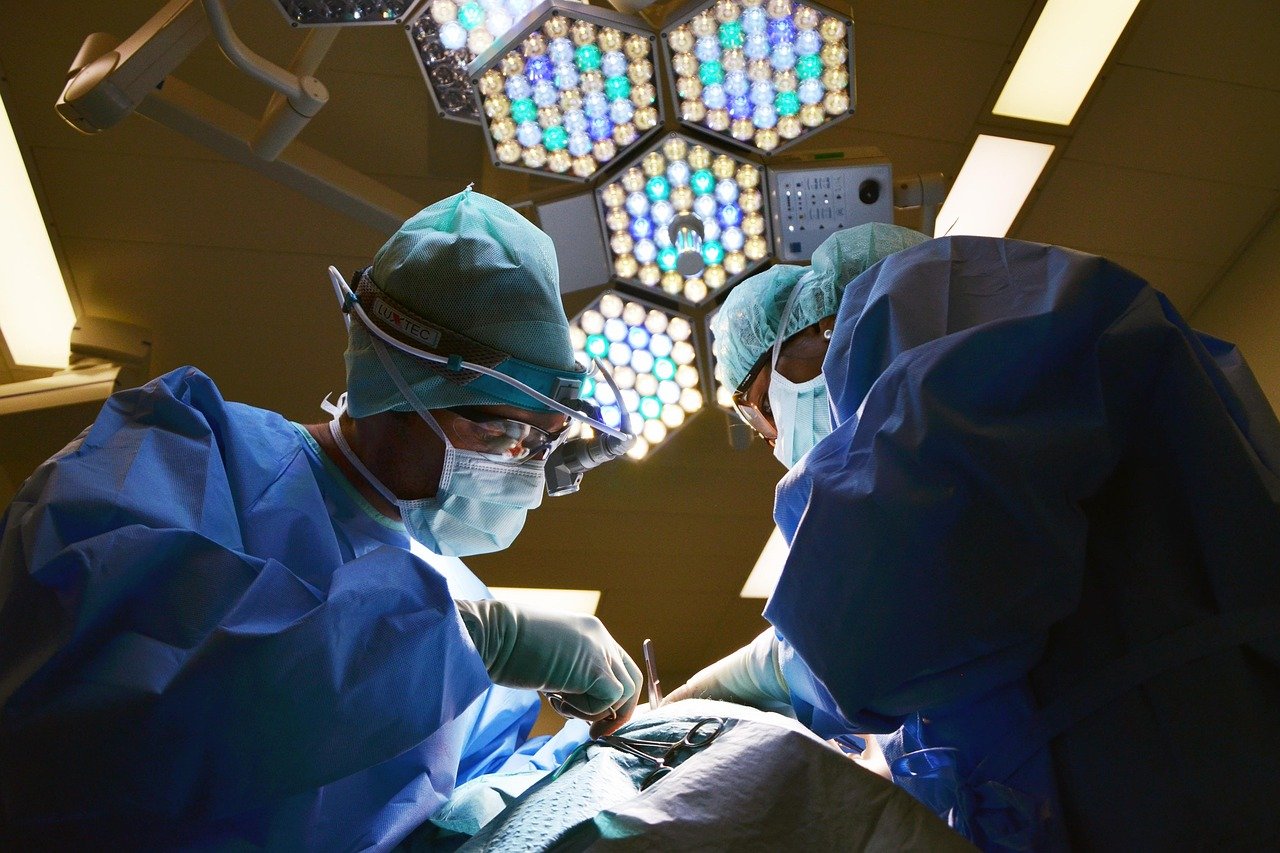
  • Disabled man ‘rotting’ on a hospital ward – despite being fit to go home

    Disabled man ‘rotting’ on a hospital ward – despite being fit to go home

    Disabled Man Left ‘Rotting’ in Hospital Ward Despite Being Cleared to Go Home — The Shocking Truth Behind His NHS Battle

    Imagine being told you’re healthy enough to leave the hospital, yet finding yourself stuck in a ward for months, unable to go home. That’s the devastating reality for Ravi Mehta, a disabled man whose story has sparked outrage and heartbreak in equal measure across the UK and beyond.

    Ravi’s situation has shone a harsh spotlight on the cracks in the NHS care system — a system that millions of people rely on every single day. His case raises uncomfortable questions about how disabled people are treated, who makes decisions about their lives, and whether cost-cutting plays a bigger role than anyone is willing to admit.

    Who Is Ravi Mehta and What Has He Been Going Through?

    Ravi Mehta is a disabled man who has been living on a hospital ward — not because he needs acute medical treatment, but because the care package he requires at home hasn’t been properly arranged. He describes his experience as “rotting” in the ward, a powerful and deeply troubling choice of words that says everything about how he feels.

    He’s been assessed as medically fit for discharge, meaning doctors have essentially signed off on him going home. Yet he remains stuck, caught in a bureaucratic no-man’s land between the NHS and social care systems. For someone who simply wants to live his life at home with dignity, this situation is nothing short of heartbreaking.

    What makes his case even more alarming is the warning he received: if he were to self-discharge — essentially just walk out of the hospital — his care package could be terminated entirely. That’s a threat that effectively traps him in the building, stripping away his freedom and autonomy in a way that many advocates are calling deeply unethical.

    The NHS Response — And Why It’s Not Sitting Well With People

    Ravi’s NHS Integrated Care Board has responded to the controversy by insisting that its decisions have not been driven by financial concerns. They maintain that the situation is complex and that patient safety is their top priority. But for many people following this story, those words ring hollow.

    The UK’s social care and NHS systems have long been under enormous financial strain. Beds are expensive. Care packages are expensive. And critics have pointed out for years that “bed-blocking” — the term used when patients who are medically fit remain in hospital — is often a symptom of a system that doesn’t have enough resources to properly support people in the community.

    When an official body says costs aren’t the issue, it’s natural for people to ask: then what is the issue? Why is a man who has been cleared to go home still sitting in a hospital ward, feeling forgotten and abandoned? The lack of clear answers is fuelling public frustration.

    The Bigger Picture: A Crisis in Disabled People’s Care

    Ravi’s story isn’t an isolated incident — it’s a window into a much wider crisis affecting disabled people across the United Kingdom. Thousands of people with disabilities or complex care needs are caught in similar situations every year, trapped between health services and social care systems that often don’t communicate or cooperate effectively.

    The transition from hospital to home-based care requires careful coordination. You need the right equipment in place, trained carers available, and a detailed care plan that everyone agrees on. When any part of that chain breaks down, the person at the centre of it all — the patient — pays the price.

    Disability rights advocates have long argued that the system treats disabled people as problems to be managed rather than individuals with rights, ambitions, and lives worth living. Ravi’s experience, sadly, seems to illustrate exactly that kind of institutional failure.

    What Does ‘Self-Discharge’ Actually Mean — and Why Is It So Risky Here?

    For most people, the idea of self-discharge from a hospital seems simple: you decide you want to leave, you sign a form, and you go. Legally, in most circumstances, adults have the right to make that decision for themselves. But for disabled people who rely on NHS-funded care packages, it’s far more complicated.

    In Ravi’s case, he was reportedly warned that leaving without the proper sign-off could result in his care being cut off. That’s an extraordinary level of power for an institution to hold over an individual. Essentially, it means that exercising your legal right to leave could cost you the support system that allows you to survive independently at home.

    Critics are calling this a form of coercion — an implicit threat that undermines the very concept of patient autonomy. If you can’t leave without risking everything, are you really free? It’s a question that legal experts, disability campaigners, and ordinary members of the public are now asking loudly.

    Social Media Reacts: Outrage and Solidarity

    Since Ravi’s story broke, it has spread rapidly across social media platforms, with thousands of people sharing their shock and anger. Many users have shared their own or their family members’ experiences of being trapped in similar situations, suggesting that what happened to Ravi is far more common than official statistics might indicate.

    The hashtag and discussions around NHS care failures have been trending in the UK, with people from all walks of life weighing in. Healthcare workers have expressed sympathy, noting that frontline staff are often as frustrated as patients by the systemic barriers they face. Others have called for urgent reform of how social care and NHS services are joined up.

    What’s particularly striking is the emotional language being used. Words like “cruel,” “inhumane,” and “disgraceful” are appearing again and again in comments sections and threads. People aren’t just angry — they’re genuinely distressed by what Ravi is going through, and they want someone to be held accountable.

    What Needs to Change?

    Experts in health and social care policy have been pointing out for decades that the UK needs a properly integrated care system — one where the NHS and local authority social care services work seamlessly together. Right now, the two systems operate largely in silos, with different funding streams, different bureaucracies, and different priorities.

    There have been various government initiatives over the years to try to bridge this gap, but progress has been painfully slow. Integrated Care Boards — like the one involved in Ravi’s case — were actually introduced relatively recently as part of an effort to join up services. Clearly, however, the structural problems remain.

    Disability advocates are calling for clear legal protections to ensure that people cannot be threatened with losing their care packages if they choose to exercise their right to self-discharge. They’re also pushing for faster, more transparent processes for arranging community care — so that people aren’t left languishing in hospital wards for weeks or months while paperwork gets shuffled around.

    Ravi’s Message to the World

    Despite everything he’s been through, Ravi Mehta has spoken out publicly — and that takes real courage. By sharing his story, he’s not just fighting for himself. He’s fighting for every disabled person who has ever felt invisible, powerless, or trapped by a system that was supposed to help them.

    His use of the word “rotting” is haunting and deliberate. It conveys not just physical stagnation but emotional and psychological deterioration. Being kept somewhere against your will, unable to live your life, unable to go home — that has a profound impact on a person’s mental health and sense of self-worth.

    Ravi wants to go home. He wants to live his life. He wants the dignity that every human being deserves. And the fact that the system is standing in the way of that should trouble all of us — not just in the UK, but anywhere in the world where people with disabilities are fighting for the right to be treated as full and equal members of society.

    Why This Story Matters Beyond the UK

    While Ravi’s case is specifically about the NHS, the themes it raises are universal. In countries across the globe — from Australia to Canada to the United States — disabled people regularly face battles to access the care and support they need to live independently. The details differ, but the core injustice is often the same.

    Healthcare systems everywhere are under financial pressure. Social care is chronically underfunded in most developed nations. And disabled people are frequently the ones who pay the highest price when those systems fail. Ravi’s story is a reminder that behind every statistic and every policy debate, there are real people with real lives — people who deserve better.

    This isn’t just a news story. It’s a call to action. And it’s one that deserves to be heard far and wide.

    What Do You Think?

    Should hospitals be allowed to threaten disabled patients with losing their care packages if they choose to self-discharge? Is this a systemic failure, or is there more to the story? We want to hear your thoughts — drop your views in the comments and share this article to keep the conversation going.

    This article is for informational purposes only.

  • Alex’s mum abducted him as a boy. Now he’s ready to talk to her again

    Alex’s mum abducted him as a boy. Now he’s ready to talk to her again


    Alex Batty Breaks His Silence: The Incredible True Story of a Boy Abducted by His Own Mum — And Why He’s Finally Ready to Forgive

    It’s one of the most extraordinary stories to come out of the UK in recent years — a young boy snatched from his normal life by his own mother and taken on a years-long journey across Europe, living off the grid and completely cut off from the world he knew. Now, Alex Batty is all grown up, and he’s finally ready to tell his full story.

    In a brand new BBC documentary, Alex sits down and opens up like never before — sharing the raw, unfiltered truth about his abduction, his years living on the run, and the deeply complicated feelings he still has toward the woman who took him: his mum. This is the kind of story that stops you in your tracks, and trust us, you’re going to want to hear every word of it.

    How It All Began: A Holiday That Never Ended

    Alex Batty was just six years old when his mother, Melanie Batty, and his grandfather took him on what was supposed to be a holiday to Spain. It sounded innocent enough — a trip abroad, a bit of sunshine, some family time. But Alex never came home. Instead, his mother made the shocking decision to keep him with her and disappear into the fringes of Europe, living an alternative lifestyle far from mainstream society.

    For years, Alex’s grandmother Susan Caruana — who held legal guardianship of him — desperately searched for answers. She never gave up hope that one day her grandson would come home. Back in the UK, the case remained open, and Alex became something of a missing person mystery that gripped the nation. Friends, family, and strangers alike wondered: where was he? Was he safe? Would he ever return?

    Six Years on the Run — And a Shocking Return

    The answer came in December 2023, when a then-17-year-old Alex walked into a French village near Toulouse and essentially turned himself in. He had been living in various communities across France and Spain, often in remote, off-grid settings with his mother and other like-minded individuals who rejected conventional society. He was healthy, articulate, and — perhaps most surprisingly — not bitter.

    His return to the UK made international headlines. Here was this teenager, calm and composed, recounting a life that most people couldn’t even imagine. He hadn’t been to school in the traditional sense. He hadn’t had a mobile phone or social media. He had, in many ways, grown up in a completely different world from his peers. And yet, he was remarkably grounded and thoughtful about the whole experience.

    What struck everyone immediately was that Alex wasn’t painting his mother as a monster. He acknowledged the complexity of the situation with a maturity that seemed well beyond his years. And that complexity is exactly what the new BBC documentary digs into.

    The BBC Documentary: Alex Finally Tells All

    In this new BBC documentary, Alex Batty takes viewers on a deep dive into his memories, his emotions, and his evolving perspective on everything he went through. This isn’t a sensationalized retelling — it’s a genuine, heartfelt account from a young man who has clearly done a lot of soul-searching since his return to normal life in the UK.

    Alex talks candidly about what daily life was actually like during those years on the run. He describes living in spiritual communities, spending time in nature, and being raised with a worldview that was radically different from anything most kids his age were experiencing. While he acknowledges that his mother made a choice that took away his freedom and his right to a normal childhood, he also reveals that life wasn’t always miserable — and that’s part of what makes his story so fascinating and so complicated.

    He also opens up about something that will likely be the most talked-about part of the documentary: his willingness to reconnect with his mother. Despite everything, despite the years of confusion and the life that was taken from him, Alex says he is ready to talk to her again. That revelation alone is enough to make this documentary essential viewing.

    A Son’s Complicated Love: Understanding Alex’s Forgiveness

    The idea of forgiving a parent who abducted you is not something most of us can easily wrap our heads around. But Alex’s perspective offers a window into just how nuanced family relationships can be, even in the most extreme circumstances. He’s not excusing what his mother did — he’s clear-eyed about the impact it had on his life. But he’s also not willing to reduce her to a villain.

    Alex has spoken about how his mother genuinely believed she was doing what was best for him. She was drawn to an alternative lifestyle, one that rejected what she saw as the toxicity of mainstream society. In her mind, she was giving her son freedom, not taking it away. That doesn’t make what she did right — legally or morally — but it does explain why Alex’s feelings toward her are more complex than simple anger or resentment.

    This is the kind of emotional depth that makes Alex’s story resonate so deeply with people around the world. It’s not a black-and-white tale of good versus evil. It’s a messy, very human story about love, loss, identity, and the search for belonging — and Alex is brave enough to sit in that complexity rather than run from it.

    Life After the Run: Adjusting to “Normal”

    Since returning to the UK, Alex has had to navigate an entirely new kind of challenge: fitting back into a society he barely remembers. He’s had to catch up on years of formal education, learn how to use modern technology, and rebuild relationships with family members he hadn’t seen since childhood. By all accounts, he’s thrown himself into this new chapter with remarkable enthusiasm.

    He’s also written a book about his experiences, giving him another platform to share his story on his own terms. The book received widespread attention and helped establish Alex as a thoughtful, articulate voice on issues of family, identity, and resilience. The BBC documentary feels like a natural extension of that — a chance to go even deeper and share parts of his story that a book simply couldn’t capture.

    Friends and family have described Alex as someone who has an unusual ability to find the positive in difficult situations — a trait that was probably essential to surviving the life he led. His grandmother Susan, who never stopped fighting for him, has spoken emotionally about how proud she is of the young man he’s become.

    Why This Story Matters Beyond the Headlines

    Alex Batty’s story isn’t just a gripping human interest tale — it raises real questions about parental abduction, alternative lifestyles, and the long-term impact on children caught in the middle of their parents’ choices. It’s a story that child welfare advocates, legal experts, and psychologists have been paying close attention to.

    Parental abduction is more common than many people realize, and the emotional aftermath for the children involved can last a lifetime. What makes Alex’s case so unique is the way he’s chosen to process and publicly discuss his experience — not from a place of victimhood, but from a place of genuine reflection and growth. He’s become, in many ways, an unlikely advocate for understanding and open conversation.

    The BBC documentary is expected to spark significant conversation across the UK and beyond, touching on everything from family law to mental health to the meaning of freedom. It’s the kind of documentary that doesn’t just entertain — it makes you think, and it makes you feel.

    Don’t Miss This One

    If you haven’t been following Alex Batty’s story, now is the perfect time to catch up. The BBC documentary is shaping up to be one of the most compelling pieces of television of the year — raw, emotional, and deeply human. Whether you’re drawn in by the mystery, the drama, or the deeply personal journey of forgiveness, there’s something in this story for everyone.

    Alex Batty has been through something most of us can barely imagine, and he’s come out the other side with wisdom, grace, and a willingness to share his truth. That’s not just remarkable — it’s genuinely inspiring. Set your reminders, tell your friends, and get ready for a documentary that will stay with you long after the credits roll.

    What do you think? Could you find it in your heart to forgive a parent who abducted you — even if they believed they were acting out of love? Drop your thoughts in the comments and let us know where you stand on Alex’s incredible decision to reconnect with his mum.

    This article is for informational purposes only.