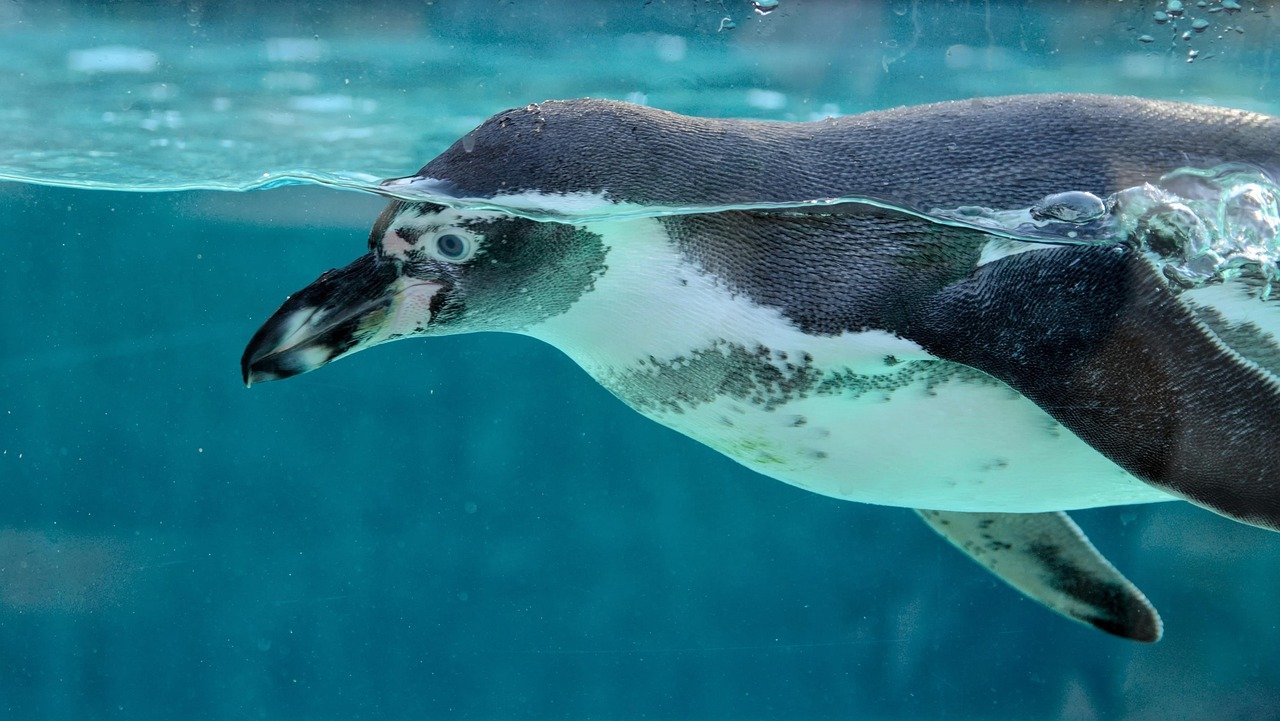
Sea Life’s Basement Penguins Are Finally Getting a Proper Home With Natural Daylight — Here’s What’s Changing
If you’ve ever visited the Sea Life aquarium and wondered about those adorable penguins waddling around underground, you’re not alone. For years, animal welfare advocates have raised concerns about the living conditions of gentoo penguins housed in basement enclosures at Sea Life’s London and Birmingham locations. Now, things are finally about to change — and in a big way.
The owner of Sea Life aquariums has announced a major shake-up that will see these beloved birds relocated to new environments that actually include natural daylight. It’s a move that’s being celebrated by animal lovers across the UK and beyond, and it raises some important questions about how we treat animals in captivity for entertainment purposes.
What’s Been Happening With Sea Life’s Penguins?
Sea Life’s London Aquarium, located on the South Bank near the Thames, and its Birmingham counterpart have both been home to gentoo penguins for a number of years. The problem? These penguins have been living in basement-level enclosures that lack access to natural sunlight — something that’s pretty far removed from the icy, open landscapes these birds call home in the wild.
Gentoo penguins are native to the sub-Antarctic islands and the Antarctic Peninsula. In their natural habitat, they experience long stretches of daylight, wide open spaces, and the kind of environment that allows them to thrive physically and mentally. A dimly lit basement in central London is, to put it mildly, not quite the same vibe.
Animal welfare groups have long pointed out that penguins — like many seabirds — need access to natural light cycles for their physical and psychological wellbeing. Light plays a crucial role in regulating their hormones, behaviour, and overall health. Keeping them in artificial, underground environments has been a point of contention for years.
The Big Announcement: What’s Actually Changing?
Merlin Entertainments, the company that owns and operates Sea Life aquariums, has confirmed that the gentoo penguins currently housed at the London and Birmingham locations will be moved to new, improved facilities. These new homes will offer what every penguin deserves — access to natural daylight and conditions that more closely replicate their natural environment.
But that’s not all. In a significant policy shift, Merlin has also announced that it will stop breeding gentoo penguins at both the London and Birmingham sites. This is a notable decision that suggests the company is taking a step back and reassessing its approach to keeping these animals in urban aquarium settings.
The move comes amid growing public scrutiny of how aquariums and zoos manage their animal populations, and increasing pressure from welfare organisations to ensure that captive animals are kept in conditions that genuinely prioritise their needs over visitor entertainment.
Why This Matters for Animal Welfare
The situation with Sea Life’s penguins is part of a much broader conversation happening right now about the ethics of keeping wild animals in captivity. While aquariums and zoos often argue that they play a vital role in conservation and education, critics point out that many facilities still fall short when it comes to providing truly appropriate living conditions.
Penguins, in particular, have become something of a flashpoint in this debate. They’re undeniably popular with visitors — who doesn’t love watching a penguin waddle around? — but their specific needs make them challenging to house properly in urban environments. They require cool temperatures, access to both land and water, social interaction with their own species, and yes, natural light.
When these needs aren’t met, penguins can develop a range of health and behavioural issues. Stress, feather problems, and abnormal behaviours are all signs that something isn’t right in a captive environment. The fact that Sea Life is now acknowledging these issues and taking steps to address them is genuinely encouraging.
What Will the New Setup Look Like?
While full details of the new facilities haven’t been released yet, the commitment to providing natural daylight is a significant step forward. Natural light isn’t just about giving penguins a nicer view — it’s essential for regulating their biological rhythms, supporting their immune systems, and ensuring they can engage in natural behaviours.
Merlin Entertainments has indicated that the relocation will be handled carefully, with the welfare of the birds as the top priority. The penguins will be moved to locations better suited to their needs, though the company has not yet specified exactly where these new homes will be.
The decision to halt breeding at the London and Birmingham sites also signals a longer-term rethink of how these locations operate. Rather than continuing to expand their penguin populations in environments that aren’t ideal, the company appears to be choosing quality over quantity — a shift that many animal welfare advocates will welcome.
Public Reaction: A Wave of Support
Unsurprisingly, the news has been met with widespread approval from the public and animal welfare community. Social media has been buzzing with reactions from people who are thrilled to hear that the penguins will finally be getting a better deal.
Many visitors who had previously raised concerns about the basement enclosures have expressed relief that their feedback appears to have contributed to this change. It’s a reminder that public opinion and consumer pressure genuinely can make a difference when it comes to how companies treat the animals in their care.
Animal welfare organisations have also weighed in positively, while noting that there is still work to be done across the industry as a whole. The Sea Life announcement is a good step, but it’s just one piece of a much larger puzzle.
The Bigger Picture: Aquariums and the Future of Animal Welfare
This story is really a microcosm of the ongoing evolution in how society thinks about animals in captivity. Attitudes have shifted dramatically over the past few decades. Where once a penguin in a basement might have seemed like a perfectly acceptable attraction, today’s audiences are far more aware of — and concerned about — the welfare implications of such setups.
Institutions that fail to keep pace with these changing expectations risk not just public backlash, but also the very real possibility of stricter regulation. Governments in the UK and elsewhere have been increasingly attentive to animal welfare concerns, and the pressure on facilities to meet higher standards is only going to grow.
For Sea Life and Merlin Entertainments, this announcement represents an opportunity to lead by example. By proactively improving conditions for their penguins and being transparent about the changes they’re making, they’re positioning themselves as a company that takes its responsibilities seriously.
What Happens Next?
The timeline for the penguins’ relocation hasn’t been fully specified, but the commitment has been made and the public will undoubtedly be watching closely to see it followed through. In the meantime, visitors to the London and Birmingham Sea Life centres may notice changes as the transition begins to take shape.
For the gentoo penguins themselves, the prospect of a new home with natural daylight must be — if penguins could appreciate such things — a very welcome development. These resilient, charismatic birds deserve conditions that allow them to truly thrive, not just survive.
And for the rest of us, this story serves as a heartening reminder that when people speak up about animal welfare, real change can happen. The penguins may not be able to thank the campaigners who advocated for them, but their improved quality of life will speak for itself.
A Step in the Right Direction
Whether you’re a devoted penguin fan, an animal welfare advocate, or just someone who believes that all creatures deserve to be treated with dignity, this is genuinely good news. Sea Life’s decision to relocate its penguins to better facilities and stop breeding at the basement sites shows that even large commercial entertainment companies can change course when the evidence — and the public — demands it.
It won’t solve every problem in the world of captive animal care overnight, but it’s a meaningful step forward. And sometimes, that’s exactly what progress looks like: one small waddle at a time.
What do you think? Do you believe aquariums should keep penguins at all, or is this move enough to address the welfare concerns? Drop your thoughts in the comments — we’d love to hear from you!
This article is for informational purposes only.
Leave a Reply