
Blog

  • Jubilation as Scotland fans celebrate win

    Jubilation as Scotland fans celebrate win


    Scotland Fans Go Absolutely Wild as National Team Delivers Stunning Victory — The Celebration Scenes Are Incredible

    It was a night that Scotland fans will be talking about for years to come. Supporters packed into bars, pubs, and venues across the country in the early hours of the morning, setting alarms, pouring pints, and bracing themselves for what turned out to be a truly unforgettable match against Haiti. And when the final whistle blew, the scenes that followed were nothing short of electric.

    From Glasgow to Edinburgh, Aberdeen to Inverness, the roar of Scottish fans echoed through the streets long after most people had gone to bed. Social media lit up almost instantly with videos of jubilant supporters hugging strangers, waving flags, and singing their hearts out in celebration. This was Scotland’s moment — and the nation made absolutely sure everyone knew it.

    A Nation United in the Early Hours

    What made this celebration even more special was the sheer dedication of the fans who stayed up — or set their alarms — to watch the match live. The game kicked off in the early hours of the morning in Scotland, meaning supporters had to make a real commitment just to be part of the experience. And commit they did, in the most Scottish way possible.

    Venues that had opened specially for the occasion were absolutely packed. Fans dressed head to toe in dark blue, faces painted with the Saltire, gathered around screens with an energy that felt more like a stadium atmosphere than a bar. The anticipation before kick-off was palpable, and when Scotland delivered the result, the explosion of joy was something truly special to witness.

    Videos circulating on platforms like X (formerly Twitter), TikTok, and Instagram showed just how much this win meant to the supporters. Grown adults in tears, kids on shoulders, entire rooms erupting in unison — it was the kind of raw, unfiltered emotion that reminds you exactly why sport has such a unique power to bring people together.

    Why This Win Means So Much to Scottish Football

    Scottish football has had its fair share of heartbreak over the decades, which makes moments like this all the sweeter. Fans who have lived through the lows know better than anyone how to truly savour the highs. And a victory that sends supporters spilling out onto the streets in the middle of the night? That’s the kind of win that gets written into folklore.

    The match against Haiti was a significant test for the Scotland squad, and the players rose to the occasion in style. For a nation that is deeply passionate about football — arguably more passionate per capita than almost anywhere else on the planet — seeing the national team perform at this level is a source of immense national pride. This wasn’t just a football result; it was a statement.

    Scotland’s footballing identity has always been built on passion, grit, and an unbreakable connection between the players and the fans. When that connection produces a result like this, the celebration isn’t just about the scoreline — it’s about everything the game represents to the people of Scotland.

    The Atmosphere Inside the Venues Was Absolutely Incredible

    Eyewitnesses described the atmosphere inside pubs and fan zones as some of the best they had ever experienced at a non-stadium event. Strangers became best friends over the course of 90 minutes, united by the shared experience of watching their nation compete on the world stage. That’s the magic of international football — it strips away everything else and leaves only pure, collective emotion.

    Bar staff reported serving record numbers of drinks in the hours leading up to kick-off, with many venues having sold out their reservations weeks in advance. Scotland fans are renowned globally for their passion and good humour, and this occasion was no exception. The atmosphere was celebratory, colourful, and deeply communal — a real reminder of what live sport means to communities.

    Outside the venues, as fans spilled onto streets following the final whistle, impromptu celebrations broke out. Car horns were honked, flags were waved from windows, and the unmistakable sound of Scottish supporters belting out songs filled the night air. It was the kind of spontaneous, joyful chaos that simply cannot be manufactured or scripted.

    Social Media Explodes With Celebration Content

    Within minutes of the final whistle, the internet was flooded with content from celebrating Scotland fans. Hashtags related to the match trended across multiple platforms, with clips of the best fan reactions racking up millions of views in a matter of hours. The global football community tuned in to share in Scotland’s joy, with fans from rival nations sending messages of congratulations.

    Some of the most viral moments included a group of elderly supporters who had stayed up past 3am to watch the game together, their reactions to the final result bringing viewers to tears across the world. There were also heartwarming clips of families celebrating together, children experiencing the high of a Scotland win for what appeared to be the first time, and friends reuniting specifically to watch the match together.

    TikTok in particular became a treasure trove of fan content, with creators stitching together the best moments from venues across the country. The algorithm clearly loved it — and so did the audience. This was the kind of authentic, emotionally charged content that cuts through the noise and connects with people on a genuinely human level.

    What This Means for Scottish Football Going Forward

    Beyond the celebration, this result carries real significance for Scottish football’s trajectory. Momentum matters in international football, and a performance like this — delivered against a competitive opponent — sends a message to the rest of the world that Scotland means business. The squad will be riding a wave of confidence, and the fans will be right behind them every step of the way.

    For the younger generation of Scottish footballers coming through the ranks, seeing the national team perform at this level and generate this kind of national excitement is hugely important. It shows what is possible and what it means to pull on that dark blue shirt. The connection between performance on the pitch and passion in the stands creates a cycle that can genuinely elevate a nation’s football culture.

    Coaches, analysts, and football writers across the UK and beyond will be taking note of this result and what it signals about Scotland’s current form and ambition. Whether this is the beginning of an extended run of success or a memorable high point in a longer journey, one thing is certain — the Scotland fans who were up at all hours to witness it will never forget it.

    The Tartan Army: The Most Loyal Fans in World Football

    Scotland’s supporters, affectionately known as the Tartan Army, have a reputation that extends far beyond their home nation. They are consistently ranked among the most passionate, good-natured, and dedicated fan bases in world football. They travel in enormous numbers to away matches, they celebrate with genuine joy, and they support their team through thick and thin.

    Nights like this are the reward for that loyalty. After years of following their team through challenging moments, Scotland fans deserved a celebration of this magnitude. And judging by the scenes that played out across the country, they made the absolute most of every single second of it.

    The Tartan Army’s reputation was once again enhanced by the way supporters celebrated — with joy, warmth, and an infectious energy that drew admiration from football fans around the world. This is what Scotland football looks like at its very best: a nation united, a team performing, and fans celebrating with everything they have.

    A Night to Remember

    When the history of Scottish football is written, nights like this deserve a prominent chapter. Not just for the result itself, but for everything that surrounded it — the dedication of fans who stayed up through the night, the communal joy in venues across the country, the viral moments that brought smiles to millions of faces worldwide, and the deep sense of national pride that a sporting victory can inspire.

    Scotland’s win over Haiti was more than just three points. It was a reminder of the power of sport to lift spirits, bring communities together, and create memories that last a lifetime. For every fan who was there — whether in a packed bar, on a sofa at home, or watching on a phone in the dark — this was their night, and they earned every moment of it.

    The celebrations may have wound down as the sun came up over Scotland, but the memories will last much, much longer. Well done, Scotland — and well done to every single fan who made the night what it was.

    What do you think? Were you up watching the match? Share your celebration stories in the comments below — we want to hear from Scotland fans around the world!

    This article is for informational purposes only.


  • BBC Sport pundits choose England World Cup XIs – who would you pick?

    BBC Sport pundits choose England World Cup XIs – who would you pick?


    BBC Sport Pundits Reveal Their England World Cup XIs — But Do You Agree With Their Picks?

    The excitement is building fast. Thomas Tuchel is about to name his very first England starting lineup as the Three Lions prepare to face Croatia in what promises to be a massive World Cup qualifier. And before the German tactician makes his big call, BBC Sport pundits have stepped up to share their own dream England XIs — and the debate is already heating up.

    Whether you’re a die-hard England fan who watches every single match or someone who tunes in just for the big occasions, there’s something irresistible about picking your own national team. Everyone thinks they know better than the manager, right? Well, now the pundits have put their cards on the table — and some of their choices are seriously bold.

    Tuchel’s Big Moment Has Finally Arrived

    Thomas Tuchel took over the England job with enormous expectations on his shoulders. The man who delivered Champions League glory with Chelsea knows what it takes to win at the highest level, and England fans are desperate for him to bring that winning mentality to the national team. This match against Croatia is more than just a game — it’s the beginning of a new era.

    Croatia, of course, hold a special place in England’s recent history. Remember the heartbreak of the 2018 World Cup semifinal? That wound still stings for many Three Lions supporters. So when England face Croatia, there’s always extra motivation, extra edge, and extra emotion. Tuchel will know the weight of this fixture better than anyone.

    The German coach has been meticulous in his preparation, studying players, watching footage, and speaking to his squad extensively. His team selection on Wednesday will tell us a huge amount about his philosophy, his preferred system, and which players he trusts most when the stakes are high.

    What the BBC Pundits Are Saying

    BBC Sport gathered some of football’s most respected voices to name their ideal England starting XIs ahead of the Croatia clash. The results? A fascinating mix of agreement on some positions and genuine controversy on others. A few names kept appearing across multiple selections, while other picks raised eyebrows and sparked instant debate online.

    In goal, there was broad consensus around Jordan Pickford. The Everton stopper has been England’s number one for years, and despite the occasional high-profile error, his experience and shot-stopping ability make him the obvious choice. Most pundits had him between the sticks without hesitation.

    The back four is where things started to get interesting. Kyle Walker’s pace and experience earned him plenty of votes at right back, while Luke Shaw’s natural ability on the left had supporters. However, the centre-back pairing divided opinion significantly, with some pundits opting for the more experienced heads and others pushing for younger, more dynamic options to step up and claim their spots.

    Midfield — The Most Contested Area on the Pitch

    If there’s one area where England have genuine options — and genuine debate — it’s the middle of the park. Declan Rice is essentially untouchable in the holding midfield role. His performances for Arsenal have been nothing short of outstanding, and every single pundit had him in their XI. Rice has become the engine room of this England team, and Tuchel will be building his system around him.

    Behind Rice, things get more complicated. Kobbie Mainoo’s emergence as a composed, technically gifted midfielder has given England a real option in the middle third. The Manchester United youngster impressed hugely at the Euros and has continued to develop. Several pundits included him in their selections, though not all were convinced he should start ahead of more established names.

    Trent Alexander-Arnold’s role in midfield remains one of the most fascinating tactical questions in English football. Tuchel has to decide whether to use him in his Liverpool-esque hybrid role, push him further forward, or revert him to right back where he’s spent most of his club career. The pundits were split — and honestly, it’s hard to argue with either side of that debate.

    Attack — Where England’s Firepower Lies

    Up front, Harry Kane is the name everyone writes down first. The Bayern Munich striker is England’s all-time leading scorer and carries the hopes of a nation every time he pulls on that white shirt. Despite Bayern’s mixed season, Kane’s individual numbers remain exceptional, and there’s no credible argument for leaving him out.

    Around Kane, the attacking options are exciting. Bukayo Saka has been in breathtaking form for Arsenal and is arguably one of the best wingers in world football right now. His direct running, creativity, and end product make him virtually undroppable. Phil Foden, when he’s at his best, offers something truly special — that ability to unlock defences with a moment of genius that few players in the world can match.

    Jude Bellingham’s role is another hot topic. The Real Madrid superstar can operate in multiple positions, and how Tuchel deploys him will be crucial. Does he play him as an attacking midfielder, a winger, or give him freedom to roam? The pundits had varying opinions, but all agreed — Bellingham has to be on the pitch.

    The Wildcards and Surprise Selections

    Some pundits went a little outside the box with their selections, and that’s where the real fun began. A couple of names from the fringes of the squad received shouts, with some analysts making the case for fresh faces to inject energy and unpredictability into the lineup. England have depth they haven’t always had in previous generations, and Tuchel should be encouraged by the competition for places.

    There were also fascinating debates about system. Should England play a 4-3-3? A 4-2-3-1? Or does Tuchel have something entirely different up his sleeve? The German coach has shown at club level that he’s tactically flexible and willing to adapt his setup to suit the personnel and the opposition. Croatia will require a specific game plan, and it will be intriguing to see how Tuchel approaches it.

    The bottom line is that England have real quality across the pitch, genuine depth in most areas, and a manager who knows how to win tournaments. The pressure is immense, but so is the potential. This could genuinely be England’s best chance in years.

    Why This Match Against Croatia Matters So Much

    It’s not just about the result on Wednesday night — though three points would obviously be the ideal start. It’s about the statement Tuchel makes with his team selection and tactical approach. The way England play against Croatia will set the tone for the entire World Cup qualifying campaign and give fans, pundits, and opposition managers a clear picture of what this new era looks like.

    Croatia may not be the force they were in 2018, but they remain a technically gifted, experienced, and dangerous side. Luka Modric, even at this stage of his career, can still pull strings and cause problems. England cannot afford to be complacent, and Tuchel will make sure his players know exactly what’s required.

    For the fans, there’s real excitement mixed with nervous energy. England have been here before — full of hope, full of talent, and ultimately falling short. But something feels different this time. A new manager, a hungry squad, and lessons learned from previous disappointments. The dream is very much alive.

    Now It’s Your Turn to Pick the Team

    The pundits have had their say, Tuchel is about to make his call — but what about you? Football debates are at their best when everyone gets involved, and England team selection is one of those topics that genuinely gets people fired up. There’s no right or wrong answer, just passionate opinions and plenty of healthy disagreement.

    Whether you’re going with the safe, experienced choices or backing some of the younger talents to step up and grab their opportunity, the most important thing is that England get off to a winning start and build some momentum heading into what could be a historic campaign.

    The Three Lions are ready. The world is watching. And the debate is just getting started.

    What do you think? Who would YOU pick in your England starting XI for the Croatia match? Would you go with the experience or give youth a chance? Drop your team in the comments and let the debate begin!

    This article is for informational purposes only.


  • Why the US economy keeps defying the odds

    Why the US economy keeps defying the odds

    The American Economy Keeps Beating the Odds — Here’s the Real Reason Why

    While economies around the world have been stumbling, struggling, and outright collapsing under the weight of global shocks, the United States economy has been doing something remarkable — it keeps growing. Inflation, supply chain disasters, rising interest rates, banking scares — you name it, the US has faced it. And yet, somehow, it keeps bouncing back stronger than almost anyone expected.

    So what’s the secret sauce? Is it luck, policy, or something deeper baked into the very DNA of the American economic machine? The answer is genuinely fascinating, and it touches on everything from consumer behavior to innovation culture to the sheer size of the domestic market. Let’s break it all down.

    A Global Storm That Hit Everyone — But Not Equally

    Let’s set the scene. Over the past few years, virtually every major economy on the planet has been battered by the same set of crises. The COVID-19 pandemic disrupted global supply chains. Energy prices skyrocketed, particularly after geopolitical tensions rattled oil and gas markets. Central banks worldwide hiked interest rates aggressively to tame inflation. And consumer confidence took a serious hit just about everywhere.

    Europe slipped into stagnation. The UK wrestled with a cost-of-living crisis that squeezed households to breaking point. China’s post-pandemic recovery turned out to be far more sluggish than economists predicted. Meanwhile, emerging markets faced brutal currency pressures and debt burdens. Yet the US kept posting solid GDP numbers, record-low unemployment figures, and a stock market that, while volatile, remained fundamentally resilient.

    The gap between the US and its peers became so noticeable that economists started calling it “American exceptionalism” — a term usually reserved for political discussions now being applied to pure economics. And it raises a genuinely important question: why?

    The Consumer Is King — And American Consumers Don’t Stop Spending

    One of the most powerful drivers of US economic resilience is something deceptively simple: Americans spend money. A lot of it. Consumer spending accounts for roughly 70% of US GDP, which is an extraordinarily high proportion compared to most developed economies. When American consumers keep opening their wallets, the economy keeps moving.

    Even as inflation surged and interest rates climbed, US consumers continued spending at levels that surprised economists. Part of the reason was the massive cushion of savings built up during the pandemic, when government stimulus checks flowed freely and there was nowhere to spend money anyway. That savings buffer gave American households a longer runway to absorb price increases without dramatically cutting back.

    There’s also a cultural dimension here. American consumer culture is deeply embedded — credit is widely available, shopping is practically a national pastime, and the psychological tendency to spend rather than save runs deep. While this can create problems in the long run, in the short term it acts as a powerful economic stabilizer.

    The Energy Revolution Nobody Talks About Enough

    Here’s a factor that doesn’t get nearly enough credit: the United States became the world’s largest oil and gas producer. Thanks to the shale revolution that transformed the American energy landscape over the past decade, the US is now largely energy self-sufficient in a way that Europe and many Asian economies simply are not.

    When global energy prices spiked dramatically, European countries faced an existential economic crisis. Germany, the industrial powerhouse of Europe, saw its manufacturing sector hammered by soaring energy costs. The UK faced eye-watering household energy bills. But the US? While Americans certainly paid more at the pump, the domestic energy production capacity cushioned the blow significantly.

    Energy independence means that external shocks — whether from geopolitical tensions or OPEC decisions — hit the US economy with far less force than they hit countries that are heavily dependent on energy imports. It’s a structural advantage that quietly underpins a huge amount of American economic resilience.

    Innovation, Tech, and the Productivity Edge

    Another massive piece of the puzzle is the United States’ extraordinary dominance in the technology and innovation sector. Silicon Valley remains the undisputed global hub for tech startups, venture capital, and breakthrough technologies. The companies that have defined the modern economy — Apple, Microsoft, Google, Amazon, Meta, Nvidia — are all American.

    The AI boom that has captured global attention is centered almost entirely in the US. Nvidia’s chips power the AI revolution. OpenAI, the company behind ChatGPT, is based in San Francisco. The investment flowing into American AI companies has been staggering, adding hundreds of billions to market valuations and driving productivity gains that ripple through the broader economy.

    Productivity growth is the holy grail of economics — it’s how you get more output without just throwing more workers at the problem. And the US has been posting productivity numbers that leave most of its peers in the dust. Technology adoption, business innovation, and a culture that rewards entrepreneurship all contribute to this edge.

    A Labor Market That Just Won’t Quit

    Remember when economists were almost certain that aggressive interest rate hikes would cause unemployment to spike? The Federal Reserve raised rates at the fastest pace in decades to fight inflation, and the conventional wisdom was that job losses would follow almost inevitably. The US labor market had other ideas.

    Unemployment stayed remarkably low throughout the rate-hiking cycle, defying historical patterns and leaving economists scrambling to update their models. Wage growth remained strong, particularly for lower-income workers, which helped maintain consumer spending power even as inflation eroded purchasing value. The labor market essentially refused to break.

    Part of this is structural. The US has a more flexible labor market than many European countries, where hiring and firing regulations are stricter. American businesses can adapt more quickly to changing conditions, which paradoxically can make the overall market more stable during periods of economic stress.

    The Dollar Advantage — A Privilege That Pays

    There’s one more factor that’s almost impossible to overstate: the US dollar is the world’s reserve currency. This gives America a financial superpower that no other country possesses. When global uncertainty spikes, money flows INTO the dollar, not out of it. The US can borrow at lower rates than almost any other country on earth because demand for US government debt is essentially guaranteed.

    This “exorbitant privilege,” as it’s famously been called, means the US has far more fiscal flexibility than its peers. It can run larger deficits, absorb more shocks, and maintain economic stimulus for longer without triggering the kind of currency crises that would cripple other nations. It’s a structural advantage that compounds over time.

    The dollar’s dominance also means that global trade is largely conducted in US currency, giving American financial institutions an outsized role in the world economy and providing a steady stream of demand for dollar-denominated assets.

    Is It All Perfect? Not Quite

    To be fair, the rosy picture has some real shadows. Wealth inequality in the United States remains stark, and the economic gains of recent years haven’t been distributed evenly. Many Americans still feel the pinch of high housing costs, expensive healthcare, and student debt burdens that don’t show up in the headline GDP numbers.

    There are also longer-term questions about debt sustainability, infrastructure gaps, and whether the current productivity boom driven by AI will translate into broad-based wage growth or concentrate gains among a small elite. The strong headline numbers don’t tell the whole story for every American household.

    But when you zoom out and look at the comparative picture — the US economy stacked against its peers in Europe, Asia, and beyond — the performance has been genuinely remarkable. The combination of consumer spending power, energy independence, technological dominance, labor market flexibility, and dollar reserve status creates a set of advantages that compound and reinforce each other.

    What Comes Next?

    The big question is whether this run of outperformance is sustainable. Some economists worry about complacency — that the very strength of the US economy could mask underlying vulnerabilities that only become visible during the next major shock. Others argue that the structural advantages are durable enough to carry the economy through whatever comes next.

    What’s clear is that the American economy has consistently surprised the skeptics. From the pandemic recovery to the inflation fight to the AI investment boom, the US has shown a capacity for adaptation and reinvention that keeps defying the doom-and-gloom predictions. Whether that continues is one of the most important economic questions of our time.

    One thing is certain — the world is watching, and the lessons from America’s economic resilience are being studied intensely by policymakers, investors, and economists from London to Tokyo to Sydney.

    What do you think? Do you believe the US economy’s strength is built on solid foundations, or are there hidden vulnerabilities that could catch up with it? Drop your thoughts in the comments — we’d love to hear your perspective from wherever in the world you’re reading this!

    This article is for informational purposes only.

  • Norway’s royals in turmoil, and staying quiet, as crown princess’s son faces sentence

    Norway’s royals in turmoil, and staying quiet, as crown princess’s son faces sentence


    Norway’s Royal Family Rocked: Crown Princess’s Son Marius Borg Høiby Set to Receive Verdict on Shocking 40 Charges Including Rape

    It’s the royal scandal that has kept Norway — and the world — on edge for months. Marius Borg Høiby, the son of Norway’s Crown Princess Mette-Marit, is about to learn his fate as a court prepares to hand down its verdict on a staggering 40 charges, four of which are counts of rape. The sentencing is set to be delivered via video link, nearly three months after his trial concluded.

    The Norwegian royal family, known for their dignified and relatively low-key public presence, has been thrown into an unprecedented storm of media scrutiny and public debate. And through it all? The royals have remained almost completely silent — a strategy that has only fueled more questions, more speculation, and more headlines around the globe.

    Who Is Marius Borg Høiby?

    For those unfamiliar with Norway’s royal setup, Marius Borg Høiby is not a prince in the traditional sense. He is the son of Crown Princess Mette-Marit from a previous relationship, before she married Crown Prince Haakon in 2001. That means Marius holds no official royal title and has no formal role in the monarchy.

    Despite not being a working royal, Marius has always been part of the royal family’s public life to some degree. He appeared at major family events and was photographed alongside the Crown Prince and Princess over the years. His connection to the Norwegian throne made him a figure of public interest — and now, for all the wrong reasons, he’s dominating international headlines.

    Now in his late twenties, Marius has been at the center of a legal case that has sent shockwaves through Norway’s usually composed royal institution. The charges against him are serious and wide-ranging, making this one of the most dramatic moments in recent Scandinavian royal history.

    The Charges: What Exactly Is He Accused Of?

    The case against Marius Borg Høiby involves a total of 40 charges — a number that alone underlines just how serious and extensive the allegations are. Among these charges are four counts of rape, which form the most severe accusations he faces.

    The trial itself concluded several months ago, but the wait for a verdict has stretched on, keeping both the Norwegian public and international royal watchers in a state of prolonged suspense. Legal proceedings of this nature often take time, but the high-profile nature of this case has made every passing day feel significant.

    Details from the trial have painted a troubling picture, with multiple women coming forward with allegations spanning a period of time. The case has sparked important conversations in Norway about accountability, privilege, and whether proximity to royalty offers any kind of shield from justice — a question many Norwegians seem to be answering with a firm “no.”

    The Royal Silence: A Calculated Move or Quiet Devastation?

    Perhaps the most talked-about aspect of this entire saga — outside of the charges themselves — is the near-total silence from the Norwegian royal family. Crown Princess Mette-Marit, Crown Prince Haakon, and the wider royal household have said almost nothing publicly about the case involving Marius.

    Royal experts and commentators have weighed in with varying takes. Some believe the silence is a carefully managed PR strategy — by saying nothing, the royals avoid making the story bigger and allow the justice system to run its course without interference. Others feel the silence speaks volumes, suggesting a family dealing with profound private pain while trying to maintain the dignity of an institution.

    What’s clear is that this approach has not made the story go away. If anything, the quietness from the palace has left a vacuum that media speculation has rushed to fill. Every non-statement becomes a statement in itself when the world is watching this closely.

    Norway’s Royal Family: An Institution Under Pressure

    The Norwegian monarchy has long been regarded as one of the most beloved and stable royal institutions in the world. Unlike some of their European counterparts who have faced scandals, divorces, and public relations disasters, Norway’s royals have generally maintained a warm, trusted relationship with the public.

    Crown Prince Haakon and Crown Princess Mette-Marit are particularly popular figures — seen as modern, approachable, and genuinely connected to ordinary Norwegian life. Their love story itself was once considered scandalous (Mette-Marit was a single mother with a complicated past when she and Haakon announced their relationship), but they won over the nation and the world.

    This latest crisis is different, though. It’s not about personal choices or lifestyle — it’s about criminal charges of a deeply serious nature. And while Marius is not a working royal, the spotlight on his mother makes it impossible to fully separate him from the institution. Norway is watching. The world is watching.

    What Happens Next: The Verdict Via Video Link

    Marius Borg Høiby is expected to appear via video link when the verdict is delivered — a detail that has itself attracted attention. Whether this was a logistical choice, a security consideration, or something else entirely, it adds another unusual layer to an already extraordinary case.

    The verdict will address all 40 charges, and the sentencing — if he is found guilty on any or all counts — could be substantial. Norwegian law takes crimes of a sexual nature extremely seriously, and a conviction on multiple charges, including rape, could result in significant prison time.

    Legal analysts in Norway have pointed out that regardless of the outcome, this case has already had a lasting impact on public discourse around consent, justice, and the way high-profile individuals are treated within the legal system. Many Norwegians have expressed that they want to see the case handled exactly as it would be for any other citizen — with no special treatment either way.

    Global Fascination With Royal Scandals

    There’s no denying that royal scandals capture the world’s attention in a way that few other stories do. From the British royal family’s ongoing dramas to Spain’s royal controversies and now Norway’s unexpected turmoil, people around the globe remain endlessly fascinated by the lives — and stumbles — of royalty.

    Part of the fascination is the contrast. These are families placed on pedestals, surrounded by tradition and ceremony, representing their nations on the world stage. When something goes wrong — really wrong — it feels almost surreal. The gap between the image and the reality is where the story lives.

    For Norway, a country that prides itself on equality, transparency, and social trust, this case has been particularly jarring. The idea that someone connected to the royal family could face charges this serious challenges a national self-image that Norwegians hold dear.

    Support, Criticism, and Public Reaction

    Reaction within Norway has been complex. There is sympathy for Crown Princess Mette-Marit, who by all accounts is a devoted mother navigating an unimaginably difficult situation in the public eye. There is also frustration from some quarters that the royal family hasn’t said more, particularly given the nature of the charges and the importance of supporting survivors of sexual violence.

    Internationally, the story has drawn coverage from major outlets across Europe, North America, and beyond. Many readers and viewers are following the case closely, with social media buzzing every time a new development emerges. The combination of royalty, serious criminal charges, and family drama makes this a story that cuts across every demographic.

    Advocacy groups in Norway have also used the moment to highlight broader issues around sexual violence and the courage it takes for survivors to come forward. Whatever the verdict, the voices of those who brought allegations have already changed the conversation in meaningful ways.

    A Family, A Nation, A Verdict

    As the verdict approaches, Norway finds itself at a genuinely historic moment. The outcome will be significant not just for Marius Borg Høiby and his family, but for the country’s relationship with its monarchy and its own values around justice and accountability.

    For Crown Princess Mette-Marit and Crown Prince Haakon, this is a moment of profound personal difficulty playing out on the most public of stages. For Norway’s royal institution, it is a test of resilience and relevance. And for the people who brought these allegations forward, it is the culmination of an incredibly difficult journey through the justice system.

    The world is waiting. The verdict is coming. And whatever it says, the story of Marius Borg Høiby and Norway’s royal family will be one that people talk about for years to come.

    What Do You Think?

    Do you think the Norwegian royal family has handled this situation appropriately by staying silent, or should they have spoken out publicly? Drop your thoughts in the comments and share this story with someone who follows royal news!

    This article is for informational purposes only.


  • Vincent’s parents ‘never say he’s good enough’ – so he turned to a middle-aged couple online

    Vincent’s parents ‘never say he’s good enough’ – so he turned to a middle-aged couple online


    Meet the “Virtual Parents” Helping Young People Feel Seen — When Their Real Parents Won’t Say They’re Enough

    For a 20-something named Vincent, growing up meant constantly striving for approval that never came. No matter what he achieved, his parents never told him he was good enough. So he did what millions of young people are quietly doing — he turned to the internet, and found a middle-aged couple who gave him exactly what he’d been missing all his life.

    It sounds like something out of a sci-fi drama, but “virtual parenting” is a very real and rapidly growing trend. Content creators around the world are stepping into parental roles for young adults who feel emotionally starved, unsupported, or simply unheard. And the numbers suggest this isn’t a fringe movement — it’s a full-blown cultural phenomenon that’s resonating with millions.

    What Exactly Is a “Virtual Parent”?

    Virtual parents are content creators — often middle-aged men and women — who produce videos, livestreams, and social media content specifically designed to give younger audiences the emotional nurturing they may have never received at home. Think words of affirmation, gentle advice, proud reactions to viewers’ achievements, and a consistent message: you are enough.

    These creators don’t just post motivational quotes. They actively engage with their audiences in deeply personal ways — responding to comments as a parent would, celebrating milestones, and offering comfort during hard times. For many viewers, the relationship feels surprisingly real and emotionally fulfilling.

    It’s a niche that’s exploded in popularity, particularly on platforms like TikTok, YouTube, and Instagram. Some virtual parent creators have amassed hundreds of thousands — even millions — of followers, all hungry for the same thing: unconditional encouragement and warmth.

    Vincent’s Story: When Home Isn’t a Safe Place Emotionally

    Vincent’s experience is heartbreakingly common. Growing up in a household where praise was withheld and criticism came easily, he internalized the belief that he simply wasn’t good enough. This kind of emotional environment — sometimes called “conditional love” — can leave lasting psychological marks on young people.

    When Vincent stumbled across a virtual parent couple online, something clicked. Their videos offered the validation and encouragement he had longed for. They celebrated viewers’ small wins, offered advice without judgment, and made it clear that their “digital family” was worthy of love and respect — no conditions attached.

    For Vincent, watching their content wasn’t just entertainment. It was, in many ways, a form of healing. He began to shift how he saw himself — not through years of therapy (though that helps too), but through the simple, repeated act of hearing someone say, “I’m proud of you.”

    Why Is This Trend Exploding Right Now?

    Mental health awareness has surged among younger generations, and with it, a growing vocabulary around concepts like emotional neglect, narcissistic parenting, and childhood trauma. Young people today are more likely than any previous generation to recognize when their emotional needs weren’t met — and to actively seek ways to fill those gaps.

    Social media has also fundamentally changed how we form connections. The parasocial relationships that people develop with content creators — where viewers feel they genuinely know and are known by someone on screen — have become a legitimate source of emotional support for many. Virtual parenting simply takes that dynamic one step further.

    Add to that the loneliness epidemic that has swept through post-pandemic society, and you have the perfect conditions for a trend like this to thrive. People are isolated, emotionally hungry, and increasingly open to finding community and connection in unconventional places.

    The Creators Behind the Cameras

    Who are these virtual parents, and what motivates them? Many are ordinary people — teachers, counselors, retirees, stay-at-home parents — who recognized a need and decided to show up for it. Some stumbled into the role accidentally, posting a heartfelt video that went viral and suddenly found themselves with thousands of “kids” in their comments section.

    Others have leaned into it deliberately, building entire content strategies around the concept. They craft videos with titles like “A message from your internet mom” or “Your dad is proud of you today” — and the engagement on these posts is often staggering. Viewers share them, cry over them, and return to them again and again during difficult moments.

    Many virtual parents are deeply thoughtful about the responsibility they’re taking on. They’re careful to encourage professional mental health support, to set boundaries, and to remind their audiences that they are not a replacement for real therapy or genuine human relationships. But they also recognize that for some people, hearing a kind word from a stranger on the internet is the first step toward believing they deserve kindness at all.

    Is It Healthy? What Experts Are Saying

    Psychologists and mental health professionals have mixed but largely sympathetic views on the trend. On one hand, there are obvious concerns. Parasocial relationships, by their nature, are one-sided — the creator doesn’t truly know the viewer, no matter how personal the content feels. Over-reliance on virtual relationships at the expense of real ones could be counterproductive.

    On the other hand, many experts acknowledge that positive affirmation — from any source — can have genuine psychological benefits. If a young person who has never been told they’re good enough hears it repeatedly from a trusted online figure, that can begin to rewire deeply ingrained negative beliefs. It’s not a cure, but it can be a catalyst.

    The key, most professionals agree, is balance. Virtual parenting content can be a beautiful supplement to a person’s emotional toolkit — a daily dose of warmth and encouragement. Problems arise when it becomes a substitute for real connection, professional help, or the difficult inner work of processing childhood wounds.

    The Bigger Picture: A Generation Redefining Family

    What the virtual parenting trend really reveals is something profound about how younger generations are redefining what family means. For many people in their twenties and thirties today, “family” is no longer strictly defined by biology. It’s the group of people — online or offline — who show up, who cheer you on, and who make you feel like you belong.

    This is the generation that coined terms like “chosen family” and “found family.” They’ve watched TV shows and read books that celebrate the idea that the people who raise you up matter more than the people who simply raised you. Virtual parenting is just the digital expression of that same hunger.

    In a world where loneliness is at record highs and traditional family structures are more fractured than ever, it makes complete sense that people would look for parental warmth wherever they can find it — even if that means a middle-aged couple on the other side of a screen who has never met them and never will.

    What This Means for the Future of Content Creation

    Virtual parenting is likely just the beginning of a broader shift in how we think about emotional support content online. As platforms become more interactive and AI technology advances, the potential for personalized, emotionally responsive content is enormous.

    We’re already seeing creators experiment with more direct engagement — live Q&A sessions styled as “family dinners,” personalized video messages for subscribers, and community spaces designed to feel like supportive households. The line between content creator and emotional support figure is blurring fast.

    For now, though, the core of the trend remains beautifully simple. Someone sits in front of a camera, looks into the lens, and says the words that too many people never heard growing up: “You’re doing great. I’m proud of you. You are enough.” And somewhere, a young person exhales — maybe for the first time in years.

    Final Thoughts

    Vincent’s story isn’t unique — it’s a window into the emotional landscape of a generation that grew up craving validation and found creative, digital ways to seek it out. Virtual parents aren’t replacing real relationships, but they are filling a very real gap for millions of people around the world.

    Whether you find it heartwarming or a little sad, one thing is undeniable: the demand for human warmth, encouragement, and belonging is universal. And in the age of the internet, people will find ways to meet that need — wherever and however they can.

    What do you think? Do you think virtual parenting is a healthy trend, or does it point to something deeper that society needs to address? Drop your thoughts in the comments — we’d love to hear from you.

    This article is for informational purposes only.


  • New rules abound – was VAR diving decision wrong despite feeling right?

    New rules abound – was VAR diving decision wrong despite feeling right?


    VAR Diving Decision Sparks Controversy: Are the New 2026 World Cup Rules Causing More Confusion Than Clarity?

    Football is no stranger to controversy, but the latest buzz surrounding the beautiful game has nothing to do with a last-minute goal or a red card shocker. Instead, it’s the new rulebook heading into the 2026 World Cup that’s got fans, pundits, and players scratching their heads — and not in a good way.

    A wave of fresh regulations and tweaks to existing laws have been rolled out ahead of the biggest football tournament on the planet. While the intentions behind these changes are clearly good, the execution is raising some serious eyebrows — particularly around one of football’s most heated debates: diving and VAR decisions.

    What Are the New Rules Actually Saying?

    Football’s governing bodies have introduced a series of updates designed to clean up the game and make it fairer for everyone involved. Among the most talked-about changes is a stricter approach to simulation — more commonly known as diving — and how VAR (Video Assistant Referee) technology is used to identify and punish it.

    Under the updated framework, referees and VAR officials are being given clearer guidance on when a player has deliberately gone to ground to win a penalty or free kick. The idea sounds logical on paper: if a player dives, they get penalised. Simple, right? Well, not quite.

    The problem is that football has always lived in a grey area when it comes to contact and falling. A player can be touched lightly and still go down dramatically — but that doesn’t always mean it’s a dive. And now, with new rules adding layers to what VAR can and cannot review, the whole thing is getting murkier by the match.

    The Incident That’s Got Everyone Talking

    A recent high-profile VAR call involving an apparent diving decision has reignited the debate in a massive way. The decision — which many fans and analysts felt was technically correct under the new guidelines — still left a sour taste in the mouth because it just didn’t feel right in the context of the game.

    That’s the crux of the issue. When a ruling feels wrong even though it might be technically right, you have a problem. Football is an emotional sport. It’s watched and loved by billions of people who go by their gut instincts, their passion, and their understanding of the game built over decades. When new rules start clashing with that instinct, the backlash is immediate and fierce.

    The VAR system was introduced to eliminate clear and obvious errors. But increasingly, it seems to be creating new ones — or at least new arguments — with every passing weekend. And with the 2026 World Cup on the horizon, the timing of this confusion couldn’t be worse.

    Why the 2026 World Cup Raises the Stakes

    The 2026 FIFA World Cup is set to be the biggest in history, expanding to 48 teams for the first time and spanning three host nations — the United States, Canada, and Mexico. With more games, more teams, and more global attention than ever before, getting the officiating right is absolutely critical.

    Any controversial call at a World Cup gets amplified a thousand times compared to a regular league match. Remember the Hand of God? The phantom goal in 2010? These moments live forever in football’s memory. Imagine a World Cup knockout stage game decided by a VAR diving call that half the world thinks is wrong — the fallout would be enormous.

    That’s why the football community is paying such close attention to how these new rules are being applied right now, in the lead-up to the tournament. The next year or so is essentially a testing ground, and the results so far are… mixed.

    Referees Caught in the Middle

    It’s easy to blame referees when things go wrong, but let’s be honest — their job has never been harder. They’re now expected to interpret rules that are still being refined, apply them in real time at pace, and then have every decision scrutinised in slow motion from fifteen different camera angles.

    The new diving guidelines put referees in a particularly tough spot. They have to make a judgement call not just on whether contact was made, but on the intent of the player — and intent is one of the hardest things to prove in any context, let alone in a split-second football moment.

    VAR was supposed to take the pressure off referees by giving them a safety net. Instead, it’s created a situation where every decision is questioned, every review is debated, and every outcome is contested. Referees are damned if they do and damned if they don’t.

    The Fan Perspective: Emotion vs. Technology

    Ask any football fan what they think of VAR and you’ll get a passionate response — usually not a positive one. The technology was meant to bring justice to the game, but many supporters feel it’s stripped away the spontaneous joy that makes football so special.

    There’s nothing quite like the moment a goal goes in — the eruption of the crowd, the players piling on top of each other, the pure unbridled celebration. And then VAR kicks in, everyone freezes, and you wait. And wait. For a decision that may or may not make sense once it’s announced.

    The new rules around diving add another layer to this frustration. Fans are now watching games wondering not just if a goal will be ruled out for offside, but whether a penalty appeal will be overturned because someone decided a player exaggerated contact. It’s a lot to process, and it’s changing the viewing experience in ways that not everyone is comfortable with.

    Are the Rule Changes Actually Necessary?

    Let’s give credit where it’s due — diving is a genuine problem in football, and it has been for years. Players have been gaming the system for as long as anyone can remember, throwing themselves to the ground at the slightest touch to win free kicks and penalties. It’s cynical, it’s unsporting, and it undermines the integrity of the game.

    So yes, cracking down on simulation is a worthy goal. The question is whether the current approach is the right way to do it. Some football analysts are arguing that rather than giving VAR more powers to second-guess decisions, the focus should be on better referee training and a clearer, more consistent standard of what constitutes a foul in the first place.

    Others are calling for retrospective bans for players who are caught diving — a measure that would force players to think twice before hitting the deck. It worked to some extent in cricket with the Decision Review System changing player behaviour over time. Could football take a similar approach?

    What Needs to Change Before 2026

    Football’s lawmakers — FIFA and the International Football Association Board (IFAB) — need to act fast if they want the 2026 World Cup to be remembered for the football rather than the officiating controversies. The window to iron out these issues is closing quickly.

    First and foremost, there needs to be absolute clarity in the rulebook. Referees, players, and fans should all be able to understand what is and isn’t a dive, and what VAR can and cannot intervene on. Ambiguity is the enemy of good officiating.

    Secondly, communication needs to improve. When VAR makes a decision, the reasoning should be explained clearly — ideally to the crowd in the stadium and to viewers at home. Transparency builds trust, and right now, trust in the system is at an all-time low.

    Finally, there needs to be a cultural shift in the sport. Diving has been tolerated — even celebrated in some quarters — for too long. Changing the rules is only part of the solution. Changing the attitude is the bigger challenge.

    The Bigger Picture: Football at a Crossroads

    The debate over VAR, diving, and the new rules isn’t just about one controversial decision or one tournament. It’s a reflection of a sport wrestling with its identity in the modern age. Football is trying to embrace technology and modernise while staying true to the raw, passionate, imperfect game that billions of people fell in love with.

    That’s a delicate balance, and right now, it feels like the scales are tipping in the wrong direction. The 2026 World Cup has the potential to be the greatest tournament in history — but only if the people running the game can get their act together before kickoff.

    The clock is ticking. And football fans around the world are watching very closely.

    What Do You Think?

    Are the new VAR and diving rules making football fairer, or are they adding unnecessary confusion to the game? Do you think the changes will help or hurt the 2026 World Cup experience? Drop your thoughts in the comments — we want to hear from you!

    This article is for informational purposes only.


  • Why football is called ‘soccer’ in the US and Canada

    Why football is called ‘soccer’ in the US and Canada


    Why Americans and Canadians Call Football ‘Soccer’ — The Surprising History Behind the Name

    If you’ve ever watched a World Cup match with friends from different countries, you’ve probably noticed the debate that erupts before the first whistle even blows. Americans and Canadians call it “soccer.” The rest of the world calls it “football.” And somehow, this simple difference in terminology has sparked decades of friendly — and sometimes not-so-friendly — arguments between fans across the globe.

    But here’s the thing: the word “soccer” isn’t some weird American invention designed to confuse the world. It actually has deeply British roots, and the story of how it traveled across the Atlantic and took hold in North America is far more fascinating than most people realize. Buckle up, because we’re about to take a deep dive into one of sport’s most entertaining linguistic mysteries.

    It All Started in Victorian England

    To understand why North Americans say “soccer,” you need to travel back to 19th-century Britain. In the 1860s, two distinct sports were being codified and organized — Association Football and Rugby Football. Both were popular, both were growing rapidly, and both needed names that people could easily distinguish between them.

    British students at the time had a habit of taking words and adding “-er” to the end of them as a form of slang. Rugby Football became “rugger.” And Association Football? Well, “assoc” got the same treatment and transformed into “soccer.” It was casual, breezy British slang — nothing more, nothing less.

    So the next time someone tells you that Americans invented the word “soccer” to be different, you can politely correct them. The word was born in England, used widely across Britain for decades, and only gradually faded from use there as “football” became the dominant term in the 20th century.

    How ‘Soccer’ Made Its Way to North America

    When Association Football began spreading internationally in the late 1800s and early 1900s, the word “soccer” traveled with it to various parts of the world, including North America. At the time, British emigrants and traders brought both the sport and the terminology with them as they settled in new countries.

    In the United States, the word “soccer” stuck for a very practical reason: the country already had its own version of “football.” American football — the one with helmets, shoulder pads, and touchdowns — had been developing since the 1870s and had firmly claimed the word “football” for itself. Calling Association Football by the same name would have created endless confusion.

    Canada faced a similar situation. Canadian football, which shares roots with American football and rugby, had already established itself as a major sport. So when the beautiful game arrived in North America, “soccer” was the natural, logical choice. It wasn’t a cultural rejection of the global game — it was simply practical naming to avoid confusion.

    The World Cup Connection — Why This Matters Right Now

    This debate is getting extra attention because the 2026 FIFA World Cup is set to be co-hosted by the United States, Canada, and Mexico. For the first time in history, three nations are sharing hosting duties for the world’s biggest sporting event, and two of those three nations call the game by a different name than the rest of the world.

    It’s a quirky, charming irony that has not gone unnoticed by football fans globally. Imagine billions of people tuning in to watch the World Cup, hosted by countries where a significant portion of the population might casually refer to the tournament as the “Soccer World Cup.” The linguistic clash is real, and it’s generating plenty of conversation ahead of the tournament.

    But beyond the humor, there’s a genuine cultural story here. Soccer — or football, depending on where you’re reading this — is growing at an extraordinary pace in the United States and Canada. Major League Soccer has expanded massively, attendance records are being broken, and American and Canadian players are making waves on the global stage. The sport is having its moment in North America, regardless of what you call it.

    Did Britain Actually Use ‘Soccer’ Too?

    Here’s where it gets really interesting. Research has shown that the word “soccer” was actually widely used in Britain well into the 20th century. It wasn’t considered strange or foreign — it was just another way of referring to the game. Newspaper archives from the early 1900s show British journalists freely using both “football” and “soccer” interchangeably.

    So what changed? As American influence grew globally through the latter half of the 20th century, British football fans began to distance themselves from the word “soccer” precisely because Americans used it. It became a subtle form of cultural identity — a way for British fans to differentiate their passion for the game from what they perceived as a more casual North American relationship with the sport.

    The irony is delicious: Britain essentially abandoned a word it invented, partly because America adopted it. Language is a living, breathing thing, and this is one of the most entertaining examples of how words evolve differently across different cultures and continents.

    Australia, Ireland, and South Africa — The Other ‘Soccer’ Nations

    The United States and Canada aren’t alone in using the word “soccer.” Australia, Ireland, and South Africa also commonly use the term, and for very similar reasons. In each of these countries, there’s already a dominant form of football that claimed the name first.

    Australia has Australian Rules Football and rugby league competing for attention. Ireland has Gaelic football, which is deeply embedded in national identity. South Africa has rugby, which is practically a religion in certain communities. In all these cases, calling Association Football “soccer” was the sensible solution to avoid confusion.

    What this tells us is that the “soccer vs. football” divide isn’t really about one country being wrong and another being right. It’s about language adapting to local context. In countries where Association Football is the only significant form of football, calling it “football” makes perfect sense. In countries where other football codes exist, “soccer” fills a necessary role.

    Is the Word ‘Soccer’ Growing or Fading in North America?

    Interestingly, as the sport grows in popularity across the United States and Canada, some fans are deliberately shifting toward using “football” to align themselves with global football culture. Young fans who follow European leagues, support clubs like Manchester City, Real Madrid, or Barcelona, and participate in global football conversations online are increasingly comfortable with both terms.

    Social media has played a huge role in this. When you’re tweeting about a Champions League match alongside fans from Spain, Brazil, and England, using the word “football” feels natural and inclusive. The global football community is enormous, and being part of it comes with its own linguistic identity.

    Still, “soccer” isn’t going anywhere in North America anytime soon. It’s deeply embedded in everyday language, used by schools, youth leagues, television broadcasters, and sports organizations. Major League Soccer literally has the word in its name. Changing that would be a massive undertaking, and honestly, there’s really no need to.

    The Beautiful Game, Whatever You Call It

    At the end of the day, whether you call it football, soccer, fútbol, or calcio, the sport itself remains the same. Billions of people around the world are united by their love of the beautiful game — the thrill of a last-minute goal, the agony of a penalty shootout, the joy of watching your national team represent you on the world stage.

    With the 2026 World Cup approaching, North America is getting ready to welcome the world’s greatest sporting event. Stadiums across the United States, Canada, and Mexico will be packed with fans from every corner of the globe, all cheering in different languages, wearing different colors, but sharing the same passion.

    And yes, some of them will call it soccer. Some will call it football. And honestly? That’s part of what makes this sport so wonderfully human. It belongs to everyone, in every language, by any name you choose.

    Fun Facts to Settle the Debate at Your Next Watch Party

    The word “soccer” comes from “Association” — specifically from “Assoc.” football, the game governed by the Football Association founded in England in 1863. The “-er” suffix was popular British slang in the 19th century. So “soccer” is, technically, a British word.

    The United States is the only country in the world where the top professional football league — the NFL — generates more revenue than any football (soccer) league globally. Context really is everything when it comes to why naming conventions differ so dramatically.

    And perhaps the most fun fact of all: FIFA, the international governing body of the sport, officially calls it “football” in all its documentation. So while soccer fans in North America are perfectly valid in their terminology, the sport’s own ruling body has picked a side.


    What do you think? Do you call it football or soccer — and does it even matter as long as you love the game? Drop your thoughts and let us know which side of the debate you’re on!

    This article is for informational purposes only.

  • In pictures: Trooping the Colour marks King’s official birthday

    In pictures: Trooping the Colour marks King’s official birthday


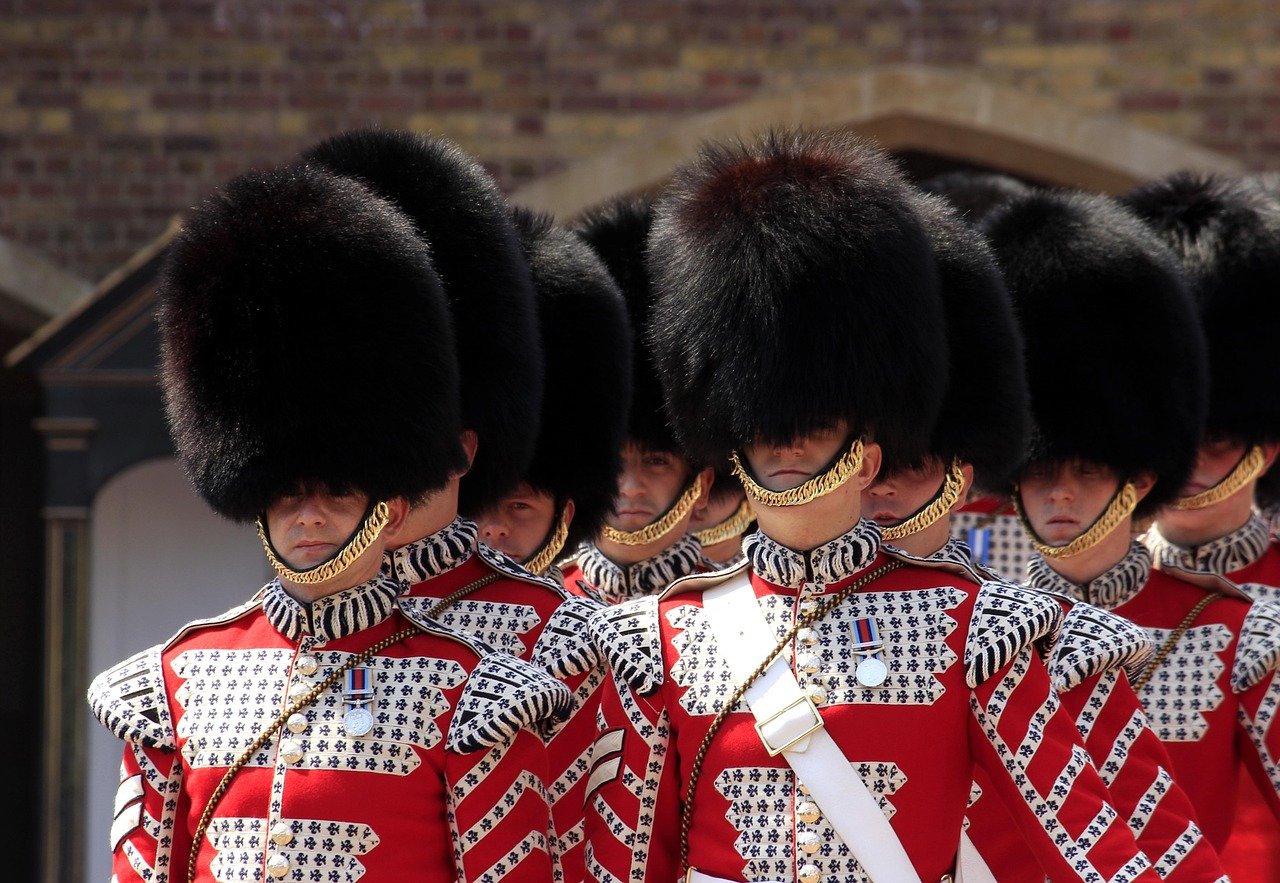
    Trooping the Colour 2025: King Charles and Queen Camilla Steal the Show in Stunning Royal Spectacle

    It was a moment that stopped the streets of London and had crowds cheering from every corner. King Charles III and Queen Camilla made a breathtaking appearance at this year’s Trooping the Colour, the iconic ceremony that marks the King’s official birthday — and honestly, it did not disappoint.

    The Mall was absolutely packed with royal fans, tourists, and well-wishers who had lined up for hours just to catch a glimpse of the royal couple. As the King and Queen rode along the famous tree-lined avenue toward Horse Guards Parade, the cheers were deafening. It was a celebration that reminded the world just how much this tradition means — not just to Britain, but to royal watchers across the globe.

    What Is Trooping the Colour and Why Does It Matter?

    For those unfamiliar, Trooping the Colour is one of the most prestigious and visually spectacular royal ceremonies in the world. It has been held annually since the 18th century and officially marks the sovereign’s birthday — regardless of when their actual birthday falls. King Charles III was born on November 14, but like monarchs before him, he celebrates his official birthday in June with this grand military parade.

    The ceremony involves hundreds of soldiers, horses, and musicians performing in perfect synchrony. It’s a display of precision, tradition, and British pageantry at its absolute finest. The event draws massive crowds to central London every year and is watched by millions more on television and online around the world.

    This year’s event carried an extra layer of emotion and significance. King Charles has been navigating his cancer diagnosis with remarkable resilience, and seeing him appear in such strong form during this ceremony was a deeply moving moment for many who watched.

    King Charles and Queen Camilla: A Crowd Favourite Moment

    The highlight of the day, without question, was the moment King Charles and Queen Camilla made their carriage procession down The Mall. Dressed in full ceremonial military uniform, the King looked every inch the sovereign as he acknowledged the cheering crowds with a wave and a smile. Queen Camilla, elegant and composed as always, was equally warmly received.

    The atmosphere on The Mall was electric. Spectators had draped themselves in Union Jacks, waved flags, and brought their children to witness a piece of living history. Many who had traveled from overseas — including visitors from the USA, Australia, and Canada — said it was a bucket-list moment they would never forget.

    Social media, predictably, went absolutely wild. Within minutes of the procession beginning, videos and photos flooded platforms like Instagram, TikTok, and X (formerly Twitter), with clips of the King and Queen racking up millions of views. The hashtags #TroopingTheColour and #KingCharles were trending globally throughout the day.

    The Balcony Moment Everyone Was Waiting For

    Of course, no Trooping the Colour is complete without the iconic Buckingham Palace balcony appearance. This is the moment royal fans live for — when members of the Royal Family gather on the famous balcony to watch the RAF flypast and wave to the thousands gathered below on the forecourt and along the surrounding streets.

    This year’s balcony appearance drew enormous anticipation, with fans eager to see which members of the Royal Family would appear alongside the King and Queen. The flypast itself was a stunning aerial display that sent the crowd into raptures, with the roar of aircraft drawing gasps and cheers from every direction.

    It’s one of those rare moments where you feel the weight of history and the joy of the present all at once. For a few minutes, everything stops — and all eyes are on that balcony.

    A Sea of Colour, Sound, and British Tradition

    The ceremony at Horse Guards Parade itself was a masterclass in military precision. Hundreds of soldiers from the Household Division performed the traditional “trooping” of the regimental flag — or “colour” — through the ranks. It’s a ritual that dates back centuries, originally used to ensure soldiers could identify their regiment’s flag on the battlefield.

    The music, performed by massed military bands, filled the air with classic marches and stirred genuine emotion in those watching. Even hardened cynics who claim not to care about royal pageantry tend to find themselves oddly moved when they hear those drums and brass instruments echoing across the parade ground.

    The horses, too, were a sight to behold. Immaculately groomed and trained to remain calm amid the noise and spectacle, they added a classic, timeless quality to proceedings that no amount of modern technology could replicate.

    King Charles’s Health and What It Means for the Monarchy

    It would be impossible to write about this year’s Trooping the Colour without acknowledging the personal journey King Charles has been on. Since his cancer diagnosis was announced earlier in 2024, the King has shown extraordinary determination to continue fulfilling his duties while managing his treatment and recovery.

    His appearance at this year’s ceremony was widely seen as a powerful symbol of resilience. Royal commentators and fans alike praised his commitment to showing up for the British public during what has clearly been a challenging period. Queen Camilla, too, has been widely praised for her steadfast support throughout.

    The public response to seeing the King in such good spirits was overwhelmingly positive. Many spectators interviewed on the day said they had been moved to tears simply seeing him ride down The Mall looking so well and clearly enjoying the occasion. It was, for many, a deeply personal as well as patriotic moment.

    Global Reaction: The World Was Watching

    Trooping the Colour is one of those events that truly has a global audience. In the United States, the UK, Canada, Australia, and New Zealand, millions tuned in to watch the coverage. For Commonwealth nations especially, the ceremony carries a particular resonance — a reminder of shared history and enduring cultural ties.

    International media coverage was extensive, with broadcasters from dozens of countries sending crews to London to capture the spectacle. It’s the kind of event that reminds the world why British royal traditions continue to captivate audiences in a way that few other ceremonies anywhere on the planet can match.

    Travel agencies reported a significant spike in inquiries about London trips following the ceremony, with many people inspired to plan their own visit to witness Trooping the Colour in person in future years. London’s tourism industry will no doubt be celebrating that particular side effect of the day’s proceedings.

    What Makes Trooping the Colour So Timeless?

    In an age of instant everything — instant news, instant entertainment, instant gratification — there is something genuinely extraordinary about a ceremony that has barely changed in hundreds of years. Trooping the Colour works precisely because it doesn’t try to be modern. It leans into its history, its formality, its grandeur.

    And yet, it never feels stuffy or irrelevant. The crowds that line The Mall are proof of that. Young families, teenagers filming TikToks, elderly couples who have attended for decades — they all come together for this one day every year, united by something that is very hard to define but very easy to feel.

    It is, at its heart, a celebration. A celebration of continuity, of community, and of a tradition that has survived wars, pandemics, and the relentless churn of history. As long as there is a British monarchy, there will be a Trooping the Colour — and if this year’s event is anything to go by, it will continue to draw the world’s attention for many years to come.

    Final Thoughts

    This year’s Trooping the Colour was more than just a ceremony. It was a statement. A statement from King Charles that he is here, he is well, and he is fully committed to the role he was born to fulfil. It was a statement from the British public that their affection for the monarchy — and for their King — remains strong and genuine.

    And it was a reminder to the rest of the world that when it comes to pomp, pageantry, and the kind of spectacle that genuinely takes your breath away, nobody does it quite like Britain.

    What do you think? Did you watch Trooping the Colour this year? Were you there in person, or did you catch it on TV or online? What was your favourite moment from the ceremony? Let us know in the comments below — we’d love to hear from royal fans around the world!

    This article is for informational purposes only.


  • Police officer accused of creating AI evidence

    Police officer accused of creating AI evidence


    Shocking Scandal: Police Officer Caught Using AI to Fabricate Evidence — What We Know So Far

    In a story that has sent shockwaves through law enforcement circles and sparked serious conversations about the future of AI in the justice system, a Derbyshire Police officer is now under investigation for allegedly using artificial intelligence to create fabricated evidence. Yes, you read that right — a cop reportedly used AI to manufacture evidence, and the implications are enormous.

    Derbyshire Police have confirmed that the officer in question has been immediately removed from frontline duties while a full internal investigation is underway. The force has not yet released the officer’s name, rank, or the specific nature of the case involved, but the mere allegation has already triggered widespread concern among legal experts, civil liberties advocates, and the general public alike.

    What Exactly Is Being Alleged?

    The core accusation is deeply troubling: the officer is alleged to have used AI tools — the kind that have become increasingly accessible to everyday users — to generate or alter evidence. While the specifics are still emerging, the idea that someone sworn to uphold the law may have weaponized cutting-edge technology to potentially frame someone or manipulate a case is nothing short of alarming.

    AI-generated content has become increasingly sophisticated in recent years. From deepfake videos to AI-written documents and synthetic audio, the technology now exists to create highly convincing fake materials that can be difficult to detect without specialized forensic tools. If this technology is being misused inside law enforcement agencies, it represents a terrifying new frontier in potential misconduct.

    Derbyshire Police have been tight-lipped about the details, but their swift action in removing the officer from frontline duties signals that they are taking the allegations extremely seriously. A spokesperson confirmed the investigation is ongoing and that the matter has been referred to the appropriate oversight bodies.

    Why This Case Is a Wake-Up Call for the Justice System

    Legal experts are already calling this case a landmark moment — and not in a good way. For decades, concerns about police misconduct have centered around physical evidence tampering, false testimony, and coerced confessions. But the rise of AI introduces a whole new dimension to the problem that the justice system is simply not yet equipped to handle.

    Think about it: if an officer with basic technical knowledge can use freely available AI tools to create convincing fake documents, images, or even audio recordings, how would a defense attorney — or even a judge — know the difference? Current forensic standards were designed for a pre-AI world, and many legal systems are scrambling to catch up.

    Criminal defense lawyers have been raising red flags about AI-generated evidence for several years now, but this case may be the one that finally forces policymakers to act. The integrity of the entire criminal justice system depends on the authenticity of evidence presented in court, and if that can now be faked with a few clicks, every conviction becomes potentially questionable.

    The Broader Problem: AI Misuse Is Growing Fast

    This isn’t happening in a vacuum. Across the globe, cases involving AI-generated misinformation, deepfake fraud, and synthetic media manipulation have been on a dramatic rise. From romance scammers using AI voices to impersonate loved ones, to political operatives creating fake videos of opponents, the misuse of AI is becoming one of the defining challenges of our era.

    In the UK specifically, there has been growing pressure on the government to introduce clearer legislation around AI-generated content and its use in legal proceedings. The Online Safety Act and various digital regulation frameworks have touched on some aspects of synthetic media, but nothing yet comprehensively addresses its potential use — or misuse — within law enforcement itself.

    Policing watchdogs have been calling for mandatory AI literacy training for officers, as well as strict guidelines on what tools can and cannot be used in the course of an investigation. This case could be the catalyst that finally pushes those conversations into concrete policy action.

    Public Reaction: Outrage and Disbelief

    Unsurprisingly, the story has exploded on social media. Hashtags related to the case have been trending across platforms in the UK, with thousands of users expressing a mix of outrage, disbelief, and dark humor. Many are asking the obvious question: if one officer did this, how many others might be doing the same — or worse, have already done it without being caught?

    Trust in police institutions across the UK has already been under significant strain in recent years following a series of high-profile misconduct cases. This new allegation arrives at a particularly sensitive moment, and community groups are already calling for full transparency in the investigation’s findings.

    Civil liberties organizations such as Liberty UK have weighed in, emphasizing that the case highlights the urgent need for independent oversight of how AI tools are being used — or potentially abused — by those in positions of authority. “This is exactly the kind of scenario we have been warning about,” one spokesperson noted in a statement shared widely online.

    What Happens Next for the Officer and the Investigation?

    The officer remains suspended from frontline duties while Derbyshire Police conduct their internal probe. Depending on what the investigation finds, the case could be referred to the Independent Office for Police Conduct (IOPC), which handles serious misconduct allegations against officers in England and Wales.

    If the allegations are proven, the officer could face criminal charges in addition to dismissal from the force. Using fabricated evidence in a legal proceeding is a serious offense under UK law, and the fact that AI was allegedly the tool used to create that evidence doesn’t make it any less of a crime — if anything, it adds a layer of premeditation and technological sophistication that courts may view very seriously.

    Legal analysts are also pointing out that any cases the officer was involved in may now need to be reviewed. If AI-generated evidence was submitted in court, those cases could be subject to appeals, potentially leading to convictions being overturned. The ripple effects of a single officer’s alleged misconduct could be felt across the justice system for years.

    AI in Law Enforcement: A Double-Edged Sword

    It’s worth noting that AI itself is not the villain here — the alleged misuse of it is. In fact, AI has enormous potential to assist law enforcement in legitimate and powerful ways: from analyzing vast amounts of CCTV footage to identifying patterns in criminal behavior, to helping solve cold cases through DNA analysis. The technology, when used ethically and with proper oversight, can be a genuine force for good.

    But without robust regulation, transparency, and accountability, those same tools can be turned against the very people they’re supposed to protect. The Derbyshire case is a stark reminder that access to powerful technology must always come paired with strong ethical frameworks and independent oversight.

    As AI continues to evolve at a breathtaking pace, the question isn’t whether law enforcement will use these tools — they already are. The question is whether the safeguards we put in place will be strong enough to prevent their misuse. Right now, based on this case, the answer appears to be: not yet.

    A Defining Moment for AI Accountability

    Whatever the outcome of the Derbyshire investigation, this story has already changed the conversation. It’s no longer a hypothetical or a far-future concern — AI misuse in law enforcement has allegedly happened, right now, in one of the most established democratic legal systems in the world.

    For everyday citizens, the takeaway is unsettling but important: the tools that were supposed to make our world smarter and safer can just as easily be turned into instruments of injustice if left unchecked. Awareness, advocacy, and accountability are more critical now than ever before.

    We’ll be watching this story closely as more details emerge. The investigation is ongoing, and the full picture has yet to be revealed — but one thing is already crystal clear: this is a story that matters, and it’s one that isn’t going away anytime soon.

    What do you think? Does this case change how you feel about AI being used in law enforcement? Should there be stricter regulations on the tools police officers can access? Drop your thoughts in the comments — we want to hear from you.

    This article is for informational purposes only.


  • Married at First Sight Australia stars not told partners had drug and violence convictions

    Married at First Sight Australia stars not told partners had drug and violence convictions


    Married at First Sight Australia Scandal: Brides Say They Were Never Warned Their TV Husbands Had Drug and Violence Convictions

    Reality TV is no stranger to drama, but the latest controversy surrounding Married at First Sight Australia has gone far beyond the usual on-screen arguments and tearful commitment ceremonies. Female cast members from the hit show are speaking out, revealing they were completely blindsided — left in the dark about the fact that their matched partners had serious criminal histories involving drugs and violence.

    This isn’t just a juicy tabloid story. This is a serious question about duty of care, informed consent, and just how far reality TV producers will go in the name of entertainment. And people are absolutely furious about it.

    What Exactly Happened?

    Women who appeared on the Australian version of Married at First Sight — one of the most-watched reality shows across Australia, the UK, and beyond — have come forward claiming they had no idea their on-screen partners had prior criminal convictions. These convictions reportedly include offences related to drugs and violent behaviour.

    The women say that at no point during the extensive screening and matching process were they informed of these backgrounds. For a show that markets itself on the idea of expert matchmaking and psychological compatibility, this revelation has left both participants and viewers deeply unsettled.

    The core issue here is trust. These women signed up to a process that was presented as safe, professional, and supported by relationship experts. Finding out after the fact that their “husbands” had violent or drug-related pasts feels like a massive betrayal — not just by the show, but by the entire system that was supposed to protect them.

    The Show’s Premise and Why This Matters So Much

    Married at First Sight Australia (often abbreviated to MAFS) is built on a very specific promise: that a team of relationship experts, psychologists, and researchers will match strangers together based on deep compatibility. Couples meet for the very first time at the altar and are legally married — or in some seasons, in commitment ceremonies — right there on camera.

    The show has been a ratings juggernaut, pulling in millions of viewers not just in Australia but across the UK, the US, Canada, New Zealand, and beyond. It’s the kind of program people binge-watch and talk about at work the next day. But the format only works if audiences — and participants — believe the process is legitimate and safe.

    When cast members are placed with partners who have criminal records for violence and drugs without any disclosure, it raises enormous red flags. These women weren’t just going on a date. They were moving in with strangers, spending weeks filming together, and being presented to the world as married couples. The power imbalance and potential risks in that situation are obvious.

    Cast Members Speak Out

    The women who have spoken out are not mincing words. They’ve described feeling deceived and vulnerable, and many are now questioning the entire production process. Some have indicated they would never have agreed to participate had they been given the full picture about their partners’ backgrounds.

    It’s worth noting how significant it is for reality TV participants to go public with grievances like this. These contracts typically come loaded with non-disclosure agreements and legal clauses designed to keep cast members quiet. The fact that these women are speaking out anyway says a great deal about how serious they feel the situation is.

    For many viewers, the reaction has been one of genuine shock. MAFS Australia has always had its critics — the show can be manipulative, emotionally intense, and deliberately provocative — but most assumed there were basic safeguards in place to protect participants from serious harm. This story suggests those safeguards may have failed in a significant way.

    Production and Network Under Fire

    The production company and the network behind MAFS Australia are now facing serious scrutiny. Questions are being asked about what background checks were carried out, what information was uncovered during those checks, and crucially — why that information was not passed on to the women being matched with these men.

    Did producers know about these convictions and choose not to disclose them? Or did the background check process fail to uncover the information in the first place? Either scenario is deeply troubling. If they knew and said nothing, that’s a serious ethical and potentially legal issue. If their vetting process was so inadequate that it missed criminal convictions, that’s a massive failure of duty of care.

    Reality TV production is a competitive, high-stakes business. Producers are under enormous pressure to cast interesting, dramatic personalities who will make for compelling television. Critics have long argued that this commercial pressure sometimes overrides the welfare of the people involved. This latest scandal seems to support that argument in a very direct way.

    A Wider Problem in Reality TV?

    MAFS Australia is far from the only reality show to face questions about how it treats its participants. Over the years, shows like Love Island, The Bachelor, and various other dating formats have faced criticism for inadequate mental health support, manipulative editing, and a lack of aftercare for cast members once filming ends.

    In the UK, Love Island introduced new duty of care protocols following the tragic deaths of several former contestants. The conversation around reality TV welfare has been growing louder and more urgent. This latest development from MAFS Australia adds a new and particularly alarming dimension to that debate — the question of physical safety and informed consent.

    If a woman is placed in an intimate living situation with a man who has a history of violent behaviour, she has a right to know that. Full stop. The fact that this apparently didn’t happen — and that it may have happened to more than one person on the show — is something the industry as a whole needs to reckon with.

    Fan Reaction: Outrage, Shock, and Calls for Accountability

    Social media has erupted since the story broke. Fans of the show who have spent years invested in its couples, its drama, and its emotional storylines are now questioning everything they thought they knew about how the program operates behind the scenes.

    On platforms like X (formerly Twitter), TikTok, and Reddit, the hashtags and threads related to this story have been flooded with reactions ranging from genuine concern for the women involved to anger directed squarely at the production team. Many fans are calling for a full independent investigation into how MAFS Australia screens its participants.

    Some longtime viewers have said this revelation has put them off the show entirely. Others are demanding that the network make a public statement explaining exactly what happened and what steps will be taken to ensure it never happens again. The pressure is mounting, and it doesn’t look like it’s going away anytime soon.

    What Needs to Change?

    At the very minimum, reality TV shows that place strangers in intimate situations together need to have robust, transparent background check processes — and they need to share relevant findings with participants before filming begins. This isn’t a complicated ask. It’s basic human decency and a fundamental responsibility of care.

    Regulators in Australia and other countries where the show airs may also need to step in. If commercial television networks are profiting from formats that place people in potentially dangerous situations without proper disclosure, there’s a strong argument for tighter regulatory oversight of how reality TV participants are protected.

    The women who have spoken out deserve to be heard, believed, and supported. And the industry as a whole needs to treat this moment as a wake-up call — not just a news cycle to ride out until the next controversy comes along.

    The Bottom Line

    Married at First Sight Australia has always been appointment viewing precisely because it puts real people in extraordinary, emotionally charged situations. But the entertainment value of the show cannot come at the expense of the safety and wellbeing of the people who appear on it.

    These women signed up for a love story. They deserved to know the full truth about the people they were being asked to build that story with. The fact that they apparently didn’t get that truth is a scandal that goes far beyond typical reality TV drama — and it demands real answers.

    This story is still developing, and more details are expected to emerge in the coming days. One thing is already clear though: the conversation about how reality TV treats its participants just got a whole lot louder.

    What do you think? Should reality TV shows be legally required to disclose criminal background information to all participants before filming begins? Do you think the women involved deserve compensation or an official apology from the network? Drop your thoughts in the comments — we want to hear from you.

    This article is for informational purposes only.