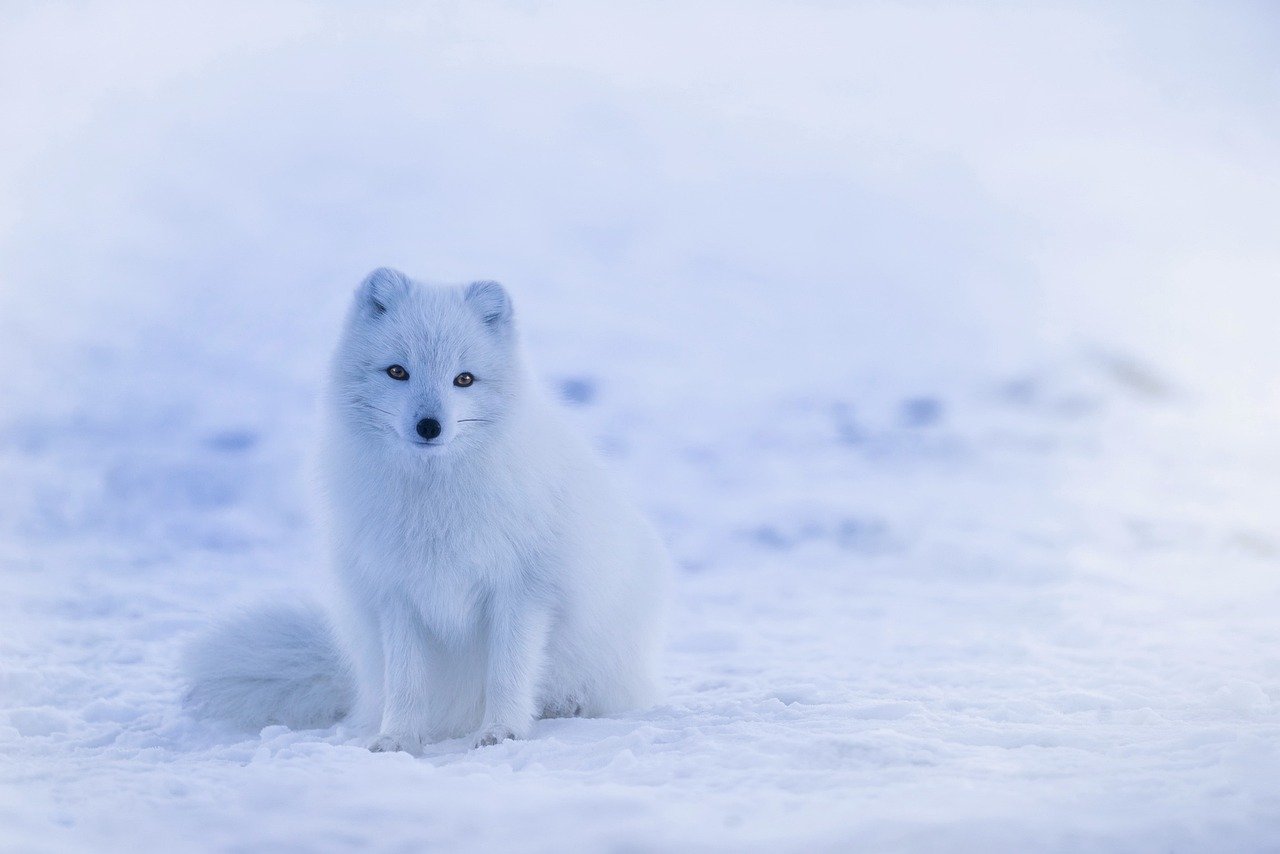
Brace Yourself: Arctic Air Is Sweeping Into the UK This Week — Here’s What to Expect
Just when you thought spring was finally settling in, the UK is about to get a rude awakening. A blast of Arctic air is on its way, and it’s bringing temperatures that are well below what we’d normally expect for May. Yes, you read that right — Arctic air in May.
Weather experts are warning that this cold snap isn’t just a brief overnight chill. The drop in temperatures is expected to last through the middle of the week, catching many people off guard who were perhaps already packing away their winter coats. Meteorologist Simon King has stepped in to break down exactly what’s coming and why it’s happening now.
Where Is This Cold Air Coming From?
The culprit here is a shift in atmospheric pressure patterns that’s allowing frigid air from the Arctic to push southward into the British Isles. This kind of event isn’t unheard of in spring, but it’s still a shock to the system after recent milder days. The jet stream, which usually acts as a barrier keeping polar air at bay, has temporarily weakened and shifted, opening the door for this cold intrusion.
When Arctic air masses travel south, they don’t warm up significantly along the way — especially when they’re moving quickly. That means the air hitting the UK this week has retained much of its original biting coldness from the polar regions. It’s the kind of weather that makes you question whether winter ever really left.
How Cold Are We Actually Talking?
Temperatures are forecast to sit noticeably below the average for May across many parts of the UK. While specific figures vary by region, daytime highs could struggle to reach double digits in some areas — a far cry from the mild spring warmth that many had been enjoying. Overnight temperatures will feel especially harsh, potentially dipping close to freezing in rural and northern areas.
For context, the average UK temperature in May typically hovers in the low-to-mid teens Celsius. So when forecasters say temperatures will be “below average,” they’re not talking about a slight dip — they’re talking about a meaningful and noticeable cold spell that will affect daily life. Think frost on car windscreens, extra layers in the morning, and maybe even that heating coming back on.
The northern parts of the UK — Scotland, Northern Ireland, and northern England — are expected to feel the worst of it. But even southern England and Wales won’t be escaping unscathed, with cool winds making it feel even colder than the thermometer suggests.
Simon King’s Forecast Explained
BBC Weather’s Simon King has been at the forefront of explaining this unusual weather pattern to the public. According to King, the key factor is the direction from which the wind is blowing. A northerly or north-easterly wind flow is essentially acting as a conveyor belt, transporting cold Arctic air directly down over the British Isles.
King emphasised that while the cold snap is significant, it’s not unprecedented for this time of year. The UK has a long history of late cold spells in spring — sometimes even seeing snowfall in April and May in higher elevations. However, the timing still feels jarring given how quickly the weather has shifted from relatively pleasant spring conditions.
He also pointed out that the cold air is relatively dry, which means widespread heavy rain isn’t the main concern this week. Instead, it’s the raw, biting cold — especially when combined with wind chill — that people need to be prepared for. Dressing in layers and keeping an eye on overnight temperatures will be key.
What Does This Mean for Daily Life?
For most people going about their daily routines, this cold snap is more of an inconvenience than a serious hazard. But there are certain groups who need to take extra care. The elderly, young children, and those with respiratory conditions are more vulnerable to sudden drops in temperature, and health authorities typically urge these groups to take precautions during cold snaps.
Commuters should also be prepared for potential disruptions, particularly in areas where overnight frost could make roads slippery in the early morning hours. Gardeners who have already planted out frost-sensitive plants may want to cover them or bring potted plants indoors until the cold spell passes. And anyone planning outdoor events or activities mid-week might want to have a backup plan ready.
On the flip side, this kind of weather is actually great for certain activities. If you’re a fan of crisp, clear skies, cold spells like this often come with beautiful sunny days — just very chilly ones. Hiking, walking, and outdoor sports can actually be quite enjoyable when the air is sharp and clear, as long as you’re dressed appropriately.
Is This a Sign of Something Bigger?
It’s natural to wonder whether unusual weather events like this are connected to broader climate patterns. While a single cold snap can’t be directly attributed to climate change, scientists have noted that disruptions to the polar vortex and jet stream — which can lead to these kinds of out-of-season cold blasts — may be becoming more frequent as global temperatures rise.
The relationship between a warming Arctic and mid-latitude weather patterns is an active area of research. Some studies suggest that as the Arctic warms faster than the rest of the planet, the temperature difference between the poles and the mid-latitudes decreases, potentially weakening the jet stream and making it more wavy and unpredictable. This can allow cold Arctic air to spill further south than it normally would.
That said, weather is inherently variable, and cold snaps in May have happened throughout recorded history. It’s important not to over-interpret a single weather event — but it’s equally important to stay curious about the bigger picture of how our climate is changing.
When Will It Warm Back Up?
The good news is that cold snaps like this tend to be relatively short-lived. The current forecast suggests that the Arctic air will begin to retreat by the latter half of the week, with more typical spring conditions returning by the weekend. Temperatures should gradually climb back toward seasonal norms as a more westerly or south-westerly flow re-establishes itself.
So if you’re dreading the cold, hang tight — it shouldn’t last more than a few days. But in the meantime, dig out that jacket you thought you’d put away for good, and maybe keep a warm drink handy. The UK’s weather has a well-earned reputation for keeping everyone on their toes, and this week is a perfect reminder of that.
For those who actually enjoy the cold — and there are plenty of you out there — this is your moment. Crisp mornings, clear skies, and the satisfying crunch of a frosty lawn underfoot. Not bad, really, for a week in May.
Tips to Stay Warm and Safe During the Cold Snap
Here are a few practical tips to help you get through the cold spell comfortably. Layer up rather than relying on one thick coat — multiple thinner layers trap heat more effectively. Keep your home warm, especially overnight, and check on elderly neighbours or relatives who might be more affected by the cold.
Stay updated with the latest forecasts from the Met Office or BBC Weather, as conditions can change quickly and regional variations can be significant. If you’re driving, give yourself extra time in the mornings in case of frost, and make sure your vehicle is ready for cold conditions.
And most importantly — don’t let the cold keep you from getting outside and enjoying the season. With the right preparation, even a chilly May week can be a great time to appreciate the outdoors. Just maybe swap the flip-flops for something a little warmer.
What do you think? Are you ready for this Arctic blast, or were you completely caught off guard by the cold snap? Do you think the UK’s spring weather is getting more unpredictable? Let us know your thoughts in the comments below!
This article is for informational purposes only.
Leave a Reply