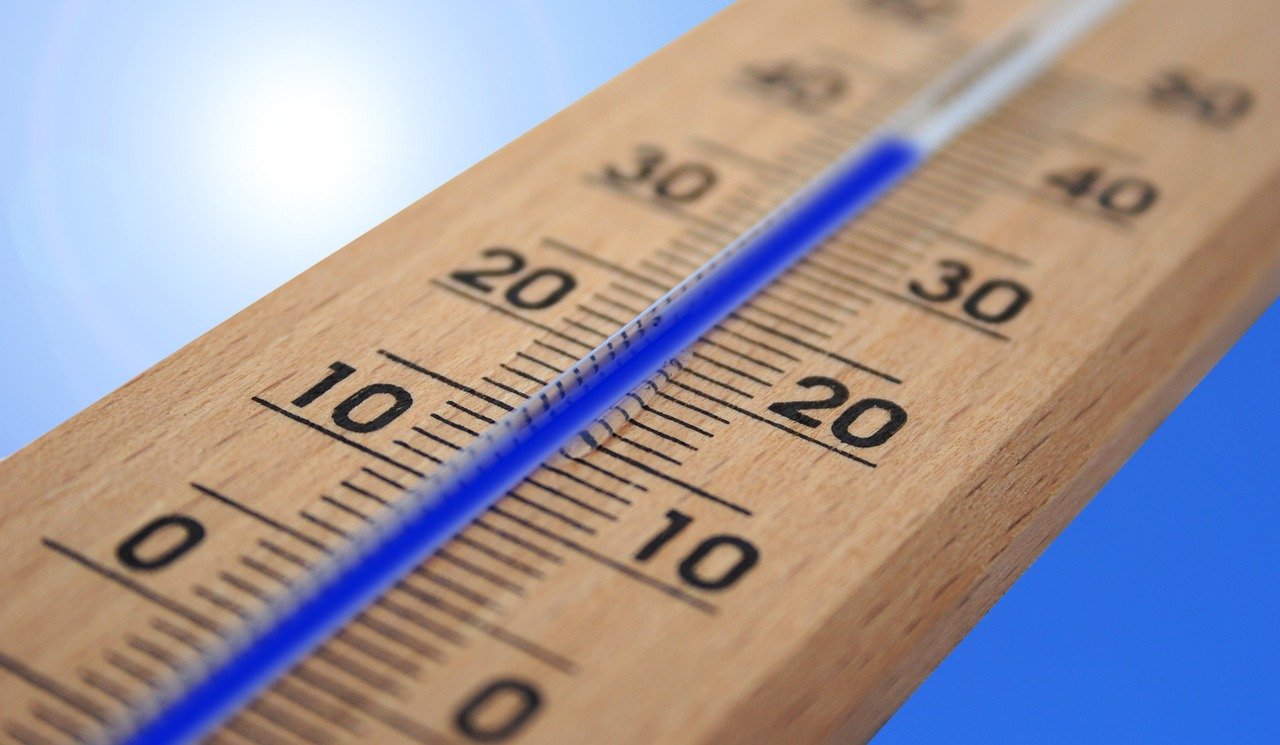
Life at 47°C: Inside India’s Most Scorching District Where ‘Mornings and Nights No Longer Exist’
Imagine waking up and the temperature is already pushing past 40 degrees Celsius before the sun has even fully risen. No cool breeze at dawn. No relief after sunset. Just a relentless, suffocating wall of heat that never really lets go. That is the daily reality for people living in India’s hottest district right now — and it is reshaping every single aspect of human life.
India has always been no stranger to extreme summers, but what is happening right now in the country’s most heat-stricken regions is something else entirely. Temperatures soaring to 47°C are not just uncomfortable — they are dangerous, life-altering, and in many cases, deadly. Residents describe their existence as being trapped in a furnace with no exit door.
When the Thermometer Becomes Your Enemy
The phrase that has been echoing through communities in this blistering region says it all: “Mornings and nights no longer exist.” What locals mean is that the traditional rhythm of life — the cool relief of early morning, the bearable chill of late evening — has completely vanished. The heat is now a 24-hour experience.
In practical terms, this means that the windows of time people used to rely on for outdoor work, farming, exercise, or even just stepping outside to breathe fresh air have closed. Workers who depend on physical labor outdoors are caught in an impossible situation — work in deadly heat or don’t earn enough to survive. Many are choosing to push through, risking heatstroke, dehydration, and worse.
The human body is simply not designed to function efficiently at these temperatures. At 47°C, the air itself feels like it is burning your lungs with every breath. Sweat evaporates almost instantly, making it harder for the body to cool itself down. Medical professionals in the region are seeing a surge in heat-related illnesses, from severe dehydration to heat exhaustion and full heatstroke.
A Day in the Life — Hour by Hour Survival
For residents, every hour of the day now revolves around one central goal: surviving the heat. Families wake before 4 AM to complete as many chores as possible while temperatures are merely in the high 30s. Cooking, cleaning, fetching water, tending to animals — all of it must be squeezed into that narrow pre-dawn window.
By 8 AM, the sun has already turned vicious. Streets that were busy just a few hours earlier become ghost towns. Shops pull down their shutters. Children stay indoors. Elderly residents are advised not to move at all. The roads shimmer with heat haze, and even the stray dogs and cattle that normally roam freely have retreated to whatever shade they can find.
Midday is simply described by locals as “unbearable.” Concrete buildings absorb the heat and radiate it back out, turning entire neighborhoods into ovens. For those without air conditioning — which is the vast majority of the population in these areas — the only option is to lie as still as possible, drink water constantly, and wait. Just wait for the sun to begin its descent.
The Invisible Victims — Who Suffers Most?
While extreme heat affects everyone, it does not affect everyone equally. The most vulnerable are the elderly, young children, pregnant women, and outdoor laborers. In this district, a huge portion of the workforce relies on agriculture, construction, and street vending — all jobs that cannot simply be moved indoors.
Farmers face a particularly cruel dilemma. Their crops need attention, their livelihoods depend on fieldwork, but stepping into an open field at peak heat is genuinely life-threatening. Some have started working exclusively by moonlight, turning their schedules completely nocturnal just to stay alive. Others have reported losing livestock to the heat, adding financial devastation on top of physical suffering.
For women in many of these communities, the burden is even heavier. They are often responsible for collecting water, cooking over open fires, and caring for children and elderly family members — all tasks that require physical activity even in the most brutal heat. The combination of heat stress and physical labor is pushing many to their absolute limits.
What 47°C Does to Infrastructure
It is not just human bodies that are buckling under these temperatures — the physical infrastructure is too. Roads have been documented literally melting and warping under the extreme heat. Power lines are under enormous strain as demand for fans and coolers skyrockets, leading to frequent outages that leave people without even basic cooling for hours at a time.
Water supply systems are struggling badly. Pipes heat up to dangerous temperatures, meaning the water that comes out of taps is sometimes too hot to drink or wash with. Underground water tables are dropping as demand surges and rainfall remains absent. The combination of heat and water scarcity creates a compounding crisis that authorities are struggling to manage.
Hospitals and health centers are overwhelmed. Doctors describe seeing patients arrive in states of severe dehydration and confusion — classic symptoms of advanced heatstroke. In the most serious cases, people have died. The official death tolls from heat-related illness in India during peak summer periods are almost certainly an undercount, as many deaths in rural areas go unrecorded or are attributed to other causes.
The Science Behind the Scorching — Why Is It This Bad?
Climate scientists have been warning for years that regions like this one in India would face increasingly extreme heat events as global temperatures rise. What is happening now is not a freak accident — it is a predictable consequence of long-term climate trends colliding with local geography.
This particular district sits in a zone that receives intense solar radiation with very little natural cooling from nearby bodies of water or elevation. The flat, dry landscape absorbs and retains heat with brutal efficiency. When you layer on top of that the broader warming of the planet, you get conditions that are genuinely historic in their severity.
Scientists note that what were once considered “once in a generation” heat events are now happening every few years — and the trend is accelerating. The 47°C readings being recorded now would have been extraordinary even a decade ago. Today, they are becoming the new normal for this region, and residents have no choice but to adapt or leave.
How People Are Coping — and What They Need
Despite the brutal conditions, human resilience is on full display. Communities have developed informal networks to check on vulnerable neighbors. Local volunteers are distributing water and oral rehydration salts in the worst-affected areas. Some mosques, temples, and community halls have opened their doors as makeshift cooling centers, offering shade and water to anyone who needs it.
Traditional knowledge is also being dusted off and put to use. Older residents remember techniques for staying cool before air conditioning existed — specific types of breathable clothing, certain foods and drinks that help regulate body temperature, the art of building cross-ventilation into living spaces. In some ways, extreme heat is reconnecting communities with ancestral wisdom that had been forgotten in more comfortable times.
But individual and community coping strategies can only go so far. What experts say is truly needed is large-scale investment in heat-resilient infrastructure, early warning systems, public cooling centers, and policies that protect outdoor workers from being forced to labor in dangerous conditions. The gap between what is needed and what currently exists is enormous.
A Warning to the World
India’s hottest district right now is not just a local story — it is a preview. As global temperatures continue to rise, more regions around the world will face conditions that challenge the very limits of human habitation. What is happening at 47°C in India today could be happening in parts of Europe, North America, and Australia within decades.
The people living through this extreme heat are on the absolute frontline of climate change. They have contributed the least to the problem and are suffering the most from its consequences. Their stories — of survival, adaptation, and resilience — deserve to be heard far beyond the borders of one sweltering district.
Because when “mornings and nights no longer exist,” when the basic rhythm of human life is destroyed by heat, that is not just a weather story. That is a warning about what kind of future we are building — and whether we still have time to change it.
What Do You Think?
Have you ever experienced extreme heat that changed the way you live your daily life? Do you think enough is being done globally to protect vulnerable communities from rising temperatures? Drop your thoughts in the comments — we want to hear from you.
This article is for informational purposes only.
Leave a Reply