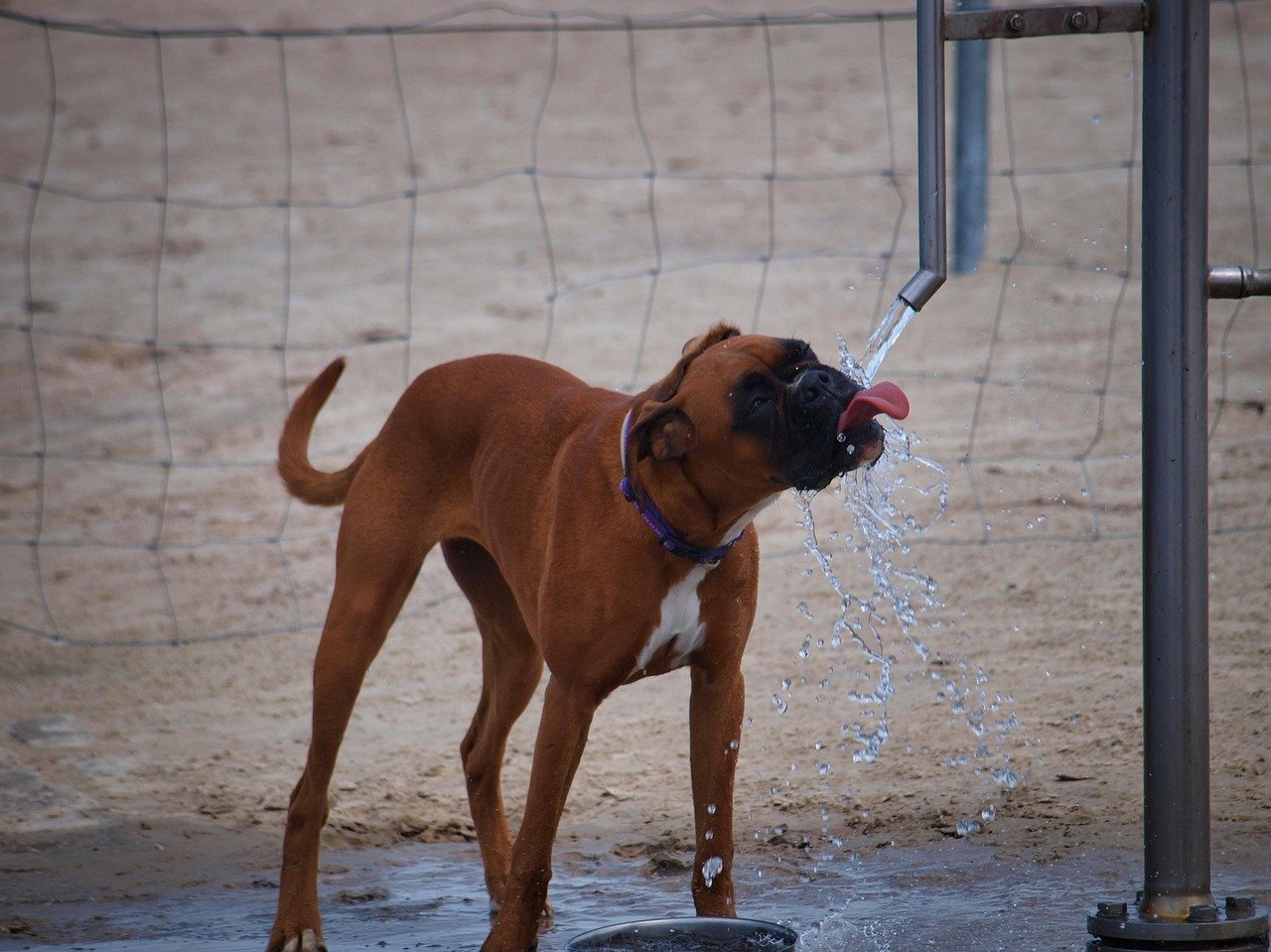
Is Your Dog Too Hot? The Warning Signs of Heatstroke in Dogs Every Pet Owner Must Know
Summer is here, and while we’re all enjoying the sunshine, our furry best friends might be secretly struggling. Dogs can’t sweat the way humans do, which means they’re far more vulnerable to overheating than most people realize. And here’s the scary truth — heatstroke in dogs can turn deadly within minutes if you don’t act fast.
Whether you’re taking your pup to the beach, going on a hike, or just letting them play in the backyard, knowing the warning signs of heatstroke could literally save your dog’s life. Let’s break down everything you need to know to keep your four-legged family member safe when temperatures soar.
Why Dogs Are So Vulnerable to Heat
Unlike humans, dogs primarily cool themselves through panting. They do have a few sweat glands located in their paw pads, but these are nowhere near efficient enough to regulate body temperature during intense heat. This makes them highly dependent on panting as their main cooling mechanism.
When the air around them is already hot and humid, panting becomes less effective because the air they’re breathing in isn’t cool enough to help lower their core temperature. This is why dogs can overheat so rapidly on warm, humid days — even when they’re just sitting still in the sun.
Certain dogs are even more at risk than others. Flat-faced breeds like Bulldogs, Pugs, French Bulldogs, and Shih Tzus have shorter airways that make efficient panting almost impossible. Older dogs, overweight dogs, and those with underlying health conditions are also in a higher-risk category. Even a healthy, energetic Labrador can succumb to heatstroke if conditions are extreme enough.
The Early Warning Signs You Should Never Ignore
Heatstroke doesn’t always announce itself dramatically. In many cases, the early signs are subtle and easy to miss if you’re not paying close attention. The sooner you spot these symptoms, the better the outcome for your dog.
One of the first things you’ll notice is excessive, heavy panting — far more intense than what you’d expect after normal exercise. Your dog might also start drooling more than usual, producing thick, sticky saliva rather than their normal drool. Their gums may begin to look redder than normal, almost bright red or dark cherry-colored.
Restlessness is another early signal. Your dog might pace, seem unable to settle, or appear anxious and confused. Some dogs will seek out shade or cool surfaces instinctively, which is actually a good sign that they’re trying to self-regulate. But if they can’t cool down, things can escalate quickly.
When Heatstroke Becomes a Medical Emergency
As heatstroke progresses, the symptoms become much more alarming and require immediate veterinary attention. At this stage, your dog’s body is in serious distress and every minute counts.
Advanced heatstroke symptoms include vomiting and diarrhea, sometimes with blood present. Your dog may become uncoordinated, stumbling or falling over as if they’re dizzy. Their breathing may become labored or noisy, and their gums might shift from bright red to a pale, grayish, or even bluish color — a sign that oxygen is not circulating properly.
In severe cases, dogs can experience seizures, loss of consciousness, or collapse entirely. Their body temperature can reach dangerous levels — above 40°C (104°F) is considered dangerous, and above 41.5°C (106.7°F) can cause organ failure and brain damage. This is a true emergency and requires a call to your vet or an emergency animal hospital immediately.
What to Do If You Think Your Dog Has Heatstroke
If you suspect your dog is overheating, the first thing to do is move them to a cooler environment — indoors with air conditioning is ideal, or at least a shaded area with a breeze. Don’t panic, but act quickly and calmly.
Start cooling your dog gradually using cool (not ice cold) water. You can pour it over their body, focusing on the neck, armpits, and groin area where blood vessels are close to the surface. Wet towels placed on these areas can also help. Avoid using ice or ice-cold water, as this can cause the blood vessels near the skin to constrict, actually trapping heat inside the body.
Offer your dog small sips of cool water if they’re conscious and able to swallow safely. Don’t force them to drink. Use a fan if available to help speed up the cooling process through evaporation. Then get them to a vet as soon as possible — even if they seem to be improving, internal damage may not be immediately visible.
Hot Cars: The Danger That Can’t Be Overstated
We’ve all heard the warnings, but it bears repeating — never, ever leave your dog in a parked car on a warm day. Even on a mild day of around 22°C (72°F), the temperature inside a parked car can skyrocket to over 47°C (117°F) within an hour. Cracking the windows open makes almost no difference.
Dogs left in hot cars can develop heatstroke in as little as six minutes. This is not an exaggeration. It’s one of the leading causes of preventable pet deaths during summer, and it happens even to well-meaning owners who “just popped in for a minute.”
If you see a dog trapped in a hot car showing signs of distress, note the car’s details and go into nearby shops to find the owner. If the situation appears life-threatening, contact emergency services immediately. In many countries and states, there are specific laws that allow bystanders or authorities to break into a vehicle to save an animal in danger.
Smart Tips to Keep Your Dog Cool This Summer
Prevention is always better than cure, and keeping your dog comfortable during hot weather doesn’t have to be complicated. A few simple changes to your daily routine can make a huge difference.
Walk your dog during the cooler parts of the day — early morning or late evening. Pavements and asphalt can get scorching hot during the afternoon and can burn your dog’s paw pads. A good rule of thumb: if you can’t hold the back of your hand on the pavement for seven seconds, it’s too hot for your dog to walk on.
Always make sure fresh, cool water is available at all times. You can even add ice cubes to their water bowl to keep it cooler for longer. Paddling pools are a fantastic way to let dogs cool off — many dogs absolutely love splashing around in shallow water. Cooling mats and bandanas designed specifically for pets are also widely available and can provide real relief.
For dogs that spend time outdoors, make sure there’s always access to shade. A shaded area with good airflow is far more effective than direct sun with a breeze. Keep an eye on humidity levels too — high humidity makes it much harder for dogs to cool down through panting, even if the temperature itself doesn’t seem extreme.
Breeds and Dogs That Need Extra Care
While all dogs need protection from heat, some need extra vigilance. Flat-faced or brachycephalic breeds top the list, including Pugs, Bulldogs, Boston Terriers, Boxers, and Persian cats (yes, cats can get heatstroke too). Their restricted airways mean they simply cannot pant effectively enough to cool down in hot conditions.
Very young puppies and senior dogs also have less efficient temperature regulation systems. Dogs that are overweight carry more insulating fat and generate more body heat during exercise. Dogs with thick double coats, like Huskies and Golden Retrievers, may also struggle more in extreme heat despite being built for colder climates.
If your dog falls into any of these categories, consider keeping them indoors in air conditioning during the hottest parts of the day, and always consult your vet about the best ways to manage their specific needs during summer.
Your Dog Is Counting on You
Dogs are loyal, loving, and completely dependent on us to keep them safe. They can’t tell us when they’re too hot, and they’ll often push through discomfort to keep up with their humans. That means the responsibility falls entirely on us to recognize the signs of trouble and act before it’s too late.
This summer, make pet safety a priority. Share this information with other dog owners in your life — the more people know about the signs of heatstroke, the more dogs will make it safely through the warm months. Your pup is part of the family, and they deserve to enjoy summer just as much as you do — just safely and comfortably.
What do you think? Have you ever had a scary experience with your dog overheating in hot weather? What tips do you use to keep your pets cool during summer? Share your thoughts and advice in the comments — your experience could help another dog owner!
This article is for informational purposes only.
Leave a Reply